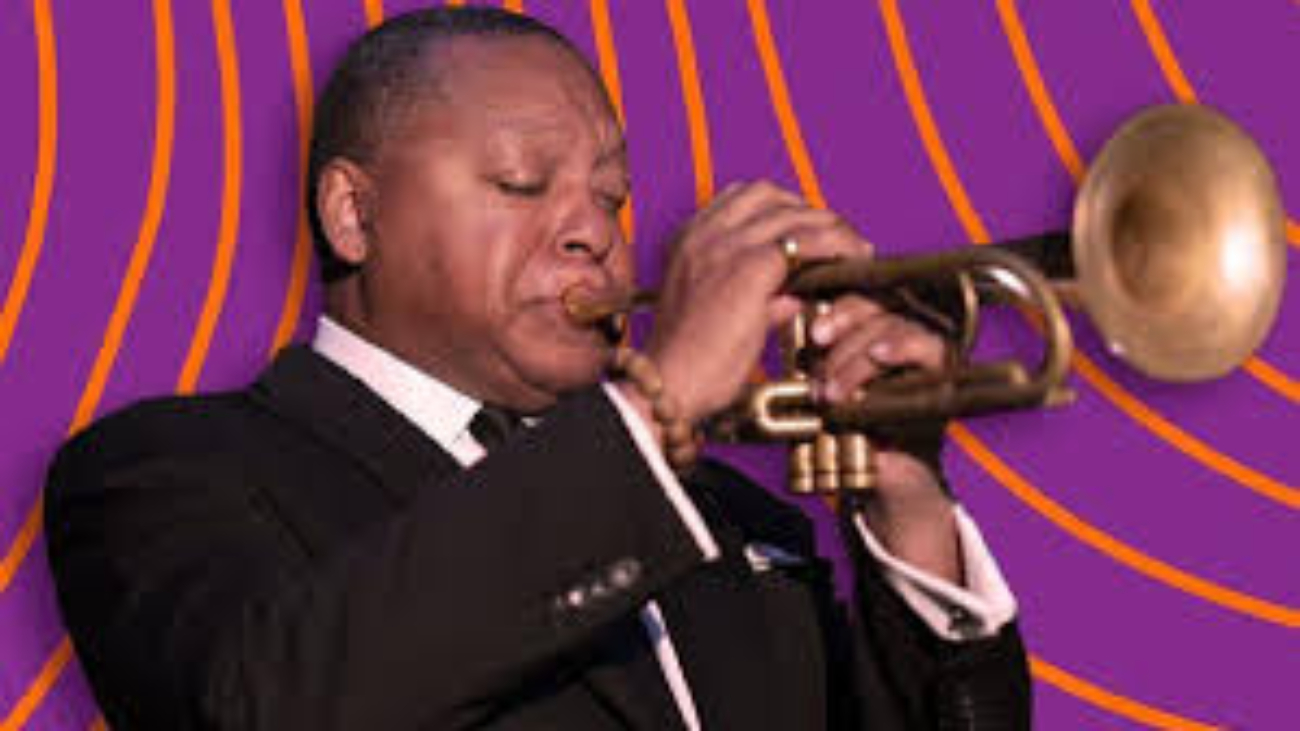
At The Improv Café, where every song we play is a live recording, the air is always charged with the unmistakable energy of real performance — the crackle of applause, the sweat of the soloist, the unrepeatable magic of the moment. We only play live jazz, big band, swing, and vocal jazz because that’s where the true soul of this music lives — in the improvisation, in the conversation between players, and in the electricity of an audience feeling it all in real time.
And this week, that same timeless spirit is alive again as the jazz world revisits several defining moments from the genre’s golden era — from Duke Ellington’s pioneering Mercer label to the continuing influence of Charles Mingus, the ongoing revival of Swing, and the major news surrounding Miles Davis’ legendary catalog.
Duke Ellington and the Birth of the Mercer Label
In 1950, Mercer Ellington, son of the great Duke Ellington, joined forces with critic and journalist Leonard Feather to launch the Mercer label, an imprint that carried forward the Ellington legacy with artistry, independence, and class. The Mercer label represented a rare bridge between the early swing era and the postwar evolution of modern jazz — a time when the big bands were shrinking, tastes were shifting, and recording independence meant survival.
Recently featured in The Syncopated Times, the Mercer label is once again being recognized for its crucial role in preserving Duke Ellington’s later works and nurturing the careers of rising jazz talents of the 1950s. It captured a snapshot of jazz in transition — moving from the large ensemble swing sound that defined pre-war America to a more intimate, modern approach to arrangement and improvisation.
Here at The Improv Café, we’re proud to honor that transition every day through the live performances we broadcast — recordings where Duke’s orchestra stretched beyond the studio walls and redefined what jazz performance could be.
The Enduring Brilliance of Charles Mingus
No conversation about 20th-century jazz composition can happen without Charles Mingus. His body of work is second only to Duke Ellington in sheer scale and influence, spanning blues, gospel, bebop, avant-garde, and everything in between. Mingus was more than a bassist or composer — he was a force of nature who wrote, led, and performed with an emotional intensity few could match.
Today, his legacy lives on through the Mingus Big Band, a New York-based ensemble that continues to perform his music live, keeping his defiant, expressive spirit alive on stage. From classics like Haitian Fight Song to Better Get It In Your Soul, Mingus’ compositions still challenge musicians and ignite audiences around the world.
At The Improv Café, every time we play a live Mingus performance, it’s more than just a piece of history — it’s a reminder that jazz, at its best, is rebellion with rhythm.
The Swing Era Never Truly Ended
Though the Swing Era officially faded in the mid-20th century — hastened by wartime restrictions, economic shifts, and changing popular tastes — the pulse of big band swing never truly stopped beating. While smaller bebop groups took over the clubs, and electric guitars began reshaping American music, a devoted community of revivalists and collectors worked tirelessly to preserve the sound that made America dance.
Today, groups like the Swing & Big Band Preservation Society continue that mission, rescuing rare recordings, restoring forgotten acetates, and keeping the memory of those horn-driven dance nights alive. Across the country, swing bands still fill dance halls, jazz clubs, and outdoor festivals, where brass sections roar and clarinets still sing.
That same passion fuels every note at The Improv Café, where you’ll only ever hear those big band greats as they were meant to be heard — live, raw, and larger than life.
Miles Davis: The Legacy Evolves
In September 2025, the legacy of Miles Davis entered a new chapter as Reservoir Media acquired the majority of his catalog from the Miles Davis estate. With Davis’ centennial celebration approaching in 2026, the acquisition marks a pivotal moment in jazz preservation and future accessibility.
Miles Davis’ influence extends far beyond jazz — his experimentation, innovation, and relentless reinvention continue to inspire musicians across every genre. From Kind of Blue and Sketches of Spain to his electrifying live performances at Montreux and Newport, Miles showed the world that jazz could be both introspective and revolutionary.
As The Improv Café prepares to celebrate the Davis centennial in 2026, we’ll be revisiting his most transcendent live performances — the nights when Miles’ trumpet cut through the air like a blade and the crowd held its breath, waiting for whatever came next.
Keeping Live Jazz Alive at The Improv Café
Every performance we play at The Improv Café — from Ellington’s orchestra to Mingus’ furious ensembles and Miles’ genre-bending quartets — is a reminder of what makes this art form eternal. Jazz is not background music. It’s alive, unpredictable, and endlessly expressive.
While technology changes and the music industry evolves, the heartbeat of jazz still thrives on stage, where musicians push limits, respond to the crowd, and create something unrepeatable. That’s why The Improv Café remains dedicated to one thing: only live jazz, big band, swing, and vocal jazz — every note played, every applause heard, captured from the real moments that made jazz what it is.
From Duke to Mingus to Miles, this is the music that built modern American culture. And every time the horns rise, the drums break, and the audience roars, we’re reminded that live jazz doesn’t age — it just keeps improvising.