01jazzessay1-videoSixteenByNineJumbo1600

Swing Is Alive, Loud, and Unstoppable: Inside the Resurgence of Big Band Jazz and the Soundtrack of Friday Nights on The Improv Café Radio

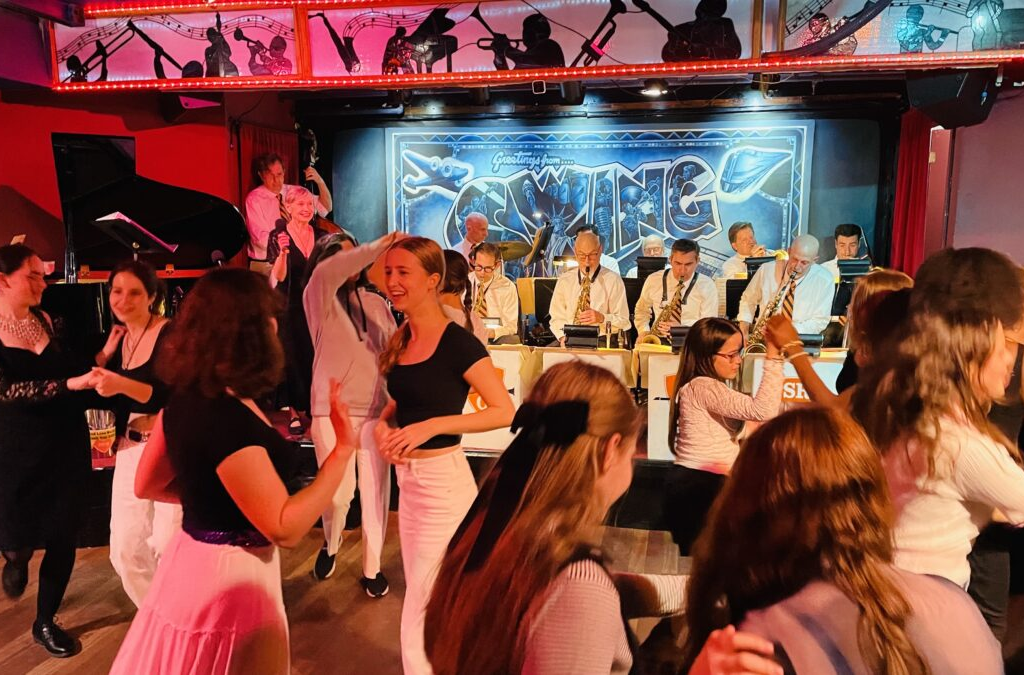
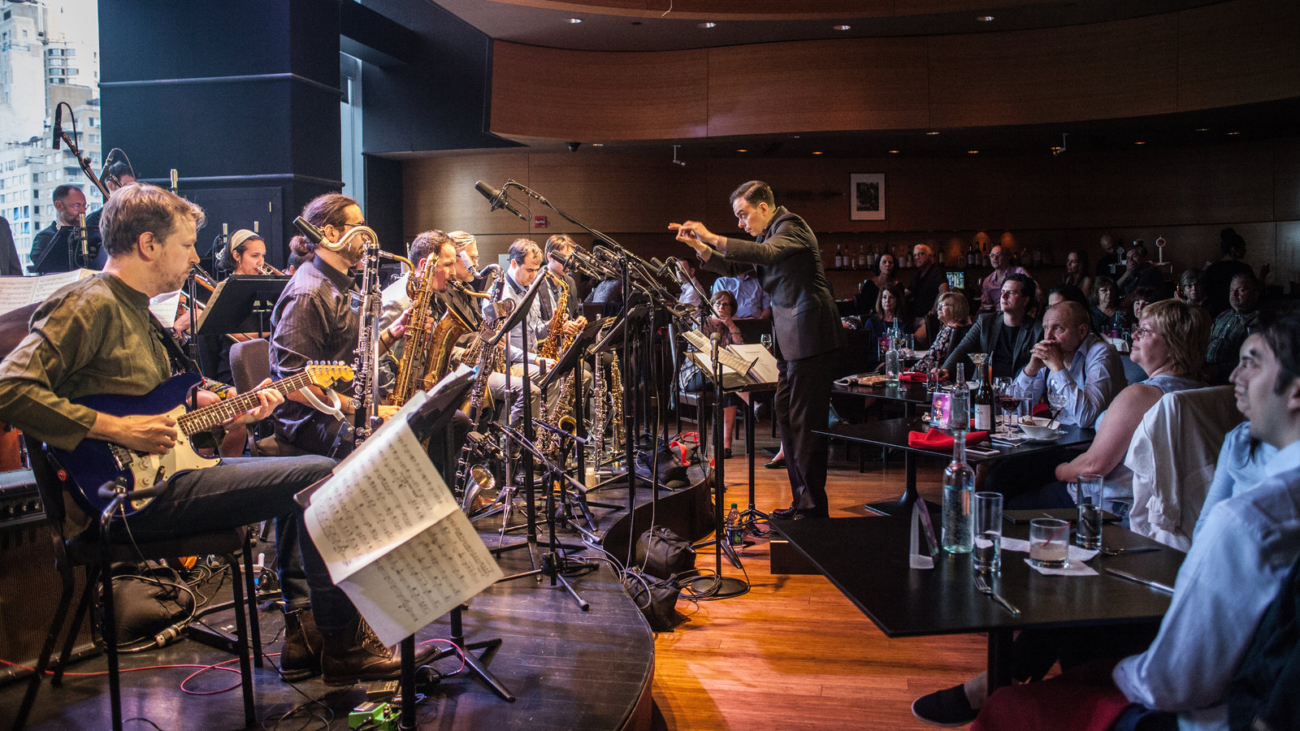
The Return of the Dance Floor: How Live Swing, Big Band Energy, and The Improv Café Are Driving a New Era of Movement and Music. There is a moment—just before the band hits full stride—when the room shifts. The horns rise, the rhythm locks in, and suddenly the floor is no longer a floor. It becomes a living, moving current of bodies in motion, responding in real time to something bigger than themselves. That moment, once synonymous with ballrooms of the 1930s and 40s, is happening again across New Jersey and Philadelphia, and it is being amplified every single week through The Improv Café Radio Station—a broadcast space where live jazz, live big band, and live swing are not curated nostalgia, but a present-tense experience.

At the center of that experience is tonight’s Swing with the Big Bands Radio Show, a Friday night ritual that continues to define what this station does best. This is not passive listening. It is a call to move, to respond, to reconnect with the pulse of live performance. Every track is pulled from real stages, real rooms, real audiences—capturing the immediacy that defines swing at its highest level. When the show begins, it does not simply play music; it recreates the conditions that made swing a cultural force in the first place.

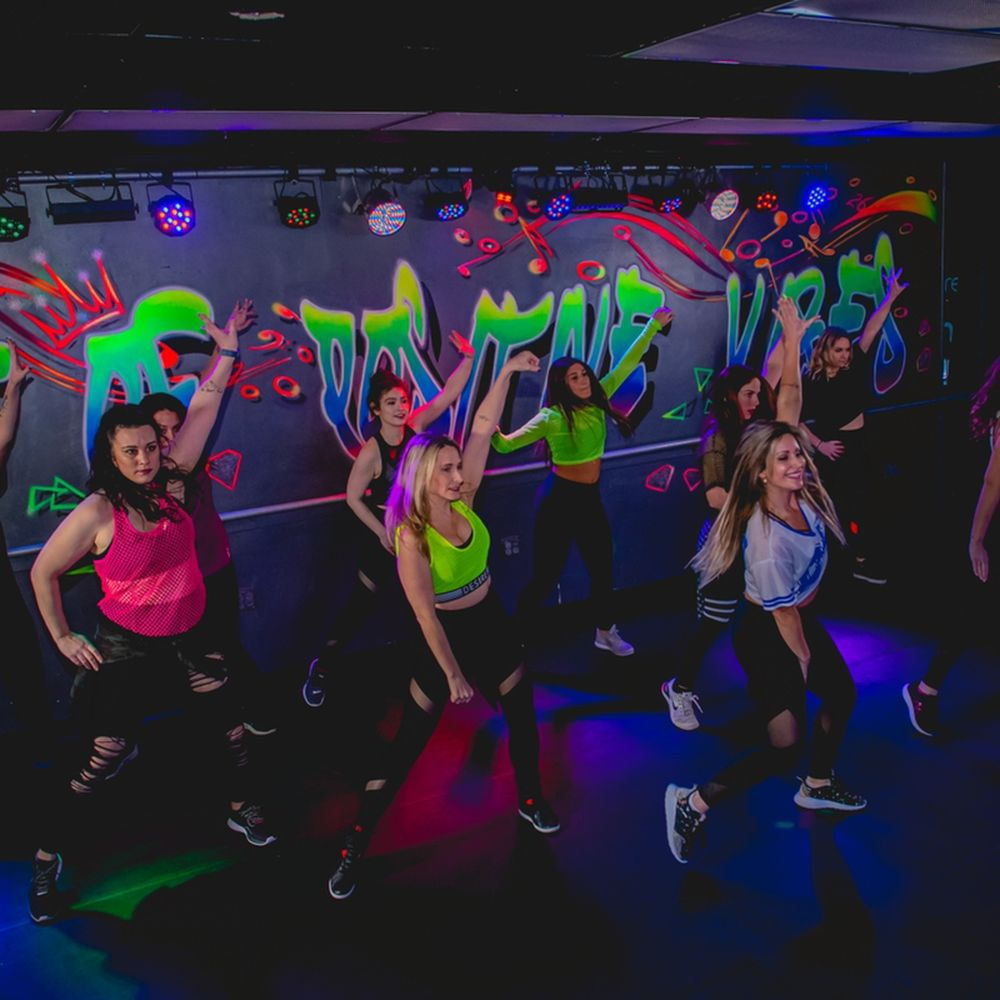
That resurgence is not confined to the airwaves. Across the region, the dance floor is back in motion, and it is being driven by a network of venues, instructors, and communities that are rebuilding swing culture from the ground up. What makes this moment particularly compelling is its accessibility. You do not need years of training, a partner, or even prior experience. You only need the willingness to step into the rhythm.

In Madison, New Jersey, a growing swing community continues to gather for structured evenings that blend instruction with live energy. Events are designed to eliminate barriers, beginning with professional lessons that guide newcomers through the fundamentals before opening the floor to social dancing. The upcoming anniversary celebration featuring a full big band underscores how these gatherings are evolving—no longer niche events, but full-scale experiences that mirror the energy of historic swing nights.

Jersey City has emerged as another focal point, where dance studios are offering consistent programming that bridges traditional and modern swing styles. From foundational East Coast Swing to the more fluid dynamics of West Coast Swing, the city’s schedule reflects a demand for both structure and improvisation. These classes are not isolated sessions; they are entry points into a larger ecosystem where dancers continue to refine their movement through repetition, community, and exposure to live music.

Further south, Princeton’s swing community maintains a strong academic and cultural presence, with open-access lessons that invite participants from across the region. The absence of prerequisites—no partner required, no prior experience expected—creates an environment where the emphasis is placed entirely on participation. It is a model that aligns perfectly with the ethos of swing itself: inclusive, adaptive, and driven by interaction.

New Providence and surrounding areas continue to expand the scope even further, integrating Latin influences and advanced techniques into their programming. This blending of styles reflects a broader evolution within swing culture, where traditional forms are preserved while new interpretations are encouraged. The result is a dance scene that feels both rooted and progressive, capable of attracting a wide range of participants.

Statewide networks dedicated to West Coast Swing have also gained momentum, offering structured calendars that connect dancers across multiple venues. Workshops, weekend intensives, and rotating events ensure that the community remains active and interconnected. This level of organization is critical, as it transforms individual events into a sustained movement.

Philadelphia’s scene adds another dimension, with weekly gatherings that combine instruction, live music, and extended social dancing. In Rittenhouse Square and beyond, Thursday nights have become a cornerstone for Lindy Hop and swing enthusiasts, with lessons leading directly into hours of open dancing. These events capture the essence of swing as a social form—music and movement intertwined in a shared space.

Organizations dedicated to preserving authentic swing-era dance continue to play a vital role, offering progressive series that focus on technique, history, and stylistic accuracy. At the same time, beginner-focused programs ensure that new participants can enter the scene without intimidation. This balance between preservation and accessibility is what allows the culture to grow without losing its identity.

Signature events and outdoor programming further expand the reach of swing. Large-scale dance parties in urban parks bring live music and instruction into public spaces, creating opportunities for spontaneous participation. These gatherings echo the origins of swing as a communal experience, where the boundaries between performer and audience are fluid.

Back in New Jersey, milestone celebrations from long-standing dance organizations highlight the longevity of the scene. Anniversaries are not just commemorations—they are proof that swing has maintained a continuous presence, even as its visibility fluctuated over time. What is happening now is not a reinvention, but a reemergence.

Within this broader landscape, The Improv Café Radio Station serves as both anchor and amplifier. By committing exclusively to live recordings, the station preserves the authenticity that defines swing and big band music. Every broadcast captures the nuances that are often lost in studio production—the slight variations in tempo, the interplay between sections, the audible reaction of a live audience. These elements are not imperfections; they are the essence of the form.

Swing with the Big Bands Radio Show brings all of this into focus. The program is structured to move through eras and styles while maintaining a consistent throughline: the power of live performance. Legendary bandleaders, iconic vocalists, and lesser-known ensembles all share space within the broadcast, creating a listening experience that is both comprehensive and immediate.

What makes tonight’s show particularly relevant is its connection to the physical spaces where this music is once again being danced. The same rhythms driving dancers in Madison, Jersey City, Princeton, and Philadelphia are the rhythms being broadcast in real time. The radio becomes an extension of the dance floor, and the dance floor becomes a reflection of the music.

This convergence is what defines the current moment. Swing is not being preserved in isolation—it is being lived. It exists in studios, in community centers, in outdoor events, and in the curated broadcasts of The Improv Café. Each element reinforces the others, creating a cycle of engagement that continues to expand.

As Friday night arrives, the invitation is immediate and unmistakable. Turn on Swing with the Big Bands Radio Show, let the music take hold, and understand that what you are hearing is not a recreation—it is a continuation. The same energy that once filled ballrooms is present, alive, and accessible.

The dance floor is no longer confined to a single space. It is wherever the music is heard, wherever the rhythm is felt, and wherever someone is willing to move. At The Improv Café, that movement begins the moment the broadcast goes live, carrying forward a tradition that remains as vital and compelling as ever.

For swing and big band dancing, you have several excellent options in the New Jersey and Philadelphia areas. Many of these venues offer dedicated beginner lessons immediately before their social dances, making it easy to jump in even without a partner.

New Jersey Swing Dance Classes & Lessons

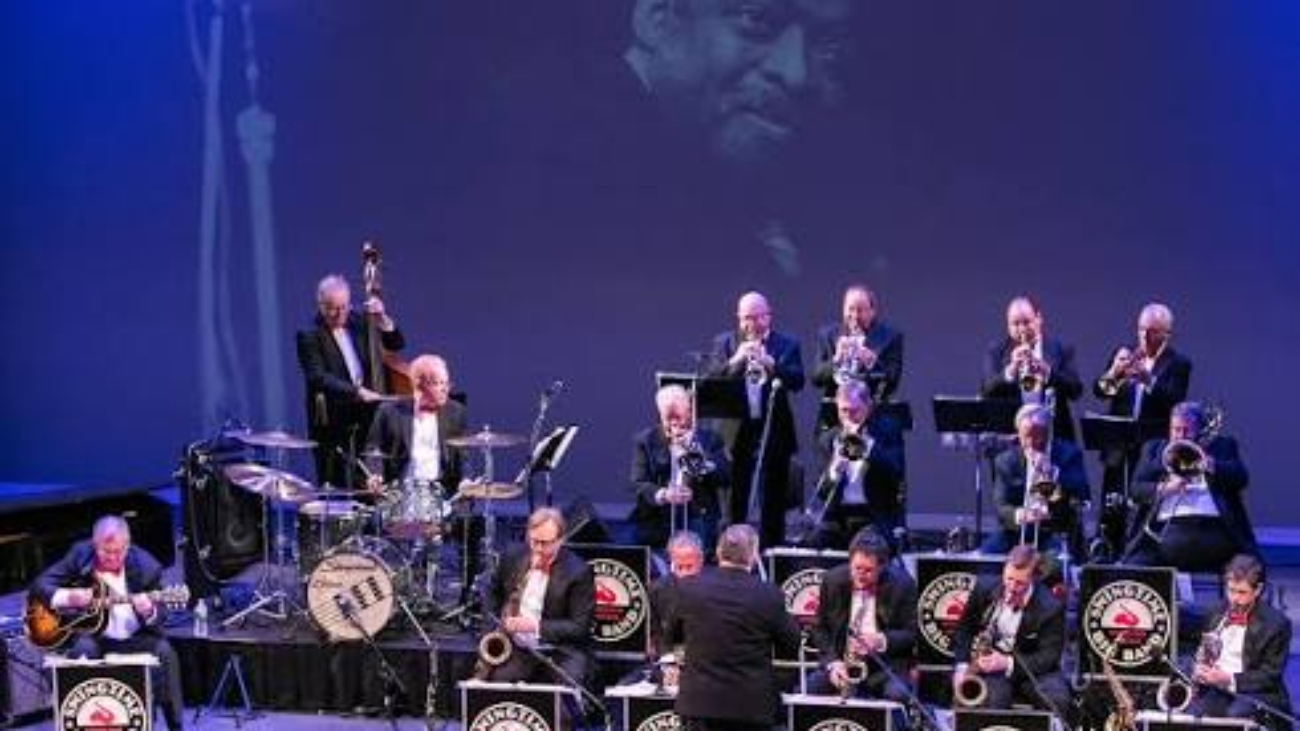
  • Let’s Swing NJ (Madison, NJ): This non-profit hosts regular dances at the Madison Community House. Every event begins with a professional lesson, and they have an Anniversary Celebration with the Swingadelic Big Band on May 9, 2026.
  • Jersey City Ballroom (Jersey City, NJ): Offers a variety of group classes including Smooth/Swing Fundamentals on Saturdays at 11:30 AM and West Coast Swing on Wednesdays at 8:30 PM.
  • Princeton University Swing Club (Princeton, NJ): Their lessons are open to the public at the Frist Campus Center. They typically offer All-Levels East Coast Swing lessons on Thursday nights, which are beginner-friendly and do not require a partner.
  • Swing Dance Plus (New Providence, NJ): Specializes in all types of swing and Latin dance, offering expert lessons and regular parties.
  • Jersey Westies (Statewide): A great resource for West Coast Swing, providing a detailed calendar of workshops and programs across the state, such as sessions at Starlight Dance Center and Le Pari.

Philadelphia Swing Dance Scene

  • Jazz Attack (Rittenhouse Square): Holds Lindy Hop & Swing classes every Thursday at the Philadelphia Ethical Society. Lessons run from 8:00–9:00 PM followed by social dancing until 11:00 PM.
  • Ragtag Empire (Philadelphia): A dedicated swing and jazz organization that offers progressive Lindy Hop series and workshops focused on authentic swing-era dancing.
  • Society Hill Dance Academy (Philadelphia): Offers a 6-week Swing for Beginners course that covers the basics of Lindy Hop and East Coast Swing.
  • University City Swing (West Philadelphia): Hosted at St. Mary’s at UPenn, they offer West Coast Swing lessons every Wednesday night, and your first visit is free. 

Free Outdoor & Signature Workshops

  • Bryant Park Dance Party (NYC): The 12th season returns this spring! You can catch a Swing Dance & Rock ‘n’ Roll night with expert instructors on May 7, 2026. Lessons start at 6:00 PM, followed by live music at 7:00 PM.
  • Central Jersey Dance Society (Princeton): Celebrating their 25th Anniversary on April 18, 2026, with a night of varied dancing including swing. 

There is a certain electricity that only live swing can generate—the kind that doesn’t just fill a room, but transforms it. In 2026, that energy is not confined to ballrooms or historic bandstands. It is moving through airwaves, across stages, and into a renewed cultural moment where big band jazz is once again commanding attention. At the center of that revival is The Improv Café Radio Station, a destination built on a singular promise: every note you hear is live, every performance is real, and every broadcast captures the unfiltered essence of jazz, big band, swing, and vocal tradition as it was meant to be experienced.

Friday nights have become the heartbeat of that mission with the station’s signature program, Swing with the Big Bands Radio Show. This is not background music. It is an immersive, high-impact listening experience that draws directly from legendary live recordings—performances that defined eras, shaped movements, and continue to influence musicians today. When the show goes live, it invites listeners to step into the pulse of history, where brass sections explode with precision, rhythm sections drive relentless momentum, and vocalists command the stage with presence and personality that cannot be replicated in a studio environment.

What makes this moment particularly significant is the broader resurgence happening around the genre. Across the New York and New Jersey region, big band and swing are not simply surviving—they are thriving. The current landscape is marked by a dynamic blend of heritage and reinvention, where traditional arrangements coexist with modern interpretations, and where audiences are rediscovering the power of large ensemble jazz in both live and broadcast formats.

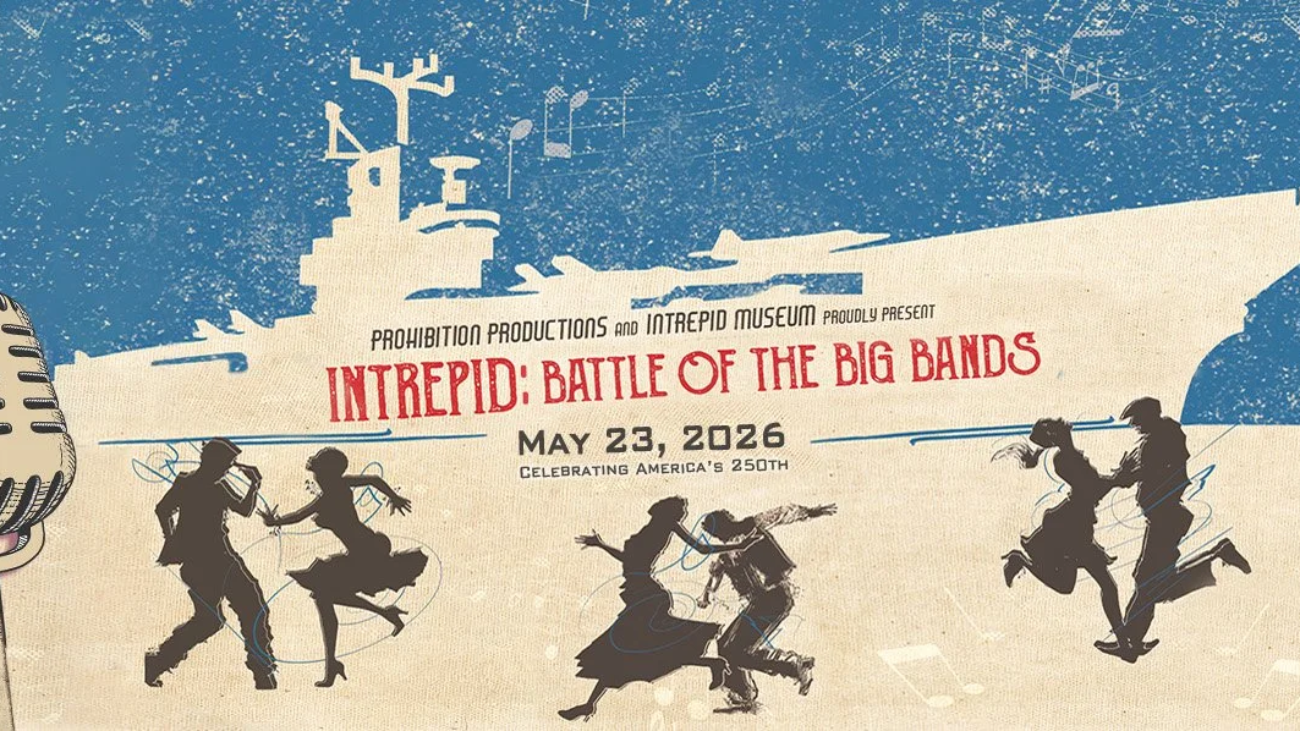
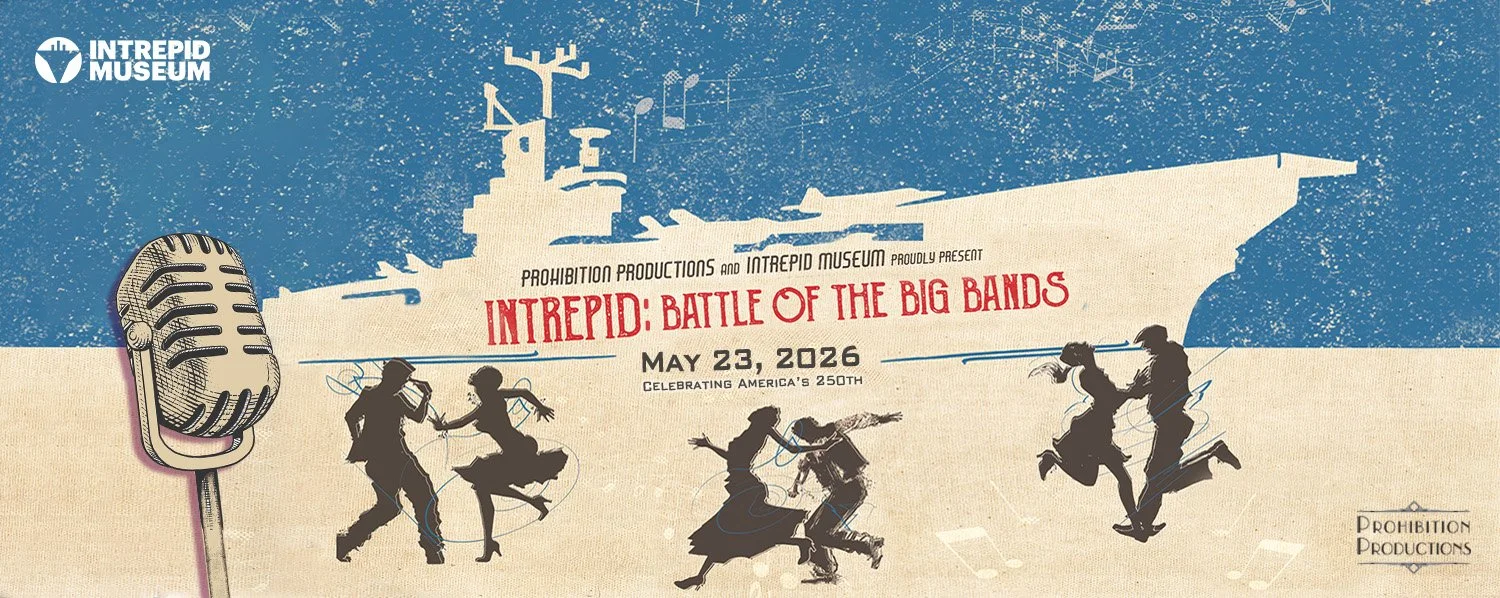
Major events are fueling that momentum. One of the most anticipated gatherings of the season, the Battle of the Big Bands, is set to take place aboard the historic Intrepid Museum, transforming a naval flight deck into a high-energy swing arena under the open sky. It is a setting that perfectly captures the scale and spectacle of the genre, where multiple ensembles compete not just in sound, but in showmanship, inviting audiences to engage directly through dance and movement.

That sense of immersion continues with the Gotham Jazz Festival, an all-day experience that brings together some of the most accomplished hot jazz and swing ensembles in the region. Events like this are redefining how audiences interact with jazz, shifting from passive listening to active participation. The emphasis is no longer just on performance—it is on experience, community, and the shared energy that only live music can generate.

Philadelphia’s Germantown Big Band Jazz Battle adds another layer to this regional resurgence, highlighting the competitive and collaborative spirit that has always defined the big band tradition. These events are not isolated—they are part of a broader network of performances and gatherings that collectively signal a renewed cultural appetite for swing.

At the institutional level, Lincoln Center’s summer programming continues to reinforce the genre’s relevance, with large-scale swing dance events and big band showcases that bring together world-class musicians and audiences from across the spectrum. These performances serve as both celebration and validation, confirming that big band jazz remains a vital and evolving art form.

Weekly residencies further anchor this movement. Venues like Birdland Jazz Club in New York maintain a consistent presence, offering audiences the opportunity to experience live big band performances on a regular basis. The Birdland Big Band’s ongoing Friday appearances have become a cornerstone of the scene, while other ensembles continue to push the boundaries of what big band music can be.

Closer to home, New Jersey’s own swing culture remains deeply rooted and actively engaged. Spaces dedicated to dance and live performance continue to host regular events, creating environments where the music is not only heard but physically felt. Educational institutions are also playing a role, with university jazz programs contributing to the next generation of performers who are carrying the tradition forward while introducing new ideas and influences.

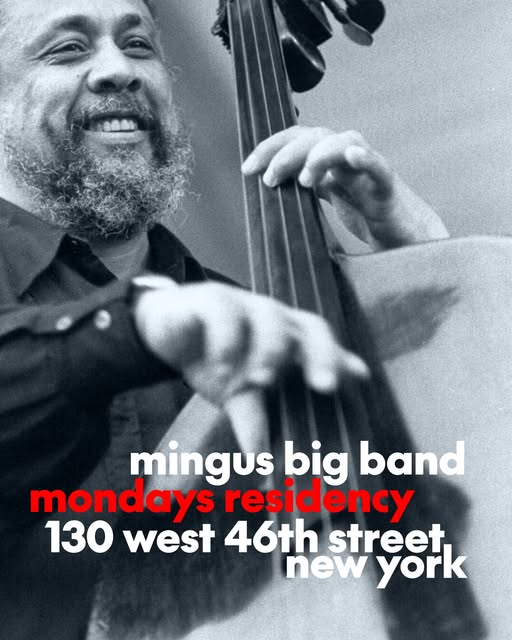
On a global scale, the genre’s reach continues to expand. Touring acts like the Mingus Big Band are bringing large ensemble jazz to international audiences, while groups rooted in the swing revival movement continue to blend traditional forms with contemporary elements. Even as the scene evolves, the core remains unchanged—the commitment to live performance, to spontaneity, and to the connection between musician and audience.

Within this broader context, The Improv Café Radio Station occupies a unique and essential position. By focusing exclusively on live recordings, the station preserves the authenticity that defines jazz at its highest level. There are no studio edits to smooth over imperfections, no artificial enhancements to shape the sound. What listeners hear is exactly what happened in the moment—the energy, the interaction, the risk, and the reward.

This commitment becomes especially powerful during Swing with the Big Bands Radio Show. Each broadcast is curated to reflect the depth and diversity of the genre, moving seamlessly between eras, styles, and ensembles. From the explosive precision of classic big band arrangements to the nuanced interplay of smaller swing groups, the show captures the full spectrum of what makes this music enduring.

There is also an element of discovery embedded within the program. While legendary performances remain a cornerstone, the show consistently introduces lesser-known recordings that reveal new dimensions of the genre. This balance ensures that the experience remains both familiar and fresh, appealing to longtime enthusiasts while inviting new listeners into the fold.

The cultural significance of this moment cannot be overstated. In an era dominated by digital production and algorithm-driven playlists, the return to live, unfiltered performance represents a shift in how audiences engage with music. There is a growing appreciation for authenticity, for the imperfections that make a performance human, and for the collective experience that defines live jazz.

For The Improv Café, this is not a trend—it is a foundation. The station’s identity is built on the belief that live music carries a weight and immediacy that cannot be replicated. Every broadcast reinforces that philosophy, creating a space where the past and present of jazz coexist in real time.

As Friday night approaches, the invitation is clear. Tune in to Swing with the Big Bands Radio Show and experience a form of music that continues to evolve while staying true to its roots. Let the horns lead, let the rhythm section drive, and let the music take over in a way that only live performance can deliver.

In 2026, swing is not a revival—it is a continuation. It is a living, breathing force that moves through venues, festivals, and airwaves alike. And at The Improv Café, it is happening live, exactly as it should be heard.

swing-01-cotton-club-harlem-new-york-city-1930-1300x731

The Cotton Club Legacy Lives On: From Harlem’s Historic Stage to Tonight’s “Swing with the Big Bands” on The Improv Cafe

On Friday nights, the sound of swing returns in full force across the airwaves of The Improv Cafe, the radio station devoted exclusively to the energy and authenticity of live performance. For listeners who crave the unmistakable excitement of Live Jazz, Live Big Band, and Live Swing, tonight’s broadcast of “Swing with the Big Bands” is more than a radio show—it is a journey through one of the most powerful musical movements ever created.

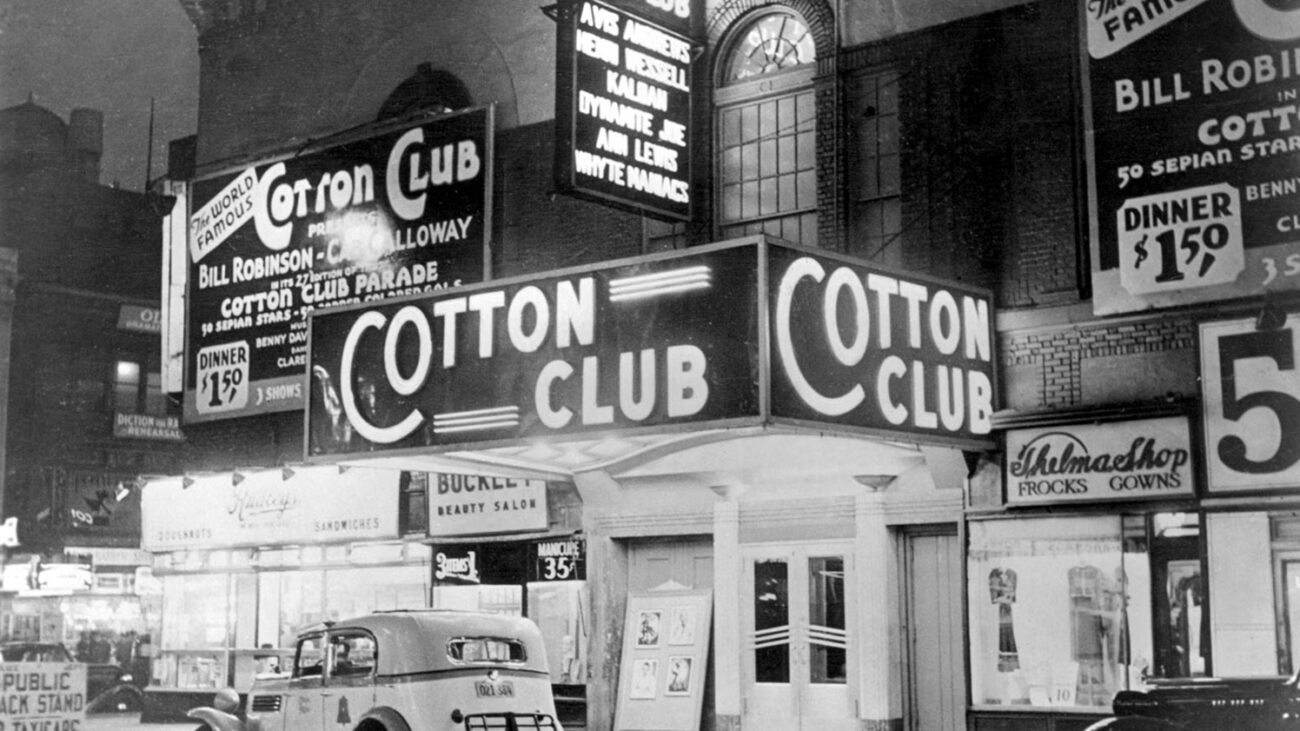
Few places represent that history more vividly than The Cotton Club, the legendary Harlem nightclub that helped define the sound, spectacle, and cultural influence of the big band era. The story of that venue—its complicated past, its extraordinary music, and its lasting impact on American culture—remains inseparable from the music that continues to inspire audiences today.

As listeners tune in tonight, they will hear echoes of that historic stage in every horn section, every piano run, and every thunderous swing rhythm that once electrified New York City during the height of the Harlem Renaissance.

Harlem, Jazz, and the Birth of a Musical Powerhouse

The Cotton Club stood at the center of Harlem’s cultural explosion during the early twentieth century. Located on 142nd Street and Lenox Avenue, the venue quickly became one of the most talked-about nightclubs in America.

Originally opened in 1920 as Club DeLuxe, the venue was founded by Jack Johnson, the groundbreaking heavyweight boxing champion who became a cultural icon in his own right. The club would soon undergo a transformation that would cement its place in entertainment history.

In 1923, the club was taken over by Owney Madden, a notorious New York mob figure who transformed the venue into a lavish speakeasy during the Prohibition era. Madden renamed the club The Cotton Club, turning it into a glamorous destination for wealthy socialites, celebrities, and tourists who were eager to experience Harlem nightlife.

Yet the club existed within a deeply contradictory social reality. While it showcased extraordinary Black musicians, dancers, and entertainers, the audience itself remained exclusively white, reflecting the racial segregation that defined the era.

Despite that exclusionary structure, the music created inside the Cotton Club would help reshape American entertainment forever.

The Cotton Club Sound That Changed Music

The Cotton Club quickly evolved into one of the most influential musical venues in the country. The stage became a proving ground for some of the greatest performers in jazz history.

One of the most significant figures to emerge from the club was Duke Ellington, who led the Cotton Club’s house band beginning in 1927. Ellington’s orchestra delivered nightly performances that combined sophisticated arrangements with the improvisational brilliance that defined early jazz.

His residency at the club helped transform him from a rising bandleader into a national star.

Weekly live broadcasts from the Cotton Club were transmitted over radio station WHN, bringing the energy of Harlem nightlife into living rooms across the United States. For many Americans, those broadcasts served as their first exposure to the electrifying sound of big band jazz.

The club’s stage would also host an extraordinary lineup of performers whose influence continues to resonate today:

  • Cab Calloway, whose flamboyant stage presence and infectious swing rhythms captivated audiences nationwide
  • Louis Armstrong, whose trumpet playing helped redefine the boundaries of jazz performance
  • Ethel Waters, whose powerful voice bridged blues, jazz, and popular music
  • Lena Horne, who later became one of the most iconic performers of the twentieth century
  • Bill “Bojangles” Robinson, whose dance innovations helped shape the future of tap performance

The Cotton Club became a launchpad for these artists, amplifying their music through live radio broadcasts and transforming them into household names.

The Radio Era That Spread Swing Across America

The Cotton Club’s national radio broadcasts were revolutionary. At a time when radio was rapidly becoming the dominant form of home entertainment, live performances from Harlem clubs gave millions of listeners a front-row seat to the jazz revolution.

These broadcasts allowed the big band sound to travel far beyond New York City. Audiences across the country were suddenly hearing the driving rhythms, bold brass arrangements, and improvisational brilliance that defined swing.

In many ways, those broadcasts were the predecessors of what The Improv Cafe continues to do today.

By focusing exclusively on live jazz and big band recordings, the station recreates the same immersive musical experience that radio audiences first encountered nearly a century ago.

Listeners aren’t just hearing music—they are stepping into the atmosphere of legendary performance halls where the music was born.

A Complicated Legacy

While the Cotton Club’s musical influence remains undeniable, its social history is equally important to understand.

The club’s décor and stage productions often reflected stereotypical “plantation” themes designed to appeal to white audiences who traveled uptown for what was sometimes described as “slumming.” Performers were frequently required to wear costumes that reinforced racist caricatures of Black culture.

Despite these injustices, the musicians themselves transformed the stage into a place of artistic brilliance.

The music they created transcended the limitations placed upon them, ultimately reshaping American culture and paving the way for future generations of artists.

Their talent and creativity turned the Cotton Club into a symbol of both the struggles and triumphs of the Harlem Renaissance.

The Cotton Club’s Closing Years

The original Harlem location of the Cotton Club closed following the Harlem race riots of 1935, marking the end of one chapter in the venue’s history.

The club briefly reopened in Midtown Manhattan at Broadway and 48th Street in 1936, attempting to recapture its earlier success. However, changing musical tastes and mounting legal issues—including investigations into tax evasion—eventually forced the venue to close permanently in 1940.

By that time, swing music had already spread across the nation, carried by radio broadcasts, touring orchestras, and the growing popularity of big band dance halls.

The Cotton Club itself may have faded, but the music it helped elevate had already become part of the American cultural foundation.

The Modern Cotton Club in Harlem

Today, a venue carrying the Cotton Club name operates on West 125th Street in Harlem.

While it is not the same organization as the original segregated nightclub, the modern venue celebrates Harlem’s musical heritage by hosting live jazz and gospel performances that continue the neighborhood’s historic tradition of live music.

Visitors in recent months have reported that the club still features outstanding musicians who keep the spirit of Harlem jazz alive.

In many ways, that ongoing commitment to live performance reflects the same philosophy embraced by The Improv Cafe.

Music is most powerful when experienced live.

The spontaneity.
The improvisation.
The raw energy of musicians responding to each other in real time.

Those elements define both the golden era of big band jazz and the programming that listeners enjoy on The Improv Cafe today.

Tonight on The Improv Cafe: Swing with the Big Bands

That brings us to tonight’s highly anticipated broadcast.

Every Friday evening, “Swing with the Big Bands” brings together legendary live recordings from the greatest big band artists in history. The show captures the exhilaration of swing music in its purest form, allowing listeners to hear the music exactly as audiences experienced it decades ago.

Expect powerful horn sections, driving rhythms, and unforgettable solos from some of the most celebrated orchestras ever assembled.

From the golden age of jazz ballrooms to historic radio broadcasts and live concert recordings, the program explores the performances that defined the swing era.

It’s a chance to hear the kind of music that once filled legendary venues like the Cotton Club—and to experience it with the same excitement that audiences felt when those bands first took the stage.

So if you’re looking for something special on a Friday night, tune in and let the music carry you back to a time when swing ruled the dance floor.

Turn up the volume.
Clear some space to dance.
Let the brass section lead the way.

Because when the big bands start swinging on The Improv Cafe, the spirit of jazz history comes roaring back to life.

6d805f6f6351a496d2af65030b29c21a

Live Jazz Everywhere You Look—and Only Live Jazz on Our Airwaves—Swing With Big bands Tonight on The Improv Cafe’

As January 2026 rolls forward, the global jazz scene is anything but quiet. From packed clubs and marathon festival sets to international celebrations already on the calendar, the music is thriving—and at The Improv Café Radio, we remain fully locked into the heartbeat of it all. As always, our station plays only live jazz, big band, swing, and vocal jazz. Every track you hear is a live performance—no studio cuts, no exceptions—because jazz, at its core, is meant to be experienced in the moment.

That philosophy feels especially fitting right now, as major jazz hubs across the country and around the world are alive with energy.

Jazz Festivals Setting the Winter Pace

New York City’s Winter Jazzfest is closing out its ambitious, month-long “Still We Rise” season, a sprawling celebration that turned Manhattan and Brooklyn into nightly destinations for adventurous listeners. Marathon performances, late-night improvisation, and boundary-pushing collaborations reminded everyone why New York remains a global epicenter for live jazz culture.

Out west, the Tucson Jazz Festival continues through January 24, welcoming a diverse lineup that bridges modern groove and classic sophistication. Performers like Cory Wong, Dee Dee Bridgewater, and Bill Charlap are delivering sets that feel as much like celebrations as concerts—exactly the kind of performances that define today’s live jazz revival.

Later this month, jazz quite literally takes to the seas with The Jazz Cruise ’26, setting sail from Fort Lauderdale on January 27. With icons like Ron Carter, Emmet Cohen, and Paquito D’Rivera on board, it’s a floating reminder that live jazz has no boundaries—not geographic, not stylistic, and certainly not creative.

Looking further ahead, anticipation is already building for International Jazz Day 2026 on April 30. Chicago has been announced as the Global Host City, and official countdowns are underway for what promises to be a worldwide celebration of the music’s past, present, and future.

Clubs Where the Music Is Happening Right Now

Beyond the festivals, legendary clubs are continuing their tradition of presenting unforgettable live performances.

At New York’s iconic Blue Note, drummer Antonio Sánchez is in the middle of a powerful weekend run through January 24, followed by a GroundUP Music Showcase on January 25—proof that rhythm-forward jazz remains as compelling as ever.

Uptown at Smoke Jazz & Supper Club, pianist Cyrus Chestnut is taking the stage tonight, January 23, delivering the kind of soulful, swinging performance that reminds listeners why live piano jazz resonates so deeply.

On the West Coast, Yoshi’s continues to blur genre lines, recently hosting hip-hop legends DJ Quik and Spice 1 backed by live bands—another example of how jazz remains a living, evolving art form.

Meanwhile, beneath The Roxy Hotel at The Django, upcoming dates include the Gabriel Guerrero Trio on January 27 and the Michael Blake Quartet on January 31, offering intimate, late-night sessions that echo the golden age of underground jazz rooms.

Honoring the Legends We’ve Lost

This season also carries moments of reflection. The jazz world continues to mourn the loss of drummer Jack DeJohnette, who passed away in October 2025 at age 83. A true innovator, his influence on modern jazz rhythm is immeasurable. More recently, beloved American Songbook vocalist Rebecca Kilgore passed on January 20, 2026, leaving behind a legacy of warmth, elegance, and timeless swing. Their live recordings continue to inspire—and you’ll hear them honored on our airwaves.

A Global Jazz Year Ahead

The 2026 international festival calendar is already shaping up to be extraordinary. Montreux Jazz Festival Miami arrives February 27 through March 1 with Jon Batiste and Nile Rodgers headlining. The Montreal International Jazz Festival follows June 25 through July 4, featuring Diana Krall and Melody Gardot, while the Seoul Jazz Festival takes place May 22–24, underscoring jazz’s truly global reach.

Tonight on The Improv Café Radio: Swing With the Big Bands

If you’re looking for something special to kick off your Friday night, we’ve got you covered. Tonight, tune in to our “Swing With the Big Bands” radio show, where we spin legendary live performances from the greatest big band artists in history. Expect explosive brass sections, driving rhythm, and the kind of swing that makes it impossible to sit still.

As always, every song played is a live recording—authentic big band energy captured exactly as it happened. Whether you’re dancing in your living room, bopping along in the car, or just letting the music wash over you, it’s the perfect soundtrack for a Friday night.

At The Improv Café Radio, we don’t just play jazz—we preserve its spirit. Live. Always.

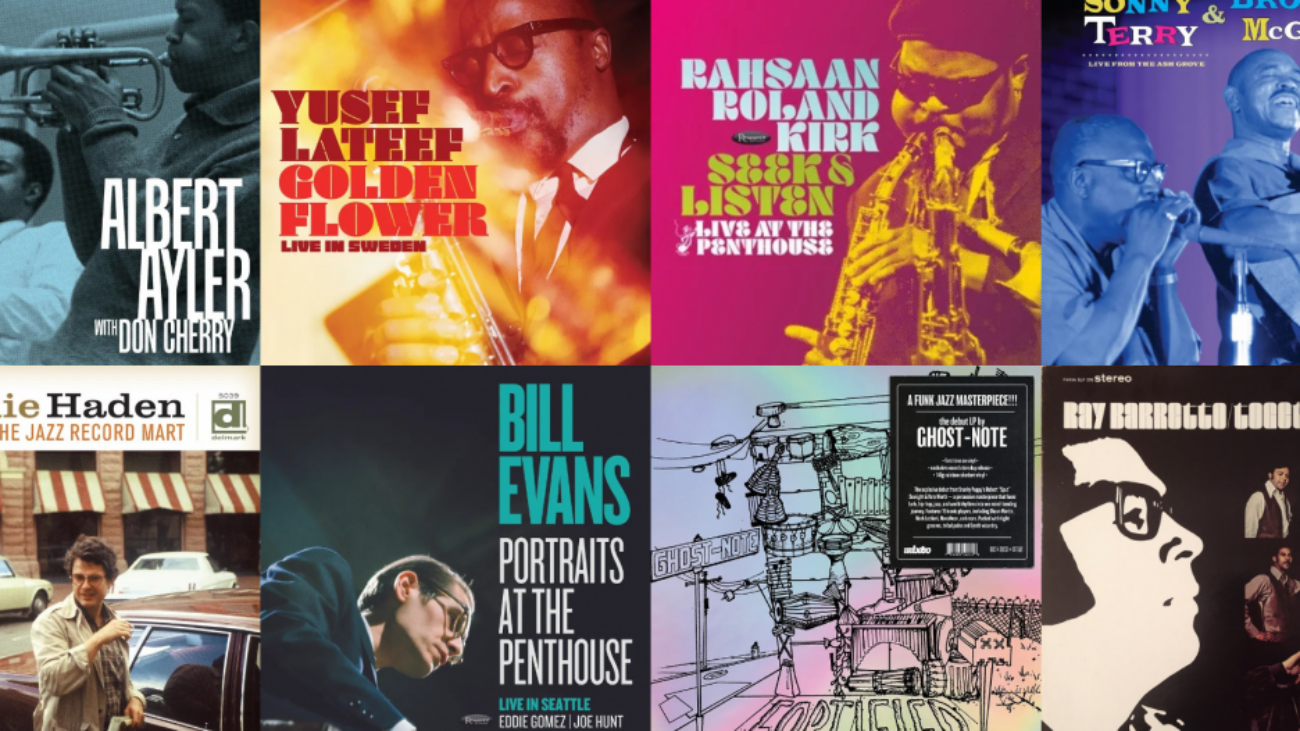
For high-energy Live Swing and Big Band recordings that capture the authentic atmosphere of a concert hall or jazz club, these essential albums are widely regarded as the best examples of the genre in a live setting, tuner in tonight on Swing With Big Bands.

Legendary Concert Recordings 

These albums are famous for revitalizing the careers of bandleaders or setting the gold standard for live jazz performance.

  • Duke EllingtonEllington at Newport(1956)
    • This is arguably the most famous live big band recording in history.
    • The centerpiece is a 27-chorus tenor sax solo by Paul Gonsalves on “Diminuendo and Crescendo in Blue” that nearly caused a riot and single-handedly revitalized Ellington’s career.
  • Benny GoodmanThe Famous 1938 Carnegie Hall Jazz Concert
    • Recorded on January 16, 1938, this was the first time jazz was presented as a serious art form at Carnegie Hall.
    • It features the definitive, high-energy live version of “Sing, Sing, Sing (With a Swing)”.
  • Frank Sinatra & Count BasieSinatra at the Sands(1966)
    • Captured at the Sands Hotel in Las Vegas, this album features the Count Basie Orchestra conducted by Quincy Jones.
    • Sinatra is at his peak here, backed by one of the hardest-swinging big bands ever recorded. 

Hard-Swinging Club & Broadcast Sets

These recordings offer a more intimate but equally powerful “live” feel, often captured in nightclubs or via radio broadcasts. 

  • Count BasieBreakfast Dance and Barbecue(1959)
    • Recorded live at a 2:00 AM DJ convention in Miami, this album captures the “Atomic” era Basie band in a loose, high-energy late-night setting.
  • Count BasieLive in Berlin 1963
    • An original master concert recording from the Sportpalast Berlin, featuring the classic Basie rhythm section and innovations like “split” tenor saxophones.
  • Thad Jones & Mel Lewis Jazz OrchestraAll My Yesterdays: The Debut 1966 Recordings at the Village Vanguard
    • This album documents the birth of one of the most influential modern big bands.
    • The recording captures their first Monday night at the Village Vanguard, showcasing a modern, inventive, yet hard-swinging style.
  • Buddy RichBig Swing Face(1967)
    • Recorded live at The Chez in Hollywood, this album showcases the incredible power and speed of the Buddy Rich Big Band. 

Essential Live Big Band List

Artist / Band Album TitleNotable Detail
Duke EllingtonThe Great Paris ConcertRecorded live in 1963; captures a sophisticated, swinging European tour set.
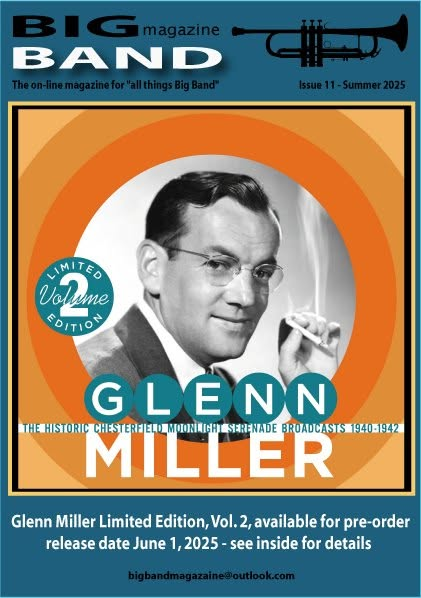
Glenn MillerLive From the Cafe Rouge 1940Authentic radio broadcasts capturing the height of Miller’s popularity.
Illinois JacquetBig Band Live in Berlin 1987A later recording of a master saxophonist leading a powerhouse “classic style” band.
World’s Greatest Jazz BandIn Concert at Carnegie HallFeatures Maxine Sullivan and Bobby Hackett in a classic swinging revival.
GRP All-Star Big BandGRP All-Star Big Band Live!A 1993 recording featuring modern jazz greats playing swing standards with massive energy.
swing-01-cotton-club-harlem-new-york-city-1930

Tonight on The Improv Cafe is Swing with the Big Bands Radio Show

Looking for an unforgettable Friday night vibe? The Improv Cafe invites you to tune into Swing with the Big Bands, where every song played is a live version—pure, unfiltered, and bursting with the energy of legendary jazz, swing, and big band performances. From the soaring horns to the snapping rhythm section, you’ll hear the music exactly as it was performed on stage, capturing the magic of an era when swing ruled the dance floors. Tonight, let the sounds of Benny Goodman, Glenn Miller, Duke Ellington, and more transport you to a golden age of American music.


Swing and Big Bands: More Than Music

Swing and big band clubs were pivotal in 1930s and 1940s America, shaping not only music but also social culture. These venues were much more than places to dance—they were vital social spaces that offered escape, uplifted spirits, and fostered integration in a segregated society.

Escapism and Morale: During the Great Depression, the upbeat rhythms of swing provided Americans with relief from economic hardships. The Lindy Hop, Jitterbug, and other dances brought energy and joy to crowded dance halls. During World War II, big bands like the Glenn Miller Orchestra performed for troops overseas through USO shows and V-Discs, spreading morale across battlefields and home front alike.

A Unifying Force: Swing music’s infectious energy transcended social and economic divides. People from different backgrounds came together to enjoy live music, connect through dance, and experience shared joy. The vibrant energy of these performances—captured today on The Improv Cafe—reminds us why swing music remains timeless.

Challenging Racial Segregation: While society struggled with segregation, swing music became a subtle yet powerful tool for social progress. Integrated bands challenged norms: Benny Goodman hired Black musicians like Teddy Wilson and Lionel Hampton, while Artie Shaw featured Billie Holiday. These live performances weren’t just entertainment—they were statements, blending artistry with social change.

Economic Impact: Big bands created new opportunities for musicians, arrangers, and vocalists during times of widespread unemployment. Swing music not only energized audiences but also provided livelihoods for hundreds of artists, reinforcing its role as both cultural and economic force.


Legendary Clubs and Their Stories

The history of swing is inseparable from the venues that nurtured it:

Savoy Ballroom – Dubbed the “Home of Happy Feet,” the Savoy in Harlem was famous for its racial integration. Patrons danced the Lindy Hop and Jitterbug to live performances from top bands, with the music spilling onto the streets during sweltering summers. The ballroom even employed two bands simultaneously, ensuring the music never stopped.

Cotton Club – While the audience was largely restricted to whites, the club showcased legendary Black performers such as Duke Ellington, highlighting the complex racial dynamics of the era where live music could cross boundaries even if social norms could not.

The Palomar Ballroom – The Palomar in Los Angeles is often cited as the birthplace of the Swing Era. In August 1935, Benny Goodman’s “hot” swing captivated an enthusiastic young crowd, changing the course of American music history. Tragically, the ballroom burned down in 1939, immortalized in Charlie Barnet’s song “All Burned Up”.

Roseland Ballroom – An elegant dance hall in New York City, the Roseland hosted top-tier bands and dancers, inspiring the design of later venues like the Savoy. Its live performances defined the sophistication and rhythm of swing music, primarily serving white audiences but leaving a lasting legacy of big band excellence.


Tune in Tonight: Swing with the Big Bands

Friday nights come alive on The Improv Cafe with Swing with the Big Bands. Every performance featured is live, capturing the authenticity, improvisation, and high-energy interaction that defined the swing era. From legendary horn sections to smooth vocal jazz, every song is played as it was meant to be heard—live, vibrant, and unforgettable.

Whether you’re an aficionado of jazz history, a dancer looking to swing, or simply someone who loves the sound of live big band and vocal jazz, tonight’s show delivers it all. Let the music take over, and feel the energy that once lifted an entire nation.


Tune in to The Improv Cafe tonight and dance, bop, and swing with the giants of jazz and big band music. Remember—on The Improv Cafe, every song played is the live version, always.

image

The Improv Café is Where Every Note Is Live and the Friday Night Dance Party Always Swings

There’s something magical about live jazz — that electric moment when the horns hit, the rhythm section locks in, and the vocalist’s voice fills the room with warmth and soul. At The Improv Café, we live for those moments. In fact, we only play them. That’s right — every song you hear on The Improv Café is a live performance, straight from the world’s most iconic jazz clubs, concert halls, and festival stages.

From Big Band powerhouses to Swing, Vocal Jazz, and the most intimate live jazz sessions, The Improv Café is the world’s first all-live jazz station. It’s the sound of real musicians, real audiences, and real emotion — every time you tune in.


🎺 Friday Nights: “Swing with the Big Bands” Radio Show

Looking for a little rhythm to kick off your weekend? Then Friday nights at The Improv Café are where you belong. Join us for “Swing with the Big Bands”, our weekly showcase of legendary live performances from the golden age of swing.

From Glenn Miller and Count Basie to Duke Ellington, Benny Goodman, and today’s torchbearers keeping the big band tradition alive, this show is your front-row ticket to the best of the best. Every track is a live performance — full of energy, crowd applause, and timeless swing.

So dust off your dancing shoes, clear some space in the living room, and get ready to dance, bop, and swing your way into the weekend with Swing with the Big Bands — tonight, only on The Improv Café.


🎙️ Signature Shows on The Improv Café

Every program on The Improv Café celebrates live music — no studio tricks, no overdubs, just pure onstage brilliance.

  • Singing with Swing – A celebration of Big Band and Vocal Jazz classics, spotlighting the voices that defined eras and inspired generations.
  • Live at the Village Vanguard – Experience the intimacy and atmosphere of one of New York’s most legendary jazz clubs with rare live sets recorded in-house.
  • Live at the Blue Note – The pulse of jazz, captured in the heart of Manhattan, with performances from global icons and groundbreaking new talent.

At The Improv Café, if it isn’t live — it doesn’t play.


🎵 Live Jazz News & Events

TD James Moody Jazz Festival – Newark, NJ | November 8–23, 2025

New Jersey’s largest jazz celebration returns to Newark this fall with an all-star lineup featuring Christian McBride & His Big Band, Stanley Clarke, Arturo Sandoval, and more. Expect nearly two weeks of world-class performances and special tributes to the state’s rich jazz heritage.

Autumn Exit Zero Jazz Festival – Cape May, NJ | November 7–9, 2025

Cape May transforms into a live jazz paradise as international touring artists take over multiple venues across this seaside town. A perfect weekend escape for jazz lovers who crave both great music and great views.

“Jersey Jazz Live!” – Madison Community Arts Center | November 2, 2025

An evening that spotlights local excellence and future stars alike. Don Braden, Mariel Bildsten, and other NJ legends share the stage with the 2025 New Jersey Jazz Society Scholarship winners — a true celebration of the state’s next generation of jazz talent.

Adi Yeshaya & Jennifer Grimm – Live at the Dakota | Late October / Early November 2025

Arranger and composer Adi Yeshaya brings his new album “Produce” to life alongside vocalist Jennifer Grimm in a live performance that fuses sophisticated arranging with soulful delivery.

Jazz at Lincoln Center – New York, NY | November 7–8, 2025

Saxophonist Alexa Tarantino unveils her fifth album, “The Roar and the Whisper,” while percussion master Cyro Baptista celebrates his 75th birthday with a concert featuring Trey Anastasio, Cassandra Wilson, and other surprise guests.


🥁 Live Big Band Highlights

  • The Jazz Crew Big Band – Catch them live at The Crab Tavern in Darby, Pennsylvania, on November 2, 2025.
  • Clef Club Radiance Community Big Band – A joyful Holiday Swing Concert on December 14, 2025, at the Philadelphia Clef Club of Jazz & Performing Arts.
  • Rodney Marsalis Philadelphia Big Brass – Their “A Very Brassy Christmas” show blends big band jazz with orchestral flair, live in Spring, Texas, on November 29, 2025.
  • Jason Lindner Big Band – Celebrating 30 years of innovation at The Jazz Gallery, November 12–15, 2025.

For more live music near you, Cherry Hill and Philadelphia venues like Chris’ Jazz Café, The Cunningham Piano Company, and The Black Squirrel Club host regular live jazz and big band performances throughout the season.


🎶 The Sound That Never Sleeps

At The Improv Café, jazz isn’t background music — it’s live history in motion. From the timeless swing of the 1930s to the soulful improvisations lighting up stages today, every performance tells a story that deserves to be heard as it happened.

Whether you’re tuning in for the sophisticated croon of a jazz vocalist, the thunder of a brass section, or the intimacy of a trio deep in the groove, The Improv Café brings it all to life — live, authentic, and unforgettable.

So pour yourself a drink, dim the lights, and turn up the dial.
The Improv Café — where every song is live, and every night swings.

🎧 Tonight: Don’t miss “Swing with the Big Bands” — only on The Improv Café, your home for Live Jazz, Big Band, Swing, and Vocal Jazz.

https___cdn.evbuc.com_images_485431969_238437766128_1_original

The Improv Café: Your Destination for Live Jazz and Big Band Magic

If you love jazz, swing, and big band music, The Improv Café is your ultimate live music destination. On this station, every song played is the live version, featuring the authentic energy of live jazz, big band, swing, and vocal jazz performances. From the first trumpet note to the last bass line, listeners experience the same vibrancy and spontaneity as if they were sitting front row in a historic jazz club.

Tonight, join us for the Swing with the Big Bands Radio Show, where the sounds of legendary big band artists come alive. Tune in, dance, bop, and swing to the rhythm as we spotlight unforgettable live performances from the icons of jazz history. Every Friday night, this show delivers a celebration of live music—perfect for both seasoned swing dancers and newcomers eager to feel the beat.

Upcoming Big Band and Live Swing Music Events

The world is alive with big band and swing music, offering both performances and festivals for fans across the globe. Here’s a snapshot of what’s coming up:

North America:

  • The Music of Glenn Miller, Quincy Jones, & Benny Goodman: October 26, 2025
  • Holiday Music of Frank Sinatra & Friends: November 30 & December 21, 2025
  • Liberty Swing Dance Championships, East Brunswick, NJ: Premier West Coast Swing event with workshops and competitions at the Hyatt Regency, New Brunswick
  • Clef Club Radiance Community Big Band, Philadelphia, PA: Holiday concert featuring classic swing, December 14, 2025
  • New Hampshire Jazz Orchestra: “Swingin’ to Victory” (November 9), Swing Dance Night Series (November 23), Holiday POPS (December 14)
  • Jazz at Lincoln Center, New York, NY: Jazz at Lincoln Center Orchestra with Wynton Marsalis performing Duke in Africa, mid-January 2026
  • The Big Band Sound, Poughkeepsie, NY: Regular live performances throughout the Hudson Valley

Europe:

  • BBC Big Band, Oxford, UK: Performing Simply Swing at the Oxford Festival of the Arts
  • Swing Craze Festival, Montesilvano, Italy: November 28–30, 2025, featuring top swing bands and competitions
  • 3rd Cyprus Swing Festival, Troodos, Cyprus: Live swing bands, workshops, and social dancing, November 28–30, 2025
  • Lindy Cats Festival, Graz, Austria: October 17–19, 2025, with workshops and live performances
  • 100 Club, London, UK: Denmark Street Big Band and swing DJs, October 27, 2025

Asia:

  • 2025 Jeju Swing Camp, Jeju Island, South Korea: October 24–26, celebrating 20 years of live swing music
  • Shanghai Lindy Festival, Shanghai, China: December 12–14, 2025
  • Cheek to Cheek Swing Festival, Taiwan: January 9–11, 2026

Australia:

  • The Postmodern Mixtape, Perth: Swing Shift Big Band and small group Split Shift performing modern jazz arrangements of 80s rock tunes and classic swing, October 24, 2025
  • Jazz on the Terrace, Port Macquarie: Jordan Jive Swing Band, November 2, 2025
  • Simply Adelaide West Coast Swing, Adelaide: November 6–9, 2025, featuring competitions and social dancing

Experience the Improv Café Difference

At The Improv Café, live jazz isn’t just heard—it’s felt. Our station is dedicated to preserving the energy and spontaneity of live performances, whether it’s the soaring trumpet solos of a big band, the sultry vocals of a jazz singer, or the infectious rhythm of swing dancers moving across the floor. Every broadcast, including tonight’s Swing with the Big Bands Radio Show, delivers the unmatched thrill of live jazz to your home, car, or mobile device.

Whether you’re tuning in to relive classic performances or discovering new live talent, The Improv Café is your front-row ticket to the best in jazz, big band, swing, and vocal jazz—every song played is live, always.

292446926_412514960893013_4244961502048919362_n-v2

The Improv Cafe: Experience Live Jazz, Big Band, and Swing Every Friday Night

For fans of authentic live jazz, big band, and swing, The Improv Cafe is your ultimate destination. Unlike other stations, we play only live recordings—every song is performed live, capturing the electric energy, the improvisational brilliance, and the infectious rhythm of the musicians and their audiences. Whether you’re a devoted jazz aficionado or a casual swing dancer, this is the station where vocal jazz, big bands, and swing come alive every Friday night.


Tonight on The Improv Cafe: Swing with the Big Bands

If you’re looking for a lively, toe-tapping start to your Friday evening, tune into our Swing with the Big Bands radio show. Each week, we bring you handpicked live recordings from the greatest big bands in history—performances that defined an era, shaped music for generations, and got everyone out of their seats dancing. Make sure to swing, bop, and dance along as we feature legendary bands and vocalists, all performed live with the raw energy that only a true concert setting can deliver.


The Roots of Big Band and Swing

The energy and excitement of the Swing Era weren’t just about the music—they were about movement, community, and cultural transformation. Big bands evolved from early jazz styles but were designed specifically for dancing, making them the pop music of their time. Where early jazz ensembles were small combos relying on collective improvisation, big bands featured 12 to 25 musicians, with trumpets, trombones, saxophones, and rhythm sections arranged to create a structured yet swinging sound.

The big band’s primary purpose was to get people moving. Ballrooms filled with dancers performing high-energy routines, like the Lindy Hop, turned jazz into a national craze. These dances weren’t just entertainment—they were a social statement, offering joy and escape during the hardships of the Great Depression and World War II.


A Historical Milestone: Louis Armstrong and Fletcher Henderson

On September 20, 1924, Louis Armstrong joined Fletcher Henderson’s orchestra in New York, a pivotal moment for big bands. Armstrong’s improvisational brilliance transformed Henderson’s arrangements, laying the groundwork for the Swing Era. This fusion of improvisation, rhythm, and danceable arrangements set the stage for what would become a cultural phenomenon, bringing jazz and swing to mainstream audiences across America.


Big Band vs. Early Jazz: More Than Just Size

Big bands were more than just large jazz ensembles—they were carefully orchestrated social experiences.

FeatureEarly Jazz (New Orleans)Big Band & Swing (c. 1935–1946)
Ensemble Size5–7 musicians12–25 musicians with trumpet, trombone, saxophone sections
ImprovisationCollective improvisationSolo improvisation within structured arrangements
ArrangementHead arrangements learned by earWritten, complex arrangements with call-and-response sections
Social FunctionNiche entertainment in Black communitiesMainstream pop music designed for dancing in ballrooms nationwide

This combination of precision and spontaneity made big bands ideal for both listening and dancing, solidifying swing as a dominant force in American culture.


Legendary Ballrooms and Live Venues

Many historic venues were instrumental in shaping the big band sound:

  • New York City: The Savoy Ballroom in Harlem was the “Home of Happy Feet,” famed for its integrated dance floors and vibrant energy. The Roseland Ballroom offered a glamorous counterpart, eventually hosting integrated nights.
  • Chicago: The Aragon Ballroom and Grand Terrace Cafe became epicenters for high-energy big band performances.
  • St. Louis: The Casa Loma Ballroom drew top bands including Benny Goodman and the Dorsey brothers.
  • Los Angeles: The Palomar Ballroom launched Benny Goodman to nationwide fame, earning him the title “King of Swing.”
  • Other notable venues: The Dreamland Ballroom (Little Rock), the Famous Ballroom (Baltimore), and the Roof Garden Ballroom (Okoboji, Iowa) hosted countless big bands and dancers, helping the music flourish across America.

Even internationally, swing thrives today. Cities like Istanbul, Barcelona, London, Berlin, and Melbourne host modern swing festivals, drawing dancers and live bands from around the globe. The Bosphorus Swing Festival in Istanbul, for example, is an annual celebration with workshops, social dances, and live performances scheduled for March 26–29, 2026.


Why The Improv Cafe is Your Live Music Destination

At The Improv Cafe, we believe live performance is where music truly comes alive. From vocal jazz standards to big band classics, from Harlem-inspired swing to modern interpretations, our playlists are 100% live recordings, giving listeners the authentic concert experience from the comfort of home.

Every Friday night, our Swing with the Big Bands radio show curates a special collection of legendary performances. Whether you’re a dancer looking for a lively beat, a jazz fan craving improvisation, or someone who just loves great music, tonight’s show is the perfect opportunity to experience the thrill of live big band music.

So pour yourself a cocktail, clear some space for dancing, and tune in to The Improv Cafe, where every song is live, every beat swings, and every Friday night is a celebration of jazz history and performance.

ab67616d0000b273d3b8743bf22ee256fde6ac0c

Welcome to the Friday Night Sunset Radio Network! Here’s what’s airing tonight across our stations, bringing you the best in live music.

Elevated Band

Welcome to the Friday Night Sunset Radio Network! Here’s what’s airing tonight across our stations, bringing you the best in live music.

Source: Welcome to the Friday Night Sunset Radio Network! Here’s what’s airing tonight across our stations, bringing you the best in live music.

big-band-jazz-greats-Duke-Ellington-Otto

The Improv Cafe is Swinging Through Summer Nights with Live Jazz!

Welcome back to The Improv Cafe, where the aroma of freshly brewed coffee always mixes perfectly with the sound of pure, unadulterated live jazz. That’s right, here at The Improv Cafe, and especially on our dedicated radio station, we believe in keeping the music alive and authentic. Every single note you hear, from the sultry crooning of a vocal jazz legend to the powerful blast of a big band horn section, is a live version. We’re talking about the real deal – spontaneous, vibrant, and full of the energy that only a live performance can deliver. So, whether you’re joining us for a latte or tuning in from home, prepare to be immersed in the unparalleled magic of live Jazz, Big Band, Swing, and Vocal Jazz, 24/7.

Tonight’s Highlight: Swing with the Big Bands Radio Show!

Looking for some fun on Friday nights? You’ve found your perfect evening destination! Tune into our ‘Swing with the Big Bands’ radio show, where you’ll hear nothing but legendary live performances from the top big band artists throughout history! Make sure to dance, bop, and swing to the beat as you indulge in these incredible, vibrant performances. It’s the perfect way to kick off your weekend with a burst of energy and timeless music, all brought to you live!

A Sultry Summer Night with the Clayton-Hamilton Jazz Orchestra and John Pizzarelli

Just last week, on a sultry summer night, the Geffen Stage at Kaufmann Concert Hall at 92NY in New York City played host to a truly unforgettable evening of live jazz as part of the Jazz in July festival. The Clayton-Hamilton Jazz Orchestra, featuring the incomparable John Pizzarelli, delivered exactly what jazz aficionados crave on a warm Tuesday evening: a short, swinging, and utterly delightful big band performance. And yes, it was air-conditioned – a crucial element for maximizing enjoyment of such a vibrant show!

This was a concert designed for pure enjoyment, a direct and amiable big band experience that prioritized a good time over an overly long one. In just over an hour, the 19-piece Clayton-Hamilton Jazz Orchestra (CHJO) showcased their unwavering dedication to the art of swing. There were no convoluted time signatures or moody, extended suites here; just a relentless, joyful commitment to the groove. They kicked off their set with a punchy, energetic arrangement of “Georgia On My Mind,” immediately demonstrating the band’s sharp dynamics and that signature, creamy brass sound that sends shivers down your spine.

The Los Angeles-based ensemble, celebrating 40 years of making incredible music, is firmly anchored by its co-leaders, both of whom remain remarkably youthful in their early 70s. Drummer Jeff Hamilton, a true master of timekeeping, might easily be underestimated. His rhythmic style, often described as “rub-a-dub,” is more supportive than assertive, laying down a percussive carpet that allows the music to soar without drawing undue attention to his own playing. An exception to this subtle mastery was his remarkable solo on “Back Home Again in Indiana,” performed almost entirely on brushes – an impressive feat when driving such a powerful big band.

Co-leader John Clayton spent much of the set conducting the orchestra, a permanent grin plastered across his face. He moved gracefully in front of the band’s crisp white CHJO music stands, employing emphatic gestures to guide what were largely his own brilliant arrangements. His blend of goofy charm and undeniable elegance made his repertoire of signals – like pulling a hand from his jacket and firing a faux pistol to initiate a powerful brass blast – utterly entertaining rather than a distraction.

Clayton also showcased his impressive multi-genre talents on bass, a skill honed during his tenure as principal bassist of the Amsterdam Philharmonic. He traded turns on bowed bass with lead alto player Keith Fiddmont during a captivating arrangement of “And So It Goes,” one of Billy Joel’s more affecting ballads, demonstrating the band’s versatility and musical depth.

The band’s first special guest of the evening was the renowned John Pizzarelli, a long-time collaborator with the CHJO. Their shared history includes extensive touring and the 2006 album “Dear Mr. Sinatra,” a heartfelt tribute to the Chairman of the Board. Pizzarelli possesses a relatively small voice, which truly shines in more intimate settings like his own trio in cozy cabarets. While his vocals were undeniably charming, they occasionally struggled to fully assert themselves against the CHJO’s swaggering, powerful brass. However, Pizzarelli, the son of string stalwart Bucky Pizzarelli, is also an incredibly solid guitarist – in fact, as accomplished an instrumentalist as he is a singer. The evening’s brief program, however, featured only a few concise choruses of his impressive soloing.

Much like John Clayton, Pizzarelli’s warmth and wit truly brightened the night. At one point, he fondly recalled an 85th birthday celebration for his father held in the very same auditorium, noting that January would mark Bucky’s 100th birthday. “He’ll be back for that [celebration], by the way,” Pizzarelli quipped, a poignant and humorous nod to his father, who passed away in 2020. It was a moment that reminded everyone of the deep personal connection musicians have to their craft and their predecessors.

While many capable solos emerged from within the CHJO ranks – including a wonderfully fluid outing from trombonist Stephen Warren Baxter – the two standout solo performances of the night came from special guests. Trumpeter Terell Stafford delivered a blistering yet remarkably controlled solo on the wonderfully titled “Squatty Roo,” a Johnny Hodges composition that Jeff Hamilton himself had played during his years in the Ray Brown Trio. Then, the artistic director of 92NY’s Jazz in July, Aaron Diehl, took over the piano to bring the set home, with Pizzarelli rejoining the stage.

Diehl’s playing on the two closing numbers was simply gorgeous and economic. He moved effortlessly between lyrical and rhythmic modes, sometimes evoking the spare elegance of Count Basie, who was famously never averse to letting a lonely, perfectly placed chord linger. This Diehl-dominated finale provided the perfect transition to Jazz In July’s second big band program, promising even more live musical delights. Indeed, on July 26, Diehl himself will be the featured soloist with the Secret Society ensemble, led by his frequent collaborator Darcy James Argue.

So, whether you’re reminiscing about this incredible concert or looking forward to the next, remember that The Improv Cafe and our dedicated radio station are your constant companions for the very best in live Jazz, Big Band, Swing, and Vocal Jazz. Tune in, dance, and let the pure energy of live music transport you!