maxresdefault (2)

The Improv Cafe’ Presents: International Jazz Day 2026 Ignites a Global Live Music Surge—From Chicago’s All-Star Stage to New Jersey’s Local Pulse

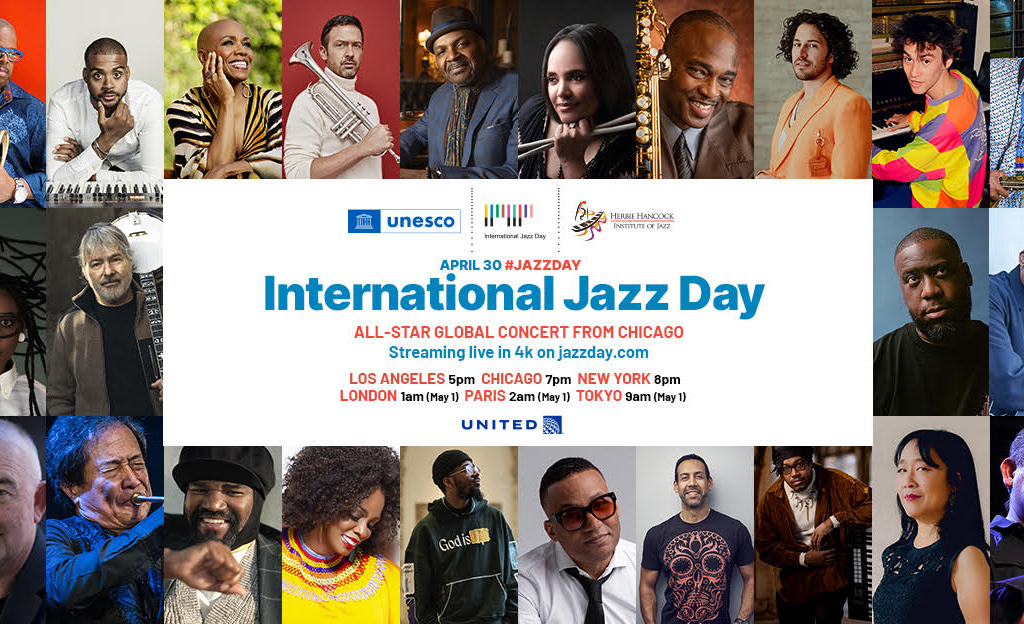
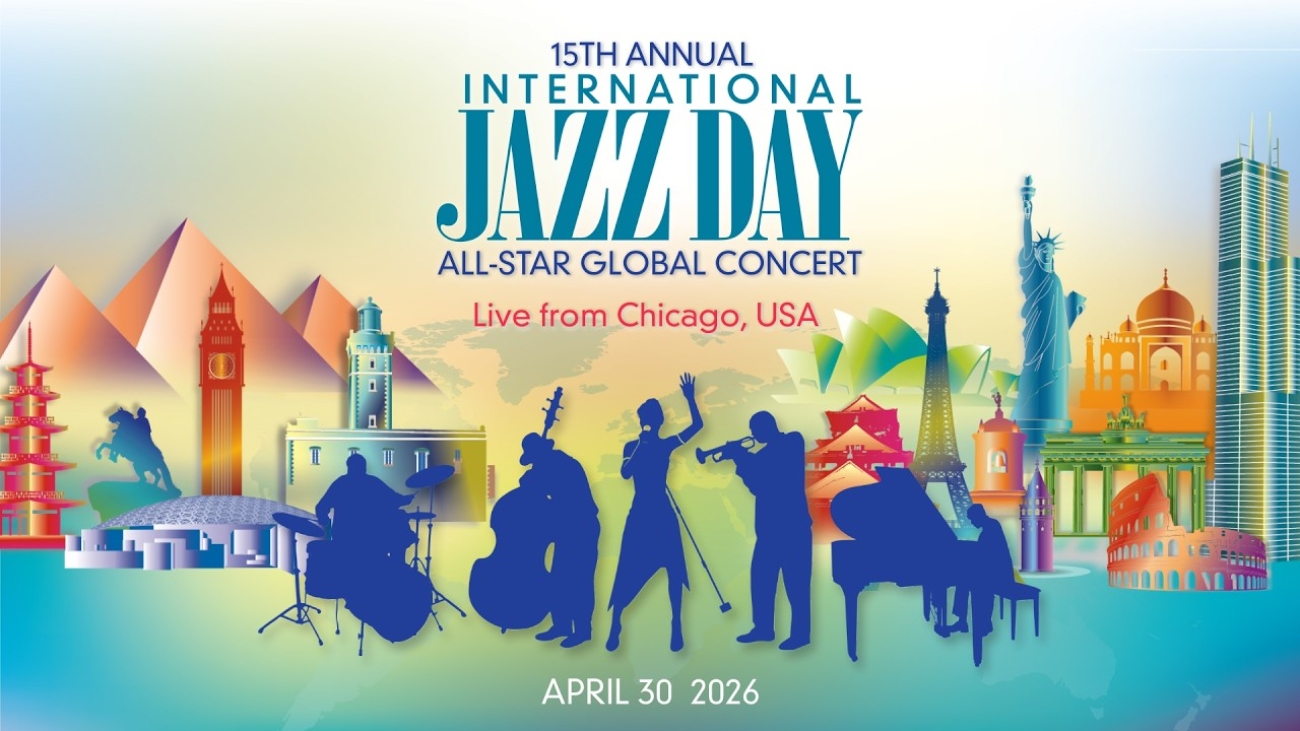
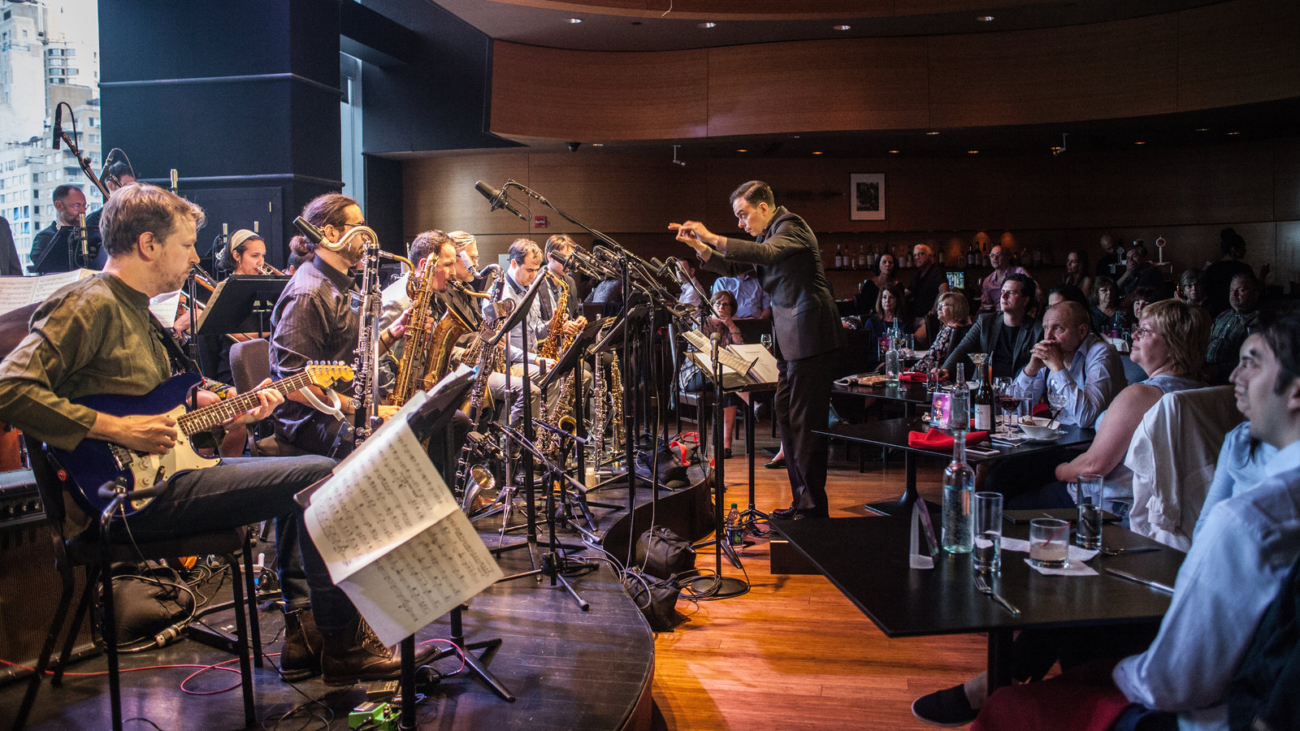
There are moments in the lifecycle of an art form when its global presence, cultural urgency, and live performance tradition align with unmistakable clarity. As April 30 approaches, the jazz world is not simply preparing for another annual celebration—it is converging around a milestone. The 15th anniversary of International Jazz Day is unfolding with Chicago at its epicenter, reaffirming jazz not as a genre confined to history, but as a living, breathing, evolving language rooted in performance. For a platform like The Improv Cafe’, where every note broadcast is drawn from live recordings, this moment represents something deeper than a headline—it is validation of a philosophy: jazz is meant to be experienced in real time, in real space, and in direct connection with the audience.

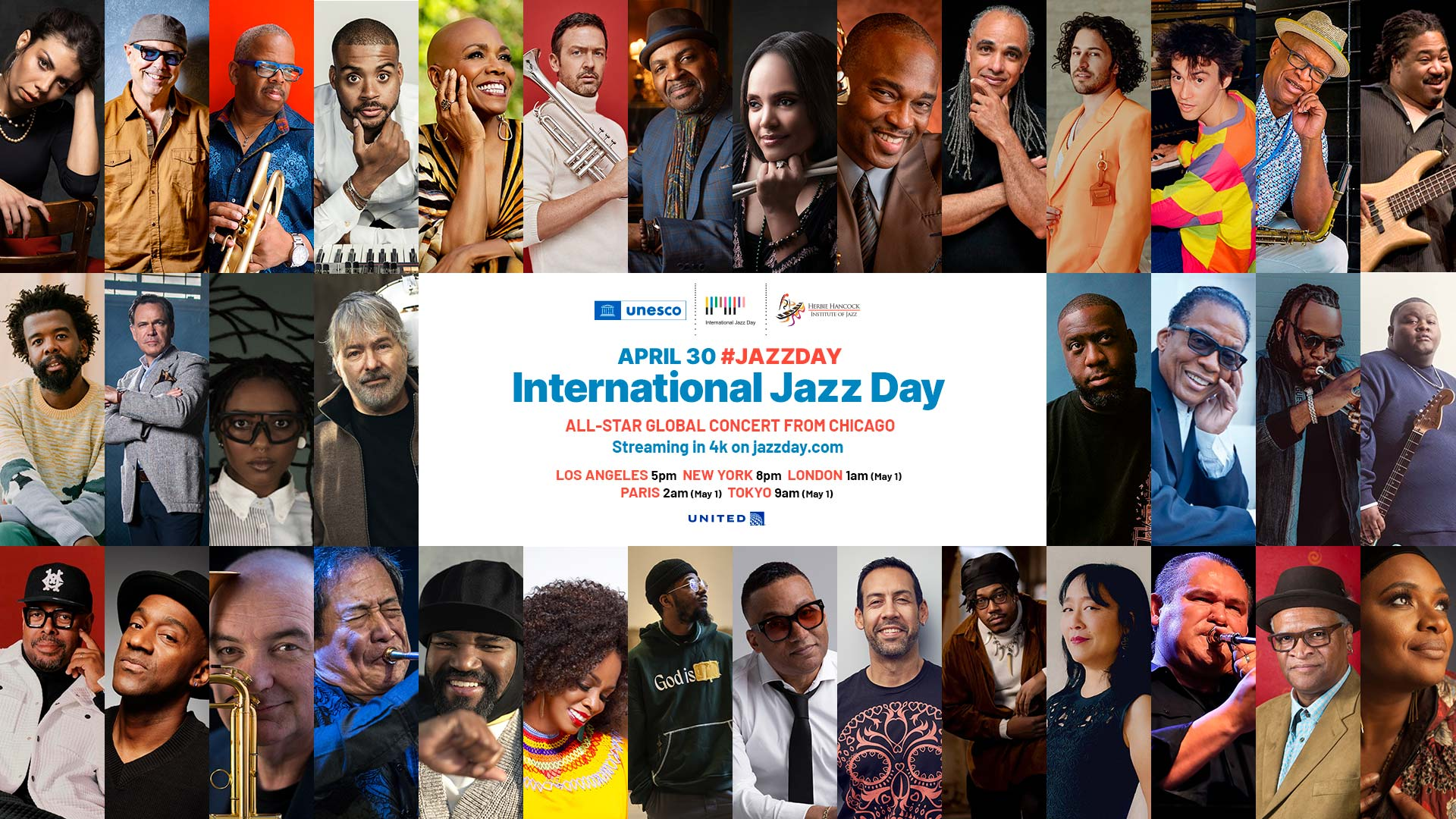
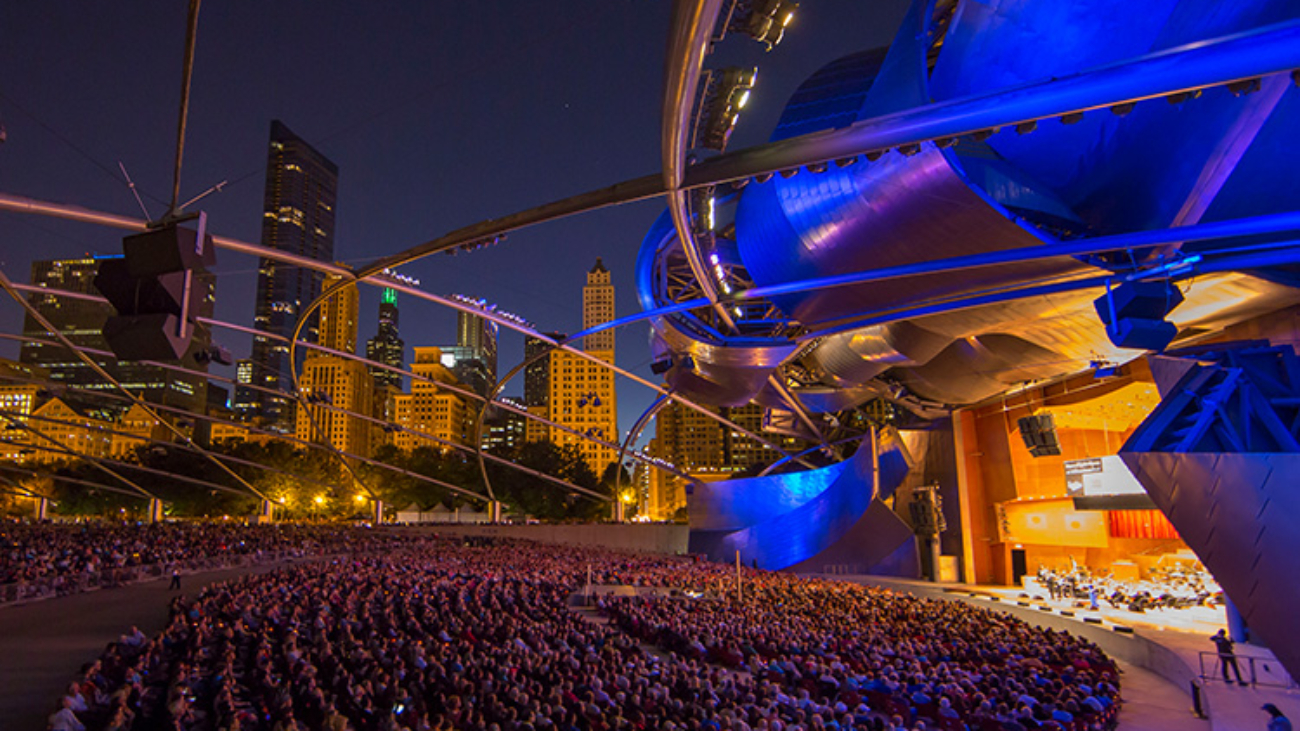
Chicago’s designation as the 2026 Global Host City is not symbolic—it is structural. The city’s lineage in jazz history, from South Side clubs to its role in shaping modern improvisational forms, makes it a natural focal point for a global gathering of artists. The centerpiece event at the Lyric Opera of Chicago will bring together a cross-generational lineup of musicians under the musical direction of Herbie Hancock, whose influence extends far beyond performance into cultural stewardship. The All-Star Global Concert is not designed as a retrospective—it is an active statement about where jazz exists today: borderless, collaborative, and grounded in live interpretation.

That emphasis on live performance is precisely where The Improv Cafe’ operates with authority. While streaming platforms continue to prioritize studio recordings and algorithmic discovery, this station’s commitment to exclusively live jazz, live big band, live swing, and live vocal jazz places it in direct alignment with the core of what International Jazz Day represents. The difference is not subtle. Live recordings capture the elasticity of tempo, the spontaneity of improvisation, the risk inherent in performance, and the chemistry between musicians that cannot be replicated in controlled environments. In many ways, what Chicago will present on April 30 is exactly what The Improv Cafe’ delivers every day—unfiltered, unscripted, and fully alive.

International Jazz Day is officially celebrated on April 30, and in 2026, Chicago is the Global Host City. While the main “All-Star Global Concert” is the centerpiece, cities across the world—including New Jersey and Philadelphia—host their own performances during the surrounding week. 

Global Centerpiece (Chicago, IL)
As the host city, Chicago is running a citywide program called “Neighborhood Nights”

  • All-Star Global Concert (Apr 30): Held at the Lyric Opera of Chicago, this flagship event is led by Herbie Hancock and Music Director John Beasley. It will be livestreamed globally. 
  • Jazz Day Club Tour (Apr 27): Reggies Chicago is hosting a three-room “Club Tour Experience” featuring Neal Alger and others. 
  • Neighborhood Jazz Night (Apr 30): A tribute to Ramsey Lewis and Herbie Hancock featuring the Theodis Rodgers Jr. Quartet at the Little Black Pearl Art Academy. 

New Jersey Shows

  • NJPAC (Newark) – Tomorrow, Apr 26: A free performance spotlighting the “next generation” of jazz artists, co-presented by JAZZ HOUSE KiDS. 
  • Metuchen Public Library – Apr 30: The Cornerstone Jazz Series will feature the Leonieke Scheuble Trio with jazz legend Bill Crow on bass. 
  • Rutherfurd Hall (Hackettstown) – Tomorrow, Apr 26: The Giacomo Gates Trio is performing a fundraiser set as part of their 2026 Jazz Series. 

Philadelphia & Regional Highlights
Sassafras (Old City) – Apr 30
This venue will host an official International Jazz Day celebration  to wrap up Philly Jazz Month.

A special Michael Brecker Jazz Showcase and Benefit featuring talented musicians paying tribute to the late saxophonist.

Online & Broadcast
If you can’t make it to a live venue, PBS just premiered a special called “International Jazz Day from Abu Dhabi,” featuring a 2025 All-Star concert hosted by Jeremy Irons. 

Beyond Chicago, the global circuit is equally active, reinforcing the scale and diversity of jazz as a worldwide movement. In London, the Brick Lane Jazz Festival is in its final stretch, offering a contemporary counterpoint to traditional forms, with emerging artists redefining genre boundaries through fusion and experimentation. Simultaneously, the Saint Lucia Jazz & Arts Festival begins its extended run, blending jazz with broader artistic disciplines and regional cultural expression. These festivals are not isolated events—they are nodes in a larger network that underscores jazz’s adaptability across geographies and audiences.

At the industry level, innovation continues to reshape how jazz is discussed, documented, and disseminated. The launch of the “Jazz Language” podcast by Chill Tone Records introduces a new layer of intellectual engagement, with Noah Preminger leading in-depth conversations with contemporary voices shaping the genre. This is not surface-level commentary—it is a technical and philosophical exploration of improvisation, composition, and the evolving vocabulary of jazz. For listeners who engage with The Improv Cafe’, this type of discourse complements the listening experience, offering context to the performances they hear.

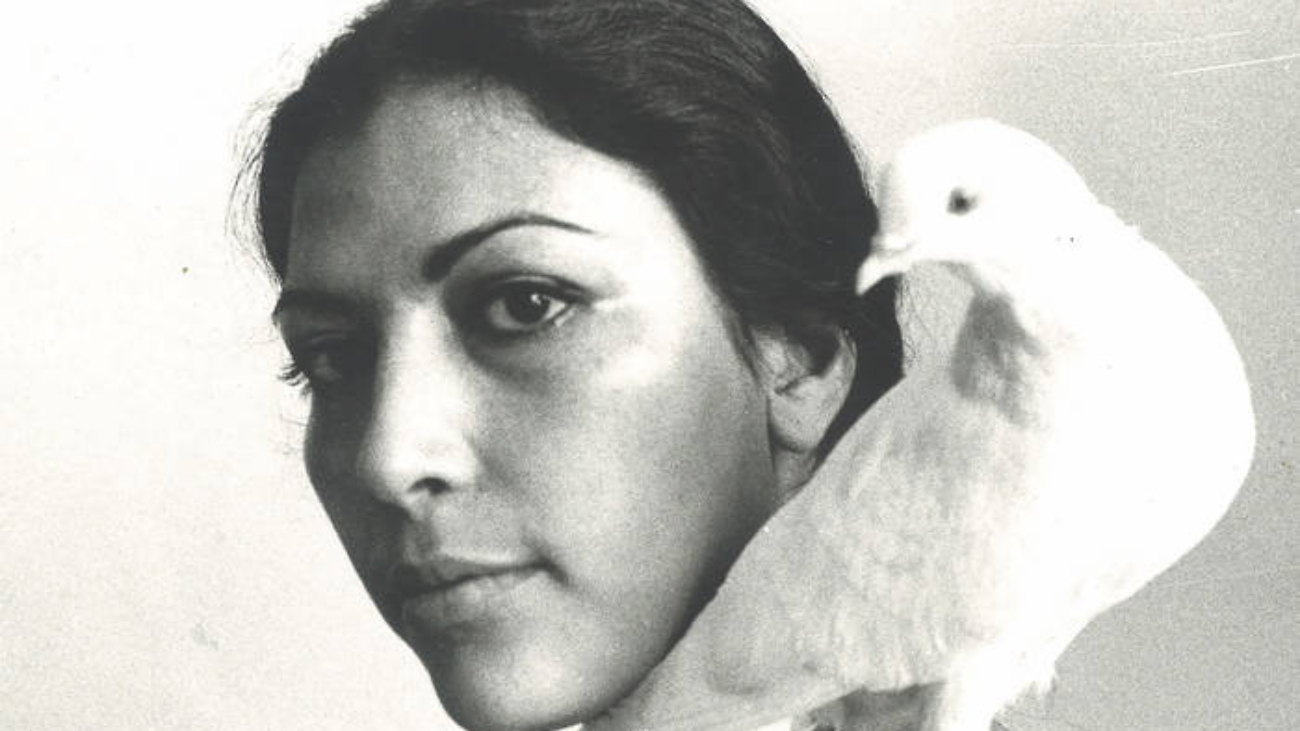
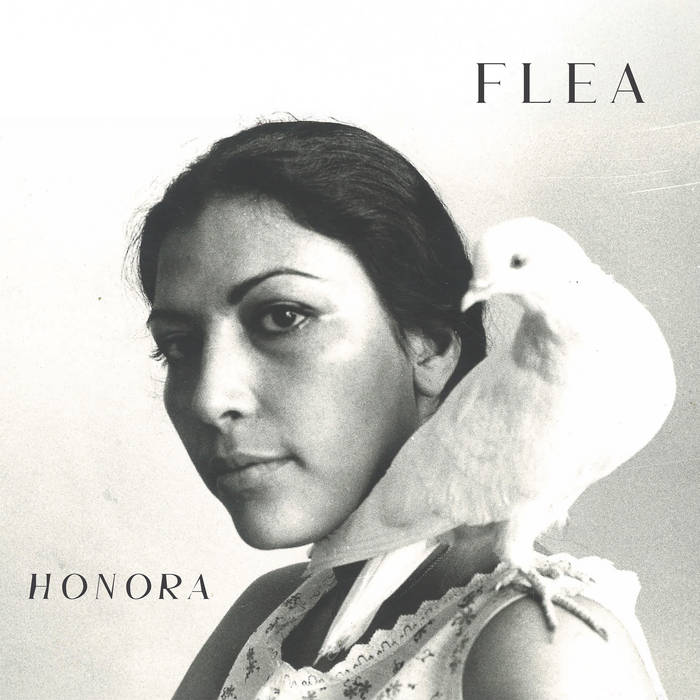
Equally notable is the continued crossover between genres, exemplified by Flea and his debut jazz album Honora. His return to the trumpet and entry into the jazz space is more than a side project—it reflects a broader trend of artists revisiting foundational influences and engaging with jazz as a discipline rather than a novelty. This cross-pollination reinforces jazz’s role as both a foundation and a frontier within the music ecosystem.

Closer to home, the regional landscape across New Jersey and Philadelphia is not merely participating in this global moment—it is actively contributing to it. The Germantown Jazz Festival is currently in full swing, with a programming structure that blends performance and education. Today’s focus on Terell Stafford exemplifies that dual approach, pairing a master class with a live quintet performance at the Settlement Music School. This format is critical. Jazz has always been transmitted through mentorship and live demonstration, and festivals that prioritize both are essential to sustaining the art form.

In Newark, New Jersey Performing Arts Center is preparing to host a community-driven International Jazz Day celebration, emphasizing accessibility and youth engagement. The inclusion of emerging artists and student ensembles ensures that the next generation is not positioned as future participants, but as active contributors in the present. This aligns directly with the ethos of live jazz as a continuum rather than a fixed canon.

The regional calendar continues with performances that reflect the breadth of the jazz spectrum. At Rutherfurd Hall, the Giacomo Gates Trio will deliver a performance rooted in vocal jazz tradition, while the Monroe Quinn Trio brings a “Swing into Spring” program to the Mahwah Public Library, reinforcing the accessibility of live jazz in community spaces. Meanwhile, the Sunhouse Singers will perform in Wayne, extending the reach of vocal harmony traditions into local concert settings.

Taken together, these events illustrate a critical point: jazz is not centralized. It operates simultaneously at the highest levels of global production and within intimate local environments, each reinforcing the other. The same improvisational principles guiding an All-Star ensemble in Chicago are present in a trio performance in New Jersey or a festival set in Philadelphia. That continuity is what sustains the genre.

For The Improv Cafe’, this convergence is not just news—it is a moment of amplification. As International Jazz Day approaches, the station stands uniquely positioned to connect listeners with the essence of what is being celebrated worldwide. Every broadcast becomes part of a larger narrative, one that prioritizes authenticity, musicianship, and the irreplaceable energy of live performance. In an era where music consumption is increasingly fragmented and digitized, the commitment to live recordings is not nostalgic—it is forward-thinking.

April 30 will serve as a global focal point, but the reality is that jazz does not begin or end on a single date. It is ongoing, adaptive, and perpetually in motion. From Chicago’s grand stage to the clubs, halls, and community spaces of New Jersey and beyond, the message is consistent: jazz is alive, it is evolving, and it is meant to be heard as it happens.

zu-gast-bei-village-vanguard-03

Live at The Village Vanguard Tonight on The Improv Café: Where Jazz History Lives, Breathes, and Broadcasts in Real Time

There are very few phrases in music that carry the weight, credibility, and cultural permanence of Live at the Village Vanguard. It is not just a recording credit. It is a benchmark, a rite of passage, and in many cases, a defining moment in an artist’s career. On The Improv Café—your dedicated destination for live Jazz, live Big Band, live Swing, and live Vocal Jazz only—that phrase is not treated as nostalgia. It is presented as a living, ongoing experience, unfolding in real time every week.

Tonight, The Improv Café once again delivers one of its most powerful programming pillars: “Live at The Village Vanguard”, a five-hour continuous broadcast that captures the essence of jazz in its most authentic and unfiltered form. This is not a curated approximation of the genre. This is the real thing—live recordings from one of the most revered jazz rooms in the world, presented without compromise.

At the center of it all is Village Vanguard, a venue that has defined the sound, spirit, and trajectory of modern jazz for decades. Located in the heart of Greenwich Village, the Vanguard is unlike any other performance space. Its triangular layout, low ceilings, and dimly lit interior create an environment where proximity matters—where every note, every breath, and every improvisational decision is felt as much as it is heard.

This intimacy is precisely what makes live recordings from the Vanguard so enduring. When listeners tune into The Improv Café tonight, they are not hearing polished studio edits. They are stepping directly into the room—into a space where the audience is close enough to feel the vibration of a bass string, where the drummer’s brushwork becomes part of the atmosphere, and where the line between performer and listener dissolves entirely.

The history embedded within these recordings is staggering. The Vanguard stage has hosted transformative performances from artists such as John Coltrane and Bill Evans, whose live recordings at the venue are widely regarded as some of the most important documents in jazz history. That lineage continues into the present with modern innovators like Wynton Marsalis and Chris Potter, ensuring that the Vanguard is not frozen in time—it is evolving, adapting, and continuing to shape the future of the genre.

This week’s programming across the Vanguard ecosystem reinforces that ongoing relevance. Immanuel Wilkins, one of the most forward-thinking voices in contemporary jazz, has just released Live at the Village Vanguard, Vol. 2, the second installment in an ambitious multi-volume series documenting his work within the space. This release is not simply another live album—it is a continuation of the Vanguard tradition, where artists use the room itself as an instrument, responding to its acoustics, its energy, and its history.

At the same time, the venue remains as active as ever. The Brad Mehldau Trio is currently in residence, bringing its deeply introspective and harmonically rich approach to the Vanguard stage. The Vanguard Jazz Orchestra continues its legendary Monday night run, a tradition that has become one of the most enduring fixtures in live big band performance anywhere in the world. And soon, Joe Lovano will begin his own engagement, adding another chapter to a career already deeply intertwined with the venue.

What The Improv Café accomplishes with its Live at The Village Vanguard broadcast is something that goes beyond programming—it creates access. It bridges geography, allowing listeners who may never set foot in Greenwich Village to experience the Vanguard as it was meant to be experienced: live, immediate, and emotionally direct. This is particularly significant in a media environment where so much of music consumption has become compressed, algorithm-driven, and disconnected from the original performance context.

The Improv Café operates in direct opposition to that trend. By committing exclusively to live recordings—no studio tracks, no artificial enhancements, no compromises—it restores the integrity of the listening experience. Every performance aired is a moment in time, preserved and presented exactly as it happened. This approach is not only rare; it is essential for preserving the true character of jazz, a genre built on spontaneity, risk, and real-time interaction.

The five-hour continuous format of tonight’s broadcast is equally intentional. Jazz, particularly in its live form, is not designed to be consumed in fragments. It unfolds gradually, building tension, releasing it, and then rebuilding in new and unexpected ways. By extending the program across an uninterrupted block, The Improv Café allows listeners to fully immerse themselves in that process, to follow the arc of performances as they develop organically.

Beyond New York, the “Vanguard” name continues to resonate across multiple artistic disciplines, reinforcing its broader cultural significance. In Montclair, the Vanguard Theater is preparing its 2026 Illuminating New Voices Festival, showcasing original works and expanding the boundaries of contemporary performance. On the West Coast, the Santa Clara Vanguard is advancing both educational initiatives and major performance ambitions, demonstrating how the Vanguard identity continues to evolve across generations and geographies.

Yet it all traces back to that singular room in Greenwich Village—the one that continues to define what it means to perform, record, and experience jazz at the highest level.

For The Improv Café, aligning its programming with this legacy is not a branding decision. It is a statement of purpose. The station exists to deliver live music in its purest form, and there is no better embodiment of that mission than the recordings born within the Village Vanguard.

Tonight’s Live at The Village Vanguard broadcast is not just another radio show. It is a direct line into one of the most important cultural spaces in modern music history. It is an opportunity to hear jazz as it was intended to be heard—unfiltered, unrepeatable, and alive.

And in a world where so much content is manufactured, edited, and optimized for convenience, that kind of authenticity is not just refreshing. It is indispensable.

01jazzessay1-videoSixteenByNineJumbo1600

Swing Is Alive, Loud, and Unstoppable: Inside the Resurgence of Big Band Jazz and the Soundtrack of Friday Nights on The Improv Café Radio

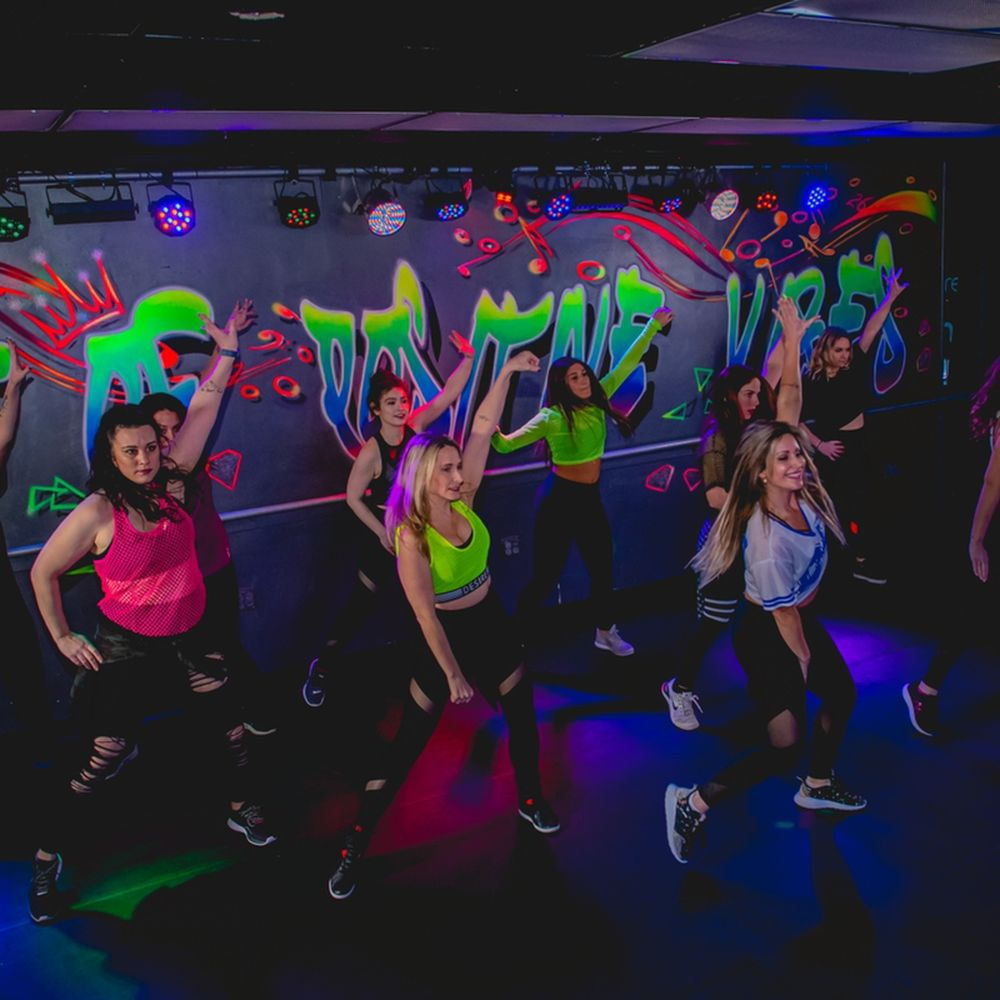
The Return of the Dance Floor: How Live Swing, Big Band Energy, and The Improv Café Are Driving a New Era of Movement and Music. There is a moment—just before the band hits full stride—when the room shifts. The horns rise, the rhythm locks in, and suddenly the floor is no longer a floor. It becomes a living, moving current of bodies in motion, responding in real time to something bigger than themselves. That moment, once synonymous with ballrooms of the 1930s and 40s, is happening again across New Jersey and Philadelphia, and it is being amplified every single week through The Improv Café Radio Station—a broadcast space where live jazz, live big band, and live swing are not curated nostalgia, but a present-tense experience.

At the center of that experience is tonight’s Swing with the Big Bands Radio Show, a Friday night ritual that continues to define what this station does best. This is not passive listening. It is a call to move, to respond, to reconnect with the pulse of live performance. Every track is pulled from real stages, real rooms, real audiences—capturing the immediacy that defines swing at its highest level. When the show begins, it does not simply play music; it recreates the conditions that made swing a cultural force in the first place.

That resurgence is not confined to the airwaves. Across the region, the dance floor is back in motion, and it is being driven by a network of venues, instructors, and communities that are rebuilding swing culture from the ground up. What makes this moment particularly compelling is its accessibility. You do not need years of training, a partner, or even prior experience. You only need the willingness to step into the rhythm.

In Madison, New Jersey, a growing swing community continues to gather for structured evenings that blend instruction with live energy. Events are designed to eliminate barriers, beginning with professional lessons that guide newcomers through the fundamentals before opening the floor to social dancing. The upcoming anniversary celebration featuring a full big band underscores how these gatherings are evolving—no longer niche events, but full-scale experiences that mirror the energy of historic swing nights.

Jersey City has emerged as another focal point, where dance studios are offering consistent programming that bridges traditional and modern swing styles. From foundational East Coast Swing to the more fluid dynamics of West Coast Swing, the city’s schedule reflects a demand for both structure and improvisation. These classes are not isolated sessions; they are entry points into a larger ecosystem where dancers continue to refine their movement through repetition, community, and exposure to live music.

Further south, Princeton’s swing community maintains a strong academic and cultural presence, with open-access lessons that invite participants from across the region. The absence of prerequisites—no partner required, no prior experience expected—creates an environment where the emphasis is placed entirely on participation. It is a model that aligns perfectly with the ethos of swing itself: inclusive, adaptive, and driven by interaction.

New Providence and surrounding areas continue to expand the scope even further, integrating Latin influences and advanced techniques into their programming. This blending of styles reflects a broader evolution within swing culture, where traditional forms are preserved while new interpretations are encouraged. The result is a dance scene that feels both rooted and progressive, capable of attracting a wide range of participants.

Statewide networks dedicated to West Coast Swing have also gained momentum, offering structured calendars that connect dancers across multiple venues. Workshops, weekend intensives, and rotating events ensure that the community remains active and interconnected. This level of organization is critical, as it transforms individual events into a sustained movement.

Philadelphia’s scene adds another dimension, with weekly gatherings that combine instruction, live music, and extended social dancing. In Rittenhouse Square and beyond, Thursday nights have become a cornerstone for Lindy Hop and swing enthusiasts, with lessons leading directly into hours of open dancing. These events capture the essence of swing as a social form—music and movement intertwined in a shared space.

Organizations dedicated to preserving authentic swing-era dance continue to play a vital role, offering progressive series that focus on technique, history, and stylistic accuracy. At the same time, beginner-focused programs ensure that new participants can enter the scene without intimidation. This balance between preservation and accessibility is what allows the culture to grow without losing its identity.

Signature events and outdoor programming further expand the reach of swing. Large-scale dance parties in urban parks bring live music and instruction into public spaces, creating opportunities for spontaneous participation. These gatherings echo the origins of swing as a communal experience, where the boundaries between performer and audience are fluid.

Back in New Jersey, milestone celebrations from long-standing dance organizations highlight the longevity of the scene. Anniversaries are not just commemorations—they are proof that swing has maintained a continuous presence, even as its visibility fluctuated over time. What is happening now is not a reinvention, but a reemergence.

Within this broader landscape, The Improv Café Radio Station serves as both anchor and amplifier. By committing exclusively to live recordings, the station preserves the authenticity that defines swing and big band music. Every broadcast captures the nuances that are often lost in studio production—the slight variations in tempo, the interplay between sections, the audible reaction of a live audience. These elements are not imperfections; they are the essence of the form.

Swing with the Big Bands Radio Show brings all of this into focus. The program is structured to move through eras and styles while maintaining a consistent throughline: the power of live performance. Legendary bandleaders, iconic vocalists, and lesser-known ensembles all share space within the broadcast, creating a listening experience that is both comprehensive and immediate.

What makes tonight’s show particularly relevant is its connection to the physical spaces where this music is once again being danced. The same rhythms driving dancers in Madison, Jersey City, Princeton, and Philadelphia are the rhythms being broadcast in real time. The radio becomes an extension of the dance floor, and the dance floor becomes a reflection of the music.

This convergence is what defines the current moment. Swing is not being preserved in isolation—it is being lived. It exists in studios, in community centers, in outdoor events, and in the curated broadcasts of The Improv Café. Each element reinforces the others, creating a cycle of engagement that continues to expand.

As Friday night arrives, the invitation is immediate and unmistakable. Turn on Swing with the Big Bands Radio Show, let the music take hold, and understand that what you are hearing is not a recreation—it is a continuation. The same energy that once filled ballrooms is present, alive, and accessible.

The dance floor is no longer confined to a single space. It is wherever the music is heard, wherever the rhythm is felt, and wherever someone is willing to move. At The Improv Café, that movement begins the moment the broadcast goes live, carrying forward a tradition that remains as vital and compelling as ever.

For swing and big band dancing, you have several excellent options in the New Jersey and Philadelphia areas. Many of these venues offer dedicated beginner lessons immediately before their social dances, making it easy to jump in even without a partner.

New Jersey Swing Dance Classes & Lessons

  • Let’s Swing NJ (Madison, NJ): This non-profit hosts regular dances at the Madison Community House. Every event begins with a professional lesson, and they have an Anniversary Celebration with the Swingadelic Big Band on May 9, 2026.
  • Jersey City Ballroom (Jersey City, NJ): Offers a variety of group classes including Smooth/Swing Fundamentals on Saturdays at 11:30 AM and West Coast Swing on Wednesdays at 8:30 PM.
  • Princeton University Swing Club (Princeton, NJ): Their lessons are open to the public at the Frist Campus Center. They typically offer All-Levels East Coast Swing lessons on Thursday nights, which are beginner-friendly and do not require a partner.
  • Swing Dance Plus (New Providence, NJ): Specializes in all types of swing and Latin dance, offering expert lessons and regular parties.
  • Jersey Westies (Statewide): A great resource for West Coast Swing, providing a detailed calendar of workshops and programs across the state, such as sessions at Starlight Dance Center and Le Pari.

Philadelphia Swing Dance Scene

  • Jazz Attack (Rittenhouse Square): Holds Lindy Hop & Swing classes every Thursday at the Philadelphia Ethical Society. Lessons run from 8:00–9:00 PM followed by social dancing until 11:00 PM.
  • Ragtag Empire (Philadelphia): A dedicated swing and jazz organization that offers progressive Lindy Hop series and workshops focused on authentic swing-era dancing.
  • Society Hill Dance Academy (Philadelphia): Offers a 6-week Swing for Beginners course that covers the basics of Lindy Hop and East Coast Swing.
  • University City Swing (West Philadelphia): Hosted at St. Mary’s at UPenn, they offer West Coast Swing lessons every Wednesday night, and your first visit is free. 

Free Outdoor & Signature Workshops

  • Bryant Park Dance Party (NYC): The 12th season returns this spring! You can catch a Swing Dance & Rock ‘n’ Roll night with expert instructors on May 7, 2026. Lessons start at 6:00 PM, followed by live music at 7:00 PM.
  • Central Jersey Dance Society (Princeton): Celebrating their 25th Anniversary on April 18, 2026, with a night of varied dancing including swing. 

There is a certain electricity that only live swing can generate—the kind that doesn’t just fill a room, but transforms it. In 2026, that energy is not confined to ballrooms or historic bandstands. It is moving through airwaves, across stages, and into a renewed cultural moment where big band jazz is once again commanding attention. At the center of that revival is The Improv Café Radio Station, a destination built on a singular promise: every note you hear is live, every performance is real, and every broadcast captures the unfiltered essence of jazz, big band, swing, and vocal tradition as it was meant to be experienced.

Friday nights have become the heartbeat of that mission with the station’s signature program, Swing with the Big Bands Radio Show. This is not background music. It is an immersive, high-impact listening experience that draws directly from legendary live recordings—performances that defined eras, shaped movements, and continue to influence musicians today. When the show goes live, it invites listeners to step into the pulse of history, where brass sections explode with precision, rhythm sections drive relentless momentum, and vocalists command the stage with presence and personality that cannot be replicated in a studio environment.

What makes this moment particularly significant is the broader resurgence happening around the genre. Across the New York and New Jersey region, big band and swing are not simply surviving—they are thriving. The current landscape is marked by a dynamic blend of heritage and reinvention, where traditional arrangements coexist with modern interpretations, and where audiences are rediscovering the power of large ensemble jazz in both live and broadcast formats.

Major events are fueling that momentum. One of the most anticipated gatherings of the season, the Battle of the Big Bands, is set to take place aboard the historic Intrepid Museum, transforming a naval flight deck into a high-energy swing arena under the open sky. It is a setting that perfectly captures the scale and spectacle of the genre, where multiple ensembles compete not just in sound, but in showmanship, inviting audiences to engage directly through dance and movement.

That sense of immersion continues with the Gotham Jazz Festival, an all-day experience that brings together some of the most accomplished hot jazz and swing ensembles in the region. Events like this are redefining how audiences interact with jazz, shifting from passive listening to active participation. The emphasis is no longer just on performance—it is on experience, community, and the shared energy that only live music can generate.

Philadelphia’s Germantown Big Band Jazz Battle adds another layer to this regional resurgence, highlighting the competitive and collaborative spirit that has always defined the big band tradition. These events are not isolated—they are part of a broader network of performances and gatherings that collectively signal a renewed cultural appetite for swing.

At the institutional level, Lincoln Center’s summer programming continues to reinforce the genre’s relevance, with large-scale swing dance events and big band showcases that bring together world-class musicians and audiences from across the spectrum. These performances serve as both celebration and validation, confirming that big band jazz remains a vital and evolving art form.

Weekly residencies further anchor this movement. Venues like Birdland Jazz Club in New York maintain a consistent presence, offering audiences the opportunity to experience live big band performances on a regular basis. The Birdland Big Band’s ongoing Friday appearances have become a cornerstone of the scene, while other ensembles continue to push the boundaries of what big band music can be.

Closer to home, New Jersey’s own swing culture remains deeply rooted and actively engaged. Spaces dedicated to dance and live performance continue to host regular events, creating environments where the music is not only heard but physically felt. Educational institutions are also playing a role, with university jazz programs contributing to the next generation of performers who are carrying the tradition forward while introducing new ideas and influences.

On a global scale, the genre’s reach continues to expand. Touring acts like the Mingus Big Band are bringing large ensemble jazz to international audiences, while groups rooted in the swing revival movement continue to blend traditional forms with contemporary elements. Even as the scene evolves, the core remains unchanged—the commitment to live performance, to spontaneity, and to the connection between musician and audience.

Within this broader context, The Improv Café Radio Station occupies a unique and essential position. By focusing exclusively on live recordings, the station preserves the authenticity that defines jazz at its highest level. There are no studio edits to smooth over imperfections, no artificial enhancements to shape the sound. What listeners hear is exactly what happened in the moment—the energy, the interaction, the risk, and the reward.

This commitment becomes especially powerful during Swing with the Big Bands Radio Show. Each broadcast is curated to reflect the depth and diversity of the genre, moving seamlessly between eras, styles, and ensembles. From the explosive precision of classic big band arrangements to the nuanced interplay of smaller swing groups, the show captures the full spectrum of what makes this music enduring.

There is also an element of discovery embedded within the program. While legendary performances remain a cornerstone, the show consistently introduces lesser-known recordings that reveal new dimensions of the genre. This balance ensures that the experience remains both familiar and fresh, appealing to longtime enthusiasts while inviting new listeners into the fold.

The cultural significance of this moment cannot be overstated. In an era dominated by digital production and algorithm-driven playlists, the return to live, unfiltered performance represents a shift in how audiences engage with music. There is a growing appreciation for authenticity, for the imperfections that make a performance human, and for the collective experience that defines live jazz.

For The Improv Café, this is not a trend—it is a foundation. The station’s identity is built on the belief that live music carries a weight and immediacy that cannot be replicated. Every broadcast reinforces that philosophy, creating a space where the past and present of jazz coexist in real time.

As Friday night approaches, the invitation is clear. Tune in to Swing with the Big Bands Radio Show and experience a form of music that continues to evolve while staying true to its roots. Let the horns lead, let the rhythm section drive, and let the music take over in a way that only live performance can deliver.

In 2026, swing is not a revival—it is a continuation. It is a living, breathing force that moves through venues, festivals, and airwaves alike. And at The Improv Café, it is happening live, exactly as it should be heard.
a0084861691_16

The Improv Cafe’ Expands the Living Archive of Jazz as 2026 Ignites with Breakthrough Releases, Historic Live Recordings, and a Global Resurgence of Performance Culture

There are moments in jazz when the present and the past converge with such clarity that the genre’s future becomes unmistakably visible. This week marks one of those moments. Across new releases, archival discoveries, major festival announcements, and the emergence of new performance spaces, live jazz is not simply enduring—it is expanding, evolving, and asserting itself once again as one of the most vital forms of musical expression in the world. At the center of that movement is The Improv Cafe’ Radio Station, a platform defined by its unwavering commitment to one principle: every note must be live. Live Jazz. Live Big Band. Live Swing. No exceptions, no compromises.

What is unfolding across the global jazz landscape right now reinforces exactly why that philosophy matters. The genre is experiencing a renewed surge of visibility and cultural relevance, driven not by studio polish, but by the raw, unfiltered energy of live performance. It is a shift that aligns perfectly with The Improv Cafe’s identity as a true broadcast home for performance in its purest form.

One of the most unexpected and compelling developments comes from outside the traditional jazz sphere. Flea, widely known for his role as bassist in the Red Hot Chili Peppers, has stepped decisively into the jazz world with his debut solo album Honora, released April 9, 2026. The project has rapidly ascended to become the No. 1 jazz album globally, signaling not only crossover appeal, but a deeper artistic commitment to improvisation and ensemble-driven performance. Featuring collaborators such as Jeff Parker and Anna Butterss, the album carries a distinctly live sensibility—fluid, exploratory, and grounded in interaction rather than perfection. It is not a departure from jazz tradition; it is an extension of it, demonstrating how the language of jazz continues to absorb and reinterpret influences from across the musical spectrum.

At the same time, the genre is reinforcing its internal legacy through powerful, community-driven initiatives. WBGO’s recent premiere of Her Rhythm: Women in Jazz stands as a defining example of how live performance continues to serve as both celebration and statement. Featuring artists like Sherrie Maricle and Brianna Thomas, the event highlights the depth, diversity, and leadership of women within the jazz community, emphasizing that the evolution of the genre is inseparable from the voices shaping it today. The performance format—live, immediate, and unfiltered—ensures that these contributions are not simply acknowledged, but experienced in real time.

Looking ahead, the announcement of the Blue Note Jazz Festival 2026 lineup further underscores the scale of jazz’s current momentum. Running from June 1 through July 1 across New York, the festival brings together a dynamic range of artists including Ledisi, Jose James, and the Dirty Dozen Brass Band. Each of these acts represents a different facet of jazz’s modern identity, from soul-infused vocal performance to genre-blending experimentation and brass-driven tradition. What unites them is a commitment to live performance as the primary medium through which jazz continues to evolve.

Equally significant is the expansion of physical spaces dedicated to the art form. The upcoming opening of the Mary Lou Williams Jazz Center in Decatur, Georgia, represents more than a new venue—it signals an investment in the future of live jazz as a communal experience. Anchored by a flagship performance space connected to the legacy of Churchill Grounds, the center is poised to become a critical hub for artists and audiences alike, reinforcing the idea that jazz thrives where people gather to experience it together.

Perhaps the most compelling evidence of jazz’s current vitality, however, lies in the recordings themselves. As Record Store Day 2026 approaches on April 18, a wave of new and archival live releases is set to redefine how listeners engage with the genre. These are not studio reconstructions or retrospective compilations—they are direct transmissions from the stage, capturing artists at the exact moment of creation.

The Immanuel Wilkins Quartet’s Live At The Village Vanguard series, released in three volumes, offers a comprehensive look at one of the most compelling saxophonists of his generation within one of jazz’s most revered spaces. Each volume reveals a different dimension of the residency, emphasizing the role of continuity and development in live performance.

Resonance Records’ upcoming archival releases further deepen this narrative, bringing previously unheard recordings from Chicago’s Jazz Showcase into circulation. Performances by Joe Henderson, Ahmad Jamal, Mal Waldron, and Yusef Lateef—captured between the mid-1970s and late-1970s—provide invaluable insight into a period of extraordinary creativity. These recordings do not simply document history; they extend it, allowing contemporary listeners to engage with performances that remain as immediate and relevant as when they were first played.

Additional releases, including Sylvie Courvoisier Trio’s Éclats – Live in Europe and Alexander Claffy’s Alive in Philadelphia, Vol. 1, reinforce the global nature of this resurgence, while the rediscovery of the Cecil Taylor Unit’s Fragments, recorded at the 1969 Paris Jazz Festival, serves as a reminder that jazz’s past continues to yield new revelations when approached through the lens of live performance.

This is precisely where The Improv Cafe’ asserts its authority. In a media landscape saturated with edited, compressed, and often fragmented musical experiences, the station remains singular in its dedication to live recordings exclusively. Every broadcast is a commitment to authenticity. Every program is an opportunity to engage with jazz as it was meant to be heard—unfiltered, dynamic, and fully alive.

Signature programming such as Live At The Village Vanguard, airing every Tuesday from 9PM to 2AM, exemplifies this approach. By presenting performances from one of the most iconic venues in jazz history, the show creates a continuous thread between past and present, allowing listeners to experience the evolution of the genre within a single, uninterrupted broadcast environment. It is not simply programming; it is curation at the highest level.

Upcoming live events, including the ACA Jazz Festival on April 11 and the Charleston Jazz Festival finale on April 19 featuring the Herlin Riley Quartet and the Gullah Collective, further reinforce the immediacy of the current moment. These are not isolated performances—they are part of a broader ecosystem in which live jazz continues to define itself through interaction, improvisation, and shared experience.

What becomes clear through all of this is that jazz is not experiencing a revival. It is operating within a state of continuous reinvention, driven by artists who understand that the essence of the genre lies in its ability to respond, adapt, and evolve in real time. Live performance is not an accessory to that process—it is the process.

The Improv Cafe’ stands at the center of this movement, not by following trends, but by reinforcing the foundational truth that has always defined jazz: it lives in the moment it is played. By committing exclusively to live Jazz, live Big Band, live Swing, and live Vocal Jazz, the station ensures that every broadcast carries the energy, spontaneity, and authenticity that make the genre indispensable.

As Record Store Day 2026 approaches and the global jazz community continues to expand, The Improv Cafe’ remains not just a participant, but a leader—an essential platform where the full spectrum of live performance is preserved, presented, and elevated.

In a world increasingly defined by convenience, The Improv Cafe’ offers something far more valuable: reality. The sound of musicians interacting in real time. The unpredictability of improvisation. The undeniable presence of performance as it unfolds.

This is not just where jazz is played. This is where jazz lives.