Few moments in jazz history are as electrifying as the rediscovery of lost performances from artists whose live improvisations helped shape the language of modern music. In the world of live jazz, where spontaneity and emotional expression define the art form, previously unheard recordings offer more than nostalgia—they reveal how a musician truly thought, felt, and created in real time.
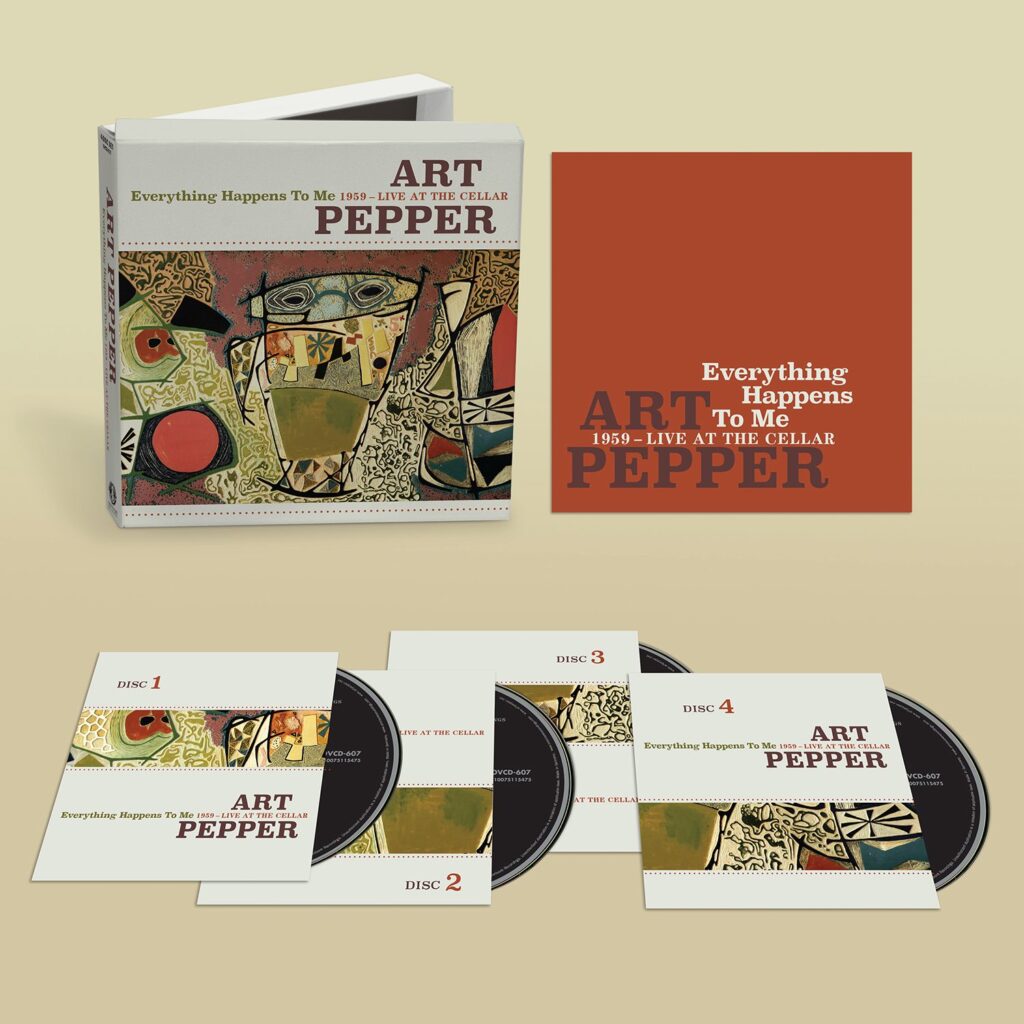
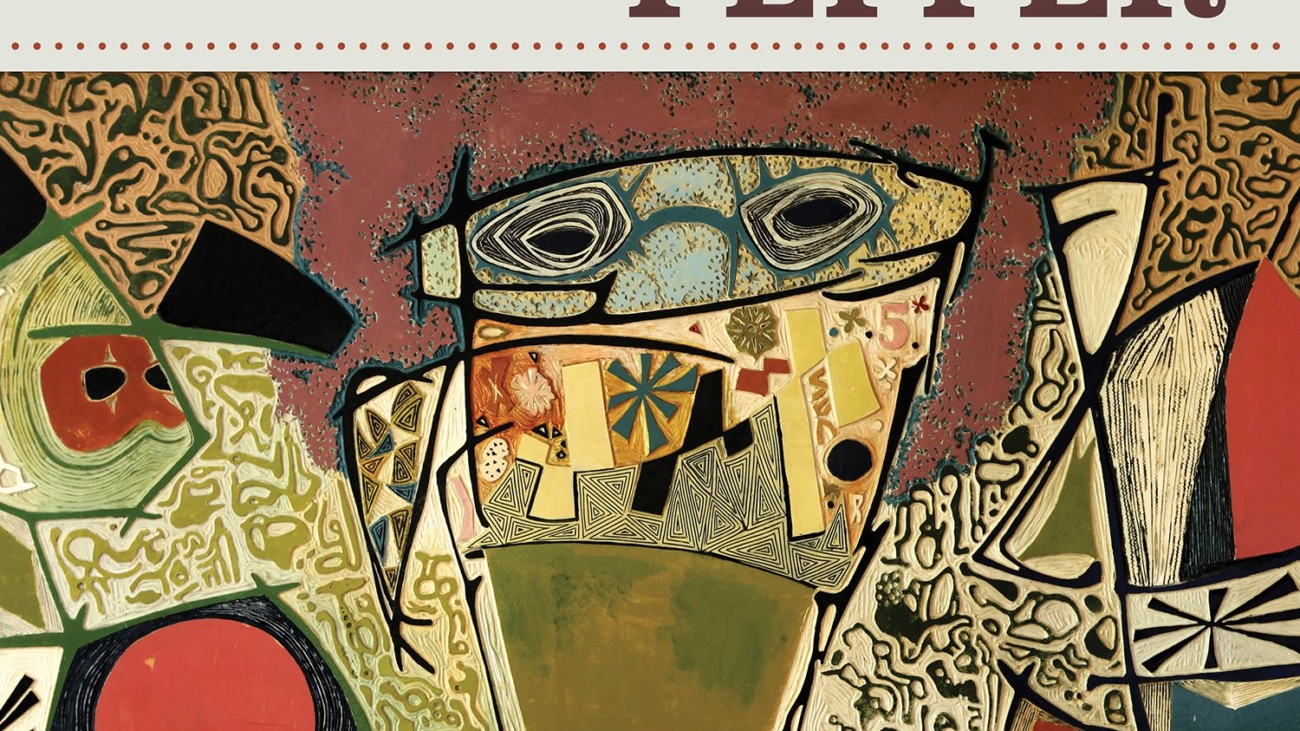
That is exactly what listeners are experiencing with the remarkable new archival release Everything Happens To Me: 1959 – Live At The Cellar, a four-disc set documenting more than four hours of newly discovered live recordings from legendary alto saxophonist Art Pepper.
For listeners of The Improv Café, the radio station dedicated exclusively to live jazz, live big band, and live swing, this extraordinary collection represents exactly the kind of musical discovery that keeps the spirit of improvisation alive. Captured during performances at the legendary Vancouver venue The Cellar in 1959, the recordings provide a rare window into one of the most emotionally expressive voices in modern jazz.
More than sixty years after the music was first played, these performances have finally surfaced, offering a vivid portrait of Art Pepper at a pivotal moment in his artistic journey.
A Hidden Chapter in Jazz History
Released in February 2026 through a partnership between Omnivore Recordings and Widow’s Taste Music, the four-disc collection gathers 32 performances drawn from Pepper’s extended engagement at The Cellar.
The recordings were never originally intended for commercial release. Instead, they were captured by the club’s manager as informal documentation of performances taking place inside one of Canada’s most respected jazz venues.
Because the tapes were made in a casual recording environment rather than a professional studio, the resulting sound offers something uniquely intimate. Listeners hear the atmosphere of the club, the subtle interactions between musicians, and the raw immediacy that defines live jazz.
The result feels less like a traditional album and more like sitting inside the room as the music unfolds.
For fans of The Improv Café, this kind of authenticity is the essence of jazz radio: performances that breathe, evolve, and exist only in the moment.
Art Pepper in a Transformational Era
The year 1959 occupies a fascinating place in Art Pepper’s career. By that point, he had already established himself as one of the most distinctive alto saxophonists on the West Coast jazz scene.
Just two years earlier he had recorded the now-classic Art Pepper Meets The Rhythm Section, a session that paired him with members of the Miles Davis rhythm section and helped solidify his reputation among jazz’s elite improvisers.
Shortly after the Cellar recordings, he would release another important album, Gettin’ Together, which continued to expand his reputation as a deeply expressive and technically formidable player.
The Cellar performances fall squarely between those milestones.
They capture Pepper in an environment free from studio constraints, allowing his improvisational voice to stretch, wander, and occasionally erupt with startling intensity.
According to critics and historians who have studied the newly released recordings, these performances reveal Pepper playing with unusual emotional clarity—direct, honest, and fully immersed in the moment.
The Canadian Rhythm Section Behind the Music
While Pepper’s alto saxophone commands the spotlight, the recordings also showcase a talented Canadian rhythm section that provided the foundation for the performances.
The trio accompanying Pepper during the Cellar engagement included:
- Chris Gage on piano
- Tony Clitheroe on bass
- George Ursan on drums
Together, the group created an ideal environment for improvisation.
Gage’s piano playing provides harmonic sophistication while leaving ample space for Pepper’s melodic explorations. Clitheroe anchors the ensemble with steady bass lines that glide between swing and bebop rhythms, while Ursan’s drumming adds both propulsion and subtle color.
The interplay between the musicians demonstrates one of jazz’s most powerful qualities: the ability for artists who may not have spent years touring together to instantly find a shared musical language.
The Sound of a Night in the Club
One of the most intriguing aspects of the new release is its documentary quality.
Because the recordings were captured informally, microphone placement occasionally shifted between sets, creating subtle changes in sonic perspective. In some moments the saxophone sits prominently in the mix; in others the rhythm section becomes more pronounced.
To preserve the integrity of the performances while improving listenability, the tapes were restored by Grammy-winning engineer Michael Graves. His work carefully balances the audio from different nights and microphone configurations without removing the live atmosphere that makes the recordings so compelling.
The result is an audio experience that feels authentic rather than overly polished.
Listeners hear the club environment, the immediacy of improvisation, and the dynamic energy that can only exist during live jazz performance.
The Music: Bebop, Standards, and Improvisational Fire
Across the four discs, the collection presents a wide range of repertoire centered on jazz standards and bebop classics.
Many songs appear multiple times across the set, recorded during different nights of Pepper’s residency. This repetition becomes one of the album’s greatest strengths.
Each performance reveals how Pepper approached the same composition in new ways.
Melodies stretch in unexpected directions. Rhythmic phrasing shifts. Solos evolve into entirely different emotional landscapes.
Among the standout pieces are several interpretations that highlight Pepper’s expressive range.
His reading of Over the Rainbow unfolds with remarkable emotional depth, transforming the familiar melody into a reflective meditation on tone and phrasing.
Meanwhile, the energetic bebop staple Bernie’s Tune explodes with rapid-fire improvisation, demonstrating Pepper’s technical brilliance and melodic imagination.
Other highlights include multiple renditions of Holiday Flight, Yardbird Suite, and Allen’s Alley, each revealing new improvisational ideas that emerge from night to night.
The presence of repeated tunes is not redundancy—it is a masterclass in the art of jazz variation.
The Emotional Impact of the Performances
Perhaps the most remarkable aspect of the Cellar recordings is the emotional authenticity that permeates the music.
Art Pepper’s life was marked by significant personal struggles, including battles with addiction and periods of incarceration. Yet in moments like these performances, listeners hear an artist fully connected to the music that defined his life.
Family members and historians have noted that the Cellar engagement reportedly had a profound effect on Pepper. The positive reception from audiences and the joy of performing live jazz in such an intimate setting helped reaffirm his commitment to the music.
In that sense, the recordings are not simply archival artifacts.
They document a moment when the healing power of music was actively shaping an artist’s life.
Why Discoveries Like This Matter
For jazz fans and historians, newly discovered recordings offer rare opportunities to expand the understanding of an artist’s legacy.
Unlike studio albums, which are often meticulously planned and edited, live recordings capture musicians thinking in real time. They reveal the creative decisions made moment by moment as performers interact with each other and the audience.
For listeners of The Improv Café, these recordings embody everything the station celebrates.
Live music.
Improvisation.
Authenticity.
From the roar of big band horn sections to the delicate interplay of small jazz ensembles, the station’s commitment to live performance connects listeners directly with the essence of jazz history.
The Improv Café: Where Live Jazz Lives On
In an era when digital streaming often prioritizes polished studio recordings, The Improv Café stands apart by dedicating its programming entirely to live music.
Every broadcast reflects the belief that the most powerful moments in jazz occur on stage—where musicians take risks, audiences respond instantly, and improvisation transforms familiar songs into something entirely new.
The rediscovery of Everything Happens To Me: 1959 – Live At The Cellar perfectly embodies that philosophy.
It reminds us that somewhere, in clubs and concert halls around the world, extraordinary performances are happening every night—moments that may someday resurface as treasured chapters in the history of jazz.
For now, listeners can immerse themselves in the newly revealed brilliance of Art Pepper’s 1959 Vancouver performances and experience the timeless magic of live jazz exactly as it was meant to be heard.
On The Improv Café, where the music never stands still and every note carries the thrill of improvisation, discoveries like this ensure that the spirit of jazz continues to evolve—one unforgettable performance at a time.