Looking for an unforgettable Friday night vibe? The Improv Cafe invites you to tune into Swing with the Big Bands, where every song played is a live version—pure, unfiltered, and bursting with the energy of legendary jazz, swing, and big band performances. From the soaring horns to the snapping rhythm section, you’ll hear the music exactly as it was performed on stage, capturing the magic of an era when swing ruled the dance floors. Tonight, let the sounds of Benny Goodman, Glenn Miller, Duke Ellington, and more transport you to a golden age of American music.
Swing and Big Bands: More Than Music
Swing and big band clubs were pivotal in 1930s and 1940s America, shaping not only music but also social culture. These venues were much more than places to dance—they were vital social spaces that offered escape, uplifted spirits, and fostered integration in a segregated society.
Escapism and Morale: During the Great Depression, the upbeat rhythms of swing provided Americans with relief from economic hardships. The Lindy Hop, Jitterbug, and other dances brought energy and joy to crowded dance halls. During World War II, big bands like the Glenn Miller Orchestra performed for troops overseas through USO shows and V-Discs, spreading morale across battlefields and home front alike.
A Unifying Force: Swing music’s infectious energy transcended social and economic divides. People from different backgrounds came together to enjoy live music, connect through dance, and experience shared joy. The vibrant energy of these performances—captured today on The Improv Cafe—reminds us why swing music remains timeless.
Challenging Racial Segregation: While society struggled with segregation, swing music became a subtle yet powerful tool for social progress. Integrated bands challenged norms: Benny Goodman hired Black musicians like Teddy Wilson and Lionel Hampton, while Artie Shaw featured Billie Holiday. These live performances weren’t just entertainment—they were statements, blending artistry with social change.
Economic Impact: Big bands created new opportunities for musicians, arrangers, and vocalists during times of widespread unemployment. Swing music not only energized audiences but also provided livelihoods for hundreds of artists, reinforcing its role as both cultural and economic force.
Legendary Clubs and Their Stories
The history of swing is inseparable from the venues that nurtured it:
Savoy Ballroom – Dubbed the “Home of Happy Feet,” the Savoy in Harlem was famous for its racial integration. Patrons danced the Lindy Hop and Jitterbug to live performances from top bands, with the music spilling onto the streets during sweltering summers. The ballroom even employed two bands simultaneously, ensuring the music never stopped.
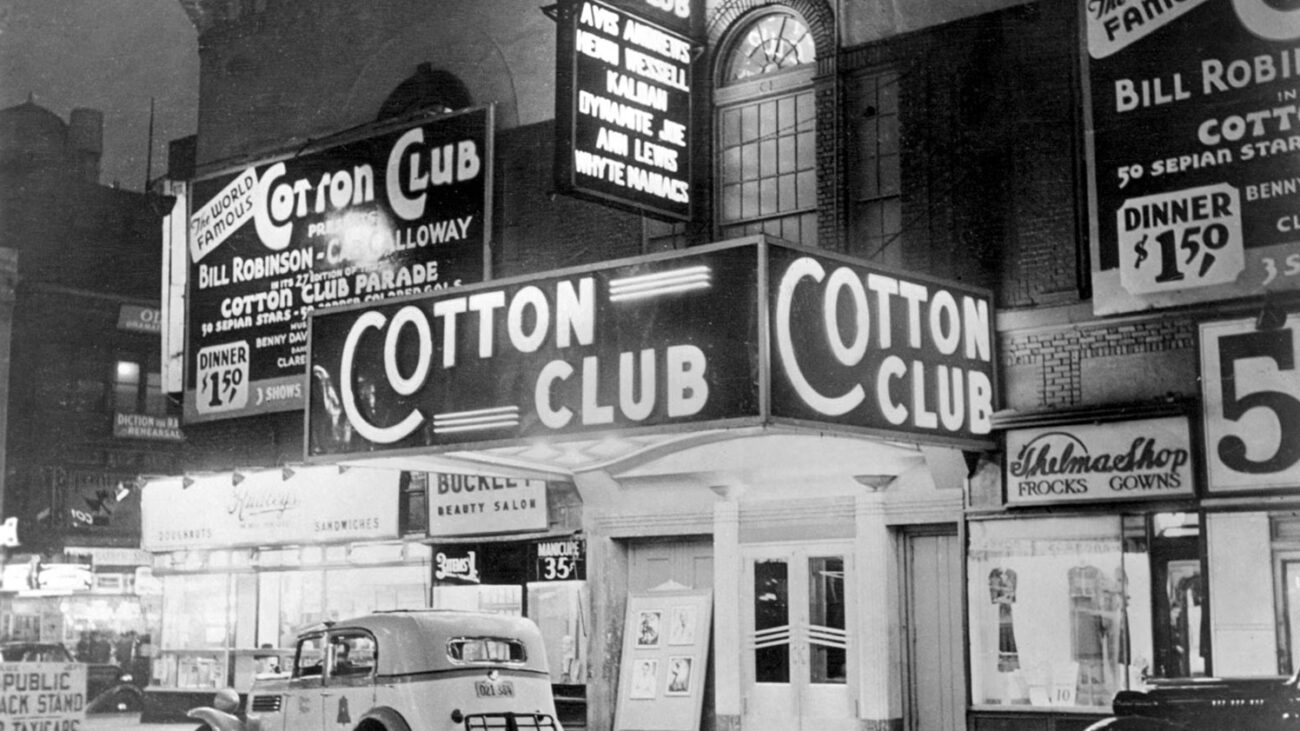
Cotton Club – While the audience was largely restricted to whites, the club showcased legendary Black performers such as Duke Ellington, highlighting the complex racial dynamics of the era where live music could cross boundaries even if social norms could not.
The Palomar Ballroom – The Palomar in Los Angeles is often cited as the birthplace of the Swing Era. In August 1935, Benny Goodman’s “hot” swing captivated an enthusiastic young crowd, changing the course of American music history. Tragically, the ballroom burned down in 1939, immortalized in Charlie Barnet’s song “All Burned Up”.
Roseland Ballroom – An elegant dance hall in New York City, the Roseland hosted top-tier bands and dancers, inspiring the design of later venues like the Savoy. Its live performances defined the sophistication and rhythm of swing music, primarily serving white audiences but leaving a lasting legacy of big band excellence.
Tune in Tonight: Swing with the Big Bands
Friday nights come alive on The Improv Cafe with Swing with the Big Bands. Every performance featured is live, capturing the authenticity, improvisation, and high-energy interaction that defined the swing era. From legendary horn sections to smooth vocal jazz, every song is played as it was meant to be heard—live, vibrant, and unforgettable.
Whether you’re an aficionado of jazz history, a dancer looking to swing, or simply someone who loves the sound of live big band and vocal jazz, tonight’s show delivers it all. Let the music take over, and feel the energy that once lifted an entire nation.
Tune in to The Improv Cafe tonight and dance, bop, and swing with the giants of jazz and big band music. Remember—on The Improv Cafe, every song played is the live version, always.