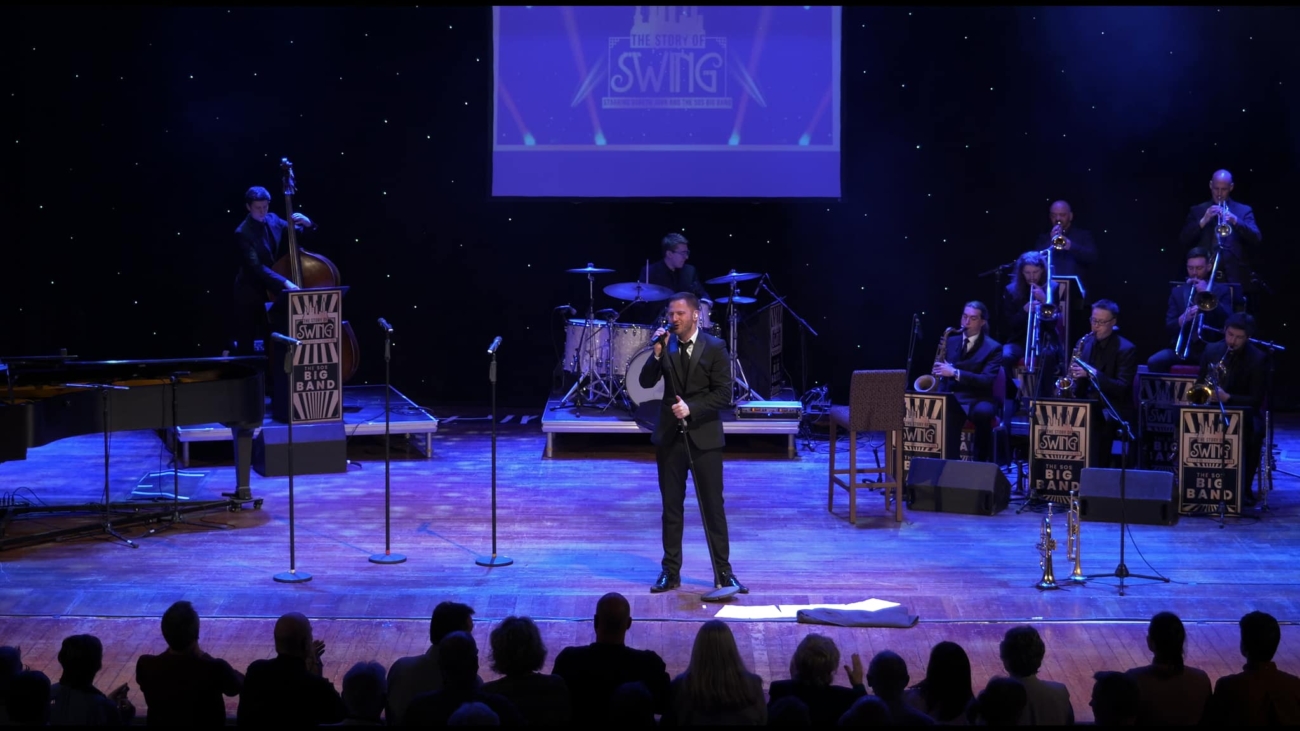
There is a distinct shift happening across the global music landscape—and it is unmistakably live, unfiltered, and rooted in the raw electricity of performance. From the world’s most prestigious concert halls to underground jazz collectives and international festival circuits, live jazz, live big band, and live swing are not only surviving—they are expanding, evolving, and commanding global attention in 2026.
For listeners of The Improv Cafe’, this is more than a trend. It is a validation of the format: a station dedicated exclusively to live recordings, real-time improvisation, and the authentic sound of musicians interacting in the moment. What is unfolding worldwide reinforces a singular truth—the future of jazz is being built in real time, on stage, in the room, and captured live.
The Global Stage Is Reclaiming Live Jazz
Across continents, live jazz performance has become the primary driver of the genre’s growth. Traditional touring models are giving way to curated festival circuits, extended residencies, and venue-based programming designed specifically for large ensembles.
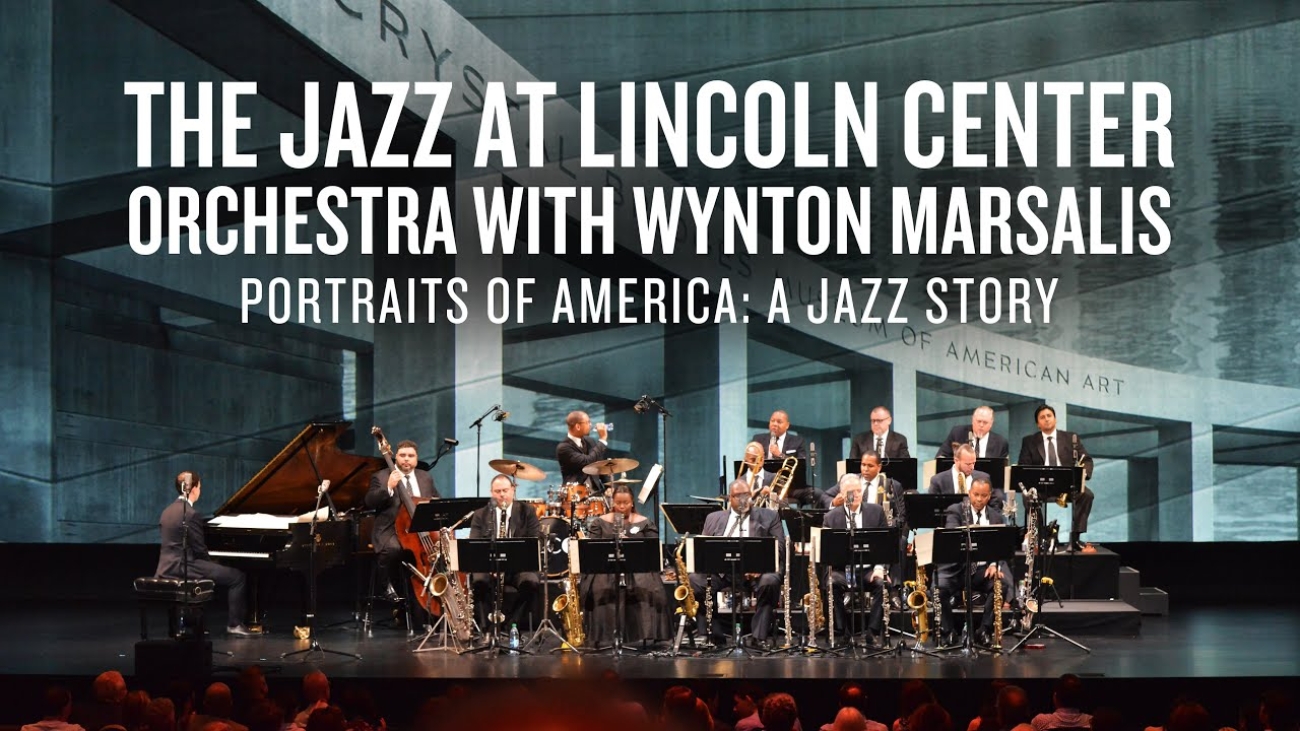
In the United States, New York City continues to function as the operational nucleus of big band performance. At Jazz at Lincoln Center, the calendar remains dense with full-scale orchestras, vocalist-led big band arrangements, and recurring live performance series that prioritize ensemble interplay over studio perfection. Events like the Essentially Ellington Festival are not simply showcases—they are talent pipelines feeding the next generation of arrangers, bandleaders, and improvisers into the global ecosystem.
Just across the Hudson, the New Jersey corridor has quietly become one of the most consistent incubators of serious ensemble work. Series like Jazz in the Loft in South Orange and university-driven programs such as the Princeton Creative Large Ensemble are producing performances that blur the line between academic rigor and professional-level execution. These are not isolated shows—they are part of a broader infrastructure supporting live composition, rehearsal-based development, and performance-first artistry.
Europe: The New Power Center of Big Band Innovation
While the United States maintains its historical foundation, Europe has emerged as a dominant force in modern big band evolution. The shift is structural. Government-supported arts funding, radio orchestras, and conservatory pipelines have created an environment where large ensemble jazz can thrive consistently.
Festivals such as Jazz Baltica represent the scale of this movement. With dozens of performances spanning multiple days, these events are not merely concerts—they are global convenings of composers, arrangers, and large ensemble innovators. Central to this ecosystem is the NDR Bigband, a flagship ensemble that continues to redefine orchestration through contemporary textures, cross-genre integration, and forward-thinking programming.
Across Germany, Scandinavia, and the Netherlands, the modern big band is no longer defined by swing-era nostalgia. Instead, it incorporates:
Cinematic scoring techniques
Electronic layering and ambient textures
Classical compositional frameworks
Improvisational structures that extend beyond traditional forms
This is where big band is being reimagined—not as a preservation project, but as a living, evolving format.
The Rise of Global Jazz Ecosystems
Beyond Europe and the United States, jazz has fully established itself as a global network rather than a regionally concentrated genre.
Massive international events like the Java Jazz Festival demonstrate the scale of audience demand, drawing tens of thousands of attendees and presenting artists from across continents. Meanwhile, industry-facing platforms such as Jazzahead! function as the business engine of the genre, connecting artists, labels, promoters, and festivals into a continuous touring pipeline.
In Australia, the Melbourne International Jazz Festival continues to expand its programming, emphasizing large ensembles and cross-disciplinary collaborations that merge jazz with visual art, film scoring, and contemporary composition.
These global nodes are interconnected. Artists move between them fluidly, building international careers that rely less on traditional touring routes and more on strategic festival appearances and collaborative projects.
Big Band Goes Mainstream Again—But Not As You Remember It
One of the most significant developments in 2026 is the re-entry of big band instrumentation into mainstream cultural visibility—but in transformed form.
Groups like Snarky Puppy are leading this shift. With orchestral-scale projects and collaborations with ensembles such as the Metropole Orkest, they are effectively operating as modern big bands, blending jazz improvisation with funk, world music, and cinematic arrangement.
Simultaneously, acts like The Roots are bringing large ensemble performance into major festival environments, while Jeff Goldblum & The Mildred Snitzer Orchestra continues to attract global audiences with a traditional jazz presentation wrapped in contemporary appeal.
The implication is clear: Big band is no longer confined to jazz audiences—it is being reintroduced to broader markets through hybrid formats.
The Live Album Renaissance
Parallel to the surge in live performance is a global resurgence in live jazz recordings. Labels, artists, and institutions are increasingly prioritizing releases captured in real environments—concert halls, radio sessions, and festival stages.
Recent projects such as:
In My Dreams
Live at KNKX
Future Past Present
reflect a broader industry pivot toward documenting the immediacy of performance rather than constructing perfection in studio isolation.
This aligns directly with the programming philosophy of The Improv Cafe’: what matters most is not the take—it is the moment.
A Parallel Revival: Vintage Swing and Early Jazz
While innovation drives one side of the spectrum, another movement is unfolding simultaneously—a return to early jazz traditions.
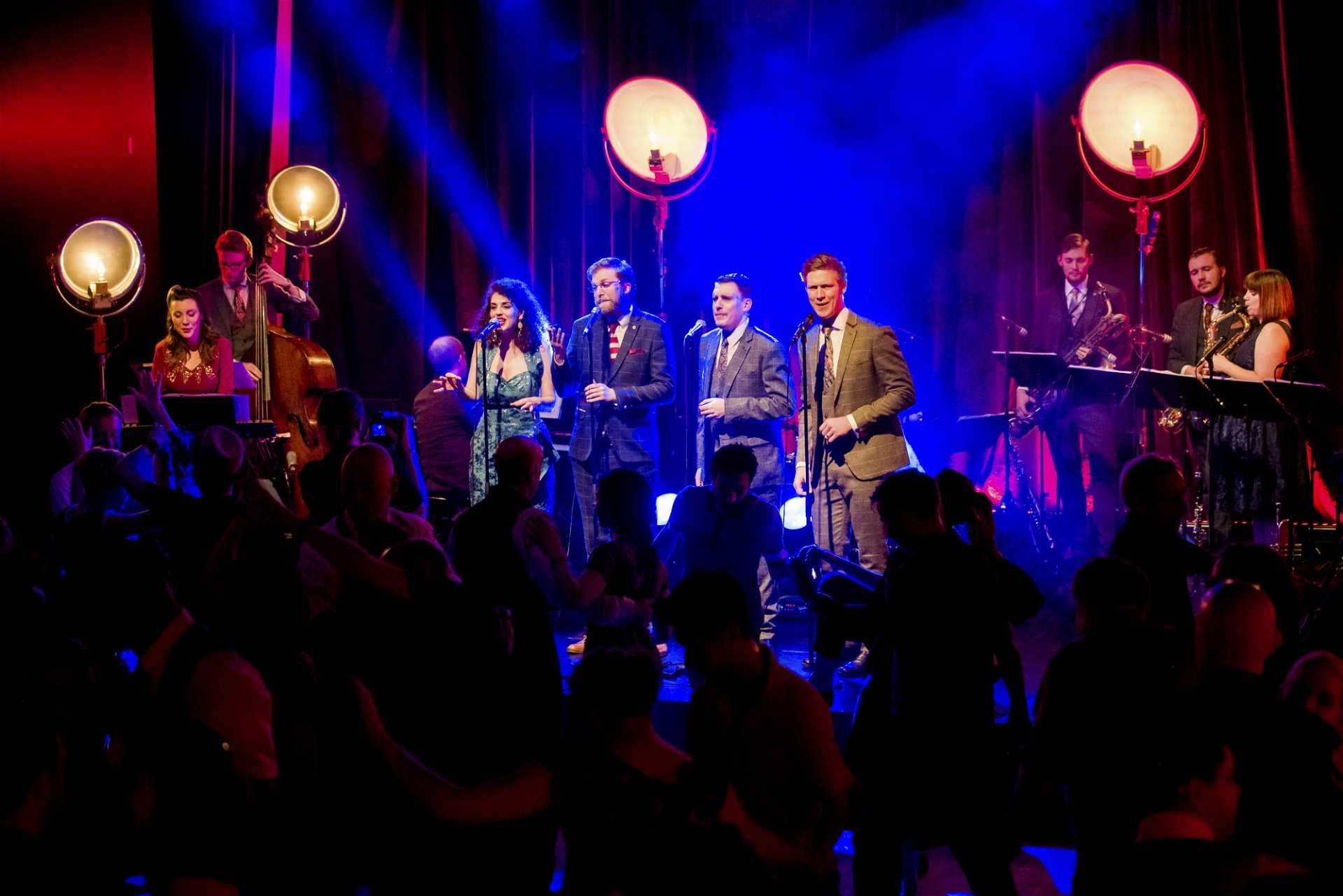
In Spain, ensembles like the 12-piece group Hot Chocolates are reinterpreting 1920s-era jazz with period accuracy and modern energy. Across the UK and international showcase circuits, artists are revisiting swing-era frameworks, not as nostalgia, but as foundational language for contemporary improvisation.
This dual-track evolution—forward-looking experimentation alongside historical revival—creates a uniquely rich global landscape.
The Structural Shift: Why Live Matters More Than Ever
Several key forces are driving the dominance of live jazz in 2026:
Residency-Based Performance Models Large ensembles are increasingly anchored in specific venues, allowing for deeper musical development and consistent audience engagement.
Festival-Centric Touring Artists are prioritizing high-impact appearances across international festivals rather than traditional city-to-city tours.
Institutional Support European radio orchestras, conservatories, and arts funding are sustaining big band infrastructure at a level not seen in decades.
Audience Demand for Authenticity Listeners are gravitating toward recordings that capture the unpredictability and energy of live performance.
What This Means for The Improv Cafe’
Everything happening globally points directly to the core identity of The Improv Cafe’.
This is no longer a niche concept. A station dedicated exclusively to:
Live jazz recordings
Live big band performances
Live swing sessions
is now aligned with the dominant direction of the genre itself.
As live recordings become the preferred format, and as global audiences seek out the authenticity of real-time improvisation, The Improv Cafe’ is positioned not just as a participant in the jazz ecosystem—but as a curator of its most vital form.
The Global Outlook
Step back and the pattern becomes unmistakable:
Europe is leading innovation in big band composition and orchestration
Asia is scaling jazz through massive festival platforms
The United States remains the cultural and historical anchor
Hybrid ensembles are redefining what a big band can be
Live recordings are becoming the definitive format of modern jazz
This is not a revival. It is a recalibration.
And at the center of it all is the same principle that has defined jazz since its origin:
Music created in the moment, shared in real time, and captured live.
That is the sound of 2026. And that is exactly what The Improv Cafe’ delivers.
Few moments in jazz history are as electrifying as the rediscovery of lost performances from artists whose live improvisations helped shape the language of modern music. In the world of live jazz, where spontaneity and emotional expression define the art form, previously unheard recordings offer more than nostalgia—they reveal how a musician truly thought, felt, and created in real time.
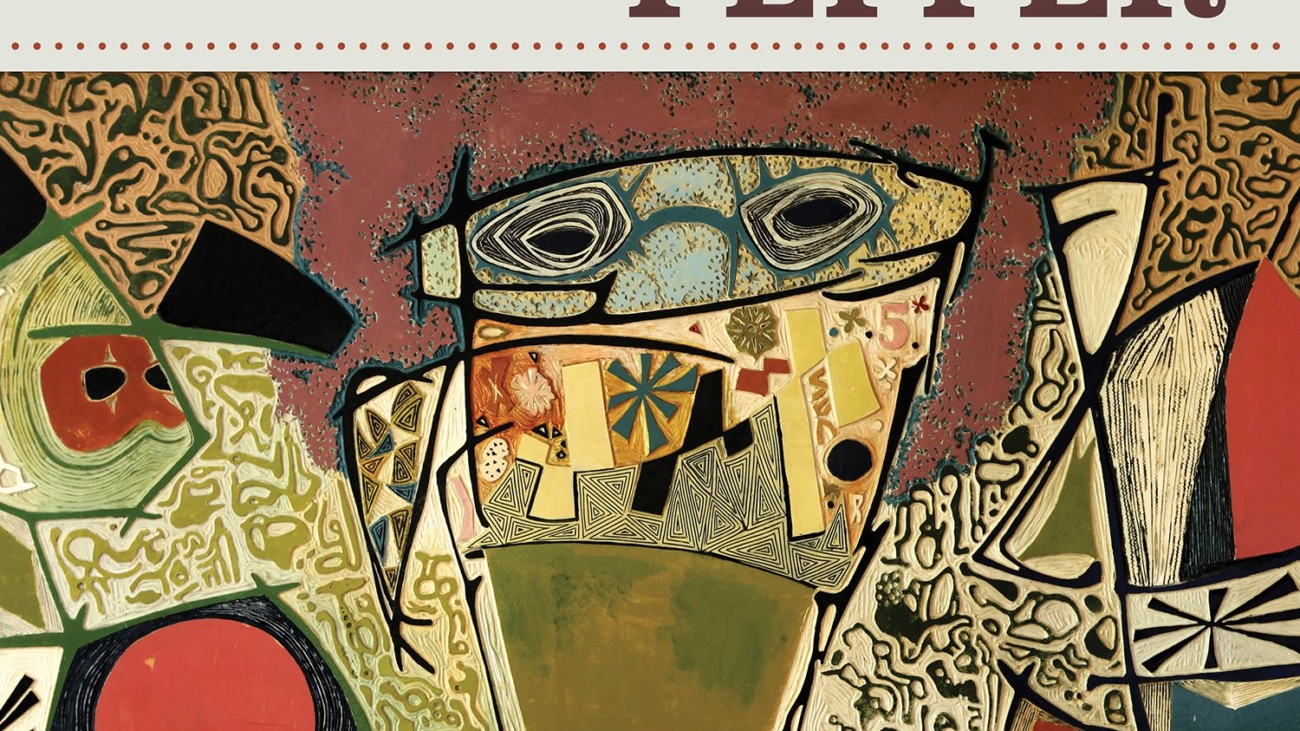
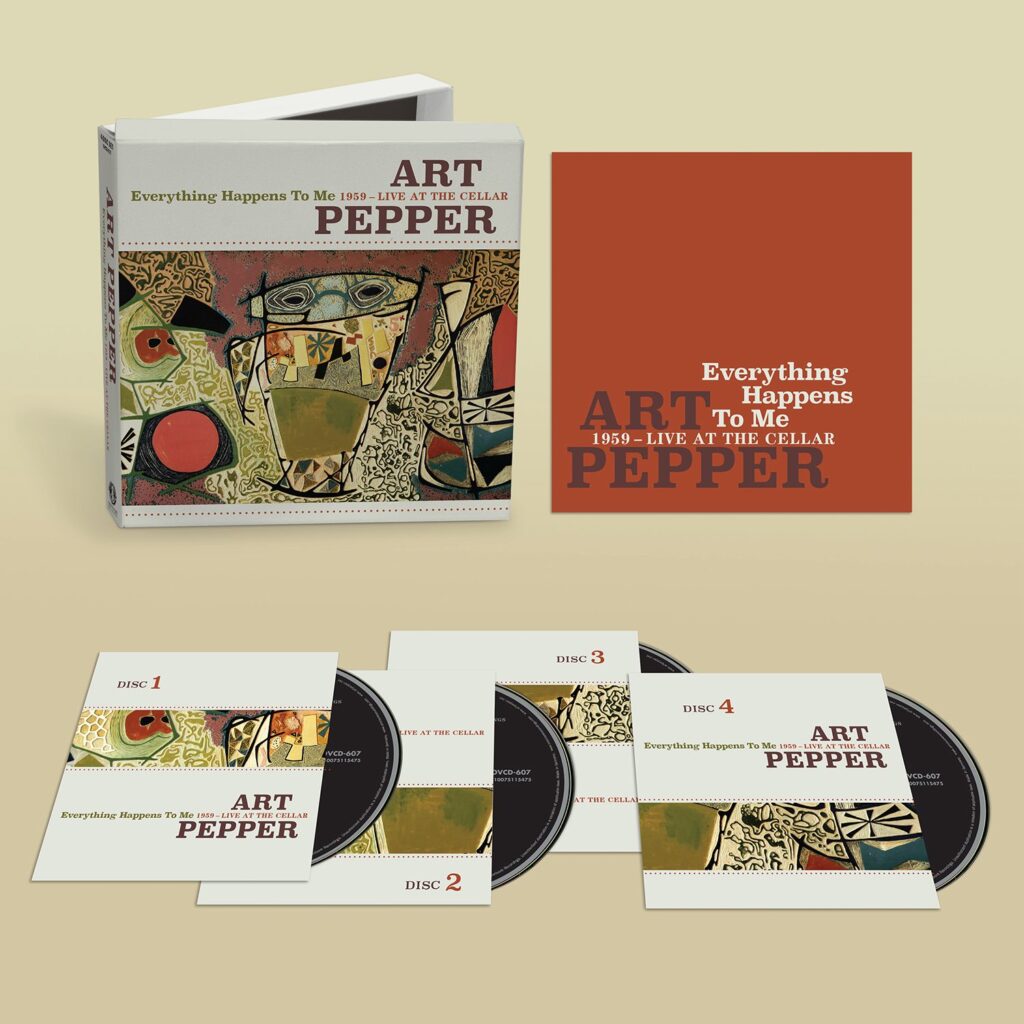
That is exactly what listeners are experiencing with the remarkable new archival release Everything Happens To Me: 1959 – Live At The Cellar, a four-disc set documenting more than four hours of newly discovered live recordings from legendary alto saxophonist Art Pepper.
For listeners of The Improv Café, the radio station dedicated exclusively to live jazz, live big band, and live swing, this extraordinary collection represents exactly the kind of musical discovery that keeps the spirit of improvisation alive. Captured during performances at the legendary Vancouver venue The Cellar in 1959, the recordings provide a rare window into one of the most emotionally expressive voices in modern jazz.
More than sixty years after the music was first played, these performances have finally surfaced, offering a vivid portrait of Art Pepper at a pivotal moment in his artistic journey.
A Hidden Chapter in Jazz History
Released in February 2026 through a partnership between Omnivore Recordings and Widow’s Taste Music, the four-disc collection gathers 32 performances drawn from Pepper’s extended engagement at The Cellar.
The recordings were never originally intended for commercial release. Instead, they were captured by the club’s manager as informal documentation of performances taking place inside one of Canada’s most respected jazz venues.
Because the tapes were made in a casual recording environment rather than a professional studio, the resulting sound offers something uniquely intimate. Listeners hear the atmosphere of the club, the subtle interactions between musicians, and the raw immediacy that defines live jazz.
The result feels less like a traditional album and more like sitting inside the room as the music unfolds.
For fans of The Improv Café, this kind of authenticity is the essence of jazz radio: performances that breathe, evolve, and exist only in the moment.
Art Pepper in a Transformational Era
The year 1959 occupies a fascinating place in Art Pepper’s career. By that point, he had already established himself as one of the most distinctive alto saxophonists on the West Coast jazz scene.
Just two years earlier he had recorded the now-classic Art Pepper Meets The Rhythm Section, a session that paired him with members of the Miles Davis rhythm section and helped solidify his reputation among jazz’s elite improvisers.
Shortly after the Cellar recordings, he would release another important album, Gettin’ Together, which continued to expand his reputation as a deeply expressive and technically formidable player.
The Cellar performances fall squarely between those milestones.
They capture Pepper in an environment free from studio constraints, allowing his improvisational voice to stretch, wander, and occasionally erupt with startling intensity.
According to critics and historians who have studied the newly released recordings, these performances reveal Pepper playing with unusual emotional clarity—direct, honest, and fully immersed in the moment.
The Canadian Rhythm Section Behind the Music
While Pepper’s alto saxophone commands the spotlight, the recordings also showcase a talented Canadian rhythm section that provided the foundation for the performances.
The trio accompanying Pepper during the Cellar engagement included:
Chris Gage on piano
Tony Clitheroe on bass
George Ursan on drums
Together, the group created an ideal environment for improvisation.
Gage’s piano playing provides harmonic sophistication while leaving ample space for Pepper’s melodic explorations. Clitheroe anchors the ensemble with steady bass lines that glide between swing and bebop rhythms, while Ursan’s drumming adds both propulsion and subtle color.
The interplay between the musicians demonstrates one of jazz’s most powerful qualities: the ability for artists who may not have spent years touring together to instantly find a shared musical language.
The Sound of a Night in the Club
One of the most intriguing aspects of the new release is its documentary quality.
Because the recordings were captured informally, microphone placement occasionally shifted between sets, creating subtle changes in sonic perspective. In some moments the saxophone sits prominently in the mix; in others the rhythm section becomes more pronounced.
To preserve the integrity of the performances while improving listenability, the tapes were restored by Grammy-winning engineer Michael Graves. His work carefully balances the audio from different nights and microphone configurations without removing the live atmosphere that makes the recordings so compelling.
The result is an audio experience that feels authentic rather than overly polished.
Listeners hear the club environment, the immediacy of improvisation, and the dynamic energy that can only exist during live jazz performance.
The Music: Bebop, Standards, and Improvisational Fire
Across the four discs, the collection presents a wide range of repertoire centered on jazz standards and bebop classics.
Many songs appear multiple times across the set, recorded during different nights of Pepper’s residency. This repetition becomes one of the album’s greatest strengths.
Each performance reveals how Pepper approached the same composition in new ways.
Melodies stretch in unexpected directions. Rhythmic phrasing shifts. Solos evolve into entirely different emotional landscapes.
Among the standout pieces are several interpretations that highlight Pepper’s expressive range.
His reading of Over the Rainbow unfolds with remarkable emotional depth, transforming the familiar melody into a reflective meditation on tone and phrasing.
Meanwhile, the energetic bebop staple Bernie’s Tune explodes with rapid-fire improvisation, demonstrating Pepper’s technical brilliance and melodic imagination.
Other highlights include multiple renditions of Holiday Flight, Yardbird Suite, and Allen’s Alley, each revealing new improvisational ideas that emerge from night to night.
The presence of repeated tunes is not redundancy—it is a masterclass in the art of jazz variation.
The Emotional Impact of the Performances
Perhaps the most remarkable aspect of the Cellar recordings is the emotional authenticity that permeates the music.
Art Pepper’s life was marked by significant personal struggles, including battles with addiction and periods of incarceration. Yet in moments like these performances, listeners hear an artist fully connected to the music that defined his life.
Family members and historians have noted that the Cellar engagement reportedly had a profound effect on Pepper. The positive reception from audiences and the joy of performing live jazz in such an intimate setting helped reaffirm his commitment to the music.
In that sense, the recordings are not simply archival artifacts.
They document a moment when the healing power of music was actively shaping an artist’s life.
Why Discoveries Like This Matter
For jazz fans and historians, newly discovered recordings offer rare opportunities to expand the understanding of an artist’s legacy.
Unlike studio albums, which are often meticulously planned and edited, live recordings capture musicians thinking in real time. They reveal the creative decisions made moment by moment as performers interact with each other and the audience.
For listeners of The Improv Café, these recordings embody everything the station celebrates.
Live music.
Improvisation.
Authenticity.
From the roar of big band horn sections to the delicate interplay of small jazz ensembles, the station’s commitment to live performance connects listeners directly with the essence of jazz history.
The Improv Café: Where Live Jazz Lives On
In an era when digital streaming often prioritizes polished studio recordings, The Improv Café stands apart by dedicating its programming entirely to live music.
Every broadcast reflects the belief that the most powerful moments in jazz occur on stage—where musicians take risks, audiences respond instantly, and improvisation transforms familiar songs into something entirely new.
The rediscovery of Everything Happens To Me: 1959 – Live At The Cellar perfectly embodies that philosophy.
It reminds us that somewhere, in clubs and concert halls around the world, extraordinary performances are happening every night—moments that may someday resurface as treasured chapters in the history of jazz.
For now, listeners can immerse themselves in the newly revealed brilliance of Art Pepper’s 1959 Vancouver performances and experience the timeless magic of live jazz exactly as it was meant to be heard.
On The Improv Café, where the music never stands still and every note carries the thrill of improvisation, discoveries like this ensure that the spirit of jazz continues to evolve—one unforgettable performance at a time.
On Sunday evenings, when the pace of the weekend begins to soften and the world settles into a quieter rhythm, the sound of a warm vocal line drifting over a swinging rhythm section can feel like the perfect companion. That spirit is exactly what defines “Singing with Swing,” the signature Sunday night program on The Improv Cafe’, the radio station dedicated entirely to the timeless electricity of live jazz, live big band, and live swing performances.
Each broadcast celebrates the living tradition of jazz vocals—an art form that blends storytelling, improvisation, and orchestral energy into one unforgettable musical experience. Tonight’s edition of Singing with Swing arrives at a remarkable moment for vocal jazz, as the genre continues to surge with renewed global excitement, new stars, historic achievements, and a wave of festivals and performances that prove the tradition is not just surviving—it’s thriving.
For listeners tuning into The Improv Cafe’, tonight’s program is more than a radio show. It’s an immersion into the evolving world of jazz vocals and the artists shaping the sound of modern swing.
The Renaissance of Jazz Vocals
Across the jazz landscape, vocalists are enjoying one of the most vibrant periods the genre has seen in decades. A new generation of singers has embraced the classic vocabulary of swing, bebop phrasing, and big band orchestration while introducing fresh approaches to arrangement, songwriting, and stage performance.
From intimate club performances to major international festivals, vocal jazz has become a centerpiece of contemporary jazz culture. The combination of timeless repertoire, fearless improvisation, and expressive storytelling has made vocalists some of the most compelling artists on today’s jazz stages.
Listeners of Singing with Swing experience this resurgence firsthand every Sunday night. The program curates a mix of iconic performances and contemporary live recordings that capture the immediacy and spontaneity that only live jazz can deliver.
And this year, few voices have commanded more attention than one extraordinary artist.
Samara Joy’s Historic Moment in Jazz
Few musicians in any genre are experiencing a run as remarkable as Samara Joy, the young jazz vocalist whose meteoric rise has captured the attention of critics, musicians, and audiences around the world.
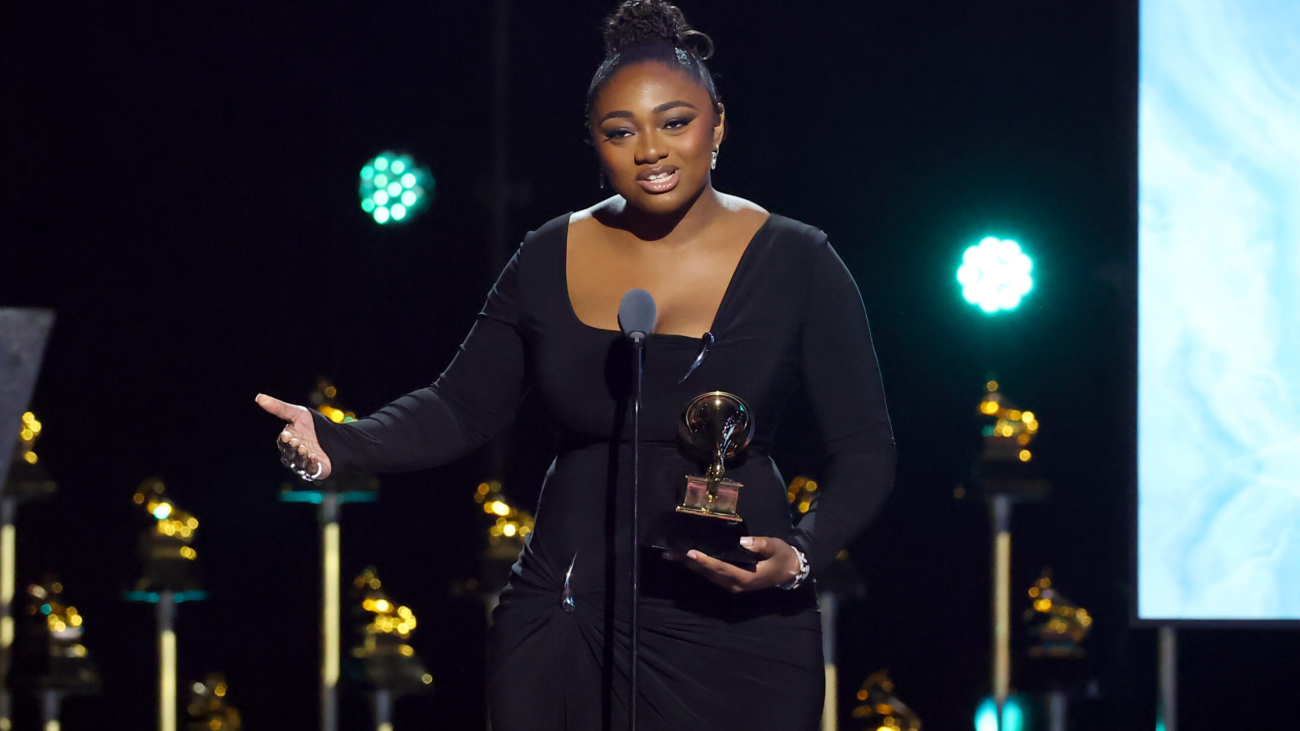
Her momentum reached new heights earlier this year when she achieved an unprecedented milestone at the 68th Grammy Awards, earning her third consecutive Grammy Award for Best Jazz Vocal Album for her stunning 2025 release Portrait. The record has been praised for its emotional depth, impeccable phrasing, and the way it channels the spirit of classic jazz vocalists while sounding unmistakably modern.
Joy’s success didn’t stop there.
She also took home Best Jazz Performance for her original composition Peace of Mind / Dreams Come True, marking a significant step in her evolution from interpreter of standards to songwriter and creative force within the genre.
The impact of her artistry continues to ripple outward. Joy is currently touring internationally and will soon perform with the Atlanta Symphony Orchestra on March 25–26, 2026, bringing her voice into the orchestral jazz tradition that once defined the golden era of big band vocalists.
Her growing influence also reached television audiences when a special concert presentation, Samara Joy at Royal Albert Hall, premiered on PBS, introducing her electrifying stage presence to an even wider audience.
For fans tuning into Singing with Swing, artists like Samara Joy represent the bridge between jazz’s historic roots and its future.
The 2026 Jazz FM Awards Spotlight Vocal Excellence
While Samara Joy dominates headlines, she is far from the only voice shaping the contemporary jazz vocal scene. The 2026 Jazz FM Awards nominations highlight a diverse group of singers who continue to push the genre forward.
Among the nominees for Vocalist of the Year are:
• Brigitte Beraha • Marvin Muoneké • Yazmin Lacey
Each artist brings a distinct stylistic approach—from adventurous improvisational phrasing to soul-inflected interpretations that expand jazz’s boundaries.
Meanwhile, the Album of the Year category includes a widely celebrated project from Cécile McLorin Salvant, whose album Oh Snap continues her reputation as one of the most inventive and theatrical jazz vocalists of her generation.
These artists embody the very qualities celebrated on The Improv Cafe’: authenticity, musicianship, and the electrifying chemistry of live performance.
A Global Festival Season Celebrating Jazz Voices
Beyond awards and recordings, the global jazz calendar for 2026 is packed with festivals that place vocalists at the center of the stage.
One of the most anticipated events of the summer is the Twin Cities Jazz Festival, where rising star Michael Mayo will headline on June 20. Known for his remarkable vocal range and fearless improvisational style, Mayo represents a bold new direction for jazz singing.
Across the Atlantic, the Love Supreme Jazz Festival, scheduled for July 3–5, has announced a lineup rich with vocal talent. Performers include Alex Isley, the genre-blending singer known for her smooth fusion of jazz and R&B, as well as the charismatic vocalist Durand Bernarr. Legendary soul group Sister Sledge will also appear, bringing their iconic catalog to the festival stage.
Spring also brings a series of exciting events closer to home. The Swing Into Spring Festival, running March 17–21, will feature vocalist Allison Rumley performing alongside the acclaimed Dan Pugach Big Band, a combination that promises the sweeping arrangements and high-energy swing that define classic jazz concerts.
At the same time, UW-Parkside Jazz Week will spotlight a diverse lineup of artists including Damon Locks and Leala Cyr, while the March programming at SFJAZZ highlights the genre-crossing artistry of vocalist José James, known for blending jazz, soul, and contemporary influences.
Together, these festivals illustrate how vibrant the vocal jazz ecosystem has become.
Spotlight Performers Bringing Swing to the Stage
Beyond the major festival circuit, a number of artists are creating memorable live performances across concert halls and jazz clubs.
Billboard-charting vocalist and pianist Spencer Day returns to the stage on March 12 with his program California Golden, a performance that blends classic crooner traditions with contemporary songwriting and storytelling.
Meanwhile, New York-based vocalist Katie Oberholtzer recently delivered a standout performance at the Barnes Foundation in Philadelphia, reminding audiences how powerful a live jazz vocal performance can be in an intimate setting.
These artists, along with many others, are helping ensure that jazz vocals remain not only relevant but central to the live jazz experience.
Why Live Jazz Vocals Matter
At its heart, jazz vocals represent one of the most human forms of musical expression. Unlike heavily produced studio recordings, live vocal jazz thrives on spontaneity. Every performance carries the possibility of a new interpretation, a daring improvisation, or a subtle emotional nuance that makes the moment unique.
This philosophy lies at the core of The Improv Cafe’.
The station’s programming focuses exclusively on live recordings, preserving the energy of real-time musical conversation between vocalist and band. From intimate trio performances to sweeping big band arrangements, every broadcast captures the feeling of being present in the room as the music unfolds.
For listeners, that authenticity creates a powerful connection to the music.
Tonight on The Improv Cafe’: Singing with Swing
Tonight’s broadcast of Singing with Swing continues that tradition.
As the evening unfolds, listeners will hear a carefully curated selection of live vocal jazz performances that celebrate both legendary artistry and the modern voices redefining the genre today. The show creates the perfect Sunday atmosphere—warm, sophisticated, and deeply musical.
Whether you’re relaxing at home, finishing the weekend with a quiet evening, or simply looking for the soundtrack to a perfect Sunday night, Singing with Swing delivers an experience that captures the timeless magic of jazz vocals.
From rising stars dominating award seasons to celebrated performers filling festival stages across the world, the jazz vocal tradition is enjoying a remarkable moment of renewal.
And every Sunday night, The Improv Cafe’ brings that world directly to your speakers.
Tune in tonight, let the band swing, let the singers soar, and let the spirit of live jazz carry you into the night.
On Friday nights, the sound of swing returns in full force across the airwaves of The Improv Cafe, the radio station devoted exclusively to the energy and authenticity of live performance. For listeners who crave the unmistakable excitement of Live Jazz, Live Big Band, and Live Swing, tonight’s broadcast of “Swing with the Big Bands” is more than a radio show—it is a journey through one of the most powerful musical movements ever created.
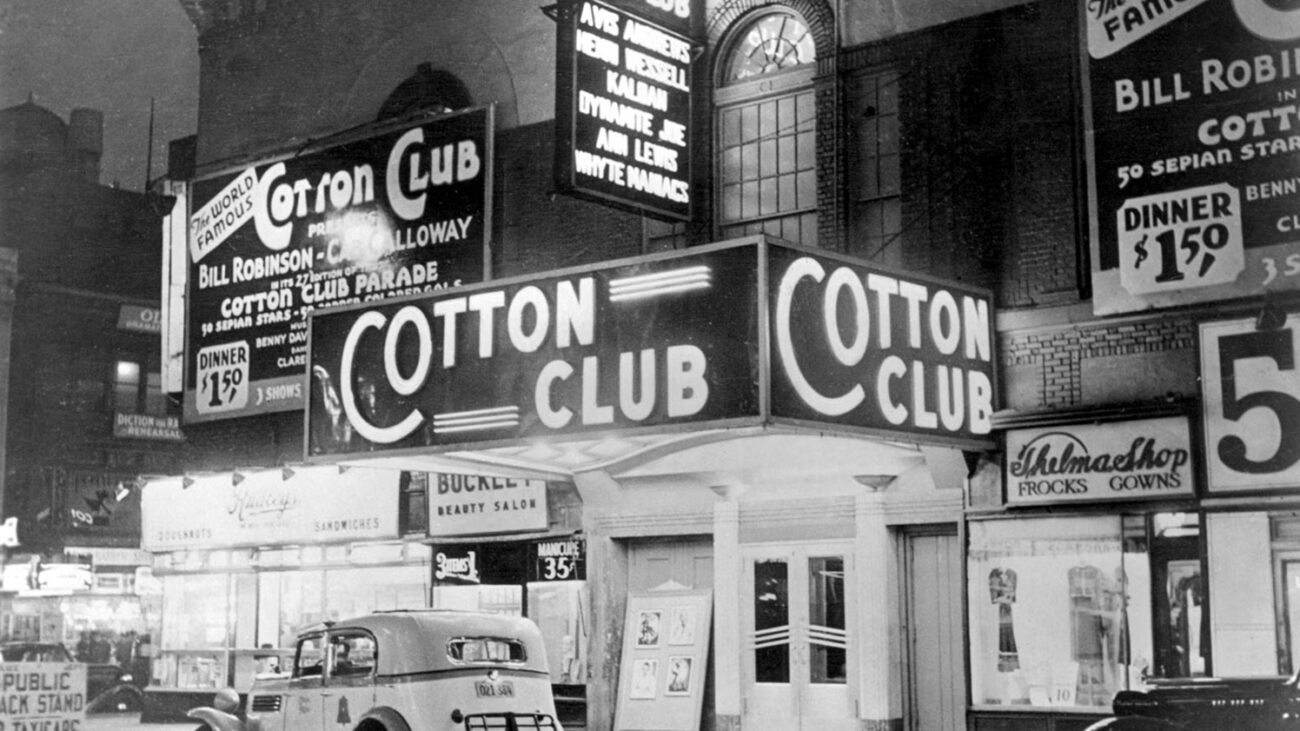
Few places represent that history more vividly than The Cotton Club, the legendary Harlem nightclub that helped define the sound, spectacle, and cultural influence of the big band era. The story of that venue—its complicated past, its extraordinary music, and its lasting impact on American culture—remains inseparable from the music that continues to inspire audiences today.
As listeners tune in tonight, they will hear echoes of that historic stage in every horn section, every piano run, and every thunderous swing rhythm that once electrified New York City during the height of the Harlem Renaissance.
Harlem, Jazz, and the Birth of a Musical Powerhouse
The Cotton Club stood at the center of Harlem’s cultural explosion during the early twentieth century. Located on 142nd Street and Lenox Avenue, the venue quickly became one of the most talked-about nightclubs in America.
Originally opened in 1920 as Club DeLuxe, the venue was founded by Jack Johnson, the groundbreaking heavyweight boxing champion who became a cultural icon in his own right. The club would soon undergo a transformation that would cement its place in entertainment history.
In 1923, the club was taken over by Owney Madden, a notorious New York mob figure who transformed the venue into a lavish speakeasy during the Prohibition era. Madden renamed the club The Cotton Club, turning it into a glamorous destination for wealthy socialites, celebrities, and tourists who were eager to experience Harlem nightlife.
Yet the club existed within a deeply contradictory social reality. While it showcased extraordinary Black musicians, dancers, and entertainers, the audience itself remained exclusively white, reflecting the racial segregation that defined the era.
Despite that exclusionary structure, the music created inside the Cotton Club would help reshape American entertainment forever.
The Cotton Club Sound That Changed Music
The Cotton Club quickly evolved into one of the most influential musical venues in the country. The stage became a proving ground for some of the greatest performers in jazz history.
One of the most significant figures to emerge from the club was Duke Ellington, who led the Cotton Club’s house band beginning in 1927. Ellington’s orchestra delivered nightly performances that combined sophisticated arrangements with the improvisational brilliance that defined early jazz.
His residency at the club helped transform him from a rising bandleader into a national star.
Weekly live broadcasts from the Cotton Club were transmitted over radio station WHN, bringing the energy of Harlem nightlife into living rooms across the United States. For many Americans, those broadcasts served as their first exposure to the electrifying sound of big band jazz.
The club’s stage would also host an extraordinary lineup of performers whose influence continues to resonate today:
Louis Armstrong, whose trumpet playing helped redefine the boundaries of jazz performance
Ethel Waters, whose powerful voice bridged blues, jazz, and popular music
Lena Horne, who later became one of the most iconic performers of the twentieth century
Bill “Bojangles” Robinson, whose dance innovations helped shape the future of tap performance
The Cotton Club became a launchpad for these artists, amplifying their music through live radio broadcasts and transforming them into household names.
The Radio Era That Spread Swing Across America
The Cotton Club’s national radio broadcasts were revolutionary. At a time when radio was rapidly becoming the dominant form of home entertainment, live performances from Harlem clubs gave millions of listeners a front-row seat to the jazz revolution.
These broadcasts allowed the big band sound to travel far beyond New York City. Audiences across the country were suddenly hearing the driving rhythms, bold brass arrangements, and improvisational brilliance that defined swing.
In many ways, those broadcasts were the predecessors of what The Improv Cafe continues to do today.
By focusing exclusively on live jazz and big band recordings, the station recreates the same immersive musical experience that radio audiences first encountered nearly a century ago.
Listeners aren’t just hearing music—they are stepping into the atmosphere of legendary performance halls where the music was born.
A Complicated Legacy
While the Cotton Club’s musical influence remains undeniable, its social history is equally important to understand.
The club’s décor and stage productions often reflected stereotypical “plantation” themes designed to appeal to white audiences who traveled uptown for what was sometimes described as “slumming.” Performers were frequently required to wear costumes that reinforced racist caricatures of Black culture.
Despite these injustices, the musicians themselves transformed the stage into a place of artistic brilliance.
The music they created transcended the limitations placed upon them, ultimately reshaping American culture and paving the way for future generations of artists.
Their talent and creativity turned the Cotton Club into a symbol of both the struggles and triumphs of the Harlem Renaissance.
The Cotton Club’s Closing Years
The original Harlem location of the Cotton Club closed following the Harlem race riots of 1935, marking the end of one chapter in the venue’s history.
The club briefly reopened in Midtown Manhattan at Broadway and 48th Street in 1936, attempting to recapture its earlier success. However, changing musical tastes and mounting legal issues—including investigations into tax evasion—eventually forced the venue to close permanently in 1940.
By that time, swing music had already spread across the nation, carried by radio broadcasts, touring orchestras, and the growing popularity of big band dance halls.
The Cotton Club itself may have faded, but the music it helped elevate had already become part of the American cultural foundation.
The Modern Cotton Club in Harlem
Today, a venue carrying the Cotton Club name operates on West 125th Street in Harlem.
While it is not the same organization as the original segregated nightclub, the modern venue celebrates Harlem’s musical heritage by hosting live jazz and gospel performances that continue the neighborhood’s historic tradition of live music.
Visitors in recent months have reported that the club still features outstanding musicians who keep the spirit of Harlem jazz alive.
In many ways, that ongoing commitment to live performance reflects the same philosophy embraced by The Improv Cafe.
Music is most powerful when experienced live.
The spontaneity. The improvisation. The raw energy of musicians responding to each other in real time.
Those elements define both the golden era of big band jazz and the programming that listeners enjoy on The Improv Cafe today.
Tonight on The Improv Cafe: Swing with the Big Bands
That brings us to tonight’s highly anticipated broadcast.
Every Friday evening, “Swing with the Big Bands” brings together legendary live recordings from the greatest big band artists in history. The show captures the exhilaration of swing music in its purest form, allowing listeners to hear the music exactly as audiences experienced it decades ago.
Expect powerful horn sections, driving rhythms, and unforgettable solos from some of the most celebrated orchestras ever assembled.
From the golden age of jazz ballrooms to historic radio broadcasts and live concert recordings, the program explores the performances that defined the swing era.
It’s a chance to hear the kind of music that once filled legendary venues like the Cotton Club—and to experience it with the same excitement that audiences felt when those bands first took the stage.
So if you’re looking for something special on a Friday night, tune in and let the music carry you back to a time when swing ruled the dance floor.
Turn up the volume. Clear some space to dance. Let the brass section lead the way.
Because when the big bands start swinging on The Improv Cafe, the spirit of jazz history comes roaring back to life.
There are few musical experiences as powerful, spontaneous, and emotionally rich as hearing jazz performed live. Every note unfolds in the moment. Every solo tells a story that exists only once in time. The energy between musicians and audience becomes part of the performance itself.
That spirit of musical discovery sits at the heart of The Improv Café, the radio station dedicated exclusively to live jazz, live big band, and live swing recordings. While most music outlets rely on studio tracks and polished edits, The Improv Café delivers something entirely different—authentic performances captured on stage, where improvisation, creativity, and collaboration define the sound.
For listeners who believe the true essence of jazz exists in the moment of performance, The Improv Café has become a destination where the great traditions of the genre remain alive. Night after night, broadcast after broadcast, the station brings audiences into the heart of live jazz culture.
And tonight’s programming highlights one of the most iconic institutions in that world.
Tonight on The Improv Café: The Live at the Blue Note Radio Show
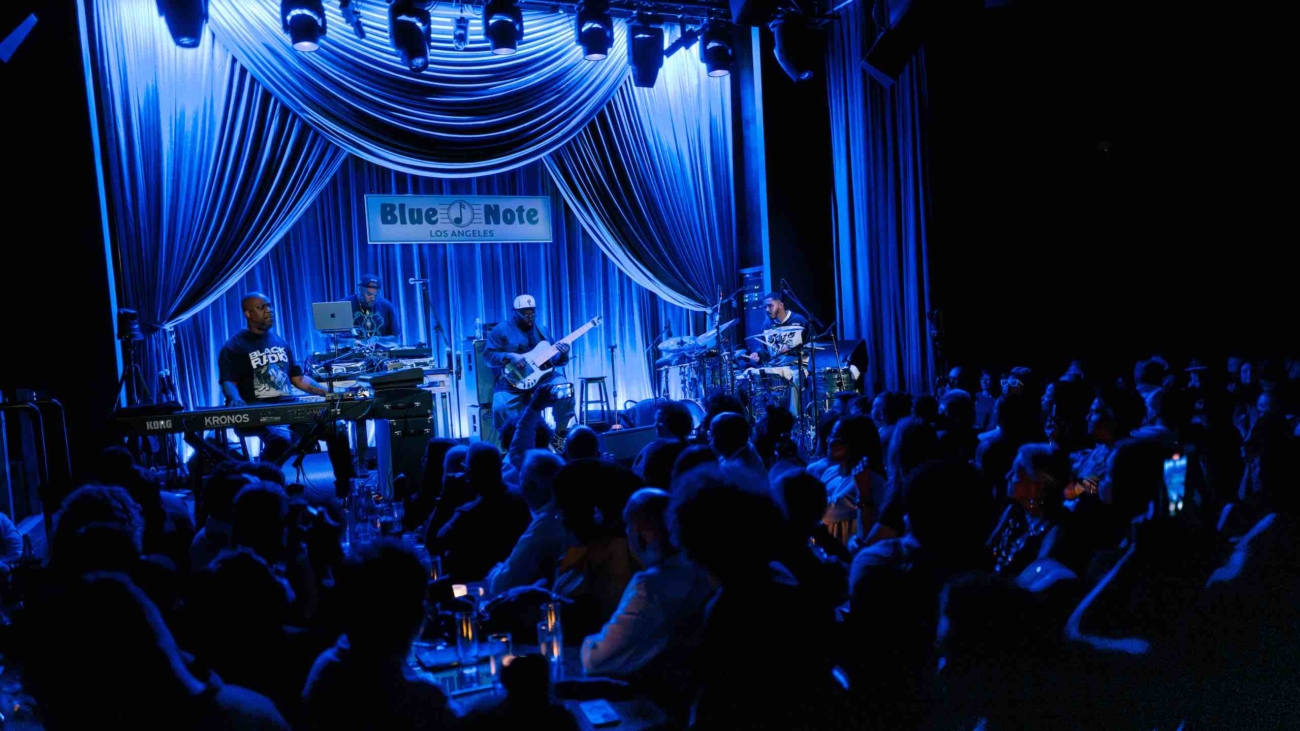
Tonight’s spotlight belongs to one of the most famous stages in jazz history with the broadcast of the Live at the Blue Note Radio Show, a program dedicated to performances recorded at the legendary Blue Note jazz clubs.
The show features recordings captured during live concerts at Blue Note venues as well as live recordings originally released on albums and concert releases. Each broadcast recreates the experience of sitting inside one of the world’s most celebrated jazz rooms, where generations of musicians have stepped onto the stage to push the music forward.
Few venues carry the historical significance of the Blue Note.
Located in the heart of Greenwich Village in New York City, the flagship club has become synonymous with great jazz performance. Over the decades, it has welcomed an extraordinary lineup of musicians representing every era and evolution of the genre.
Inside the club, the atmosphere is unmistakable. Dim lighting, close tables, and a stage just steps away from the audience create an intimate setting where listeners feel every nuance of the music.
For those who cannot physically attend a performance, the Live at the Blue Note Radio Show brings that atmosphere directly to listeners everywhere.
Through live recordings, the program captures the essence of the club’s performances—the subtle interplay between musicians, the roar of applause following a brilliant solo, and the unique sound that can only be created when artists are performing in front of a live audience.
For The Improv Café audience, this program represents the purest expression of the station’s mission: celebrating live music exactly as it happened.
The Blue Note: One of the Most Important Stages in Jazz History
Since its founding, the Blue Note has become one of the most influential venues in the history of jazz.
The club has long been recognized as a gathering place for some of the most extraordinary musicians in the world. From traditional jazz ensembles to cutting-edge experimental groups, the Blue Note has provided a stage where innovation thrives.
What makes the venue so special is its ability to bridge generations. Legendary performers share the same stage where rising stars make their breakthrough appearances. Established icons return again and again, drawn by the club’s reputation for exceptional audiences and acoustics.
For many musicians, performing at the Blue Note represents a milestone in their careers.
Listeners who tune into The Improv Café tonight will experience that legacy firsthand as the Live at the Blue Note Radio Show brings performances recorded in the club directly to the airwaves.
A Global Expansion of the Blue Note Experience
The Blue Note brand has grown far beyond its Greenwich Village origins. Over the past several decades, the organization has expanded into a worldwide network of jazz venues, bringing the spirit of the club to cities across the globe.
In Asia, Blue Note locations in Tokyo, Beijing, and Shanghai have developed thriving jazz communities, hosting both international touring artists and local musicians who continue to shape the future of the genre.
In Europe, the Blue Note Milan has become one of the continent’s premier jazz venues, attracting audiences from across Italy and beyond.
Throughout the Americas, the brand continues to grow with locations in New York, Los Angeles, Rio de Janeiro, São Paulo, and Honolulu.
Each club maintains the same philosophy that made the original location legendary: intimate rooms, world-class sound, and a commitment to live performance.
For listeners of The Improv Café, these venues represent a network of stages where live jazz continues to evolve every night.
Blue Note London: A New Chapter for 2026
The next major expansion of the Blue Note arrives in early 2026 with the opening of Blue Note London, the organization’s first permanent venue in the United Kingdom.
The new club will be located beneath the St Martins Lane hotel in Covent Garden, placing it directly within one of London’s most vibrant cultural districts.
The venue will feature a 350-person capacity layout designed to preserve the intimate feel that defines the Blue Note experience. The main performance space will host approximately 250 guests, while an additional area known as the “B-Side” room will accommodate smaller audiences for alternate performances and special programming.
Licensed to operate until 1 a.m. throughout most of the week, the club is expected to become a major destination for jazz lovers in London, as well as touring artists traveling through Europe.
For fans of live jazz worldwide, the opening signals another important step in the continuing growth of the Blue Note network.
Blue Note Los Angeles Adds West Coast Energy
While the London location prepares to open, the Blue Note has already expanded its presence on the West Coast of the United States.
In August 2025, Blue Note Los Angeles officially opened its doors in Hollywood on Sunset Boulevard. The venue features two performance spaces and a full-service dining experience, blending the tradition of the New York club with the vibrant music culture of Los Angeles.
The club has already established a busy calendar of performances extending well into 2026, bringing together touring artists, resident musicians, and special collaborations that reflect the diversity of the modern jazz scene.
For The Improv Café audience, venues like this represent new stages where the next generation of live jazz recordings will be captured.
Blue Note New York: A Packed Schedule of Performances
The original Blue Note location in Greenwich Village continues to host one of the most dynamic jazz calendars anywhere in the world.
Throughout March 2026, the club’s stage will feature a remarkable range of artists and collaborative performances that reflect the evolving landscape of jazz.
Highlights include multi-night performances by KEM Presents: ALKEMY, an innovative project bringing together musicians exploring contemporary jazz fusion. Another highly anticipated collaboration pairs drummer Chris Dave with hip-hop pioneer DJ Jazzy Jeff and tap dance legend Savion Glover, creating a genre-crossing performance that blends rhythm, improvisation, and movement.
The lineup continues with performances from Atomic Habitz, an ensemble featuring renowned musicians including Chris Dave and Marcus King. Later in the month, the club welcomes performances from Destin Conrad and the James Francies Trio, each bringing their own unique approach to modern jazz expression.
Every performance adds another chapter to the venue’s long history of live recordings and unforgettable concerts.
The Blue Note Jazz Festival Continues the Tradition
Beyond the walls of its clubs, the Blue Note organization has also built a global reputation through its annual Blue Note Jazz Festival events.
These festivals extend the brand’s commitment to live jazz into larger outdoor settings, featuring extensive artist lineups and multi-day programming.
While dates for the 2026 New York and Napa festival editions are still developing, the popular Summer Sessions at The Meritage Resort in Napa Valley will continue, ensuring that audiences can experience world-class jazz performances in both intimate club settings and open-air festival environments.
These events further strengthen the connection between live performance and the global jazz community.
The Improv Café: Where Live Jazz Lives on the Airwaves
In a music landscape increasingly dominated by digital playlists and studio recordings, The Improv Café stands apart as a station fully dedicated to live performance.
The station’s programming celebrates the raw authenticity of concerts captured in real time—moments when musicians interact, respond, and improvise with each other in ways that cannot be replicated in the studio.
By focusing exclusively on live jazz, live big band, and live swing recordings, The Improv Café preserves the true spirit of the genre.
Listeners hear the music exactly as audiences experienced it inside legendary venues around the world.
That mission reaches its peak with programs like the Live at the Blue Note Radio Show, where one of the most iconic jazz stages becomes part of the broadcast experience.
A Celebration of Improvisation and Musical Legacy
Jazz has always been a living, breathing art form built on improvisation, collaboration, and creative risk-taking.
From the intimate tables of the Blue Note to the worldwide broadcast of The Improv Café, that tradition continues to evolve with every performance.
Each live recording tells a story—one shaped by the musicians on stage, the audience in the room, and the shared moment that exists only once.
Tonight’s broadcast of the Live at the Blue Note Radio Show offers listeners a front-row seat to that experience.
For anyone who believes that the true power of jazz is found in the energy of live performance, The Improv Café remains the place where the music never stops evolving.
If you love jazz the way it was meant to be heard — raw, spontaneous, unedited, and alive — tonight is not optional.
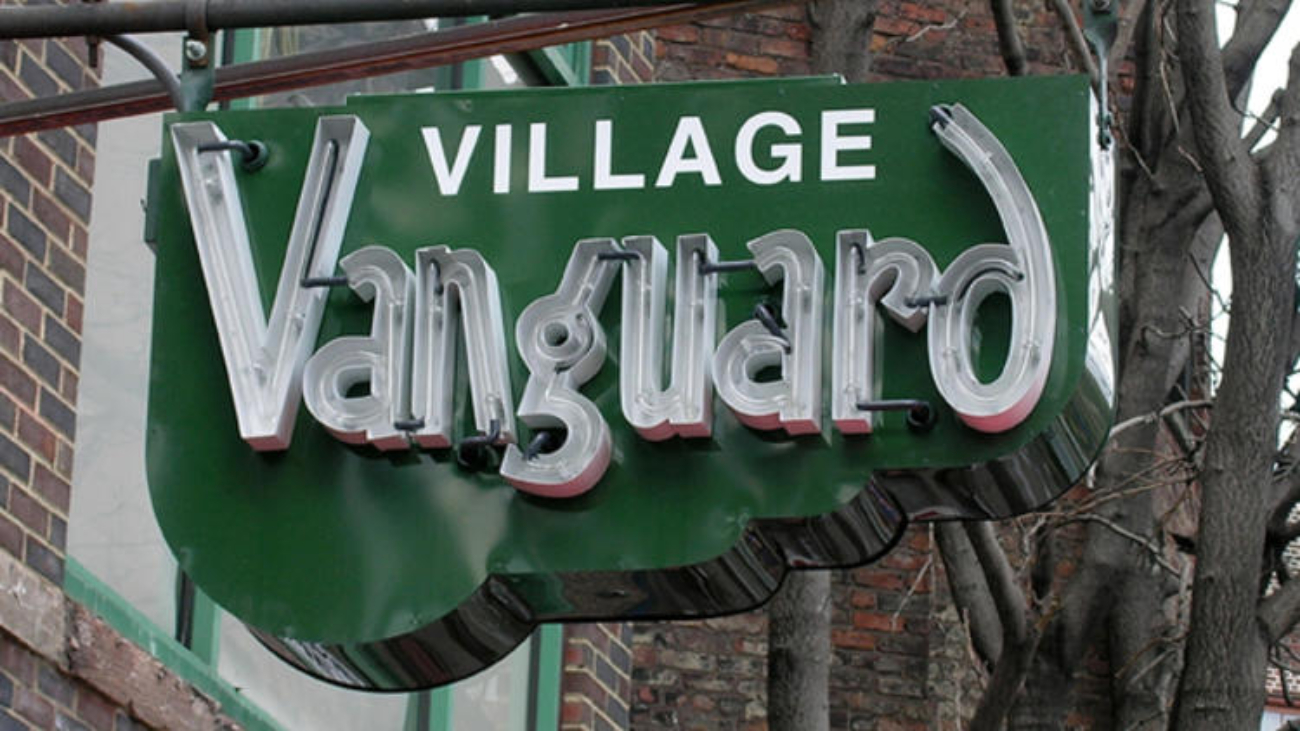
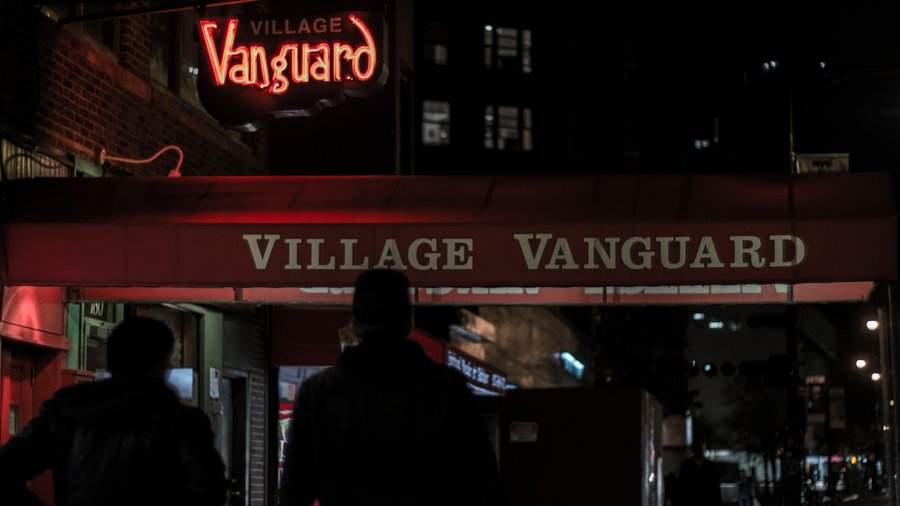
The Improv Café, the radio station dedicated exclusively to live jazz, live big band, and live swing, is presenting a five-hour continuous broadcast of historic performances recorded at the legendary Village Vanguard.
Five hours. No filler. No studio polish. No watered-down playlists.
Just the sound of musicians in the room.
And not just any room.
Why “Live at the Village Vanguard” Still Means Something
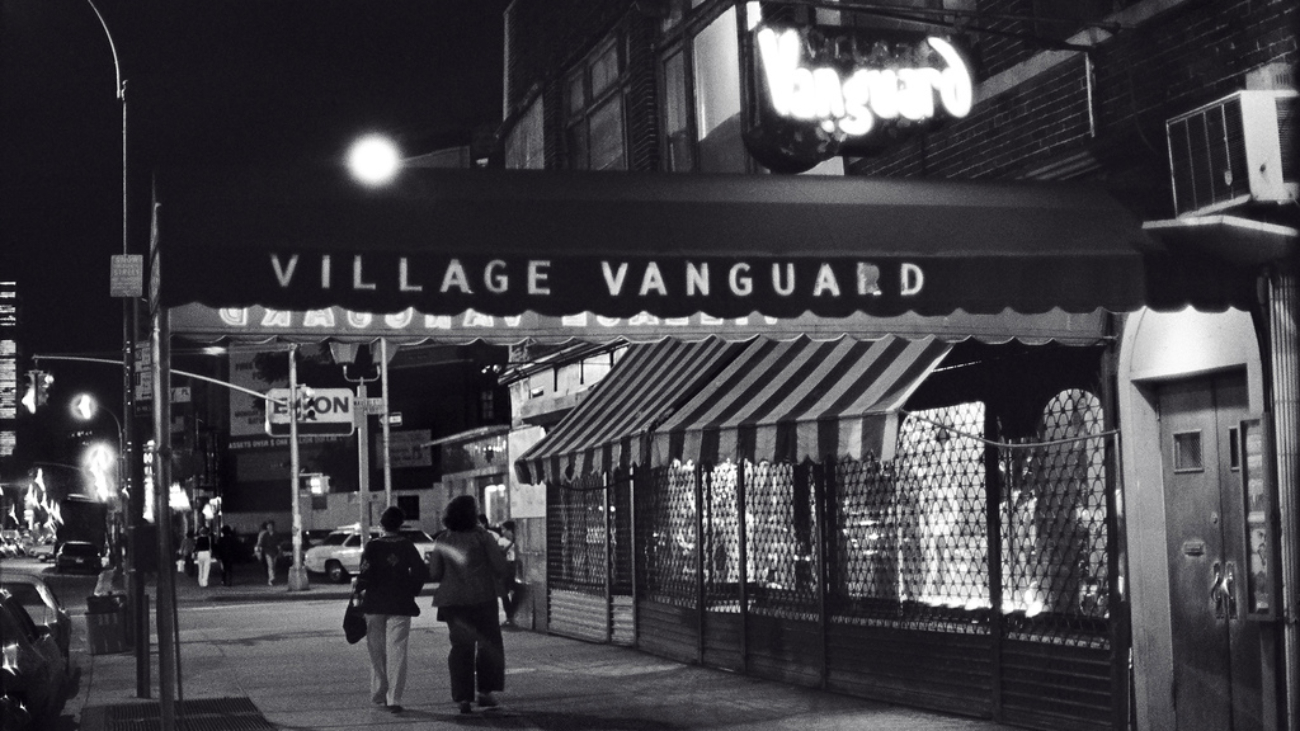
The Village Vanguard isn’t just another club. It’s the basement in Greenwich Village where the sound of modern jazz was sharpened, stretched, and immortalized.
When you hear “Live at the Village Vanguard,” you’re hearing the room where:
John Coltrane redefined spiritual intensity
Bill Evans changed the language of piano trio interplay
Sonny Rollins turned improvisation into architecture
Wynton Marsalis carried forward a living tradition
That stage has never stopped mattering. And as of March 2026, it’s still hosting week-long residencies from artists like Julian Lage, Walter Smith III, Marquis Hill, and Kevin Hays — with the Vanguard Jazz Orchestra continuing its legendary Monday-night run.
But tonight, you don’t have to be in Manhattan.
The Improv Café is bringing that room to you.
What Makes This Broadcast Different
Most radio stations play jazz.
The Improv Café plays live jazz only.
That means:
You hear the audience react.
You hear the tension before a solo breaks open.
You hear musicians talking to each other through their instruments.
You hear the risk.
Improvisation is not clean. It’s not predictable. And that’s the point.
Tonight’s five-hour Vanguard special isn’t a sampler. It’s immersion.
From blistering tenor saxophone runs to delicate brushwork on the snare… from explosive big band sections to intimate trio exchanges… this is jazz in motion.
No commercial clutter. No mood playlists. No algorithm.
Just music happening.
The Atmosphere Matters
If you’ve ever been to the Village Vanguard, you know the feeling.
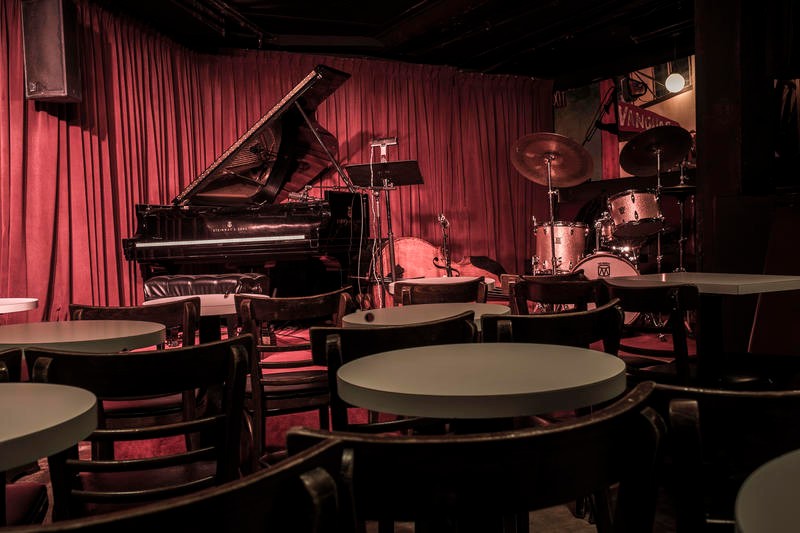
Dim lights. Close tables. No distractions. The ceiling low enough to keep the sound contained and concentrated. The kind of acoustics where even a whisper on a ride cymbal carries weight.
That intimacy is what made so many Vanguard recordings definitive.
And that intimacy is exactly what The Improv Café preserves by committing exclusively to live performance.
Because once jazz leaves the room and enters a sterile studio environment, something changes.
The Improv Café refuses that trade-off.
Why This Matters Now
We live in an era of infinite streaming. Infinite playlists. Infinite background noise.
But live jazz demands attention.
It asks you to sit still. To listen. To notice.
And when you do, it rewards you with moments that will never happen the same way twice.
That’s why tonight’s broadcast isn’t just programming. It’s preservation. It’s celebration. It’s proof that live performance still has power.
Five Hours. Every Tuesday Night.
This isn’t a one-off event.
Every Tuesday night, The Improv Café delivers five continuous hours of classic live jazz recorded at the Village Vanguard.
It’s a ritual.
It’s a commitment.
It’s a reminder that jazz was never meant to be background music.
If you’re a longtime jazz listener, tonight will reconnect you with why you fell in love with this music in the first place.
If you’re new to jazz, tonight might change how you hear music entirely.
Tune In
The Improv Café Live Jazz. Live Big Band. Live Swing.
Tonight. Five straight hours. Live at the Village Vanguard.
Turn it on. Turn it up. And let the room come alive.
The global jazz community is entering a defining era. From historic international announcements and leadership transitions to major festival debuts and a thriving live performance scene across the United States, 2026 is shaping up to be one of the most consequential years in modern jazz history. For listeners devoted to authentic performance culture — the living, breathing experience of improvisation — these developments signal an extraordinary expansion of live jazz’s global presence.
As a radio station dedicated exclusively to Live Jazz. Live Big Band. Live Swing, The Improv Cafe’ continues to spotlight the artists, performances, and cultural movements shaping the future of the genre. This comprehensive feature examines the major announcements redefining jazz worldwide, including Chicago’s selection as host city for International Jazz Day 2026, the historic transition at Jazz at Lincoln Center, new international festival launches, major festival lineups, and a flourishing local live jazz circuit.
This is not merely a season of concerts — it is a moment of transformation for the entire jazz ecosystem.
Chicago Named Global Host for International Jazz Day 2026
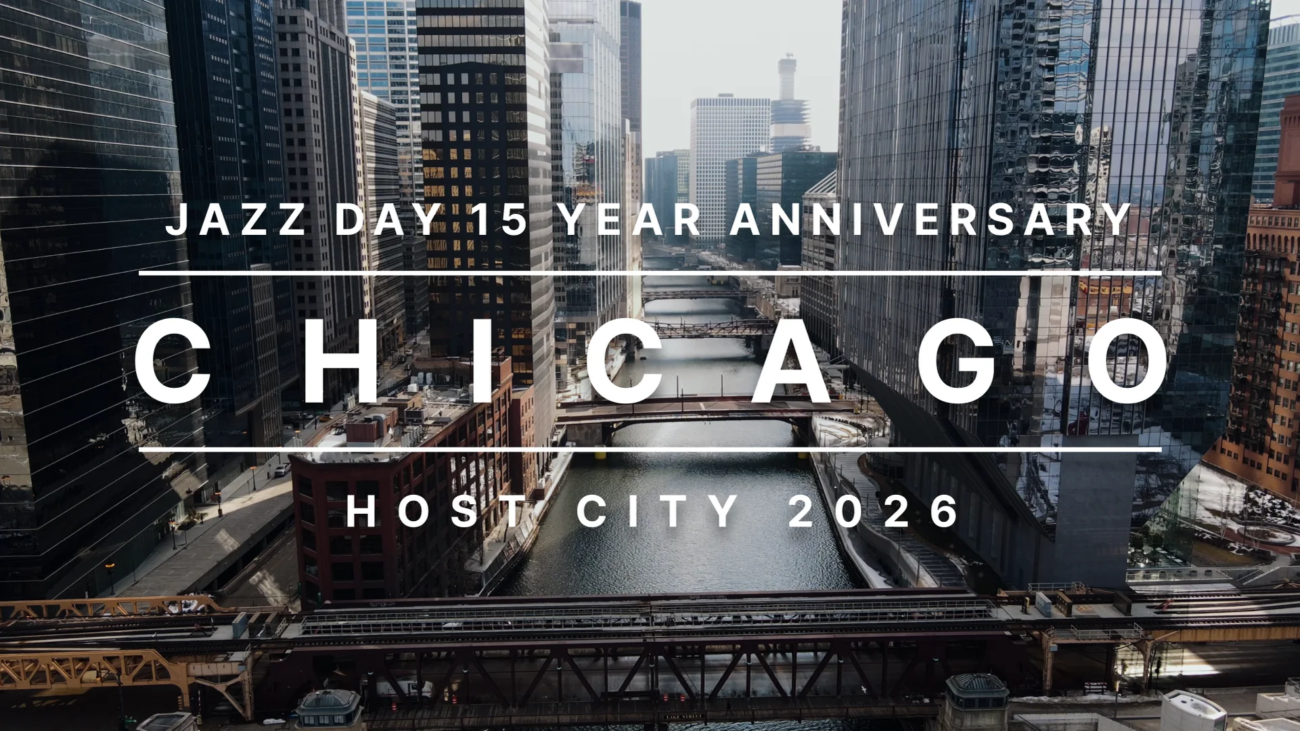
Chicago’s selection as the global host city for International Jazz Day 2026, scheduled for April 30, marks a powerful recognition of the city’s profound and enduring influence on jazz history.
Few cities possess a musical legacy as foundational to jazz as Chicago. From the Great Migration’s cultural wave that reshaped American music in the early 20th century to the city’s pioneering role in developing modern improvisational styles, Chicago has long served as a crucible for artistic innovation. The city nurtured early pioneers, fostered groundbreaking ensembles, and established institutions that helped transform jazz into a global language.
The 2026 celebration will place an international spotlight on:
Chicago’s historic role in shaping early jazz and swing traditions
Its influential club culture and live performance heritage
Its continuing impact on contemporary improvisational music
A global concert broadcast featuring world-renowned artists
The worldwide broadcast will connect audiences across continents in a shared celebration of jazz as a universal art form rooted in collaboration, creativity, and cultural dialogue.
For live-performance enthusiasts, Chicago’s hosting represents more than recognition — it is an affirmation that the future of jazz remains anchored in vibrant performance communities.
A Historic Transition: Wynton Marsalis to Conclude Leadership at Jazz at Lincoln Center
In one of the most significant institutional announcements in modern jazz history, Jazz at Lincoln Center confirmed that its founder and artistic director, Wynton Marsalis, will step down from his leadership role in July 2027.
Marsalis’ tenure represents one of the most transformative eras in jazz advocacy and education. Over decades, he helped elevate jazz within global cultural institutions, expanded education initiatives, and strengthened the music’s visibility as a central pillar of American artistic expression.
His contributions include:
Establishing Jazz at Lincoln Center as a premier global jazz institution
Advocating for jazz as a formal cultural discipline
Preserving and advancing the lineage of American jazz masters
Marsalis’ departure marks the conclusion of a defining chapter while opening new possibilities for institutional evolution. The transition signals both continuity and change — a passing of the torch within one of jazz’s most influential organizations.
For listeners who value live performance traditions, the moment underscores the importance of stewardship in preserving jazz’s improvisational spirit while encouraging innovation.
Santa Monica Launches New International Jazz Festival Honoring Davis and Coltrane
A major new global event will debut in May 2026 with the launch of the Santa Monica International Jazz Festival, curated by legendary bassist Stanley Clarke. The festival will celebrate the centennial anniversaries of two towering figures of modern music — Miles Davis and John Coltrane.
The event promises to unite artists, educators, and audiences from around the world in a tribute to two musicians whose work redefined musical possibility.
Festival highlights include:
Performances inspired by Davis’ revolutionary fusion innovations
Interpretations of Coltrane’s spiritual and modal explorations
International artist collaborations
Educational programming and master classes
Cross-generational tribute ensembles
By honoring Davis and Coltrane simultaneously, the festival emphasizes the continuing relevance of their artistic philosophies — experimentation, emotional depth, and boundary-pushing creativity.
For The Improv Cafe’ audience, this festival represents the essence of live jazz culture: performance as an evolving conversation across generations.
Major 2026 Festival Lineup Reflects Jazz’s Expanding Reach in Atlanta
Atlanta Jazz Festival
Atlanta’s major May event showcases the next wave of jazz innovation with a forward-thinking lineup:
Kamasi Washington
The Roots
Esperanza Spalding
The festival highlights modern jazz’s fusion with hip-hop, experimental composition, and global musical traditions.
Live Jazz Thrives Locally: Philly & Jersey!
While global festivals capture headlines, jazz’s vitality remains rooted in local live performance communities. The Philadelphia region continues to demonstrate a remarkable concentration of high-quality live jazz experiences.
Upcoming performances include – Select Individual Performances in NJ & Philly!
Emmaline — February 22, SOUTH Restaurant & Jazz Club A jazz-pop performance featuring original love songs in a Valentine’s-themed evening of contemporary vocal jazz.
Ruth Naomi Floyd Quartet — February 22, First Presbyterian Church A spiritually driven program celebrating African American History Month through themes of faith, endurance, and cultural memory.
Daniel Meron Trio — February 24, Chris’ Jazz Cafe Modern melodic jazz selections from the trio’s new album Pendulum.
The Rite of Swing Jazz Café — February 26, Temple Performing Arts Center A live swing showcase featuring faculty and students from Boyer College of Music.
Ekep Nkwelle — February 27, Chris’ Jazz Cafe A rising contemporary jazz vocalist delivering two sets at one of the region’s premier venues.
These performances demonstrate the ongoing importance of intimate live settings — spaces where improvisation unfolds in real time and audience connection remains central.
Global Festivals Energizing the Current Jazz Season
Beyond upcoming events, the current weekend’s global festival calendar illustrates jazz’s vibrant international momentum.
Palm Springs International Jazz Festival (February 19–22, 2026)
Featuring Esperanza Spalding, Stanley Clarke, and Lisa Fischer, the festival showcases a wide spectrum of contemporary jazz innovation and virtuosity.
San Diego Jazz Party (February 20–22, Del Mar)
A celebration of traditional jazz styles, featuring leading performers including Chuck Redd and Ken Peplowski, emphasizing classic ensemble performance traditions.
The Expanding Future of Live Jazz Performance
Taken together, these developments reveal a genre experiencing both preservation and reinvention. Institutional transitions, international celebrations, new festivals, and thriving local scenes all point toward a powerful resurgence of live jazz culture.
Key trends shaping the future include:
Growing global recognition of jazz’s cultural significance
Expanding international collaboration
Renewed emphasis on live performance experiences
Stronger connections between education and performance
Cross-genre innovation driven by younger artists
For listeners devoted to the authenticity of live improvisation, this moment represents an unprecedented opportunity to engage with jazz in its most dynamic form.
New Jersey’s Live Jazz Renaissance: Major 2026 Festivals, Statewide Concert Series, and Performance Announcements Signal a Powerful Era for Live Jazz, Big Band, and Swing
New Jersey’s live jazz culture is entering a defining moment. Across the state, major festival announcements, expanding community concert programs, and a steady calendar of high-profile performances are creating one of the most dynamic jazz environments in the country. From world-class ensembles and historic venues to grassroots performance spaces nurturing the next generation of improvisational artists, 2026 is shaping up to be a landmark year for live jazz in the Garden State.
For The Improv Cafe’ — the radio destination devoted exclusively to Live Jazz. Live Big Band. Live Swing — this surge represents exactly what defines the genre’s future: authentic performance, community connection, and the living tradition of improvisation unfolding in real time.
This comprehensive feature examines the major developments shaping New Jersey’s live jazz landscape in 2026, including massive festival returns, free statewide concert initiatives, influential monthly performance series, and an expanding roster of headline performances.
The result is nothing short of a statewide jazz renaissance.
New Jersey Emerges as a National Powerhouse for Live Jazz Performance
New Jersey has long held a central place in American jazz history, producing influential artists, nurturing innovative ensembles, and maintaining a vibrant performance culture that bridges tradition and experimentation. In 2026, that legacy is accelerating into a new phase defined by accessibility, diversity of programming, and expanded audience engagement.
Key trends driving the state’s jazz expansion include:
Major festival growth and international-caliber programming
Free community jazz initiatives increasing public access
Monthly performance series strengthening local scenes
Large ensemble and big band revival
Increased collaboration between educational institutions and performance venues
Stronger regional identity tied to American jazz traditions
Together, these developments position New Jersey as one of the most active live jazz ecosystems in the United States.
Montclair Jazz Festival 2026: A Statewide Cultural Event with National Impact
The Montclair Jazz Festival, scheduled for August 15, 2026, returns with its signature Downtown Jamboree + Block Party, presenting a sweeping celebration of America’s most influential jazz cities.
The 2026 theme — Salute to American Jazz Cities — explores the regional roots and musical identities that shaped jazz’s evolution, offering audiences a curated experience connecting New Jersey to the broader national tradition.
Major Featured Performances
Christian McBride Big Band Tribute to Philadelphia The festival’s artistic director leads a major large-ensemble tribute celebrating Philadelphia’s profound contributions to jazz history, emphasizing big band precision, improvisational virtuosity, and historic repertoire.
Spanish Harlem Orchestra Representing New York A powerful showcase of New York’s Latin jazz legacy, blending rhythmic innovation, orchestral arrangement, and high-energy performance.
Take Me to the River All-Stars Honoring New Orleans A celebration of the birthplace of jazz, highlighting the city’s foundational role in shaping improvisational music.
Soundcheck Series: Free Summer Performances
Building momentum toward the August event, the festival’s free Soundcheck Series begins June 16, offering select Tuesday night performances that bring live jazz directly into the community. These concerts strengthen audience engagement while reinforcing Montclair’s reputation as a national hub for live jazz.
The festival’s scale, artistic vision, and accessibility make it one of the most influential jazz gatherings in the region.
Exit Zero Jazz Festival Returns to Cape May
The Spring Exit Zero Jazz Festival, running May 15–17, 2026, continues its tradition as one of New Jersey’s premier jazz destinations. Set against the historic coastal backdrop of Cape May, the festival blends world-class performance with an immersive cultural experience.
Festival Highlights
Performances at Cape May Convention Hall
Live jazz programming across local clubs and venues
Multi-day event format featuring diverse styles
Intimate performance environments alongside major concerts
The festival’s distinctive atmosphere — where historic architecture meets contemporary performance — offers audiences an immersive experience that celebrates both jazz heritage and modern innovation.
Princeton University Jazz Festival Expands Academic and Performance Excellence
The Princeton University Jazz Festival returns April 11, 2026, at Richardson Auditorium, further demonstrating the powerful connection between jazz education and live performance.
The event features the Creative Large Ensemble as headliner, showcasing sophisticated composition, advanced improvisation, and the evolving language of modern jazz.
University-based festivals play a crucial role in:
Supporting emerging artists
Advancing experimental composition
Bridging academic study and live performance
Cultivating future jazz audiences
Princeton’s continued investment reflects the growing importance of institutional leadership in sustaining jazz’s future.
Monthly Concert Series Strengthen New Jersey’s Jazz Infrastructure
Beyond major festivals, a network of recurring concert series is transforming New Jersey’s jazz ecosystem into a year-round performance environment.
All This Jazz — Paterson
The free monthly All This Jazz series takes place every fourth Friday at NJCDC’s Rogers Hall, offering accessible live performances that strengthen community engagement and introduce new audiences to the art form.
The program reflects a broader movement toward inclusive cultural programming and local artistic development.
NJPAC Free Jazz — Newark
From February through May 2026, the New Jersey Performing Arts Center hosts a major community jazz initiative featuring free performances and jam sessions.
Highlights include appearances by leading artists such as Joe Locke and James Carter, alongside open sessions that encourage audience participation and musician collaboration.
This initiative reinforces Newark’s historic role as a center of jazz innovation while expanding access to world-class performance.
Jersey Jazz LIVE! — Madison
Organized by the New Jersey Jazz Society, Jersey Jazz LIVE! presents performances at the Madison Community Arts Center, continuing the organization’s mission to promote jazz education and appreciation statewide.
Upcoming programming includes the Lisa Parrott Quartet, highlighting contemporary ensemble performance and advanced improvisational artistry.
Headline Performances Across New Jersey Venues
New Jersey’s 2026 performance calendar features an impressive lineup of individual concerts spanning modern jazz, traditional swing, vocal performance, and experimental styles.
February–March 2026 Performance Highlights
Willie Morris — February 25, Teaneck A dynamic contemporary performance reflecting modern jazz expression.
Branford Marsalis Quartet — February 26, Wayne One of the most influential ensembles in modern jazz, delivering sophisticated improvisation and masterful ensemble interplay.
Orrin Evans & Paul Jost — March 1, Cape May A compelling collaboration blending vocal interpretation and piano-driven innovation.
Gloria Galante — March 5, Collingswood A celebrated harpist presenting a distinctive voice within jazz performance.
Marel Hidalgo — March 22, South Orange (Jazz in the Loft) A rising artist contributing fresh perspectives to contemporary jazz.
These performances illustrate the remarkable depth of New Jersey’s jazz scene — from established legends to emerging voices shaping the genre’s future.
The Big Band and Swing Revival in New Jersey
A defining element of New Jersey’s 2026 jazz surge is the renewed emphasis on large ensemble performance. Big band and swing traditions are experiencing a significant revival, fueled by festivals, university programs, and community performance initiatives.
This resurgence reflects growing demand for:
Orchestral jazz arrangements
Traditional swing repertoire
Live ensemble performance experiences
Historical preservation through performance
Cross-generational collaboration
For The Improv Cafe’, this movement reinforces the station’s mission to preserve and broadcast jazz in its most powerful form — live performance energy captured in real time.
Why New Jersey’s Jazz Growth Matters Globally
New Jersey’s expanding jazz infrastructure contributes to a broader global revival of live performance culture. As audiences increasingly seek authentic artistic experiences, jazz offers a uniquely immediate form of expression — spontaneous, collaborative, and deeply human.
The state’s initiatives demonstrate how regional investment can drive international cultural influence by:
Supporting emerging artists
Preserving musical heritage
Expanding access to live performance
Building sustainable performance ecosystems
Strengthening cultural identity through music
New Jersey is not merely hosting concerts — it is shaping the future of jazz performance.
The Improv Cafe’: Broadcasting the Sound of Live Jazz
At the center of this vibrant movement stands The Improv Cafe’, the radio station dedicated to the pure experience of live jazz performance. By broadcasting live recordings, big band sessions, and swing performances, the station connects listeners directly to the energy of the stage.
As New Jersey’s jazz scene enters a historic growth phase, The Improv Cafe’ continues to amplify the artists, venues, and cultural momentum driving the genre forward.
From Montclair’s massive block party celebration to Cape May’s immersive festival atmosphere, from Newark’s community jam sessions to intimate concert halls across the state, the message is clear:
Live jazz is not just surviving — it is expanding, evolving, and thriving.
And in 2026, New Jersey stands at the center of that global movement.
The Improv Cafe’ — February 2026 Jazz Intelligence
International Jazz Festivals Driving Live Performance in 2026
At The Improv Cafe’, our identity is clear and uncompromising.
The radio station only plays live Jazz, live Big Band, live Swing, and live Vocal Jazz. Every song played is the live version.
No studio edits. No alternate takes. No post-production polish.
What you hear on The Improv Cafe’ is the sound of musicians and audiences sharing the same moment.
February 2026 stands out as a defining month for the international jazz calendar—not because of a single headline, but because of how strongly live performance culture is being reinforced across the global festival circuit. From Latin jazz powerhouses to multi-genre showcases rooted in improvisation, this year’s major festivals are reminding the world that jazz still belongs first and foremost on stage.
And as always, The Improv Cafe’ filters the news through one simple standard:
Does it strengthen the future of live jazz?
A Generational Moment for Live Jazz Leadership
One of the most significant developments in the global jazz ecosystem arrived quietly this month.
Legendary trumpeter and cultural leader Wynton Marsalis has confirmed that he will step down as Artistic Director of Jazz at Lincoln Center in July 2027.
Marsalis is not merely associated with the organization—he helped define its mission. Under his direction, Jazz at Lincoln Center became one of the world’s most influential platforms for:
large-ensemble swing repertory
historically informed performance
and live jazz education on a global scale
For The Improv Cafe’, where the radio station only plays live Jazz, Big Band, Swing, and Vocal Jazz, this transition carries real significance. Jazz at Lincoln Center’s performance model—centered on live orchestras, live repertory, and real-time interpretation—mirrors the philosophy that guides every hour of our broadcast schedule.
While a successor has not yet been announced, the coming year will shape how one of the world’s most visible jazz institutions continues to serve live performance culture.
And on our airwaves, every song you hear will continue to be the live version.
New 2026 Albums Feeding Today’s Live Scene
Even though The Improv Cafe’ only broadcasts live recordings, new studio projects still play a critical role in shaping what musicians bring onto the bandstand next.
Julian Lage – Scenes From Above
Released in late January 2026 and featuring John Medeski, this album expands Lage’s harmonic language and compositional depth—material already finding its way into live touring repertoires.
Bill Frisell – In My Dreams
Arriving February 13, 2026 on Blue Note Records, Frisell’s latest work continues his lifelong exploration of melody, space, and Americana-inflected jazz—an aesthetic built to evolve in live settings.
Ron Carter & Ricky Dillard – Sweet, Sweet Spirit
Released February 6, 2026, this jazz–gospel hybrid highlights two deeply rooted live traditions, both centered on audience participation and collective energy.
Beverly Glenn-Copeland – Laughter In Summer
Also released February 6, 2026, the album continues Glenn-Copeland’s remarkable late-career resurgence and expanding presence on international live stages.
At The Improv Cafe’, we track these releases closely—not because we air studio tracks, but because they become tomorrow’s live repertoire.
And again—on our station, every song played is the live version.
International Jazz Festivals Driving Live Performance in 2026
4
Havana Jazz Festival
The 2026 edition of the Havana Jazz Festival concluded on February 1, 2026, after presenting major performances across multiple venues throughout Cuba.
The festival remains one of the most vital global platforms for:
Afro-Cuban jazz
modern Latin improvisation
and large-ensemble orchestral performance
Its emphasis on live orchestration, extended sets, and collaborative programming reflects exactly what The Improv Cafe’ celebrates every day on the air.
Remember: on our station, only live Jazz, Big Band, Swing, and Vocal Jazz are ever played.
Palm Springs International Jazz Festival
Running February 19–22, 2026, the Palm Springs International Jazz Festival transforms the Coachella Valley into a multi-day destination for live performance.
Among the featured artists is Ben Sidran, joined by a wide slate of international performers representing modern jazz, crossover projects, and traditional improvisational styles.
What continues to distinguish Palm Springs is its focus on performance-centered programming—long sets, curated pairings, and audience engagement—rather than short, production-driven showcases.
For listeners who value the immediacy of live jazz, this festival remains a model for how large regional events can still serve the music.
Montreux Jazz Festival Miami
Returning February 27 through March 1, 2026, Montreux Jazz Festival Miami once again brings its internationally recognized brand to South Florida.
This year’s lineup includes:
Jon Batiste
Trombone Shorty
Nile Rodgers
While stylistically diverse, Montreux Miami remains deeply rooted in stage-driven performance culture—a core pillar of The Improv Cafe’, where every song played is a live version.
Regional Live Jazz Highlights — New York & New Jersey
At The Improv Cafe’, our connection to the live jazz ecosystem is strongest at the club and concert-hall level—where real musicians meet real audiences in real time.
And as always:
Our radio station only plays live Jazz, live Big Band, live Swing, and live Vocal Jazz.
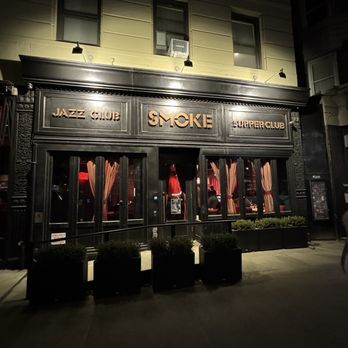
SMOKE Jazz Club — New York City
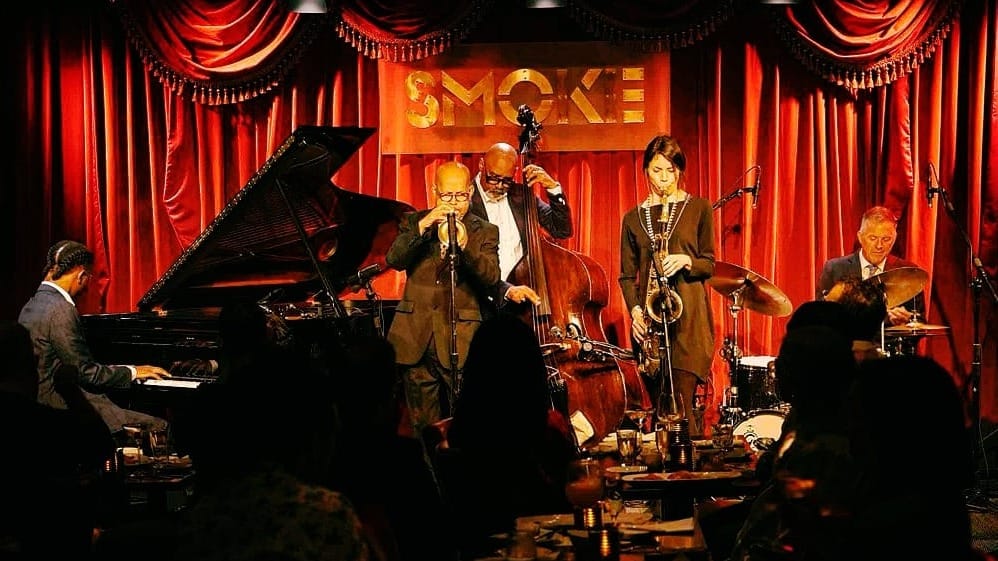
February 2026 at SMOKE Jazz Club features one of the strongest residency schedules of the winter season, including:
Joe Lovano
a special Valentine’s Week engagement with the Bill Charlap Trio
and a month-ending residency by Miguel Zenón
SMOKE continues to be one of New York’s most reliable homes for extended, straight-ahead modern jazz runs—exactly the kind of sustained live performance culture The Improv Cafe’ was built to support.
New Jersey Performing Arts Center (NJPAC)
In partnership with Bethany Baptist Church, NJPAC continues its free monthly Jazz Vespers concert series in Newark—one of the most important access points for live jazz in the region.
2026 Jazz Vespers Details
Location: Bethany Baptist Church, 117 W. Market Street, Newark, NJ
Schedule: First Saturday of each month, 6:00 PM ET
Programmer:Dorthaan Kirk, NEA Jazz Master
Upcoming performances include:
February 7:Joe Locke Trio
March 7: The Great City of Newark Jazz & Blues All-Stars
April 4:Winard Harper & Jeli Posse
April 5:Rhoda Scott (special guest)
May 3:Arturo O’Farrill
In addition, NJPAC hosts free monthly Jazz Jam Sessions at Clement’s Place in Newark, running September through June, offering mentored open jam environments for emerging and regional musicians.
Why February 2026 Matters for The Improv Cafe’
This month is not defined by a single blockbuster announcement.
It is defined by continuity.
international festivals reaffirming the power of live presentation
institutions preparing for generational leadership change
clubs sustaining multi-night residencies
and new recordings feeding tomorrow’s live stages
At The Improv Cafe’, we believe one thing above all:
Jazz only becomes real when musicians and listeners share the moment together.
That is why our radio station remains committed—without exception—to broadcasting only:
live Jazz, live Big Band, live Swing, and live Vocal Jazz.
Every song played is the live version.
Listen to The Improv Cafe’ — Live Jazz, 24 Hours a Day
The Improv Cafe’ is proudly described as the world’s first all-live jazz radio station, featuring:
Live at the Village Vanguard — every Tuesday night
Live at the Blue Note — every Wednesday night
Swing with the Big Bands — Friday nights
Singing with Swing — vocal jazz every Sunday night
No playlists. No studio sessions. Only real performances.
The Improv Cafe’. Live Jazz. Live Big Band. Live Swing. Live Vocal Jazz. Every song played is the live version.
At The Improv Café, we do not blur genres, formats, or philosophy.
Our radio station plays only live Jazz, Big Band, Swing, and Vocal Jazz — and every song you hear is the live version. No studio takes. No remixes. No recreated “concert” edits.
That is why few phrases carry more meaning for our listeners than “Live at the Village Vanguard.”
For more than nine decades, The Village Vanguard has defined what authentic, small-room jazz performance is supposed to sound like — intimate, unfiltered, and built around musicians communicating in real time.
Located in the heart of New York City’s Greenwich Village, the Vanguard is legendary not because of size or spectacle — but because of its sound. Its famously low ceiling, triangular room, and tightly packed seating create a listening environment where every breath of a horn, every brush stroke on a snare, and every harmonic shift from the piano reaches the audience with startling clarity.
For jazz fans — and for a live-only radio station like The Improv Café — this room is sacred ground.
A stage that shaped the sound of modern jazz
The history of the Vanguard is inseparable from the history of recorded live jazz.
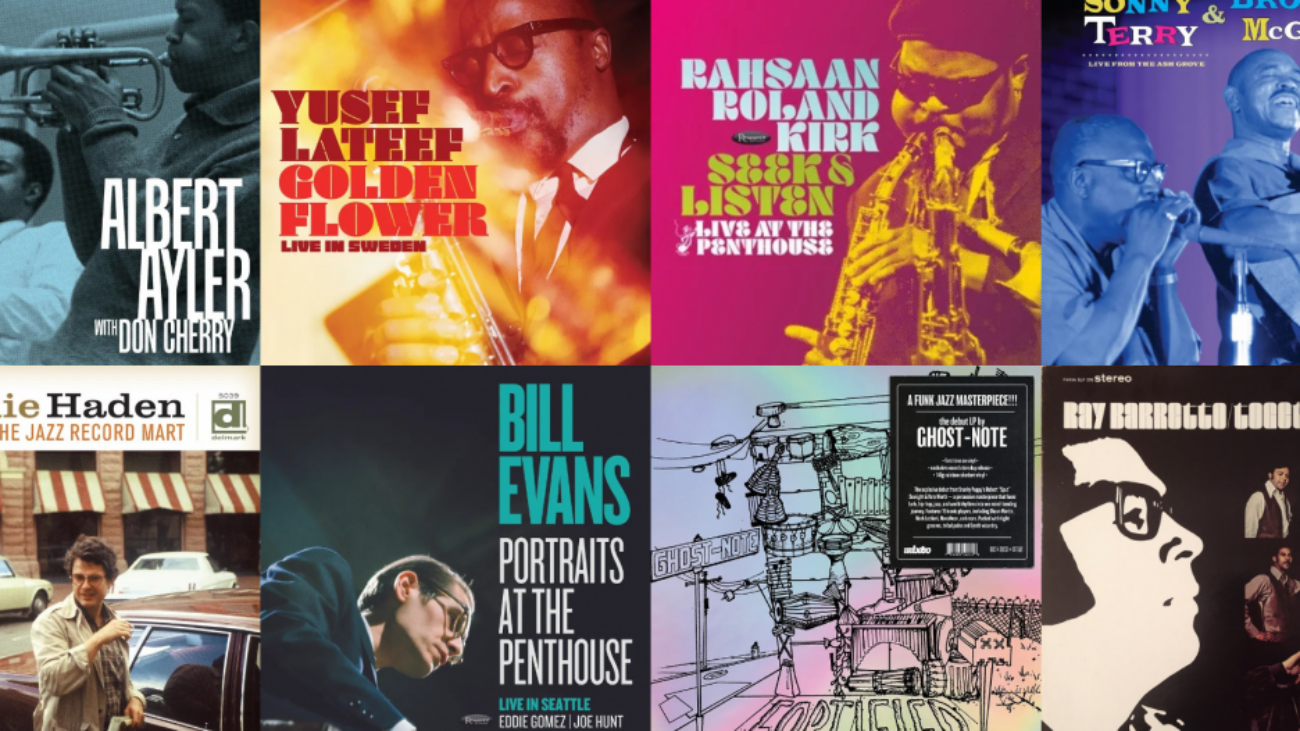
Some of the most influential live albums ever released were captured on this very stage, including historic performances by:
John Coltrane
Bill Evans
Those recordings did not simply document great players. They documented moments of artistic transition — new harmonic concepts, new rhythmic approaches, and new ways of interacting inside small ensembles.
And the lineage never stopped.
In more recent decades, the Vanguard has remained a home for modern masters and contemporary innovators, including:
Wynton Marsalis
Chris Potter
For listeners of The Improv Café — a station devoted exclusively to live Jazz, Big Band, Swing, and Vocal Jazz — the Vanguard represents something increasingly rare in today’s music world: a place where the performance itself is the product.
Tonight on The Improv Café
🎙️ Live at the Village Vanguard – Radio Show
Tonight, join us for our special Live at the Village Vanguard radio presentation, featuring nothing but historic and modern live recordings captured inside this legendary room.
As always on The Improv Café:
Only live Jazz, Big Band, Swing, and Vocal Jazz. Every song played is the live version.
This show is built entirely around the sound of the Vanguard — straight from the bandstand to your speakers.
Five continuous hours of classic Vanguard performances — every Tuesday night
The celebration continues every week.
Tune in every Tuesday night for FIVE (5) continuous hours of classic live jazz music recorded at The Village Vanguard.
From small-group hard bop and modal jazz to big band performances and modern ensemble work, these broadcasts showcase how the Vanguard has evolved while remaining completely faithful to live performance culture.
Again — no studio recordings, ever.
The Vanguard Jazz Orchestra turns 60
A major milestone is currently being celebrated by the club’s resident big band, the Vanguard Jazz Orchestra.
Now marking its 60th anniversary, the orchestra has served as the Vanguard’s long-running house ensemble and remains one of the most respected large jazz orchestras in the world.
To honor the occasion, the orchestra is performing nightly from February 3 through February 8, 2026, bringing six decades of big band tradition back to the very room where it was forged.
The club is also offering a special promotion: $35 advance discount tickets for the orchestra’s 10:00 PM shows from Tuesday through Thursday.
For fans of live Big Band music — and for The Improv Café’s live-only audience — this anniversary stands as a living continuation of the Vanguard’s large-ensemble legacy.
Upcoming performances at The Village Vanguard – February 2026
The Vanguard’s February 2026 calendar reflects exactly why the club continues to define the international jazz circuit.
🎶 Featured engagements include:
Vanguard Jazz Orchestra – 60th Anniversary February 3 – February 8
Joel Ross – Good Vibes February 10 – February 15
Orrin Evans featuring Ravi Coltrane Beginning February 17
Gerald Clayton Quintet February 24 – March 1
Each of these artists represents a different voice within today’s live jazz ecosystem — from vibraphone-driven modern grooves to deeply rooted acoustic post-bop and contemporary ensemble writing.
A historic 90th anniversary live broadcast
The Vanguard will mark its 90th anniversary with a special live broadcast on WKCR on Saturday, February 22, from 6:00 PM to Midnight.
The broadcast will feature live performances by:
Jakob Bro
Joe Lovano
performing their collaborative project “Once Around The Room.”
The event will also include interviews with:
Vanguard Programming Director Jed Eisenman
and guest hosting by acclaimed jazz journalist Ben Ratliff
This broadcast represents something The Improv Café deeply values: live performance presented live — preserving not only the music, but the moment itself.
Why “Live at the Village Vanguard” matters to The Improv Café
For many clubs, history becomes marketing.
At the Vanguard, history remains audible.
The room still sounds the way it always has. The musicians still play for the room — not for cameras, not for edits, and not for post-production.
That philosophy is exactly why The Improv Café exists.
We are a radio station that plays only live Jazz, Big Band, Swing, and Vocal Jazz — and every song you hear is the live version.
No exceptions.
When you hear a recording labeled Live at the Village Vanguard on our station, you are not just hearing a performance. You are hearing one of the most important acoustic spaces in jazz history — doing exactly what it was built to do.
🎙️ Tonight on The Improv Café
Live at the Village Vanguard – Radio Show
Step inside the room that defined live jazz recording. Experience the club that continues to shape the sound of modern jazz.
Only live performances. Only Jazz, Big Band, Swing, and Vocal Jazz. Only on The Improv Café.
As January 2026 rolls forward, the global jazz scene is anything but quiet. From packed clubs and marathon festival sets to international celebrations already on the calendar, the music is thriving—and at The Improv Café Radio, we remain fully locked into the heartbeat of it all. As always, our station plays only live jazz, big band, swing, and vocal jazz. Every track you hear is a live performance—no studio cuts, no exceptions—because jazz, at its core, is meant to be experienced in the moment.
That philosophy feels especially fitting right now, as major jazz hubs across the country and around the world are alive with energy.
Jazz Festivals Setting the Winter Pace
New York City’s Winter Jazzfest is closing out its ambitious, month-long “Still We Rise” season, a sprawling celebration that turned Manhattan and Brooklyn into nightly destinations for adventurous listeners. Marathon performances, late-night improvisation, and boundary-pushing collaborations reminded everyone why New York remains a global epicenter for live jazz culture.
Out west, the Tucson Jazz Festival continues through January 24, welcoming a diverse lineup that bridges modern groove and classic sophistication. Performers like Cory Wong, Dee Dee Bridgewater, and Bill Charlap are delivering sets that feel as much like celebrations as concerts—exactly the kind of performances that define today’s live jazz revival.
Later this month, jazz quite literally takes to the seas with The Jazz Cruise ’26, setting sail from Fort Lauderdale on January 27. With icons like Ron Carter, Emmet Cohen, and Paquito D’Rivera on board, it’s a floating reminder that live jazz has no boundaries—not geographic, not stylistic, and certainly not creative.
Looking further ahead, anticipation is already building for International Jazz Day 2026 on April 30. Chicago has been announced as the Global Host City, and official countdowns are underway for what promises to be a worldwide celebration of the music’s past, present, and future.
Clubs Where the Music Is Happening Right Now
Beyond the festivals, legendary clubs are continuing their tradition of presenting unforgettable live performances.
At New York’s iconic Blue Note, drummer Antonio Sánchez is in the middle of a powerful weekend run through January 24, followed by a GroundUP Music Showcase on January 25—proof that rhythm-forward jazz remains as compelling as ever.
Uptown at Smoke Jazz & Supper Club, pianist Cyrus Chestnut is taking the stage tonight, January 23, delivering the kind of soulful, swinging performance that reminds listeners why live piano jazz resonates so deeply.
On the West Coast, Yoshi’s continues to blur genre lines, recently hosting hip-hop legends DJ Quik and Spice 1 backed by live bands—another example of how jazz remains a living, evolving art form.
Meanwhile, beneath The Roxy Hotel at The Django, upcoming dates include the Gabriel Guerrero Trio on January 27 and the Michael Blake Quartet on January 31, offering intimate, late-night sessions that echo the golden age of underground jazz rooms.
Honoring the Legends We’ve Lost
This season also carries moments of reflection. The jazz world continues to mourn the loss of drummer Jack DeJohnette, who passed away in October 2025 at age 83. A true innovator, his influence on modern jazz rhythm is immeasurable. More recently, beloved American Songbook vocalist Rebecca Kilgore passed on January 20, 2026, leaving behind a legacy of warmth, elegance, and timeless swing. Their live recordings continue to inspire—and you’ll hear them honored on our airwaves.
A Global Jazz Year Ahead
The 2026 international festival calendar is already shaping up to be extraordinary. Montreux Jazz Festival Miami arrives February 27 through March 1 with Jon Batiste and Nile Rodgers headlining. The Montreal International Jazz Festival follows June 25 through July 4, featuring Diana Krall and Melody Gardot, while the Seoul Jazz Festival takes place May 22–24, underscoring jazz’s truly global reach.
Tonight on The Improv Café Radio: Swing With the Big Bands
If you’re looking for something special to kick off your Friday night, we’ve got you covered. Tonight, tune in to our “Swing With the Big Bands” radio show, where we spin legendary live performances from the greatest big band artists in history. Expect explosive brass sections, driving rhythm, and the kind of swing that makes it impossible to sit still.
As always, every song played is a live recording—authentic big band energy captured exactly as it happened. Whether you’re dancing in your living room, bopping along in the car, or just letting the music wash over you, it’s the perfect soundtrack for a Friday night.
At The Improv Café Radio, we don’t just play jazz—we preserve its spirit. Live. Always.
For high-energy Live Swing and Big Band recordings that capture the authentic atmosphere of a concert hall or jazz club, these essential albums are widely regarded as the best examples of the genre in a live setting, tuner in tonight on Swing With Big Bands.
Legendary Concert Recordings
These albums are famous for revitalizing the careers of bandleaders or setting the gold standard for live jazz performance.
Duke Ellington: Ellington at Newport(1956)
This is arguably the most famous live big band recording in history.
The centerpiece is a 27-chorus tenor sax solo by Paul Gonsalves on “Diminuendo and Crescendo in Blue” that nearly caused a riot and single-handedly revitalized Ellington’s career.
Benny Goodman: The Famous 1938 Carnegie Hall Jazz Concert
Recorded on January 16, 1938, this was the first time jazz was presented as a serious art form at Carnegie Hall.
It features the definitive, high-energy live version of “Sing, Sing, Sing (With a Swing)”.
Frank Sinatra & Count Basie: Sinatra at the Sands(1966)
Captured at the Sands Hotel in Las Vegas, this album features the Count Basie Orchestra conducted by Quincy Jones.
Sinatra is at his peak here, backed by one of the hardest-swinging big bands ever recorded.
Hard-Swinging Club & Broadcast Sets
These recordings offer a more intimate but equally powerful “live” feel, often captured in nightclubs or via radio broadcasts.
Count Basie: Breakfast Dance and Barbecue(1959)
Recorded live at a 2:00 AM DJ convention in Miami, this album captures the “Atomic” era Basie band in a loose, high-energy late-night setting.
Count Basie: Live in Berlin 1963
An original master concert recording from the Sportpalast Berlin, featuring the classic Basie rhythm section and innovations like “split” tenor saxophones.
Thad Jones & Mel Lewis Jazz Orchestra: All My Yesterdays: The Debut 1966 Recordings at the Village Vanguard
This album documents the birth of one of the most influential modern big bands.
The recording captures their first Monday night at the Village Vanguard, showcasing a modern, inventive, yet hard-swinging style.
Buddy Rich: Big Swing Face(1967)
Recorded live at The Chez in Hollywood, this album showcases the incredible power and speed of the Buddy Rich Big Band.
Essential Live Big Band List
Artist / Band
Album Title
Notable Detail
Duke Ellington
The Great Paris Concert
Recorded live in 1963; captures a sophisticated, swinging European tour set.
Glenn Miller
Live From the Cafe Rouge 1940
Authentic radio broadcasts capturing the height of Miller’s popularity.
Illinois Jacquet
Big Band Live in Berlin 1987
A later recording of a master saxophonist leading a powerhouse “classic style” band.
World’s Greatest Jazz Band
In Concert at Carnegie Hall
Features Maxine Sullivan and Bobby Hackett in a classic swinging revival.
GRP All-Star Big Band
GRP All-Star Big Band Live!
A 1993 recording featuring modern jazz greats playing swing standards with massive energy.