images (19)

The Improv Café: Where Every Note Is Live and the Summer of Swing Has Never Sounded This Good

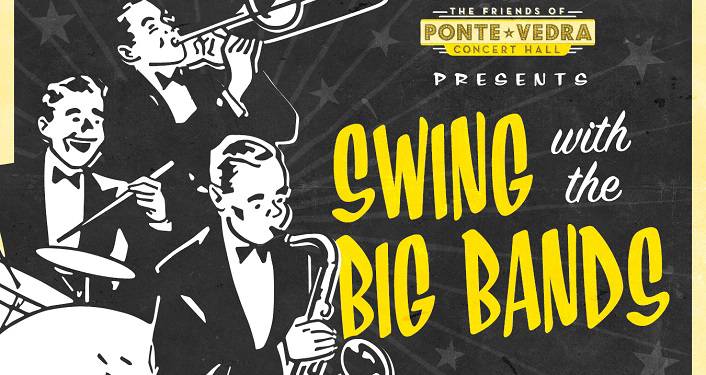
Tonight on The Improv Café — Swing with the Big Bands Is On the Air

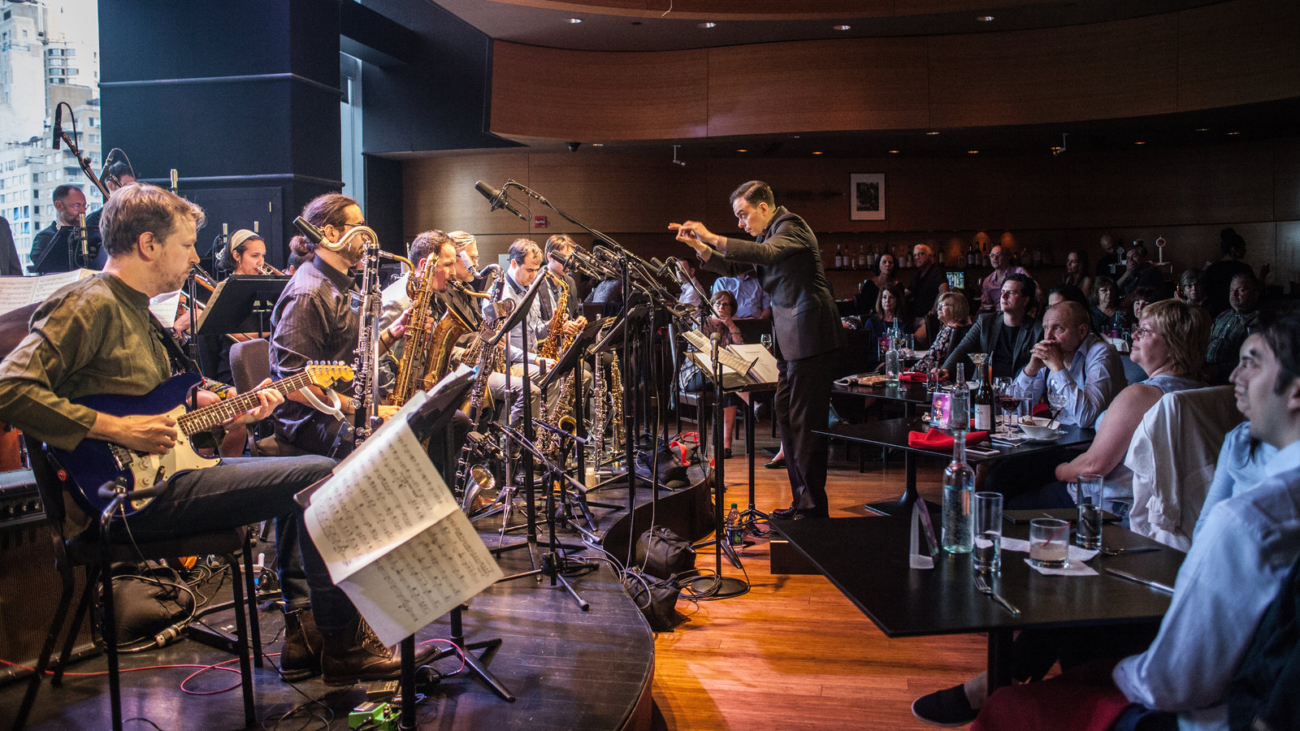
There is a moment that every true jazz lover knows. It happens somewhere between the first downbeat and the moment the horns lock in and the rhythm section finds its groove. The room shifts. The air changes. Something electric and undeniable takes over — and no matter where you are, no matter what you were doing before you pressed play, you are suddenly there. In the room. In the music. In the moment. That is exactly what The Improv Café Radio Station delivers, without exception, every single time you tune in — because every track broadcast on this station is the live version, and tonight, that experience reaches its most joyful and swinging height with the return of Swing with the Big Bands, our signature Friday night radio show.

This is not background music. This is not a playlist algorithm selecting familiar titles to fill your evening. This is a commitment — a deep, unwavering, broadcast-level commitment — to the most powerful thing live jazz has ever offered: the truth of what happened in the room when the musicians were playing. Tonight, that truth comes in the form of legendary big band performances, captured live, broadcast with full fidelity, and designed to make you do the one thing great swing music has always demanded. Move. Dance. Feel it. Let it in.

So tune in. Bop. Swing. Let these performances do what only live jazz can do — reach through your speakers, grab you by the rhythm, and carry you somewhere remarkable.

The Only Station That Only Plays Live

Before we go further, it is worth stating plainly what makes The Improv Café unlike anything else in radio: this station exists on a single, non-negotiable principle. Every song played is the live version. Not a studio approximation. Not a polished, overdubbed, carefully constructed recording engineered for sonic cleanliness. Every track — every saxophone run, every trumpet break, every bass groove and brushed snare — comes from a live performance. A real room. A real audience. A real moment in time that was captured and preserved so that you could experience it as close as possible to the way the people in the venue did when it happened.

Live Jazz. Live Big Band. Live Swing. Vocal Jazz performed live. That is the programming. That is the format. That is The Improv Café.

In a media world overrun with algorithms, artificial enhancement, and perfectly sculpted audio designed to satisfy the widest possible demographic with the least possible risk, The Improv Café takes the opposite approach. It goes deeper. It goes realer. It trusts the listener enough to give them the thing itself — not the sanitized version, not the commercially friendly edit, but the genuine, spontaneous, irreplaceable live performance, in all its stunning and sometimes breathtaking unpredictability.

You hear the room. You hear the audience react when a soloist does something unexpected. You hear the tension that builds in the bars before a climactic horn section explodes. You hear musicians talking to one another through their instruments in real time, making decisions on the fly, taking risks, and landing somewhere extraordinary. You cannot manufacture that in a studio. You cannot reproduce it with technology. It happens live, or it does not happen at all — and on The Improv Café, it happens every time you tune in.

This is why the station matters. This is why it is not just another jazz radio station. It is the only all-live jazz radio station, and it has built an audience of listeners who understand exactly what that means and why it is the only way to experience this music.

Tonight: Swing with the Big Bands — Friday Night’s Essential Radio Experience

If you are looking for the perfect way to spend a Friday evening — whether you are cooking, entertaining, dancing in your living room, or simply letting great music fill your space — tonight’s Swing with the Big Bands radio show on The Improv Café is where you want to be. This is the program that has become the heartbeat of Friday nights on the station, and it earns that distinction every single week with programming rooted in the most exhilarating live big band recordings ever captured on tape.

The show draws from the full, magnificent sweep of big band history — the soaring orchestral arrangements of the 1930s and 40s when swing was America’s popular music and every ballroom from Harlem to Hollywood was packed with dancers; the bebop-infused evolution of the 1950s when large ensembles began pushing into more complex harmonic territory; the jazz orchestra traditions that carried the sound through decades of change; and the contemporary big bands that continue to perform, tour, and record today, keeping this magnificent American art form vital, relevant, and impossible to ignore.

You will hear the titanic charts of Count Basie, where rhythm is everything and the whole thing swings from the very first note. You will hear the precision and romance of Glenn Miller, the adventurous harmonic sophistication of Duke Ellington, the thunderous drum showmanship of Gene Krupa, the silky clarinet mastery of Benny Goodman, the fiery trumpet of Harry James, and the gorgeous trombone ballads of Tommy Dorsey. These are the architects. These are the people who built the language of big band jazz and taught the world what it meant for an orchestra to truly swing.

And tonight, their music plays live. The way it was always meant to be heard.

So dance. Move. Bop along. Let the horns carry you. Let the rhythm section push you. Let the full power of a twenty-piece orchestra performing at peak live energy remind you why this music has endured for nearly a century and why it still has the power to stop a room and start a dance floor. Tune in tonight on The Improv Café, and let the Swing with the Big Bands show deliver the Friday night your ears have been waiting for.

Summer 2026 and the Big Band World Is Alive

It would be easy to frame what is happening across the big band and swing world right now as a revival. That word gets used frequently, as if the music had gone somewhere and is now returning. But here is the more accurate and more exciting truth: big band jazz and live swing never went away. They continued. They evolved. They found new audiences while maintaining the devotion of dedicated fans who never stopped showing up to hear the music live. What is happening in summer 2026 is not a revival so much as an eruption — a moment when the scale of what was always there becomes visible to a much wider audience, and the full, glorious weight of this American musical tradition announces itself with force and conviction.

From major anniversary tours to outdoor ballroom concerts, from massive multi-day festivals to intimate jazz club residencies, from the Hudson River waterfront in Manhattan to the rolling hills of upstate New York to the Midwest festival circuit — the summer of 2026 is overflowing with big band, swing, and live jazz, and The Improv Café is here to document, celebrate, and soundtrack every moment of it.

Swingtime Big Band Marks Fifty Years of Making America Dance

There are ensembles that perform and ensembles that endure. The Swingtime Big Band, led by artistic director and saxophonist Steve Shaiman, is firmly in the second category. This summer, the 20-piece band is celebrating its 50th anniversary of performing for concert audiences and ballroom dancers alike, a milestone that represents not just longevity but an unbroken commitment to a musical tradition that Shaiman has made his life’s work.

Hailed by the New York Times as musicians who make the sounds of the pre-rock era rock, and recognized by the Big Band Hall of Fame as Ambassadors of Big Band Music, Swingtime has earned every superlative it has received. The ensemble specializes in what it does better than almost anyone working today: historically precise, authentically arranged live recreations of the great swing era orchestras. When Swingtime plays a Count Basie chart, it sounds like Count Basie. When it plays Glenn Miller, you hear Glenn Miller’s America. When it plays Duke Ellington, the elegance and complexity of that singular musical mind come through with full clarity.

What makes a Swingtime Big Band performance something more than mere recreation is Shaiman himself. Between numbers, he shares the historical context of each piece — who wrote it, what it meant, how it fit into the arc of jazz history — turning a concert into something closer to an education. Audiences leave knowing more than they arrived with, and they leave having danced, because Swingtime’s live sound makes dancing not just an option but an inevitability. The band features vocalists who inhabit the classic big band vocal tradition with authenticity and joy, bringing the sounds of Ella Fitzgerald, Peggy Lee, Frank Sinatra, Dean Martin, and Nat King Cole to life alongside the soaring horn charts.

The 50th anniversary touring schedule for summer 2026 includes outdoor ballroom events where the full twenty-piece ensemble brings authentic swing to audiences who may be experiencing this music live for the first time. For many of them, it will be one of the most unexpectedly moving nights of their year. That is what Swingtime does. It opens a door into something timeless and invites everyone through.

The Compaq Big Band and the America 250 Celebration

The nation’s 250th birthday is being celebrated across the country in 2026 with events of every scale and style, and the big band world is contributing to that celebration in a way that feels entirely appropriate — because the golden era of the American big band and the mid-20th century flowering of American culture are inseparable parts of the same story.

The 19-piece Compaq Big Band has secured one of the most anticipated headline slots of the holiday season: a free outdoor concert on July 3rd — a celebration billed as the “4thEve” — at the Hopkinton Center for the Arts in Massachusetts. The event brings together a full professional orchestra and features vocalist Julia Danielle, winner of the prestigious 2022 Ella Fitzgerald Competition. That combination — the full, powerful sound of a 19-piece big band in an outdoor summer setting, paired with a vocalist of Danielle’s caliber and pedigree — promises a concert that will draw audiences from across the region and send them home having experienced exactly what a live big band in full flight can do.

Free, outdoor, and set against the backdrop of a national birthday celebration, this concert is a reminder that big band jazz has always been a democratic music. It was born in dance halls and ballrooms that were open to everyone. It was broadcast on radio into living rooms across America. It belonged to the people who danced to it, and in Hopkinton on the eve of Independence Day, it will belong to them again.


Rochester International Jazz Festival: A Nine-Day Immersion in Everything Live Jazz Offers

The Rochester International Jazz Festival — now in its 23rd edition, running from June 19 through June 27, 2026 — is one of the most impressive jazz events in North America, and this year’s edition demonstrates exactly why. Over nine days, more than 1,750 artists perform across 19 indoor and outdoor venues in downtown Rochester, New York, in a European-style festival format that allows dedicated listeners to experience multiple performances every single night across a walkable circuit of world-class spaces.

The scale is staggering: more than 300 shows, over 110 of which are completely free. Headliners at Kodak Hall at Eastman Theatre this year include Grammy-winning trumpeter Chris Botti, the legendary “Empress of Soul” Gladys Knight, and — directly in the spirit of everything The Improv Café represents — the Legendary Count Basie Orchestra, performing on the final night of the festival with the full power and precision that has defined that institution for decades.

One of the festival’s defining features is its 25-year partnership with the Eastman School of Music at the University of Rochester, one of the most respected music conservatories in the world. That partnership means that woven throughout 300 shows and across every corner of the festival’s massive programming grid are performances from Eastman students, alumni, and faculty — from the Joey Stempien Big Band featuring current students to faculty-led ensembles that showcase the depth of jazz education being pursued at the highest level. Free jazz workshops run daily during the festival at the Eastman School itself, hosted by working professionals performing at the event, offering music students of all ages direct access to some of the most knowledgeable jazz musicians currently working.

This is what a thriving jazz ecosystem looks like. Not a single event or a single venue, but an entire city given over for nine days to the full spectrum of the art form — from world-famous headliners to collegiate talent to late-night jam sessions where anything can happen and often does. The Rochester International Jazz Festival is jazz in full bloom, and it is happening right now.

The Midwest Gypsy Swing Fest and the Living Spirit of Django

While the big band tradition draws from the orchestral roots of American swing, another deeply significant branch of the live swing world draws from a different but equally compelling tradition: the Gypsy jazz pioneered by Django Reinhardt and Stéphane Grappelli in the cafés and concert halls of 1930s Europe. That tradition is alive, well, and gathering for an exceptional two-day celebration this September.

The Midwest Gypsy Swing Fest, scheduled for September 11 and 12, 2026, has released its full performance roster, and it is a remarkable lineup. The Gonzalo Bergara Trio brings the Argentinian guitarist’s extraordinary technique and deep musical personality to the Midwest stage — Bergara is among the most respected voices in contemporary Gypsy jazz, capable of playing with breathtaking speed and equally breathtaking sensitivity. The Hot Club of Baltimore, co-founded by Michael Joseph Harris, brings the full spirit of the Hot Club tradition — rhythm guitars driving in a propulsive cascade beneath a singing lead — to a performance that will remind audiences why this particular sound, once heard, is impossible to forget. The Harmonious Wail Quartet rounds out a lineup that spans the full reach of the genre, from its Parisian roots to its contemporary American expressions.

Gypsy swing is a live music tradition in perhaps the most essential sense: it grew up in places where people gathered to hear musicians play in real time, without amplification, in close proximity to the audience. The energy of a great Gypsy jazz performance is inseparable from the physical experience of being in the room, and the Midwest Gypsy Swing Fest honors that tradition by bringing it out of the headphones and into the communal space of shared live music. September 11 and 12 in the Midwest — mark the calendar.

The Lindy Hop Is Back and It Is Bringing the Whole Ballroom with It

No conversation about live big band and swing in 2026 is complete without acknowledging the extraordinary resurgence of Lindy Hop — the American vernacular jazz dance that was born in Harlem in the late 1920s and reached its cultural peak in the ballrooms of the 1930s and 40s, where it was inseparable from the big bands that provided its soundtrack. That dance form never fully disappeared, but what is happening with it now, in 2026, is something more than maintenance. It is a full-scale renaissance.

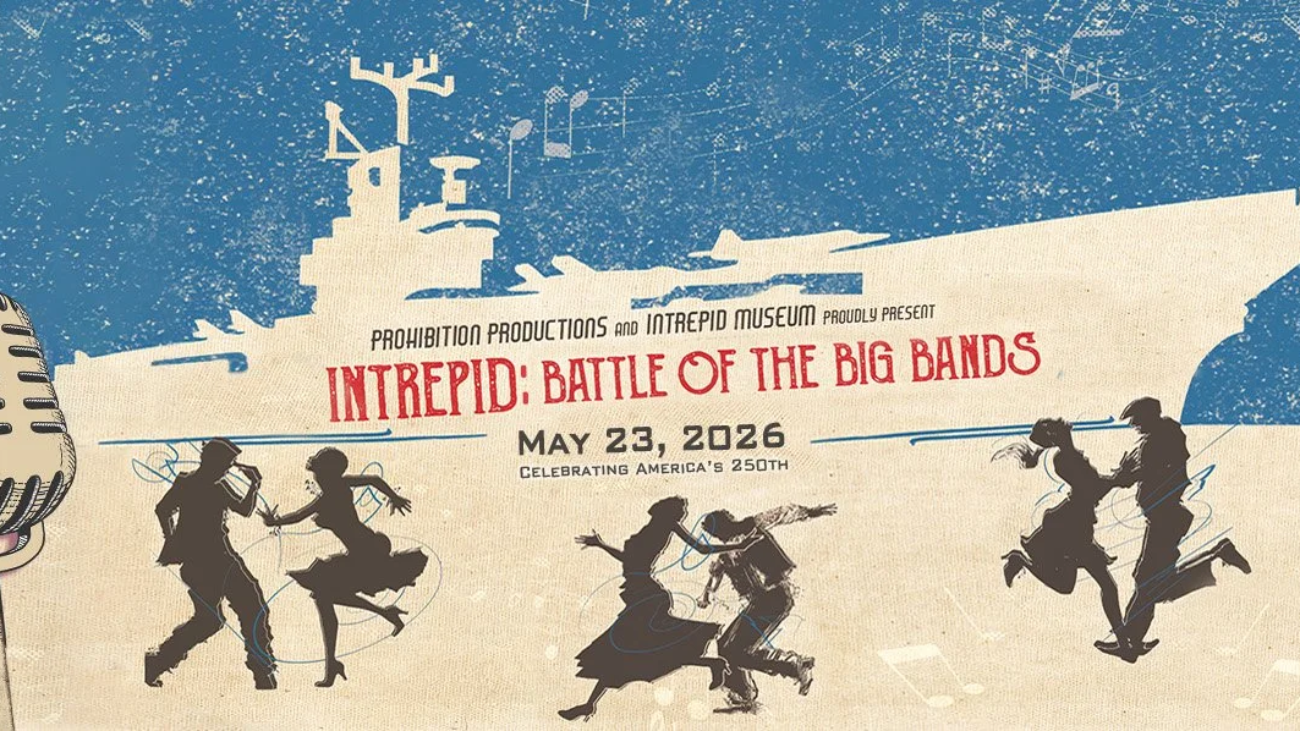
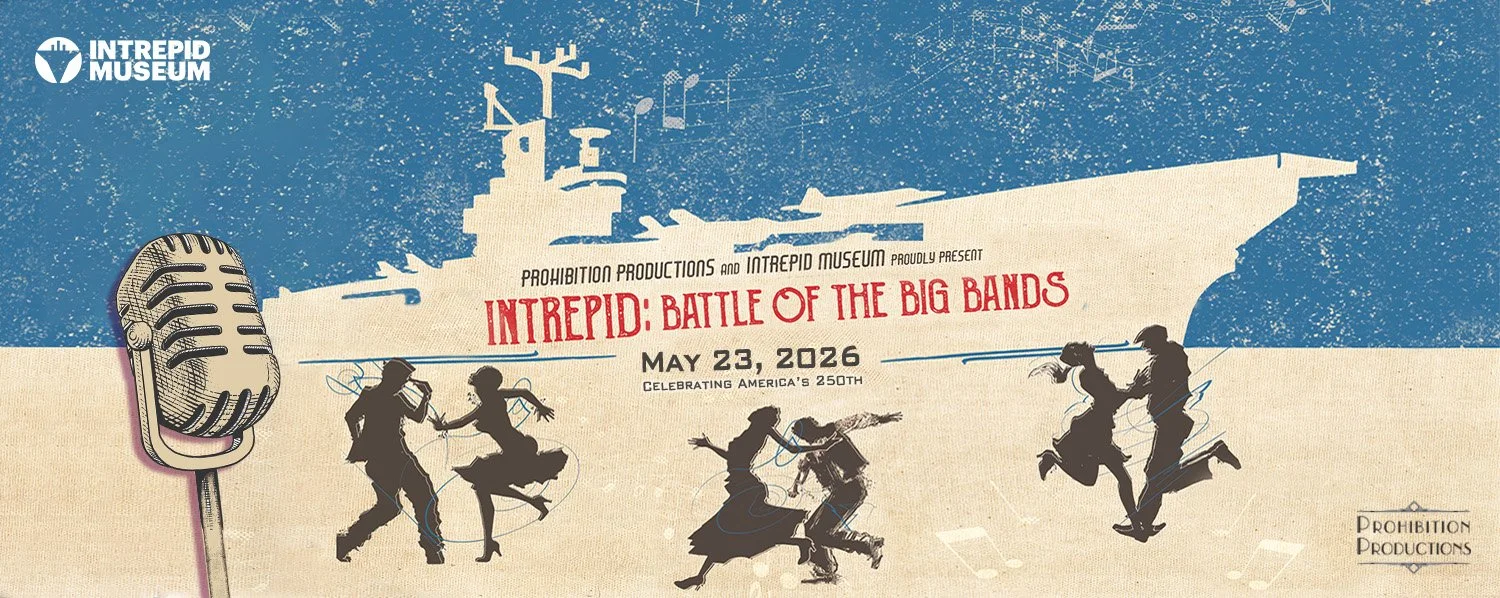
The evidence is everywhere. On May 23rd of this year, the flight deck and hangar of the Intrepid Sea, Air & Space Museum in Manhattan was transformed into one of the most spectacular swing dance events in recent memory for the Battle of the Big Bands, a collaboration between the Intrepid Museum and Prohibition Productions. Two of the finest big bands in the country went head-to-head on a massive stage set against a 3,200-square-foot wooden dance floor — on a World War II aircraft carrier commissioned in 1943, at the literal height of the Swing Era. The event celebrated America’s 250th anniversary in a way that felt historically resonant rather than nostalgic, because the music and the dancing were happening right now, alive and real, on a ship that carries the same era in its bones. Lindy hop competitions, a vintage fashion parade curated by a fashion historian, and a free beginner swing dance lesson ensured that the event was as welcoming to newcomers as it was rewarding for veterans.

That energy is flowing directly into Western & Swing Week 2026 at the Ashokan Center in upstate New York, where a legendary staff lineup is converging for one of the most beloved live-orchestra swing dance camps in the country. This year’s Lindy Hop faculty brings together a genuinely exceptional team: Nathan Bugh and Erin Morris, two of the most respected and electrifying dancers currently working in the swing world, joined by Emily Vanston and Brian Lawton. Together, they will offer a full curriculum of Lindy Hop instruction spanning every level — technique, improvisation, choreography, solo jazz, and the history that gives the movement its meaning. The camp runs with live music throughout, connecting dancers to the sound in the way that Lindy Hop was always designed to be experienced.

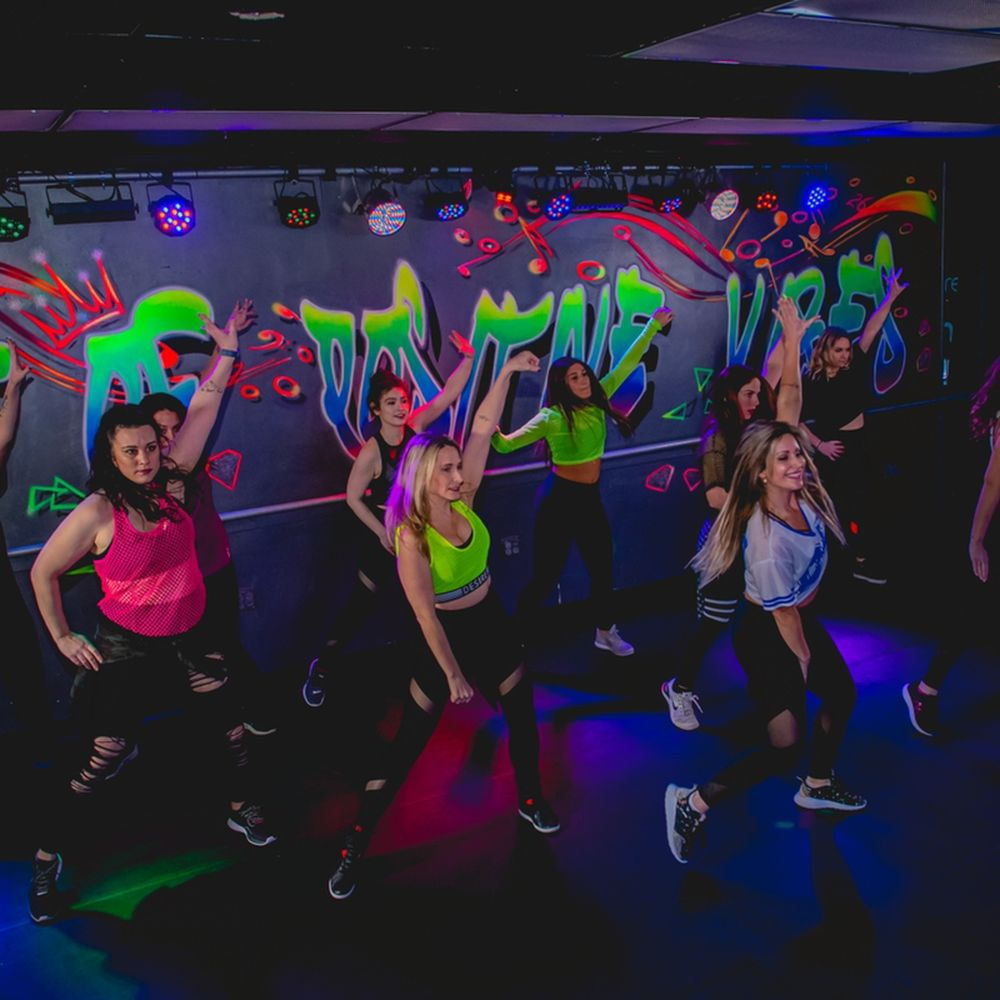
And the broader community is responding. Vintage dance societies are seeing enrollment increases. Social dance nights in cities across the country are drawing new participants who want to connect with something physical, communal, and rooted in real music rather than a screen. The Lindy Hop revival, if we must call it that, is being driven not by nostalgia but by the same thing that has always driven jazz and swing: the irreplaceable joy of people moving together to live music in real time.

Why Live Jazz Is the Only Jazz Worth Broadcasting

There is a broader conversation happening in the music world right now — one that The Improv Café has been having since its founding — about authenticity, about what listeners actually want, and about why the live performance experience continues to matter in an era when virtually any recorded music is available on demand at any moment.

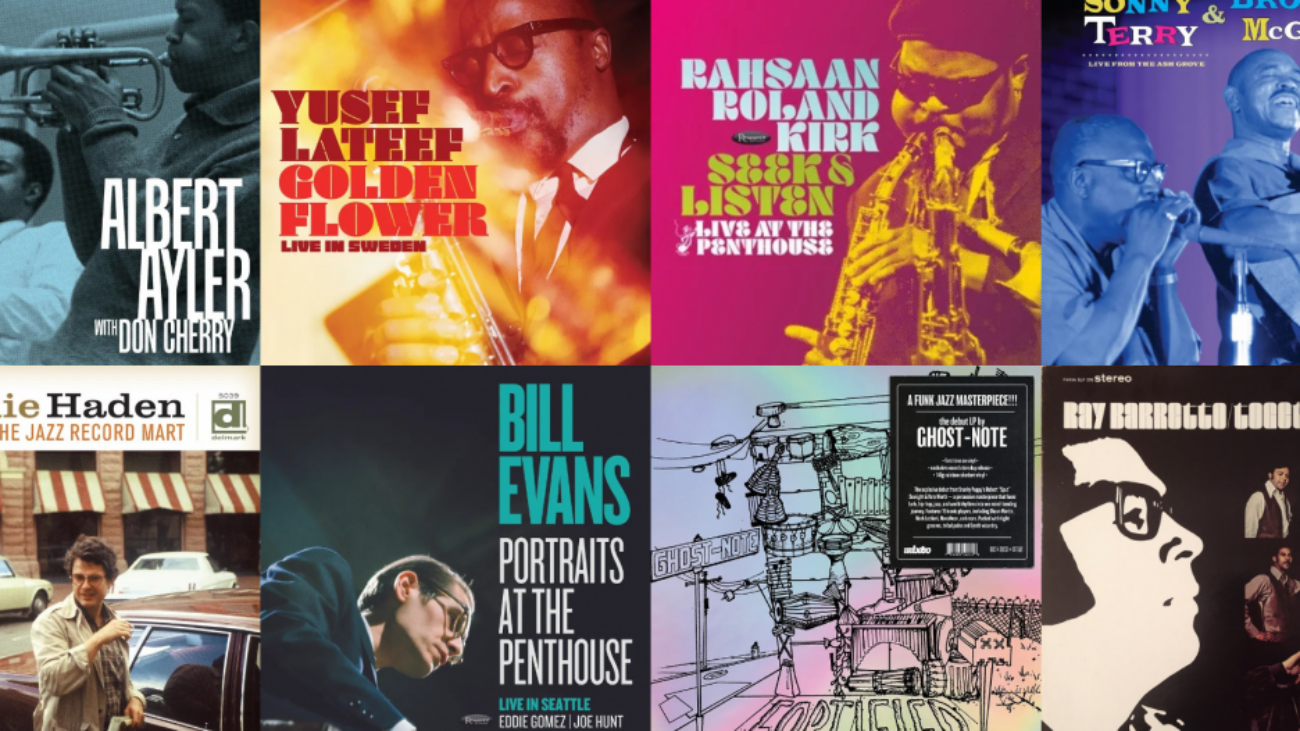
The answer, when you listen to what audiences are doing and what the global jazz community is producing, is becoming clearer. Listeners are gravitating toward recordings that capture the unpredictability and energy of actual performance. Labels and artists are increasingly prioritizing releases made in concert halls, jazz clubs, and festival stages rather than isolating tracks in studio perfection. The impulse behind that shift is the same impulse behind a dancer showing up to a live band rather than a DJ: the understanding that something essential is present in live performance that cannot be manufactured or approximated.

The Improv Café was built on that understanding. No studio recordings. No overdubs. No synthetic enhancement. Every song played on this station comes from a stage, a club, a festival, a ballroom — from the moment when musicians were together in a room, making something happen in real time. The audience reactions you hear are real. The spontaneous extended solos are real. The moments when a musician does something unexpected and the rest of the band responds in kind — those are real, and they are among the most exciting things that live music produces.

This format — all live, all the time — positions The Improv Café not simply as a radio station but as a living archive of some of the greatest moments in jazz, big band, swing, and vocal jazz history, broadcast continuously so that listeners can encounter these performances and experience them the way they were meant to be experienced: as events, as occasions, as music that was happening somewhere and is now happening here.

The Radio Shows That Define the Experience

The Improv Café’s programming is built around a set of signature shows that collectively cover the full landscape of live jazz and swing.

Swing with the Big Bands — Fridays — is the show at the center of tonight’s celebration, and its purpose is exactly what the name promises: an immersive Friday night journey through the greatest live big band performances ever recorded. From the stomp and propulsion of Kansas City swing to the sophisticated elegance of the New York orchestra tradition, from the vocal showcases of the classic era to the instrumental fireworks of the greatest ensemble jazz ever assembled, this show puts the full power of the big band experience in your home, your car, your headphones, wherever you are. It is the reason Friday nights on The Improv Café feel like an occasion rather than background listening.

Singing with Swing — Sundays — shifts the focus to the vocal jazz tradition, spotlighting the extraordinary singers who made the voice into the ultimate jazz instrument. This is where the great ballad tradition lives, where the storytelling power of the jazz standard comes into its own, where the Sunday evening hour becomes something contemplative and beautiful.

Live at the Village Vanguard — airing on Tuesdays and Wednesdays — is an invitation to spend several hours inside one of the most significant jazz rooms ever to exist. The Village Vanguard in New York City’s Greenwich Village has been the site of more important jazz recordings than any other venue in history. The ceiling is low. The room is intimate. The acoustics are extraordinary. And on The Improv Café, listeners get multi-hour immersions into that legacy, hearing the performances that defined careers and shaped the history of the music.

Live at the Blue Note brings a different kind of energy — the Blue Note clubs around the world have hosted an astonishing range of talent across decades, and this show draws from that rich deep well to deliver another category of live jazz excellence. Together, these shows create a programming landscape that covers the full depth and breadth of what live jazz, big band, swing, and vocal performance have produced over the better part of a century.

The Broader World Is Catching Up to What The Improv Café Has Always Known

Across the globe, the conversation about live music and authentic performance is intensifying, and the conclusions being reached everywhere confirm what this station has been built on. Large ensemble jazz has found institutional support in European radio orchestras and conservatories at a level that is sustaining the infrastructure for big band performance more robustly than at any point in recent decades. Festival-centered touring is becoming the primary vehicle through which jazz reaches new audiences, and those festivals are attracting record attendance. Artists from every corner of the genre are prioritizing their live recorded output over their studio work, recognizing that the live album captures something that studio sessions cannot touch.

In Spain, ensembles are revisiting early jazz with period accuracy and modern energy. In the UK and on international showcase circuits, swing era frameworks are being used as foundational language for contemporary improvisation. Across the United States, the Lindy Hop revival is connecting new generations of dancers to the music that made the form possible in the first place — and drawing those dancers to live performances, to festivals, to events aboard aircraft carriers and at mountain retreat centers and in city ballrooms, because the dance only fully comes alive when the band is in the room.

All of this points toward The Improv Café not as an artifact of an earlier radio era, but as a station precisely in tune with where both artists and audiences are moving in 2026. The future of jazz — its broadcast future, its recorded future, its live performance future — is being built around the same thing this station was built around from the beginning: the irreplaceable power of a live performance captured and shared so that more people can hear what happened in that room.

Tune In Tonight. Be Here. Be Present. Let the Music Be Live.

The summer is in full swing — in every sense of the phrase. The Swingtime Big Band is celebrating 50 years of making audiences dance at outdoor ballrooms across the Northeast. The Compaq Big Band is bringing a 19-piece orchestra to a free July 4th Eve concert in Massachusetts, with one of the finest young vocalists in jazz leading the front line. The Rochester International Jazz Festival has transformed downtown Rochester into nine days of world-class jazz across 19 venues. The Midwest Gypsy Swing Fest is assembling an extraordinary roster for its September dates. Lindy Hop is filling dance floors from the flight deck of the Intrepid to the mountains of upstate New York.

And through all of it, The Improv Café Radio Station is here. Broadcasting live. Playing the real thing. Connecting listeners to the music as it actually happened, in the rooms where it happened, with the energy and spontaneity that only live performance can produce.

Tonight, that means Swing with the Big Bands. Legendary performances. The full roar of a great orchestra. The groove that makes everything else secondary. The sound that has been making people move since before any of us were born and will still be doing it long after the last note of this Friday night fades.

Turn it up. Find the beat. Let The Improv Café take you somewhere the algorithms can’t.

This is live jazz radio. The only kind worth listening to.

The Improv Café — Live Jazz. Live Big Band. Live Swing. All live. All the time. Every single song.

6ab1c1a0643b8fa0e6e251568ff3

The Big Band Revival Is Real: How Large Jazz Ensembles Are Driving a New Era of Live Music, Education, and Cultural Preservation

For decades, critics have periodically declared big band music a relic of another era. They have predicted that the economics of touring with large ensembles, changing audience tastes, and the rise of digital music would eventually push the tradition into history. Yet every few years the music proves those predictions wrong. In 2026, the evidence is becoming impossible to ignore. Big band jazz is not simply surviving—it is evolving, expanding, and finding new audiences around the world.

From ambitious new recordings and international festival appearances to educational initiatives and local concert series, large jazz ensembles are experiencing a creative resurgence that is helping preserve one of the most important musical traditions ever developed. While the names and faces may change from generation to generation, the power of twenty musicians sharing a stage and creating a wall of sound remains as compelling as ever.

The current moment reflects something larger than nostalgia. Today’s big band artists are not merely recreating the sounds of the past. They are using the format as a platform for new compositions, contemporary arrangements, and ambitious musical experimentation that would be impossible within smaller groups. The result is a vibrant scene that honors tradition while simultaneously pushing the genre forward.

One of the most anticipated releases on the horizon arrives this summer with the announcement of a major new live recording from acclaimed composer and arranger Ayn Inserto. Scheduled for release in August, the project captures a live performance with the internationally respected WDR Big Band in Cologne and features an expansive new commissioned suite written specifically for celebrated trumpeter Sean Jones.

The significance of projects like this extends far beyond a single album release. Large-scale contemporary compositions require immense collaboration, rehearsal, and musical precision. They demonstrate that big bands continue to function as living creative laboratories where composers can explore complex ideas on a grand scale. Rather than relying solely on established standards, modern writers are expanding the repertoire and ensuring that the format remains artistically relevant.

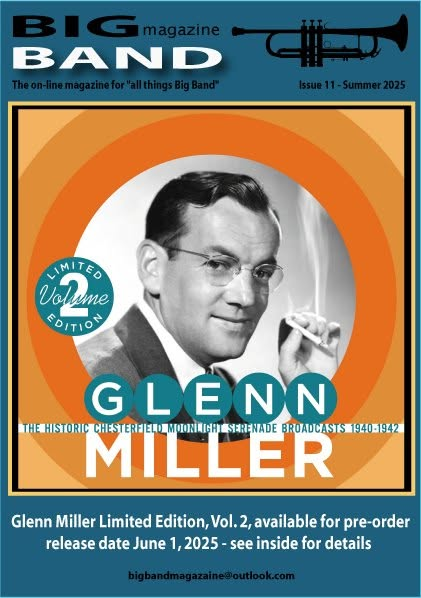
The international big band community also recently marked another milestone with the launch of the first digital edition of Big Band Magazine. Dedicated exclusively to large ensemble jazz, the publication provides a central hub for recordings, arranging techniques, industry developments, educational opportunities, and artist profiles.

The arrival of a publication devoted entirely to big band music signals something important about the health of the genre. Specialized media outlets typically emerge when communities become active enough to support dedicated coverage. The magazine’s debut reflects growing interest among musicians, educators, students, arrangers, and audiences seeking deeper engagement with the evolving world of large ensemble jazz.

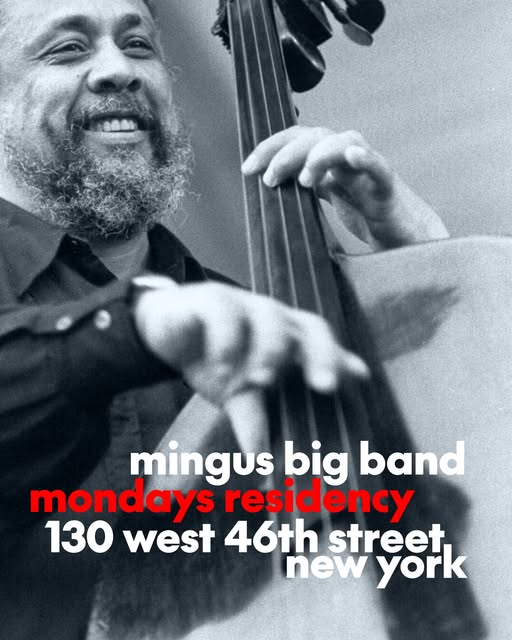
Live performance remains the heartbeat of the movement, and few groups embody that better than the legendary Mingus Big Band. Continuing the legacy of Charles Mingus while introducing the music to new generations, the ensemble has launched its latest residency series, bringing weekly performances to audiences throughout the summer.

Residencies play an increasingly important role in sustaining jazz culture. They provide musicians with opportunities to develop material over time, allow audiences to experience the music regularly, and help create community around live performance. In an era dominated by streaming platforms and digital consumption, recurring live events remind listeners that jazz remains fundamentally a shared experience between artists and audiences.

Across the broader festival circuit, large ensembles continue attracting significant attention. International Jazz Day celebrations showcased powerful performances by university and professional big bands, while major festivals increasingly include large orchestral jazz projects alongside traditional small-group performances. These appearances expose new audiences to the unique excitement that only a full jazz orchestra can deliver.

Unlike many forms of contemporary entertainment, big band music requires genuine collaboration on a remarkable scale. Every section must function as part of a larger whole. Trumpets, trombones, saxophones, rhythm sections, featured soloists, arrangers, and conductors all contribute to a musical ecosystem where success depends on collective excellence. In a cultural landscape often focused on individual achievement, the big band remains a powerful example of teamwork, discipline, and shared artistic purpose.

The resurgence is particularly noticeable at the local and regional levels, where community bands, educational programs, and independent ensembles continue introducing audiences to the format. Throughout the summer, listeners across the Philadelphia and South Jersey region will have opportunities to experience large ensemble performances firsthand.

Outdoor concerts celebrating America’s 250th anniversary will bring the sounds of full jazz orchestras into public spaces, creating opportunities for audiences who may never have attended a traditional jazz club performance. These community events help bridge generations, introducing younger listeners to a style of music that continues influencing countless genres more than a century after its origins.

Meanwhile, regional artists continue proving that big band music remains adaptable and accessible. Performances blending traditional swing influences with soul, blues, funk, and contemporary jazz elements demonstrate the genre’s ability to evolve without losing its identity. The result is music that feels simultaneously timeless and current.

The educational impact of the big band movement should not be overlooked. School programs, university ensembles, youth orchestras, and community workshops continue producing the next generation of musicians, composers, and arrangers. For countless students, participation in a big band serves as an introduction not only to jazz but also to discipline, teamwork, listening skills, and creative expression.

These educational pathways are essential for the future of the art form. Every established professional musician once sat in a rehearsal room learning how to blend with a section, interpret an arrangement, and contribute to a larger ensemble. Today’s students become tomorrow’s composers, educators, performers, and advocates.

The continued growth of big band culture also speaks to a broader truth about live music itself. Audiences increasingly seek experiences that cannot be replicated through algorithms or playlists. There is something uniquely powerful about hearing a full brass section erupt in harmony, watching a featured soloist improvise in real time, or feeling the collective energy of a large ensemble performing together.

At Sustainable Action Now, conversations about sustainability often focus on environmental stewardship, community resilience, and protecting resources for future generations. Cultural preservation deserves a place within that discussion as well. Music traditions, artistic institutions, educational programs, and creative communities all represent forms of cultural sustainability that enrich society and connect generations.

The ongoing revival of big band jazz demonstrates what happens when communities choose to invest in artistic traditions rather than abandon them. Through recordings, live performances, education, and innovation, musicians around the world are ensuring that this remarkable art form remains vibrant and relevant.

As new albums arrive, summer festivals fill their schedules, and audiences gather to experience the power of live large-ensemble performance, one thing becomes increasingly clear. The big band was never fading away. It was simply preparing for its next chapter.

And judging by the momentum building across the global jazz landscape, that chapter may prove to be one of its most exciting yet.

LMHEwideoutsiderendering-ezgif.com-webp-to-jpg-converter

The Improv Cafe’ Explores the Future of Swing Music as Historic Preservation, Live Performance, and Emerging Technology Converge to Celebrate America’s Great Big Band Legacy

INTREPID+2026++graphic

The Improv Cafe’ Celebrates the Return of America’s Great Swing Tradition as Massive Big Band Spectacles Bring Live Jazz Culture Roaring Back to Life at the Legendary Intrepid Museum’s “Battle of the Big Bands” Event

There is something unmistakably electric about the sound of a live big band swinging at full velocity. The brass punches through the room like a celebration. The rhythm section drives forward with unstoppable momentum. Saxophones swirl around the melody while dancers glide across crowded floors beneath glowing lights. Long before digital playlists, algorithmic radio, or streaming culture existed, big band music created communal experiences that transformed entire cities into dance halls and turned live performance into one of America’s defining cultural exports.

Now, that spirit is roaring back with remarkable force.

Across major cities, historic venues, jazz festivals, and immersive swing events, audiences are rediscovering the excitement of live Jazz, live Big Band, and live Swing in ways that feel larger, more ambitious, and more culturally relevant than they have in years. For The Improv Cafe’ — the station dedicated entirely to broadcasting live Jazz, live Big Band, and live Swing performances — this renewed energy represents far more than a passing revival. It signals the continued expansion of an audience hungry for authenticity, musicianship, history, elegance, rhythm, and the irreplaceable electricity that only live performance can create.

At the center of this growing movement stands one of the most ambitious swing-era celebrations anywhere in America this year: the spectacular “Battle of the Big Bands” aboard the legendary Intrepid Museum in New York City. Set against sweeping nighttime views of the Manhattan skyline and the Hudson River, this extraordinary Memorial Day weekend event transforms the historic aircraft carrier into a giant open-air ballroom dedicated entirely to the golden age of swing.

The scale of the production alone is staggering.

More than 75 performers are scheduled to participate in a massive immersive celebration of 1940s big band culture, complete with a gigantic wooden dance floor stretching across the ship’s steel flight deck. Production crews install an enormous 3,200-to-4,000 square-foot dance surface directly onto the carrier itself, creating one of the most visually unique live swing environments in the country. Beneath the lights of New York Harbor, thousands of dancers, jazz fans, musicians, vintage enthusiasts, and first-time attendees gather not merely for a concert, but for a complete transportation into the sound and style of another era.

This is precisely the kind of event that demonstrates why live swing music continues gaining momentum in the modern entertainment landscape.

People increasingly crave experiences that feel immersive, physical, emotional, and genuinely human. Big band swing culture delivers all of that simultaneously. Unlike passive entertainment formats built around scrolling and fragmented attention spans, swing demands participation. It encourages movement. It invites interaction. It transforms listeners into dancers and audiences into communities.

The Intrepid celebration captures that philosophy perfectly.

The core of the evening revolves around a genuine musical showdown between two elite New York swing orchestras: the Eyal Vilner Big Band and the Danny Jonokuchi Big Band. Each ensemble performs its own explosive standalone set from a massive 45-foot stage positioned directly on the flight deck. The arrangements are designed to capture the full dynamic range of classic swing orchestration, from soaring brass sections and elegant vocal moments to hard-driving rhythm passages engineered for Lindy Hop dancers and vintage swing enthusiasts alike.

Then comes the climax.

For the final performance of the evening, both orchestras crowd onto the same stage simultaneously, creating an enormous combined ensemble performing specially commissioned arrangements written specifically for the event. The concept revives the classic “battle of the bands” tradition that once defined major swing-era ballrooms throughout the United States, when legendary orchestras would challenge one another through musicianship, improvisation, energy, and audience response.

It is impossible to overstate how important events like this are for preserving and advancing live jazz culture.

Big band music was never meant to exist solely as archival history. It was designed for rooms filled with people. Designed for movement. Designed for energy. Designed for shared experiences unfolding in real time. The modern resurgence of large-scale swing programming proves that audiences still deeply connect with that atmosphere when given the opportunity to experience it authentically.

For The Improv Cafe’, these developments align perfectly with the station’s core identity.

In an increasingly homogenized audio landscape dominated by compressed playlists and repetitive algorithm-driven programming, The Improv Cafe’ continues standing apart by focusing entirely on live performance recordings. That distinction matters enormously. Live Jazz, live Big Band, and live Swing recordings preserve the spontaneity, imperfections, audience reactions, extended improvisations, and dynamic interplay that studio recordings often smooth away.

Every live performance tells a different story.

One night a trumpet solo stretches unexpectedly into emotional brilliance. Another night the rhythm section catches fire and pushes an arrangement into entirely new territory. Sometimes the crowd itself becomes part of the recording, reacting in real time as the music builds. Those are the moments that define jazz history, and they are exactly the moments stations like The Improv Cafe’ preserve and celebrate daily.

The Intrepid event embraces that same spirit of living musical history.

Beyond the headline performances, the evening functions as a full-scale festival celebrating the broader ecosystem of swing culture itself. Guests are encouraged to arrive dressed in elaborate 1940s-inspired fashion or vintage military attire, transforming the aircraft carrier into a moving visual tribute to wartime-era American nightlife. A formal vintage fashion parade and contest judged by fashion historians adds another immersive layer to the experience, while barbershop quartets, pinup performers, and secondary live stages positioned throughout the ship ensure that music continues nonstop across the entire venue.

Meanwhile, swing dance culture remains central to the evening’s identity.

Free beginner swing dance lessons allow newcomers to immediately participate rather than observe from a distance. Elite Lindy Hop showcases demonstrate the athleticism, precision, and joy that made swing dancing a worldwide phenomenon. Dance competitions offering cash prizes encourage both casual and advanced dancers to fully embrace the atmosphere. Every detail of the event is constructed to create total immersion into the live swing experience.

That immersive philosophy reflects why swing continues finding new audiences decades after its commercial peak.

At its core, swing music remains profoundly joyful. The rhythms are built for movement. The arrangements pulse with optimism and momentum. Even during difficult historical periods, big band music represented celebration, escape, elegance, and connection. Modern audiences continue responding to those emotional qualities, especially during periods when people increasingly seek real-world experiences capable of cutting through digital isolation.

That growing appetite for authentic live culture is becoming increasingly visible throughout the jazz world.

Large-scale jazz festivals continue expanding internationally. Younger musicians are rediscovering classic orchestration techniques while blending them with contemporary influences. Vintage dance communities are growing again in major metropolitan areas. Jazz clubs are attracting younger demographics eager for live improvisation and sophisticated musical environments. Swing culture itself is no longer being viewed simply as retro nostalgia. Instead, it is being reintroduced as timeless entertainment capable of thriving within modern cultural life.

The Improv Cafe’ occupies a uniquely important position within that movement.

By dedicating itself exclusively to live recordings, the station acts as both a preservation archive and a discovery platform. Longtime jazz listeners can reconnect with legendary performances from the swing era while newer audiences encounter the raw excitement of live orchestral jazz for the first time. The station bridges generations through performance rather than trend-chasing, allowing the music itself to remain central.

That mission becomes especially important on nights like tonight.

Listeners tuning into The Improv Cafe’s beloved “Swing with the Big Bands” radio show are stepping directly into the living heartbeat of swing culture. Friday nights become celebrations of rhythm, movement, brass, elegance, and live performance history as legendary big band recordings fill the airwaves with timeless energy. The show captures everything that makes live swing music endure across generations: explosive horn sections, infectious grooves, unforgettable vocal performances, improvisational firepower, and the irresistible momentum that transforms any room into a dance floor.

For listeners searching for a true musical escape, “Swing with the Big Bands” delivers exactly that experience.

The program serves as both entertainment and cultural transportation, pulling audiences into an era when orchestras ruled dance halls and live musicianship stood at the center of nightlife itself. Yet despite the historical roots, the energy never feels trapped in the past. Great swing remains startlingly alive. The recordings breathe. The solos sparkle. The arrangements surge with movement and excitement.

That vitality explains why big band music continues thriving nearly a century after its original rise.

The greatest swing orchestras were never simply background music. They were engines of social connection. Entire generations learned how to dance, socialize, celebrate, and fall in love while surrounded by live big band music. That emotional imprint never disappeared from American culture. It merely waited for audiences to rediscover it.

Now, between major immersive events like the Intrepid’s “Battle of the Big Bands,” expanding live jazz festivals, growing dance communities, and stations like The Improv Cafe’ dedicating themselves fully to authentic live performance broadcasting, the resurgence of swing culture feels stronger and more substantial than it has in decades.

And perhaps most importantly, it feels genuine.

This is not manufactured nostalgia packaged for temporary trends. It is the rediscovery of a uniquely American musical tradition that still possesses enormous emotional power when experienced live. The sound of brass sections echoing beneath city skylines. The rhythm of dancers moving across wooden floors. The thrill of improvisation unfolding in real time. The elegance of orchestras commanding massive stages with precision and joy.

That world is alive again.

And every night on The Improv Cafe’, listeners are invited directly into it.

683775576_1514098056745740_5075267389618629187_n

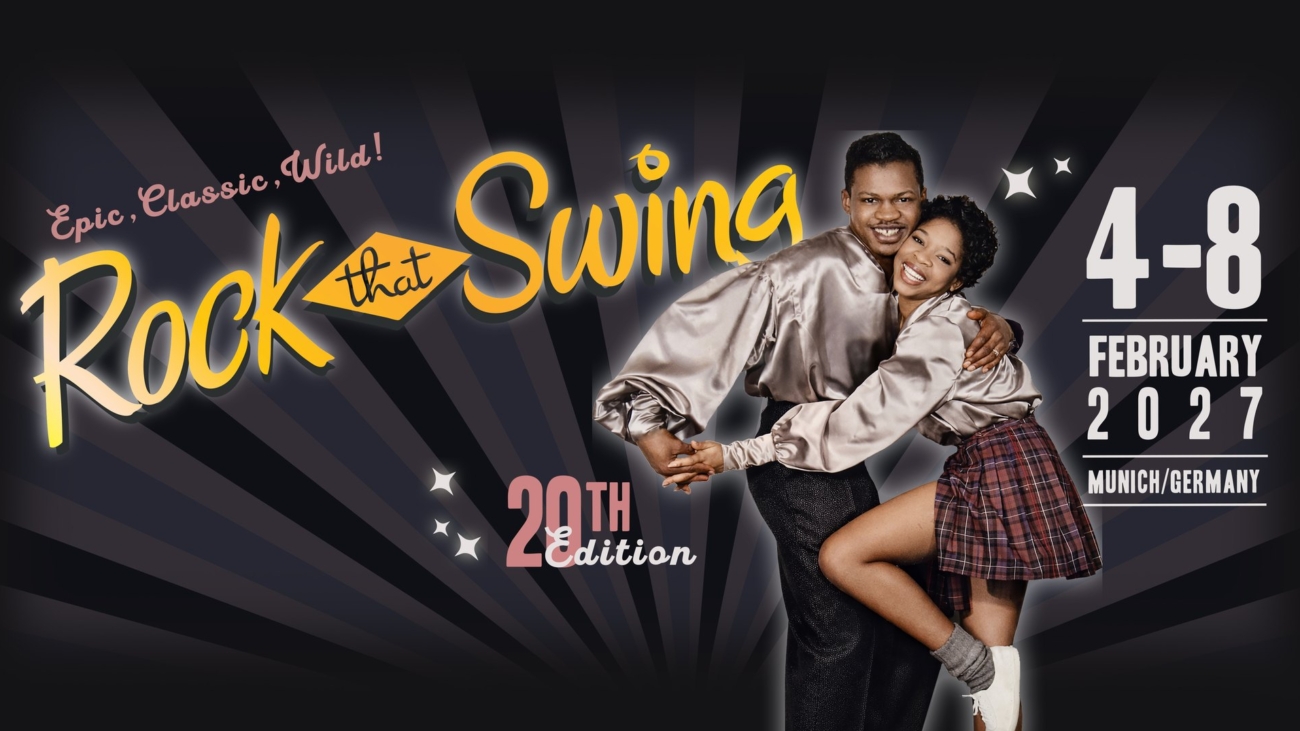
Munich Swings Into the Spotlight as Rock That Swing Festival 2026 Reinforces the Global Power of Live Big Band and Dance Culture

There are moments in the global jazz and swing calendar that don’t just celebrate the music—they validate its ongoing relevance, its physicality, and its deep cultural endurance. The 2026 edition of the Rock That Swing Festival in Munich stands firmly in that category, delivering a fully immersive experience where live big band performance, social dance, and historical authenticity converge into something unmistakably alive. For a platform like The Improv Cafe’, where every note broadcast is rooted in live jazz, live big band, and live swing, this festival isn’t just an international highlight—it is a real-time affirmation of everything the station represents.

Held from February 12 through February 16, the 19th installment of the Rock That Swing Festival once again transformed Munich into a global epicenter for swing-era revival, drawing dancers, musicians, and enthusiasts from across continents. What distinguishes this event is not just its scale, but its precision: an intentional recreation and recontextualization of the 1920s through the 1950s, executed with modern energy but without sacrificing stylistic integrity. The result is a rare environment where the music is not passive—it dictates movement, shapes interaction, and becomes the central force driving every room it fills.

At the heart of this year’s program was a series of gala evenings staged in Munich’s most distinguished venues, including the Deutsches Theater and the Künstlerhaus. These were not casual performances; they were curated showcases of elite international bands operating at the highest level of swing execution. Across multiple nights, the festival delivered a continuous rotation of live orchestras, each one pushing the boundaries of what vintage jazz can feel like in a contemporary setting.

Among the standout performers anchoring the 2026 edition was Naomi & Her Handsome Devils, a seven-piece ensemble that has become synonymous with the modern swing revival done right. Led by vocalist and internationally recognized Lindy Hop champion Naomi Uyama, the group embodies a rare dual authority: musical authenticity paired with a dancer’s instinct for rhythm, pacing, and momentum. That distinction matters. In swing, the band doesn’t just play—the band leads the floor.

Formed in 2013 with a very specific mission, Naomi & Her Handsome Devils were built to capture the feel of late-Count Basie-era swing while maintaining the intimacy and responsiveness required for live dance environments. Their arrangements are not museum recreations; they are living frameworks designed to keep bodies moving. Every tempo choice, every horn accent, every vocal phrasing is engineered with dancers in mind, and that philosophy was on full display throughout their multi-night presence at the festival.

Their schedule alone illustrates the scale and demand surrounding their performances. On February 13, they delivered two high-energy sets during Hep Cats Night in the Künstlerhaus Ballroom, setting a tone that immediately bridged traditional swing aesthetics with contemporary crowd engagement. The following evening, February 14, placed them on one of the festival’s most prestigious stages at the Rock That Swing Ball inside the Deutsches Theater, sharing the spotlight with a select group of the world’s top swing orchestras. By February 15, they returned for the Jamboree Ball, commanding both the Main Ballroom and the Silbersaal with performances that reinforced their role as one of the defining bands of the current swing movement.

What makes their impact particularly significant is how it reflects a broader shift in the global jazz ecosystem. Swing is no longer being preserved—it is being actively lived. Festivals like this are not nostalgia-driven gatherings; they are functional communities where music, dance, and culture operate in real time. The presence of over 300 workshops led by more than 70 international instructors during the festival’s Dance Camp component underscores that point. This is a training ground, a cultural exchange, and a performance circuit all at once, where the next generation of dancers and musicians are shaped directly within the tradition they are preserving.

And that is precisely where The Improv Cafe’ aligns seamlessly with this global movement. The station’s commitment to exclusively broadcasting live recordings—whether it’s a roaring big band set, a tight swing combo, or a vocal jazz performance captured in front of an audience—mirrors the same ethos driving events like Rock That Swing. There is an immediacy to live music that cannot be replicated, and in the swing world, that immediacy is inseparable from the dance floor. It’s not just about hearing the music; it’s about feeling its propulsion, its elasticity, and its unpredictability.

That energy carries directly into tonight’s programming, where The Improv Cafe’ continues that tradition with its “Swing with the Big Bands” radio show. Designed as a Friday night destination, the show is built around legendary live performances from the most influential big band leaders and orchestras in history. This isn’t a passive listening experience—it’s an invitation to move. Whether it’s the precision of a horn section locked into a driving rhythm or the spontaneous interplay between soloists, the broadcast captures the same spirit that defines a packed ballroom in Munich or a late-night dance floor anywhere in the world.

The connection between a global festival stage and a radio broadcast may seem abstract at first glance, but in reality, they operate on the same principle: preservation through performance. Every time a live swing recording is played, it extends the life of that moment. Every time a listener gets up and moves to the music, it reinforces the purpose behind it. And every time a band like Naomi & Her Handsome Devils takes the stage in front of a room full of dancers, it proves that swing is not a closed chapter in music history—it is an ongoing, evolving conversation.

Munich’s Rock That Swing Festival 2026 didn’t just showcase that reality—it amplified it. It demonstrated that the infrastructure supporting swing culture is not only intact, but thriving at an international level. It confirmed that audiences are still seeking out authentic live experiences. And it reinforced that the relationship between musicians and dancers remains one of the most dynamic and interactive forms of artistic expression in the modern era.

For listeners tuning into The Improv Cafe’, that same world is only a click away. The sounds coming through the speakers are not distant echoes of the past—they are living documents of a tradition that continues to fill rooms, move crowds, and define nights. And on a Friday evening, as “Swing with the Big Bands” takes over the airwaves, that connection becomes immediate, tangible, and impossible to ignore.

01jazzessay1-videoSixteenByNineJumbo1600

Swing Is Alive, Loud, and Unstoppable: Inside the Resurgence of Big Band Jazz and the Soundtrack of Friday Nights on The Improv Café Radio

The Return of the Dance Floor: How Live Swing, Big Band Energy, and The Improv Café Are Driving a New Era of Movement and Music. There is a moment—just before the band hits full stride—when the room shifts. The horns rise, the rhythm locks in, and suddenly the floor is no longer a floor. It becomes a living, moving current of bodies in motion, responding in real time to something bigger than themselves. That moment, once synonymous with ballrooms of the 1930s and 40s, is happening again across New Jersey and Philadelphia, and it is being amplified every single week through The Improv Café Radio Station—a broadcast space where live jazz, live big band, and live swing are not curated nostalgia, but a present-tense experience.

At the center of that experience is tonight’s Swing with the Big Bands Radio Show, a Friday night ritual that continues to define what this station does best. This is not passive listening. It is a call to move, to respond, to reconnect with the pulse of live performance. Every track is pulled from real stages, real rooms, real audiences—capturing the immediacy that defines swing at its highest level. When the show begins, it does not simply play music; it recreates the conditions that made swing a cultural force in the first place.

That resurgence is not confined to the airwaves. Across the region, the dance floor is back in motion, and it is being driven by a network of venues, instructors, and communities that are rebuilding swing culture from the ground up. What makes this moment particularly compelling is its accessibility. You do not need years of training, a partner, or even prior experience. You only need the willingness to step into the rhythm.

In Madison, New Jersey, a growing swing community continues to gather for structured evenings that blend instruction with live energy. Events are designed to eliminate barriers, beginning with professional lessons that guide newcomers through the fundamentals before opening the floor to social dancing. The upcoming anniversary celebration featuring a full big band underscores how these gatherings are evolving—no longer niche events, but full-scale experiences that mirror the energy of historic swing nights.

Jersey City has emerged as another focal point, where dance studios are offering consistent programming that bridges traditional and modern swing styles. From foundational East Coast Swing to the more fluid dynamics of West Coast Swing, the city’s schedule reflects a demand for both structure and improvisation. These classes are not isolated sessions; they are entry points into a larger ecosystem where dancers continue to refine their movement through repetition, community, and exposure to live music.

Further south, Princeton’s swing community maintains a strong academic and cultural presence, with open-access lessons that invite participants from across the region. The absence of prerequisites—no partner required, no prior experience expected—creates an environment where the emphasis is placed entirely on participation. It is a model that aligns perfectly with the ethos of swing itself: inclusive, adaptive, and driven by interaction.

New Providence and surrounding areas continue to expand the scope even further, integrating Latin influences and advanced techniques into their programming. This blending of styles reflects a broader evolution within swing culture, where traditional forms are preserved while new interpretations are encouraged. The result is a dance scene that feels both rooted and progressive, capable of attracting a wide range of participants.

Statewide networks dedicated to West Coast Swing have also gained momentum, offering structured calendars that connect dancers across multiple venues. Workshops, weekend intensives, and rotating events ensure that the community remains active and interconnected. This level of organization is critical, as it transforms individual events into a sustained movement.

Philadelphia’s scene adds another dimension, with weekly gatherings that combine instruction, live music, and extended social dancing. In Rittenhouse Square and beyond, Thursday nights have become a cornerstone for Lindy Hop and swing enthusiasts, with lessons leading directly into hours of open dancing. These events capture the essence of swing as a social form—music and movement intertwined in a shared space.

Organizations dedicated to preserving authentic swing-era dance continue to play a vital role, offering progressive series that focus on technique, history, and stylistic accuracy. At the same time, beginner-focused programs ensure that new participants can enter the scene without intimidation. This balance between preservation and accessibility is what allows the culture to grow without losing its identity.

Signature events and outdoor programming further expand the reach of swing. Large-scale dance parties in urban parks bring live music and instruction into public spaces, creating opportunities for spontaneous participation. These gatherings echo the origins of swing as a communal experience, where the boundaries between performer and audience are fluid.

Back in New Jersey, milestone celebrations from long-standing dance organizations highlight the longevity of the scene. Anniversaries are not just commemorations—they are proof that swing has maintained a continuous presence, even as its visibility fluctuated over time. What is happening now is not a reinvention, but a reemergence.

Within this broader landscape, The Improv Café Radio Station serves as both anchor and amplifier. By committing exclusively to live recordings, the station preserves the authenticity that defines swing and big band music. Every broadcast captures the nuances that are often lost in studio production—the slight variations in tempo, the interplay between sections, the audible reaction of a live audience. These elements are not imperfections; they are the essence of the form.

Swing with the Big Bands Radio Show brings all of this into focus. The program is structured to move through eras and styles while maintaining a consistent throughline: the power of live performance. Legendary bandleaders, iconic vocalists, and lesser-known ensembles all share space within the broadcast, creating a listening experience that is both comprehensive and immediate.

What makes tonight’s show particularly relevant is its connection to the physical spaces where this music is once again being danced. The same rhythms driving dancers in Madison, Jersey City, Princeton, and Philadelphia are the rhythms being broadcast in real time. The radio becomes an extension of the dance floor, and the dance floor becomes a reflection of the music.

This convergence is what defines the current moment. Swing is not being preserved in isolation—it is being lived. It exists in studios, in community centers, in outdoor events, and in the curated broadcasts of The Improv Café. Each element reinforces the others, creating a cycle of engagement that continues to expand.

As Friday night arrives, the invitation is immediate and unmistakable. Turn on Swing with the Big Bands Radio Show, let the music take hold, and understand that what you are hearing is not a recreation—it is a continuation. The same energy that once filled ballrooms is present, alive, and accessible.

The dance floor is no longer confined to a single space. It is wherever the music is heard, wherever the rhythm is felt, and wherever someone is willing to move. At The Improv Café, that movement begins the moment the broadcast goes live, carrying forward a tradition that remains as vital and compelling as ever.

For swing and big band dancing, you have several excellent options in the New Jersey and Philadelphia areas. Many of these venues offer dedicated beginner lessons immediately before their social dances, making it easy to jump in even without a partner.

New Jersey Swing Dance Classes & Lessons

  • Let’s Swing NJ (Madison, NJ): This non-profit hosts regular dances at the Madison Community House. Every event begins with a professional lesson, and they have an Anniversary Celebration with the Swingadelic Big Band on May 9, 2026.
  • Jersey City Ballroom (Jersey City, NJ): Offers a variety of group classes including Smooth/Swing Fundamentals on Saturdays at 11:30 AM and West Coast Swing on Wednesdays at 8:30 PM.
  • Princeton University Swing Club (Princeton, NJ): Their lessons are open to the public at the Frist Campus Center. They typically offer All-Levels East Coast Swing lessons on Thursday nights, which are beginner-friendly and do not require a partner.
  • Swing Dance Plus (New Providence, NJ): Specializes in all types of swing and Latin dance, offering expert lessons and regular parties.
  • Jersey Westies (Statewide): A great resource for West Coast Swing, providing a detailed calendar of workshops and programs across the state, such as sessions at Starlight Dance Center and Le Pari.

Philadelphia Swing Dance Scene

  • Jazz Attack (Rittenhouse Square): Holds Lindy Hop & Swing classes every Thursday at the Philadelphia Ethical Society. Lessons run from 8:00–9:00 PM followed by social dancing until 11:00 PM.
  • Ragtag Empire (Philadelphia): A dedicated swing and jazz organization that offers progressive Lindy Hop series and workshops focused on authentic swing-era dancing.
  • Society Hill Dance Academy (Philadelphia): Offers a 6-week Swing for Beginners course that covers the basics of Lindy Hop and East Coast Swing.
  • University City Swing (West Philadelphia): Hosted at St. Mary’s at UPenn, they offer West Coast Swing lessons every Wednesday night, and your first visit is free. 

Free Outdoor & Signature Workshops

  • Bryant Park Dance Party (NYC): The 12th season returns this spring! You can catch a Swing Dance & Rock ‘n’ Roll night with expert instructors on May 7, 2026. Lessons start at 6:00 PM, followed by live music at 7:00 PM.
  • Central Jersey Dance Society (Princeton): Celebrating their 25th Anniversary on April 18, 2026, with a night of varied dancing including swing. 

There is a certain electricity that only live swing can generate—the kind that doesn’t just fill a room, but transforms it. In 2026, that energy is not confined to ballrooms or historic bandstands. It is moving through airwaves, across stages, and into a renewed cultural moment where big band jazz is once again commanding attention. At the center of that revival is The Improv Café Radio Station, a destination built on a singular promise: every note you hear is live, every performance is real, and every broadcast captures the unfiltered essence of jazz, big band, swing, and vocal tradition as it was meant to be experienced.

Friday nights have become the heartbeat of that mission with the station’s signature program, Swing with the Big Bands Radio Show. This is not background music. It is an immersive, high-impact listening experience that draws directly from legendary live recordings—performances that defined eras, shaped movements, and continue to influence musicians today. When the show goes live, it invites listeners to step into the pulse of history, where brass sections explode with precision, rhythm sections drive relentless momentum, and vocalists command the stage with presence and personality that cannot be replicated in a studio environment.

What makes this moment particularly significant is the broader resurgence happening around the genre. Across the New York and New Jersey region, big band and swing are not simply surviving—they are thriving. The current landscape is marked by a dynamic blend of heritage and reinvention, where traditional arrangements coexist with modern interpretations, and where audiences are rediscovering the power of large ensemble jazz in both live and broadcast formats.

Major events are fueling that momentum. One of the most anticipated gatherings of the season, the Battle of the Big Bands, is set to take place aboard the historic Intrepid Museum, transforming a naval flight deck into a high-energy swing arena under the open sky. It is a setting that perfectly captures the scale and spectacle of the genre, where multiple ensembles compete not just in sound, but in showmanship, inviting audiences to engage directly through dance and movement.

That sense of immersion continues with the Gotham Jazz Festival, an all-day experience that brings together some of the most accomplished hot jazz and swing ensembles in the region. Events like this are redefining how audiences interact with jazz, shifting from passive listening to active participation. The emphasis is no longer just on performance—it is on experience, community, and the shared energy that only live music can generate.

Philadelphia’s Germantown Big Band Jazz Battle adds another layer to this regional resurgence, highlighting the competitive and collaborative spirit that has always defined the big band tradition. These events are not isolated—they are part of a broader network of performances and gatherings that collectively signal a renewed cultural appetite for swing.

At the institutional level, Lincoln Center’s summer programming continues to reinforce the genre’s relevance, with large-scale swing dance events and big band showcases that bring together world-class musicians and audiences from across the spectrum. These performances serve as both celebration and validation, confirming that big band jazz remains a vital and evolving art form.

Weekly residencies further anchor this movement. Venues like Birdland Jazz Club in New York maintain a consistent presence, offering audiences the opportunity to experience live big band performances on a regular basis. The Birdland Big Band’s ongoing Friday appearances have become a cornerstone of the scene, while other ensembles continue to push the boundaries of what big band music can be.

Closer to home, New Jersey’s own swing culture remains deeply rooted and actively engaged. Spaces dedicated to dance and live performance continue to host regular events, creating environments where the music is not only heard but physically felt. Educational institutions are also playing a role, with university jazz programs contributing to the next generation of performers who are carrying the tradition forward while introducing new ideas and influences.

On a global scale, the genre’s reach continues to expand. Touring acts like the Mingus Big Band are bringing large ensemble jazz to international audiences, while groups rooted in the swing revival movement continue to blend traditional forms with contemporary elements. Even as the scene evolves, the core remains unchanged—the commitment to live performance, to spontaneity, and to the connection between musician and audience.

Within this broader context, The Improv Café Radio Station occupies a unique and essential position. By focusing exclusively on live recordings, the station preserves the authenticity that defines jazz at its highest level. There are no studio edits to smooth over imperfections, no artificial enhancements to shape the sound. What listeners hear is exactly what happened in the moment—the energy, the interaction, the risk, and the reward.

This commitment becomes especially powerful during Swing with the Big Bands Radio Show. Each broadcast is curated to reflect the depth and diversity of the genre, moving seamlessly between eras, styles, and ensembles. From the explosive precision of classic big band arrangements to the nuanced interplay of smaller swing groups, the show captures the full spectrum of what makes this music enduring.

There is also an element of discovery embedded within the program. While legendary performances remain a cornerstone, the show consistently introduces lesser-known recordings that reveal new dimensions of the genre. This balance ensures that the experience remains both familiar and fresh, appealing to longtime enthusiasts while inviting new listeners into the fold.

The cultural significance of this moment cannot be overstated. In an era dominated by digital production and algorithm-driven playlists, the return to live, unfiltered performance represents a shift in how audiences engage with music. There is a growing appreciation for authenticity, for the imperfections that make a performance human, and for the collective experience that defines live jazz.

For The Improv Café, this is not a trend—it is a foundation. The station’s identity is built on the belief that live music carries a weight and immediacy that cannot be replicated. Every broadcast reinforces that philosophy, creating a space where the past and present of jazz coexist in real time.

As Friday night approaches, the invitation is clear. Tune in to Swing with the Big Bands Radio Show and experience a form of music that continues to evolve while staying true to its roots. Let the horns lead, let the rhythm section drive, and let the music take over in a way that only live performance can deliver.

In 2026, swing is not a revival—it is a continuation. It is a living, breathing force that moves through venues, festivals, and airwaves alike. And at The Improv Café, it is happening live, exactly as it should be heard.

swing-01-cotton-club-harlem-new-york-city-1930-1300x731

The Cotton Club Legacy Lives On: From Harlem’s Historic Stage to Tonight’s “Swing with the Big Bands” on The Improv Cafe

On Friday nights, the sound of swing returns in full force across the airwaves of The Improv Cafe, the radio station devoted exclusively to the energy and authenticity of live performance. For listeners who crave the unmistakable excitement of Live Jazz, Live Big Band, and Live Swing, tonight’s broadcast of “Swing with the Big Bands” is more than a radio show—it is a journey through one of the most powerful musical movements ever created.

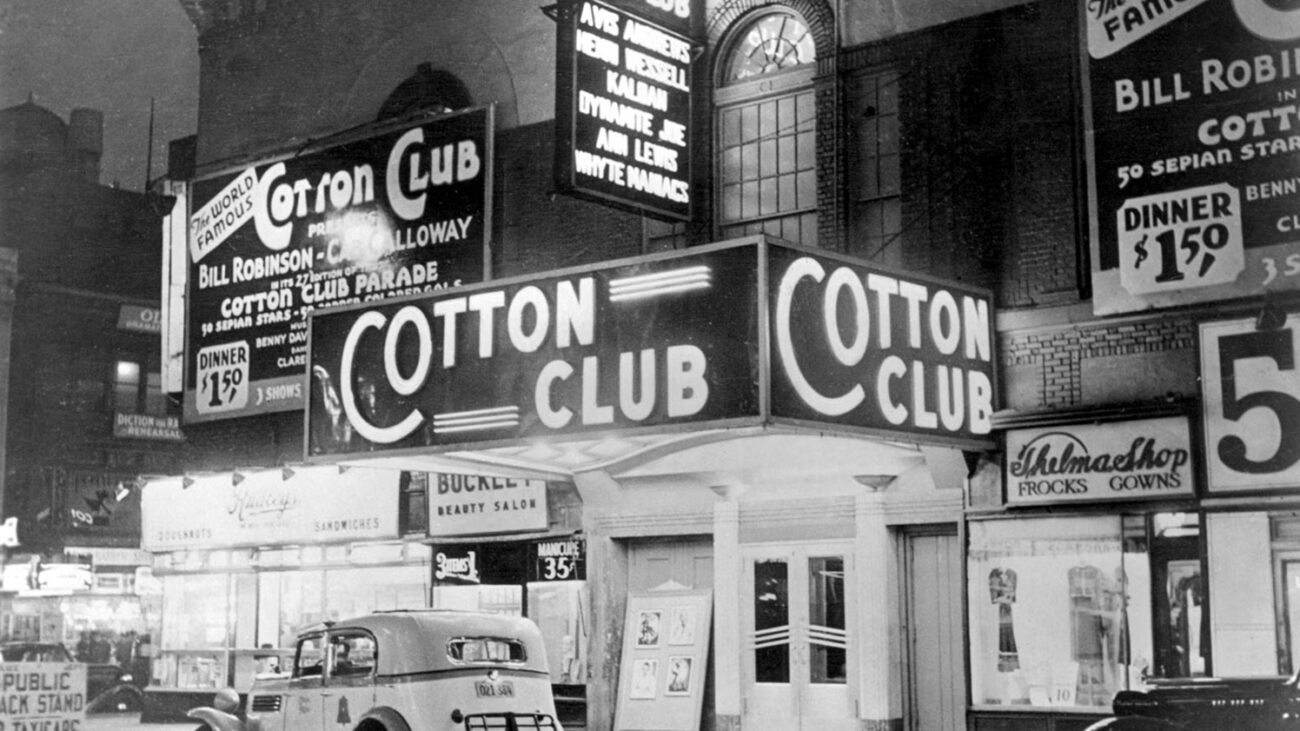
Few places represent that history more vividly than The Cotton Club, the legendary Harlem nightclub that helped define the sound, spectacle, and cultural influence of the big band era. The story of that venue—its complicated past, its extraordinary music, and its lasting impact on American culture—remains inseparable from the music that continues to inspire audiences today.

As listeners tune in tonight, they will hear echoes of that historic stage in every horn section, every piano run, and every thunderous swing rhythm that once electrified New York City during the height of the Harlem Renaissance.

Harlem, Jazz, and the Birth of a Musical Powerhouse

The Cotton Club stood at the center of Harlem’s cultural explosion during the early twentieth century. Located on 142nd Street and Lenox Avenue, the venue quickly became one of the most talked-about nightclubs in America.

Originally opened in 1920 as Club DeLuxe, the venue was founded by Jack Johnson, the groundbreaking heavyweight boxing champion who became a cultural icon in his own right. The club would soon undergo a transformation that would cement its place in entertainment history.

In 1923, the club was taken over by Owney Madden, a notorious New York mob figure who transformed the venue into a lavish speakeasy during the Prohibition era. Madden renamed the club The Cotton Club, turning it into a glamorous destination for wealthy socialites, celebrities, and tourists who were eager to experience Harlem nightlife.

Yet the club existed within a deeply contradictory social reality. While it showcased extraordinary Black musicians, dancers, and entertainers, the audience itself remained exclusively white, reflecting the racial segregation that defined the era.

Despite that exclusionary structure, the music created inside the Cotton Club would help reshape American entertainment forever.

The Cotton Club Sound That Changed Music

The Cotton Club quickly evolved into one of the most influential musical venues in the country. The stage became a proving ground for some of the greatest performers in jazz history.

One of the most significant figures to emerge from the club was Duke Ellington, who led the Cotton Club’s house band beginning in 1927. Ellington’s orchestra delivered nightly performances that combined sophisticated arrangements with the improvisational brilliance that defined early jazz.

His residency at the club helped transform him from a rising bandleader into a national star.

Weekly live broadcasts from the Cotton Club were transmitted over radio station WHN, bringing the energy of Harlem nightlife into living rooms across the United States. For many Americans, those broadcasts served as their first exposure to the electrifying sound of big band jazz.

The club’s stage would also host an extraordinary lineup of performers whose influence continues to resonate today:

  • Cab Calloway, whose flamboyant stage presence and infectious swing rhythms captivated audiences nationwide
  • Louis Armstrong, whose trumpet playing helped redefine the boundaries of jazz performance
  • Ethel Waters, whose powerful voice bridged blues, jazz, and popular music
  • Lena Horne, who later became one of the most iconic performers of the twentieth century
  • Bill “Bojangles” Robinson, whose dance innovations helped shape the future of tap performance

The Cotton Club became a launchpad for these artists, amplifying their music through live radio broadcasts and transforming them into household names.

The Radio Era That Spread Swing Across America

The Cotton Club’s national radio broadcasts were revolutionary. At a time when radio was rapidly becoming the dominant form of home entertainment, live performances from Harlem clubs gave millions of listeners a front-row seat to the jazz revolution.

These broadcasts allowed the big band sound to travel far beyond New York City. Audiences across the country were suddenly hearing the driving rhythms, bold brass arrangements, and improvisational brilliance that defined swing.

In many ways, those broadcasts were the predecessors of what The Improv Cafe continues to do today.

By focusing exclusively on live jazz and big band recordings, the station recreates the same immersive musical experience that radio audiences first encountered nearly a century ago.

Listeners aren’t just hearing music—they are stepping into the atmosphere of legendary performance halls where the music was born.

A Complicated Legacy

While the Cotton Club’s musical influence remains undeniable, its social history is equally important to understand.

The club’s décor and stage productions often reflected stereotypical “plantation” themes designed to appeal to white audiences who traveled uptown for what was sometimes described as “slumming.” Performers were frequently required to wear costumes that reinforced racist caricatures of Black culture.

Despite these injustices, the musicians themselves transformed the stage into a place of artistic brilliance.

The music they created transcended the limitations placed upon them, ultimately reshaping American culture and paving the way for future generations of artists.

Their talent and creativity turned the Cotton Club into a symbol of both the struggles and triumphs of the Harlem Renaissance.

The Cotton Club’s Closing Years

The original Harlem location of the Cotton Club closed following the Harlem race riots of 1935, marking the end of one chapter in the venue’s history.

The club briefly reopened in Midtown Manhattan at Broadway and 48th Street in 1936, attempting to recapture its earlier success. However, changing musical tastes and mounting legal issues—including investigations into tax evasion—eventually forced the venue to close permanently in 1940.

By that time, swing music had already spread across the nation, carried by radio broadcasts, touring orchestras, and the growing popularity of big band dance halls.

The Cotton Club itself may have faded, but the music it helped elevate had already become part of the American cultural foundation.

The Modern Cotton Club in Harlem

Today, a venue carrying the Cotton Club name operates on West 125th Street in Harlem.

While it is not the same organization as the original segregated nightclub, the modern venue celebrates Harlem’s musical heritage by hosting live jazz and gospel performances that continue the neighborhood’s historic tradition of live music.

Visitors in recent months have reported that the club still features outstanding musicians who keep the spirit of Harlem jazz alive.

In many ways, that ongoing commitment to live performance reflects the same philosophy embraced by The Improv Cafe.

Music is most powerful when experienced live.

The spontaneity.
The improvisation.
The raw energy of musicians responding to each other in real time.

Those elements define both the golden era of big band jazz and the programming that listeners enjoy on The Improv Cafe today.

Tonight on The Improv Cafe: Swing with the Big Bands

That brings us to tonight’s highly anticipated broadcast.

Every Friday evening, “Swing with the Big Bands” brings together legendary live recordings from the greatest big band artists in history. The show captures the exhilaration of swing music in its purest form, allowing listeners to hear the music exactly as audiences experienced it decades ago.

Expect powerful horn sections, driving rhythms, and unforgettable solos from some of the most celebrated orchestras ever assembled.

From the golden age of jazz ballrooms to historic radio broadcasts and live concert recordings, the program explores the performances that defined the swing era.

It’s a chance to hear the kind of music that once filled legendary venues like the Cotton Club—and to experience it with the same excitement that audiences felt when those bands first took the stage.

So if you’re looking for something special on a Friday night, tune in and let the music carry you back to a time when swing ruled the dance floor.

Turn up the volume.
Clear some space to dance.
Let the brass section lead the way.

Because when the big bands start swinging on The Improv Cafe, the spirit of jazz history comes roaring back to life.

6d805f6f6351a496d2af65030b29c21a

Live Jazz Everywhere You Look—and Only Live Jazz on Our Airwaves—Swing With Big bands Tonight on The Improv Cafe’

As January 2026 rolls forward, the global jazz scene is anything but quiet. From packed clubs and marathon festival sets to international celebrations already on the calendar, the music is thriving—and at The Improv Café Radio, we remain fully locked into the heartbeat of it all. As always, our station plays only live jazz, big band, swing, and vocal jazz. Every track you hear is a live performance—no studio cuts, no exceptions—because jazz, at its core, is meant to be experienced in the moment.

That philosophy feels especially fitting right now, as major jazz hubs across the country and around the world are alive with energy.

Jazz Festivals Setting the Winter Pace

New York City’s Winter Jazzfest is closing out its ambitious, month-long “Still We Rise” season, a sprawling celebration that turned Manhattan and Brooklyn into nightly destinations for adventurous listeners. Marathon performances, late-night improvisation, and boundary-pushing collaborations reminded everyone why New York remains a global epicenter for live jazz culture.

Out west, the Tucson Jazz Festival continues through January 24, welcoming a diverse lineup that bridges modern groove and classic sophistication. Performers like Cory Wong, Dee Dee Bridgewater, and Bill Charlap are delivering sets that feel as much like celebrations as concerts—exactly the kind of performances that define today’s live jazz revival.

Later this month, jazz quite literally takes to the seas with The Jazz Cruise ’26, setting sail from Fort Lauderdale on January 27. With icons like Ron Carter, Emmet Cohen, and Paquito D’Rivera on board, it’s a floating reminder that live jazz has no boundaries—not geographic, not stylistic, and certainly not creative.

Looking further ahead, anticipation is already building for International Jazz Day 2026 on April 30. Chicago has been announced as the Global Host City, and official countdowns are underway for what promises to be a worldwide celebration of the music’s past, present, and future.

Clubs Where the Music Is Happening Right Now

Beyond the festivals, legendary clubs are continuing their tradition of presenting unforgettable live performances.

At New York’s iconic Blue Note, drummer Antonio Sánchez is in the middle of a powerful weekend run through January 24, followed by a GroundUP Music Showcase on January 25—proof that rhythm-forward jazz remains as compelling as ever.

Uptown at Smoke Jazz & Supper Club, pianist Cyrus Chestnut is taking the stage tonight, January 23, delivering the kind of soulful, swinging performance that reminds listeners why live piano jazz resonates so deeply.

On the West Coast, Yoshi’s continues to blur genre lines, recently hosting hip-hop legends DJ Quik and Spice 1 backed by live bands—another example of how jazz remains a living, evolving art form.

Meanwhile, beneath The Roxy Hotel at The Django, upcoming dates include the Gabriel Guerrero Trio on January 27 and the Michael Blake Quartet on January 31, offering intimate, late-night sessions that echo the golden age of underground jazz rooms.

Honoring the Legends We’ve Lost

This season also carries moments of reflection. The jazz world continues to mourn the loss of drummer Jack DeJohnette, who passed away in October 2025 at age 83. A true innovator, his influence on modern jazz rhythm is immeasurable. More recently, beloved American Songbook vocalist Rebecca Kilgore passed on January 20, 2026, leaving behind a legacy of warmth, elegance, and timeless swing. Their live recordings continue to inspire—and you’ll hear them honored on our airwaves.

A Global Jazz Year Ahead

The 2026 international festival calendar is already shaping up to be extraordinary. Montreux Jazz Festival Miami arrives February 27 through March 1 with Jon Batiste and Nile Rodgers headlining. The Montreal International Jazz Festival follows June 25 through July 4, featuring Diana Krall and Melody Gardot, while the Seoul Jazz Festival takes place May 22–24, underscoring jazz’s truly global reach.

Tonight on The Improv Café Radio: Swing With the Big Bands

If you’re looking for something special to kick off your Friday night, we’ve got you covered. Tonight, tune in to our “Swing With the Big Bands” radio show, where we spin legendary live performances from the greatest big band artists in history. Expect explosive brass sections, driving rhythm, and the kind of swing that makes it impossible to sit still.

As always, every song played is a live recording—authentic big band energy captured exactly as it happened. Whether you’re dancing in your living room, bopping along in the car, or just letting the music wash over you, it’s the perfect soundtrack for a Friday night.

At The Improv Café Radio, we don’t just play jazz—we preserve its spirit. Live. Always.

For high-energy Live Swing and Big Band recordings that capture the authentic atmosphere of a concert hall or jazz club, these essential albums are widely regarded as the best examples of the genre in a live setting, tuner in tonight on Swing With Big Bands.

Legendary Concert Recordings 

These albums are famous for revitalizing the careers of bandleaders or setting the gold standard for live jazz performance.

  • Duke EllingtonEllington at Newport(1956)
    • This is arguably the most famous live big band recording in history.
    • The centerpiece is a 27-chorus tenor sax solo by Paul Gonsalves on “Diminuendo and Crescendo in Blue” that nearly caused a riot and single-handedly revitalized Ellington’s career.
  • Benny GoodmanThe Famous 1938 Carnegie Hall Jazz Concert
    • Recorded on January 16, 1938, this was the first time jazz was presented as a serious art form at Carnegie Hall.
    • It features the definitive, high-energy live version of “Sing, Sing, Sing (With a Swing)”.
  • Frank Sinatra & Count BasieSinatra at the Sands(1966)
    • Captured at the Sands Hotel in Las Vegas, this album features the Count Basie Orchestra conducted by Quincy Jones.
    • Sinatra is at his peak here, backed by one of the hardest-swinging big bands ever recorded. 

Hard-Swinging Club & Broadcast Sets

These recordings offer a more intimate but equally powerful “live” feel, often captured in nightclubs or via radio broadcasts. 

  • Count BasieBreakfast Dance and Barbecue(1959)
    • Recorded live at a 2:00 AM DJ convention in Miami, this album captures the “Atomic” era Basie band in a loose, high-energy late-night setting.
  • Count BasieLive in Berlin 1963
    • An original master concert recording from the Sportpalast Berlin, featuring the classic Basie rhythm section and innovations like “split” tenor saxophones.
  • Thad Jones & Mel Lewis Jazz OrchestraAll My Yesterdays: The Debut 1966 Recordings at the Village Vanguard
    • This album documents the birth of one of the most influential modern big bands.
    • The recording captures their first Monday night at the Village Vanguard, showcasing a modern, inventive, yet hard-swinging style.
  • Buddy RichBig Swing Face(1967)
    • Recorded live at The Chez in Hollywood, this album showcases the incredible power and speed of the Buddy Rich Big Band. 

Essential Live Big Band List

Artist / Band Album TitleNotable Detail
Duke EllingtonThe Great Paris ConcertRecorded live in 1963; captures a sophisticated, swinging European tour set.
Glenn MillerLive From the Cafe Rouge 1940Authentic radio broadcasts capturing the height of Miller’s popularity.
Illinois JacquetBig Band Live in Berlin 1987A later recording of a master saxophonist leading a powerhouse “classic style” band.
World’s Greatest Jazz BandIn Concert at Carnegie HallFeatures Maxine Sullivan and Bobby Hackett in a classic swinging revival.
GRP All-Star Big BandGRP All-Star Big Band Live!A 1993 recording featuring modern jazz greats playing swing standards with massive energy.
swing-01-cotton-club-harlem-new-york-city-1930

Tonight on The Improv Cafe is Swing with the Big Bands Radio Show

Looking for an unforgettable Friday night vibe? The Improv Cafe invites you to tune into Swing with the Big Bands, where every song played is a live version—pure, unfiltered, and bursting with the energy of legendary jazz, swing, and big band performances. From the soaring horns to the snapping rhythm section, you’ll hear the music exactly as it was performed on stage, capturing the magic of an era when swing ruled the dance floors. Tonight, let the sounds of Benny Goodman, Glenn Miller, Duke Ellington, and more transport you to a golden age of American music.


Swing and Big Bands: More Than Music

Swing and big band clubs were pivotal in 1930s and 1940s America, shaping not only music but also social culture. These venues were much more than places to dance—they were vital social spaces that offered escape, uplifted spirits, and fostered integration in a segregated society.

Escapism and Morale: During the Great Depression, the upbeat rhythms of swing provided Americans with relief from economic hardships. The Lindy Hop, Jitterbug, and other dances brought energy and joy to crowded dance halls. During World War II, big bands like the Glenn Miller Orchestra performed for troops overseas through USO shows and V-Discs, spreading morale across battlefields and home front alike.

A Unifying Force: Swing music’s infectious energy transcended social and economic divides. People from different backgrounds came together to enjoy live music, connect through dance, and experience shared joy. The vibrant energy of these performances—captured today on The Improv Cafe—reminds us why swing music remains timeless.

Challenging Racial Segregation: While society struggled with segregation, swing music became a subtle yet powerful tool for social progress. Integrated bands challenged norms: Benny Goodman hired Black musicians like Teddy Wilson and Lionel Hampton, while Artie Shaw featured Billie Holiday. These live performances weren’t just entertainment—they were statements, blending artistry with social change.

Economic Impact: Big bands created new opportunities for musicians, arrangers, and vocalists during times of widespread unemployment. Swing music not only energized audiences but also provided livelihoods for hundreds of artists, reinforcing its role as both cultural and economic force.


Legendary Clubs and Their Stories

The history of swing is inseparable from the venues that nurtured it:

Savoy Ballroom – Dubbed the “Home of Happy Feet,” the Savoy in Harlem was famous for its racial integration. Patrons danced the Lindy Hop and Jitterbug to live performances from top bands, with the music spilling onto the streets during sweltering summers. The ballroom even employed two bands simultaneously, ensuring the music never stopped.

Cotton Club – While the audience was largely restricted to whites, the club showcased legendary Black performers such as Duke Ellington, highlighting the complex racial dynamics of the era where live music could cross boundaries even if social norms could not.

The Palomar Ballroom – The Palomar in Los Angeles is often cited as the birthplace of the Swing Era. In August 1935, Benny Goodman’s “hot” swing captivated an enthusiastic young crowd, changing the course of American music history. Tragically, the ballroom burned down in 1939, immortalized in Charlie Barnet’s song “All Burned Up”.

Roseland Ballroom – An elegant dance hall in New York City, the Roseland hosted top-tier bands and dancers, inspiring the design of later venues like the Savoy. Its live performances defined the sophistication and rhythm of swing music, primarily serving white audiences but leaving a lasting legacy of big band excellence.


Tune in Tonight: Swing with the Big Bands

Friday nights come alive on The Improv Cafe with Swing with the Big Bands. Every performance featured is live, capturing the authenticity, improvisation, and high-energy interaction that defined the swing era. From legendary horn sections to smooth vocal jazz, every song is played as it was meant to be heard—live, vibrant, and unforgettable.

Whether you’re an aficionado of jazz history, a dancer looking to swing, or simply someone who loves the sound of live big band and vocal jazz, tonight’s show delivers it all. Let the music take over, and feel the energy that once lifted an entire nation.


Tune in to The Improv Cafe tonight and dance, bop, and swing with the giants of jazz and big band music. Remember—on The Improv Cafe, every song played is the live version, always.

image

The Improv Café is Where Every Note Is Live and the Friday Night Dance Party Always Swings

There’s something magical about live jazz — that electric moment when the horns hit, the rhythm section locks in, and the vocalist’s voice fills the room with warmth and soul. At The Improv Café, we live for those moments. In fact, we only play them. That’s right — every song you hear on The Improv Café is a live performance, straight from the world’s most iconic jazz clubs, concert halls, and festival stages.

From Big Band powerhouses to Swing, Vocal Jazz, and the most intimate live jazz sessions, The Improv Café is the world’s first all-live jazz station. It’s the sound of real musicians, real audiences, and real emotion — every time you tune in.


🎺 Friday Nights: “Swing with the Big Bands” Radio Show

Looking for a little rhythm to kick off your weekend? Then Friday nights at The Improv Café are where you belong. Join us for “Swing with the Big Bands”, our weekly showcase of legendary live performances from the golden age of swing.

From Glenn Miller and Count Basie to Duke Ellington, Benny Goodman, and today’s torchbearers keeping the big band tradition alive, this show is your front-row ticket to the best of the best. Every track is a live performance — full of energy, crowd applause, and timeless swing.

So dust off your dancing shoes, clear some space in the living room, and get ready to dance, bop, and swing your way into the weekend with Swing with the Big Bands — tonight, only on The Improv Café.


🎙️ Signature Shows on The Improv Café

Every program on The Improv Café celebrates live music — no studio tricks, no overdubs, just pure onstage brilliance.

  • Singing with Swing – A celebration of Big Band and Vocal Jazz classics, spotlighting the voices that defined eras and inspired generations.
  • Live at the Village Vanguard – Experience the intimacy and atmosphere of one of New York’s most legendary jazz clubs with rare live sets recorded in-house.
  • Live at the Blue Note – The pulse of jazz, captured in the heart of Manhattan, with performances from global icons and groundbreaking new talent.

At The Improv Café, if it isn’t live — it doesn’t play.


🎵 Live Jazz News & Events

TD James Moody Jazz Festival – Newark, NJ | November 8–23, 2025

New Jersey’s largest jazz celebration returns to Newark this fall with an all-star lineup featuring Christian McBride & His Big Band, Stanley Clarke, Arturo Sandoval, and more. Expect nearly two weeks of world-class performances and special tributes to the state’s rich jazz heritage.

Autumn Exit Zero Jazz Festival – Cape May, NJ | November 7–9, 2025

Cape May transforms into a live jazz paradise as international touring artists take over multiple venues across this seaside town. A perfect weekend escape for jazz lovers who crave both great music and great views.

“Jersey Jazz Live!” – Madison Community Arts Center | November 2, 2025

An evening that spotlights local excellence and future stars alike. Don Braden, Mariel Bildsten, and other NJ legends share the stage with the 2025 New Jersey Jazz Society Scholarship winners — a true celebration of the state’s next generation of jazz talent.

Adi Yeshaya & Jennifer Grimm – Live at the Dakota | Late October / Early November 2025

Arranger and composer Adi Yeshaya brings his new album “Produce” to life alongside vocalist Jennifer Grimm in a live performance that fuses sophisticated arranging with soulful delivery.

Jazz at Lincoln Center – New York, NY | November 7–8, 2025

Saxophonist Alexa Tarantino unveils her fifth album, “The Roar and the Whisper,” while percussion master Cyro Baptista celebrates his 75th birthday with a concert featuring Trey Anastasio, Cassandra Wilson, and other surprise guests.


🥁 Live Big Band Highlights

  • The Jazz Crew Big Band – Catch them live at The Crab Tavern in Darby, Pennsylvania, on November 2, 2025.
  • Clef Club Radiance Community Big Band – A joyful Holiday Swing Concert on December 14, 2025, at the Philadelphia Clef Club of Jazz & Performing Arts.
  • Rodney Marsalis Philadelphia Big Brass – Their “A Very Brassy Christmas” show blends big band jazz with orchestral flair, live in Spring, Texas, on November 29, 2025.
  • Jason Lindner Big Band – Celebrating 30 years of innovation at The Jazz Gallery, November 12–15, 2025.

For more live music near you, Cherry Hill and Philadelphia venues like Chris’ Jazz Café, The Cunningham Piano Company, and The Black Squirrel Club host regular live jazz and big band performances throughout the season.


🎶 The Sound That Never Sleeps

At The Improv Café, jazz isn’t background music — it’s live history in motion. From the timeless swing of the 1930s to the soulful improvisations lighting up stages today, every performance tells a story that deserves to be heard as it happened.

Whether you’re tuning in for the sophisticated croon of a jazz vocalist, the thunder of a brass section, or the intimacy of a trio deep in the groove, The Improv Café brings it all to life — live, authentic, and unforgettable.

So pour yourself a drink, dim the lights, and turn up the dial.
The Improv Café — where every song is live, and every night swings.

🎧 Tonight: Don’t miss “Swing with the Big Bands” — only on The Improv Café, your home for Live Jazz, Big Band, Swing, and Vocal Jazz.