There are moments in jazz when the present and the past converge with such clarity that the genre’s future becomes unmistakably visible. This week marks one of those moments. Across new releases, archival discoveries, major festival announcements, and the emergence of new performance spaces, live jazz is not simply enduring—it is expanding, evolving, and asserting itself once again as one of the most vital forms of musical expression in the world. At the center of that movement is The Improv Cafe’ Radio Station, a platform defined by its unwavering commitment to one principle: every note must be live. Live Jazz. Live Big Band. Live Swing. No exceptions, no compromises.
What is unfolding across the global jazz landscape right now reinforces exactly why that philosophy matters. The genre is experiencing a renewed surge of visibility and cultural relevance, driven not by studio polish, but by the raw, unfiltered energy of live performance. It is a shift that aligns perfectly with The Improv Cafe’s identity as a true broadcast home for performance in its purest form.
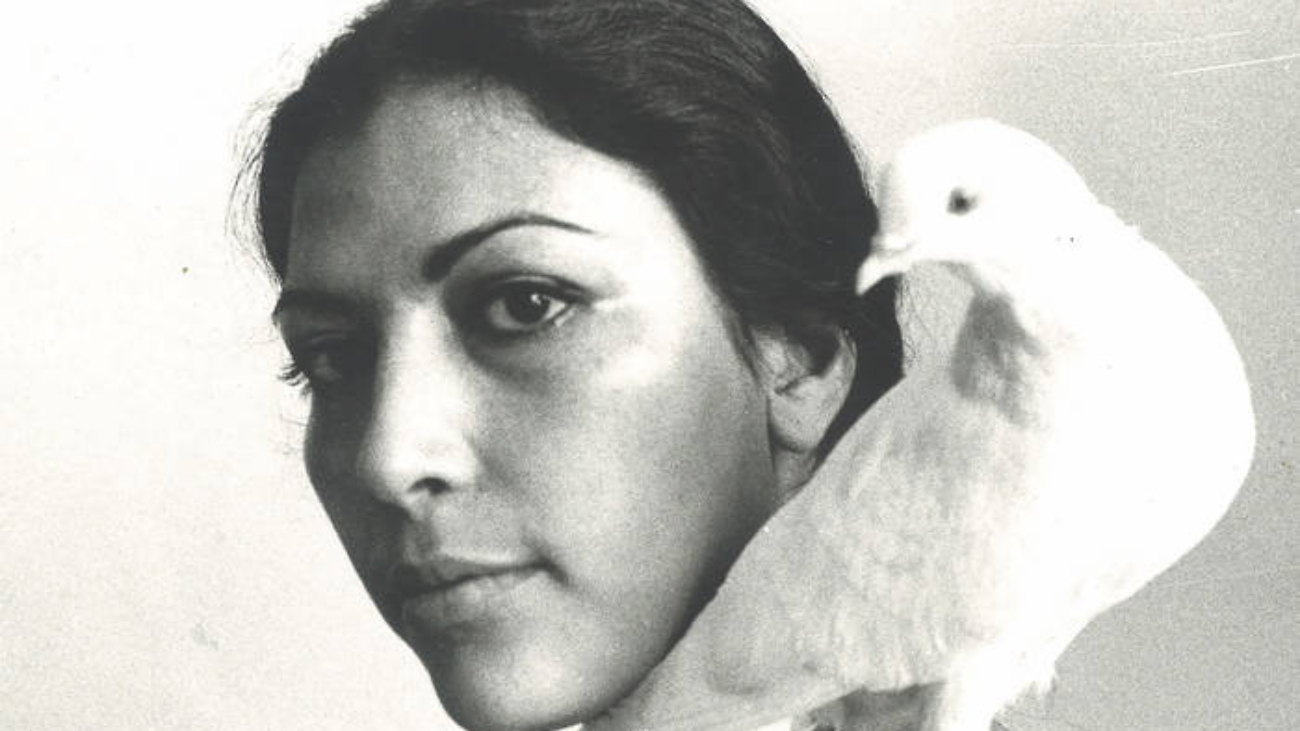
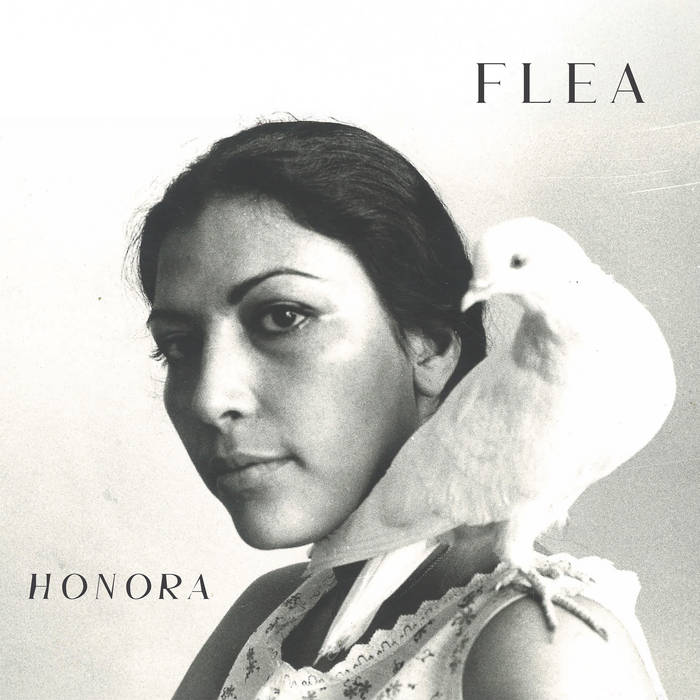
One of the most unexpected and compelling developments comes from outside the traditional jazz sphere. Flea, widely known for his role as bassist in the Red Hot Chili Peppers, has stepped decisively into the jazz world with his debut solo album Honora, released April 9, 2026. The project has rapidly ascended to become the No. 1 jazz album globally, signaling not only crossover appeal, but a deeper artistic commitment to improvisation and ensemble-driven performance. Featuring collaborators such as Jeff Parker and Anna Butterss, the album carries a distinctly live sensibility—fluid, exploratory, and grounded in interaction rather than perfection. It is not a departure from jazz tradition; it is an extension of it, demonstrating how the language of jazz continues to absorb and reinterpret influences from across the musical spectrum.
At the same time, the genre is reinforcing its internal legacy through powerful, community-driven initiatives. WBGO’s recent premiere of Her Rhythm: Women in Jazz stands as a defining example of how live performance continues to serve as both celebration and statement. Featuring artists like Sherrie Maricle and Brianna Thomas, the event highlights the depth, diversity, and leadership of women within the jazz community, emphasizing that the evolution of the genre is inseparable from the voices shaping it today. The performance format—live, immediate, and unfiltered—ensures that these contributions are not simply acknowledged, but experienced in real time.
Looking ahead, the announcement of the Blue Note Jazz Festival 2026 lineup further underscores the scale of jazz’s current momentum. Running from June 1 through July 1 across New York, the festival brings together a dynamic range of artists including Ledisi, Jose James, and the Dirty Dozen Brass Band. Each of these acts represents a different facet of jazz’s modern identity, from soul-infused vocal performance to genre-blending experimentation and brass-driven tradition. What unites them is a commitment to live performance as the primary medium through which jazz continues to evolve.
Equally significant is the expansion of physical spaces dedicated to the art form. The upcoming opening of the Mary Lou Williams Jazz Center in Decatur, Georgia, represents more than a new venue—it signals an investment in the future of live jazz as a communal experience. Anchored by a flagship performance space connected to the legacy of Churchill Grounds, the center is poised to become a critical hub for artists and audiences alike, reinforcing the idea that jazz thrives where people gather to experience it together.
Perhaps the most compelling evidence of jazz’s current vitality, however, lies in the recordings themselves. As Record Store Day 2026 approaches on April 18, a wave of new and archival live releases is set to redefine how listeners engage with the genre. These are not studio reconstructions or retrospective compilations—they are direct transmissions from the stage, capturing artists at the exact moment of creation.
The Immanuel Wilkins Quartet’s Live At The Village Vanguard series, released in three volumes, offers a comprehensive look at one of the most compelling saxophonists of his generation within one of jazz’s most revered spaces. Each volume reveals a different dimension of the residency, emphasizing the role of continuity and development in live performance.
Resonance Records’ upcoming archival releases further deepen this narrative, bringing previously unheard recordings from Chicago’s Jazz Showcase into circulation. Performances by Joe Henderson, Ahmad Jamal, Mal Waldron, and Yusef Lateef—captured between the mid-1970s and late-1970s—provide invaluable insight into a period of extraordinary creativity. These recordings do not simply document history; they extend it, allowing contemporary listeners to engage with performances that remain as immediate and relevant as when they were first played.
Additional releases, including Sylvie Courvoisier Trio’s Éclats – Live in Europe and Alexander Claffy’s Alive in Philadelphia, Vol. 1, reinforce the global nature of this resurgence, while the rediscovery of the Cecil Taylor Unit’s Fragments, recorded at the 1969 Paris Jazz Festival, serves as a reminder that jazz’s past continues to yield new revelations when approached through the lens of live performance.
This is precisely where The Improv Cafe’ asserts its authority. In a media landscape saturated with edited, compressed, and often fragmented musical experiences, the station remains singular in its dedication to live recordings exclusively. Every broadcast is a commitment to authenticity. Every program is an opportunity to engage with jazz as it was meant to be heard—unfiltered, dynamic, and fully alive.
Signature programming such as Live At The Village Vanguard, airing every Tuesday from 9PM to 2AM, exemplifies this approach. By presenting performances from one of the most iconic venues in jazz history, the show creates a continuous thread between past and present, allowing listeners to experience the evolution of the genre within a single, uninterrupted broadcast environment. It is not simply programming; it is curation at the highest level.
Upcoming live events, including the ACA Jazz Festival on April 11 and the Charleston Jazz Festival finale on April 19 featuring the Herlin Riley Quartet and the Gullah Collective, further reinforce the immediacy of the current moment. These are not isolated performances—they are part of a broader ecosystem in which live jazz continues to define itself through interaction, improvisation, and shared experience.
What becomes clear through all of this is that jazz is not experiencing a revival. It is operating within a state of continuous reinvention, driven by artists who understand that the essence of the genre lies in its ability to respond, adapt, and evolve in real time. Live performance is not an accessory to that process—it is the process.
The Improv Cafe’ stands at the center of this movement, not by following trends, but by reinforcing the foundational truth that has always defined jazz: it lives in the moment it is played. By committing exclusively to live Jazz, live Big Band, live Swing, and live Vocal Jazz, the station ensures that every broadcast carries the energy, spontaneity, and authenticity that make the genre indispensable.
As Record Store Day 2026 approaches and the global jazz community continues to expand, The Improv Cafe’ remains not just a participant, but a leader—an essential platform where the full spectrum of live performance is preserved, presented, and elevated.
In a world increasingly defined by convenience, The Improv Cafe’ offers something far more valuable: reality. The sound of musicians interacting in real time. The unpredictability of improvisation. The undeniable presence of performance as it unfolds.
This is not just where jazz is played. This is where jazz lives.