There are moments in the history of jazz when the music seems to collectively inhale before launching into another creative era. The current global explosion surrounding live jazz performance feels exactly like one of those moments. Across international festivals, historic centennial celebrations, major artist collaborations, and rapidly expanding crossover audiences, jazz is once again positioning itself at the center of live cultural conversation. For a station like The Improv Cafe’ — built entirely around the energy, spontaneity, and electricity of live Jazz, live Big Band, and live Swing — the timing could not be more significant.
What is unfolding right now is larger than nostalgia. Larger than a genre revival. Larger than festival season itself. Jazz is experiencing a full-scale live performance renaissance powered by generational rediscovery, new audiences, adventurous programming, and a renewed hunger for authentic musicianship in an era increasingly dominated by artificiality and disposable digital culture. The world is rediscovering what jazz audiences have always understood: nothing replaces the feeling of live improvisation unfolding in real time.
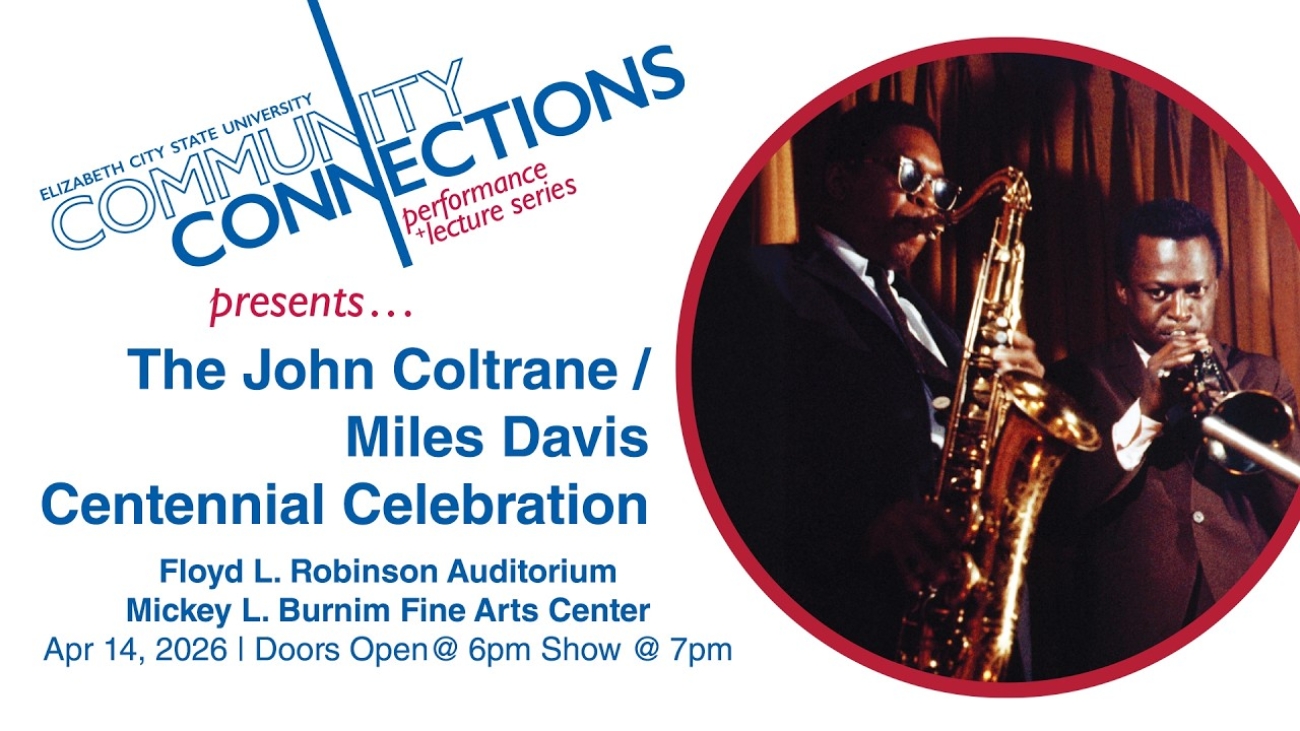
That momentum is accelerating into a historic period driven heavily by the upcoming centennial celebrations honoring two of the most transformative figures in music history: Miles Davis and John Coltrane. Their approaching 100th birthdays are not simply commemorative milestones. They are becoming global cultural anchors for festivals, tributes, educational programming, archival projects, and live reinterpretations that are helping redefine jazz for an entirely new generation of listeners.
For The Improv Cafe’, this is precisely the kind of moment the station was built to amplify.
The station’s commitment to exclusively broadcasting live Jazz, live Big Band, and live Swing recordings positions it uniquely within a modern media landscape where authenticity has become increasingly rare. While algorithmic playlists continue flattening music discovery into interchangeable mood-based consumption, live jazz remains defiantly human. It thrives on imperfection, risk, spontaneity, and communication between musicians and audiences. Every solo evolves differently. Every arrangement shifts with the room. Every performance becomes a singular historical document that can never be replicated.
That philosophy now aligns directly with what major international festivals are embracing in 2026.
One of the most important developments in live jazz programming this year has been the launch of the inaugural Santa Monica International Jazz Festival, an ambitious new multi-venue event curated by legendary four-time Grammy-winning bassist Stanley Clarke. The arrival of a new large-scale jazz festival in Southern California signals more than expansion. It represents institutional confidence that live jazz audiences are growing substantially enough to support entirely new destination events.
The Santa Monica festival immediately distinguished itself through ambitious artistic programming rather than safe nostalgia booking. Instead of treating jazz history as a museum exhibit, the event embraced jazz as a living, evolving art form capable of stretching across generations and styles. That balance between legacy and innovation culminated in a historic open-air finale headlined by double 2026 Grammy winner Kamasi Washington alongside a major tribute project honoring Miles Davis led by Davis’ nephew, Vince Wilburn Jr..
The symbolism surrounding that performance mattered enormously. Kamasi Washington has become one of the defining bridge figures between traditional jazz audiences and younger listeners raised on hip-hop, soul, cinematic composition, and experimental improvisation. His rise represents one of the clearest indicators that jazz is once again entering mainstream cultural relevance without sacrificing artistic complexity. Pairing Washington with a Miles Davis tribute led by a direct family and creative connection to Davis himself created a rare fusion of lineage and future-facing experimentation.
That combination reflects exactly why live jazz remains endlessly renewable.
Miles Davis spent his career refusing creative stagnation. Every major period of his catalog represented reinvention: bebop, cool jazz, modal jazz, electric fusion, orchestral experimentation, funk hybrids, and abstract improvisational structures. The current festival circuit appears to be embracing that same restless spirit. Instead of limiting jazz programming to preservation alone, organizers are increasingly encouraging reinterpretation, crossover collaboration, and boundary expansion.
The implications for live radio programming are massive.
For stations like The Improv Cafe’, the modern jazz resurgence opens extraordinary opportunities to reconnect audiences with the depth and scale of live performance archives while simultaneously introducing newer live artists who are reshaping the genre in real time. The appeal of live jazz radio lies in its unpredictability. A station devoted entirely to live recordings transforms listening into discovery rather than passive consumption. A 14-minute improvisational detour becomes part of the attraction. Extended solos become storytelling devices. Audience reactions become part of the composition itself.
That authenticity is becoming increasingly valuable to listeners exhausted by hyper-processed modern production.
The growing momentum surrounding international jazz festivals reinforces that shift. Few events illustrate jazz’s enduring global power more effectively than the legendary Montreal International Jazz Festival, widely recognized as the largest jazz festival in the world. The festival’s 46th anniversary programming demonstrates how jazz institutions are modernizing without abandoning their roots.
Veteran jazz journalist Justin Cober-Lake recently confirmed details surrounding SiriusXM’s live remote broadcasts from the Montreal event, further highlighting how major broadcast platforms are reinvesting in live jazz coverage. This matters because radio and live jazz have always shared a deeply intertwined history. From the swing era through bebop and beyond, radio once served as the primary engine for jazz discovery and cultural expansion.
In many ways, stations like The Improv Cafe’ are helping restore that tradition for the streaming generation.
The Montreal programming slate itself reflects jazz’s growing stylistic breadth. Live audience interviews featuring the Joshua Redman Group sit alongside major main-stage performances from internationally celebrated artists like Diana Krall and Marcus Miller. The diversity of those bookings demonstrates the increasingly expansive definition of contemporary jazz audiences. Traditional acoustic improvisation, vocal jazz sophistication, fusion experimentation, cinematic composition, and crossover orchestration now coexist comfortably inside the same festival ecosystem.
This broader inclusivity is helping jazz attract younger audiences without diluting its artistic integrity.
Meanwhile, another significant development arrived with the unveiling of the inaugural L.A. Jazz Festival lineup. The new Los Angeles-based event immediately generated attention by locking in crossover superstars including John Legend and Janelle Monáe alongside established jazz artists.
Traditionalists may debate crossover booking strategies, but the broader implications are difficult to ignore. Festivals increasingly recognize that jazz’s survival depends not on isolation but expansion. Bringing mainstream audiences into jazz-centered environments creates opportunities for discovery. A fan arriving for John Legend may encounter avant-garde improvisation for the first time. A Janelle Monáe listener may unexpectedly connect with big band arrangements, modal structures, or live swing orchestration.
This is how musical ecosystems evolve.
The crossover strategy also reflects jazz’s historical reality. Jazz has never truly existed in isolation. It has always absorbed, reshaped, and influenced surrounding genres. Swing transformed pop culture. Bebop revolutionized harmonic thinking. Fusion collided with rock and funk. Modern jazz continues intersecting with hip-hop, electronic composition, orchestral scoring, spoken word performance, and cinematic production.
The Improv Cafe’ sits directly inside that living continuum.
By centering live recordings rather than polished studio perfection, the station preserves the raw connective tissue that links every era of jazz history together. Whether listeners encounter a blistering big band performance from the swing era, a smoky late-night club recording from the hard bop years, or a modern spiritual jazz improvisation stretching beyond traditional structure, the common denominator remains human spontaneity.
That human element may ultimately explain why live jazz is resurging so forcefully right now.
Audiences increasingly crave experiences that feel irreplaceable. Live jazz delivers exactly that. No two performances unfold identically. No solo can be fully recreated. No room responds the same way twice. In an age dominated by cloned content and repetitive digital formatting, improvisation itself becomes radical.
The upcoming Miles Davis and John Coltrane centennials only intensify that relevance. Both artists spent their careers dismantling limitations. Both challenged audiences to move beyond comfort. Both transformed improvisation into philosophical expression. Their influence now stretches far beyond jazz itself into rock, hip-hop, classical composition, film scoring, and experimental sound design.
Modern festivals understand this. Younger artists understand this. And increasingly, audiences understand this.
That is why the global live jazz ecosystem feels so energized entering this new era. The music is no longer being framed simply as heritage programming. It is being positioned once again as progressive art capable of shaping future cultural conversations. Major festivals are investing accordingly. Broadcasters are adapting accordingly. Artists are experimenting accordingly.
For The Improv Cafe’, the mission becomes even more essential within that environment.
A station dedicated exclusively to live Jazz, live Big Band, and live Swing is not simply preserving musical history. It is preserving the living architecture of improvisation itself. Every broadcast becomes part performance archive, part educational experience, and part emotional time machine connecting generations of listeners through shared sonic discovery.
As international festivals expand, centennial celebrations intensify, and younger audiences continue gravitating toward authentic live performance culture, The Improv Cafe’ stands positioned at the center of one of the most exciting live jazz eras in decades.
And if the current momentum is any indication, the next century of jazz may be just beginning.