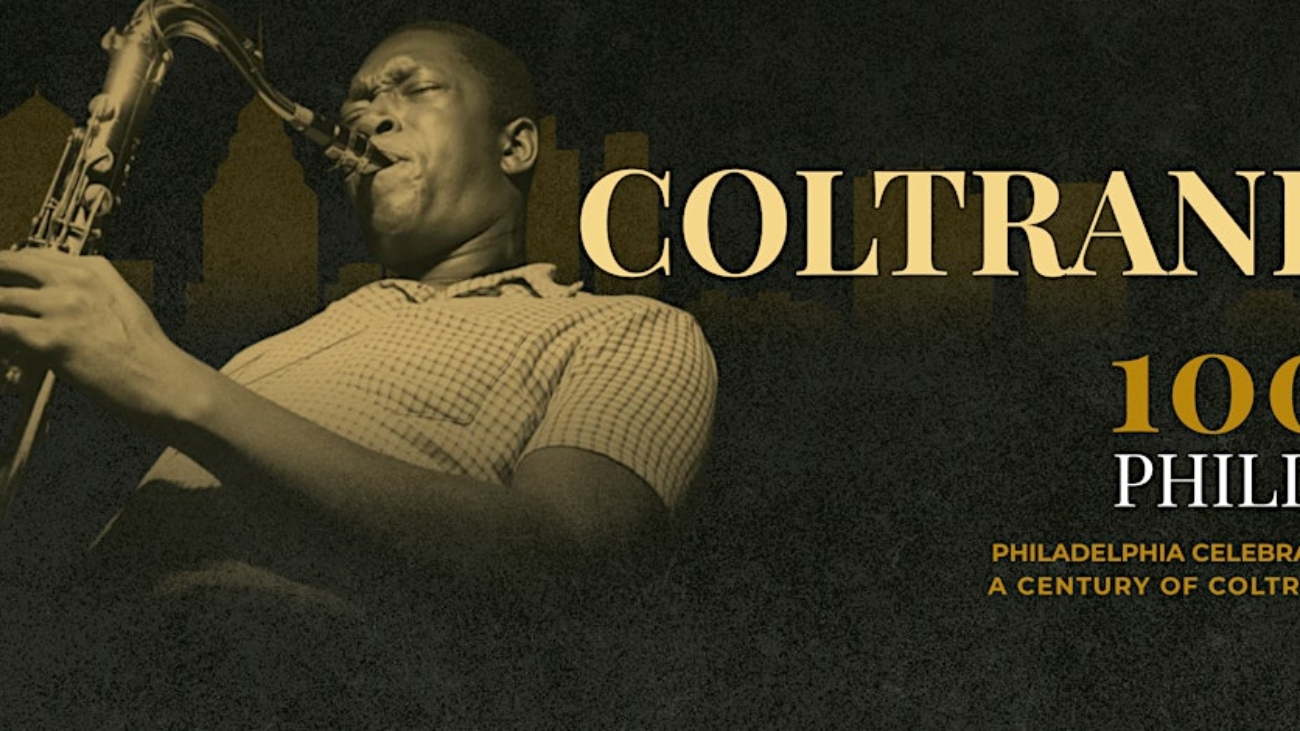
Coltrane 100 Philly is now official, the John Coltrane House is opening its doors to the public for the first time
Coltrane 100 Philly is now official, the John Coltrane House is opening its doors to the public for the first time, and this city is about to have one of the most remarkable fall music seasons in its history.
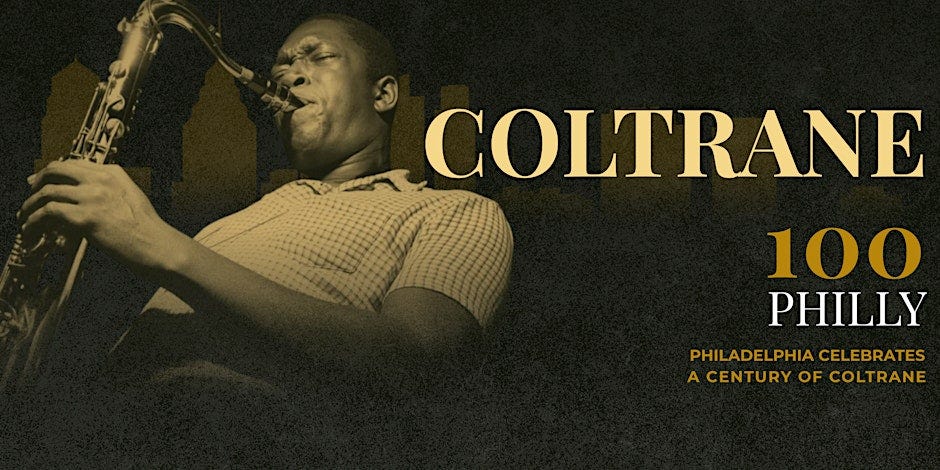
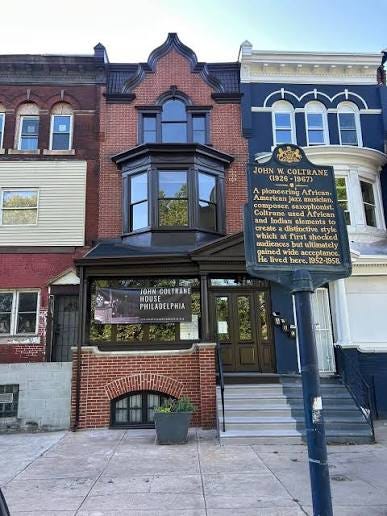
Philadelphia has a complicated relationship with its own greatness. The city that shaped John Coltrane, the city where he bought his house on North 33rd Street in 1952 and spent years working from sideman to one of the defining musical minds of the 20th century, has not always treated that legacy with the visibility it deserved. That changes this fall. On July 23, 2026, at the Yard on John Coltrane Street, members of the Coltrane family joined civic leaders, cultural organizations, and artists to officially launch Coltrane 100 Philly, a citywide centennial celebration honoring the 100th year since Coltrane’s birth. More than 30 performances, community events, educational programs, and artist grants will roll through the city between now and year’s end, and the season opens with one of the most significant pieces of historic preservation news Philadelphia has seen in years: the John Coltrane House at 1515 North 33rd Street is opening to the public for the first time in 2026, activated as a living cultural site by the Coltrane Estate in partnership with Ars Nova Workshop. Read The Improv Cafe’ Substack!
What Coltrane 100 Philly Actually Is — and Why It Matters Beyond the Concert Schedule
The celebration was announced by State Senator Vincent Hughes, in partnership with Jazz Philadelphia, Creative Philadelphia, Ars Nova Workshop, and WRTI at Temple University. Philadelphia’s Chief Cultural Officer, Valerie V. Gay, described it plainly: “Coltrane 100 Philly is an invitation to experience our city through the music that helped define it.” That’s accurate, but it understates the historical weight. Coltrane didn’t just pass through Philadelphia. He grew up musically there. He formed his early working groups there. He absorbed the particular creative energy of a city with deep jazz roots and a community of serious musicians who pushed each other hard. He saw, as Gay put it, the possibility, the grit, and the creative spirit that Philadelphia has always offered to artists willing to work. The fall celebration is asking the city to reckon with that history and claim it. Read The Improv Cafe’ Substack!
The Events: Every Date Worth Knowing
The Coltrane 100 Philly season opened with a massive concert featuring Ravi Coltrane and The Philadelphia Orchestra at the Highmark Mann Center, and the programming that follows it across the fall is extraordinary in its range and depth.
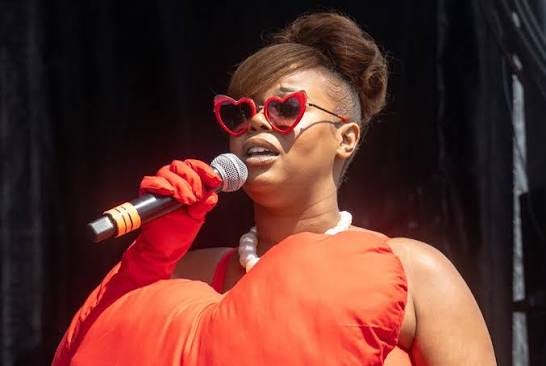
September 5, 2026: Philadelphia percussionist and drummer Karen Smith, known as “Magic Fingaz,” performs a Coltrane-inspired tribute concert at the Philadelphia Museum of Art. Smith has spent her career at the intersection of jazz, improvisation, and community music-making, and a Coltrane tribute anchored by her particular rhythmic sensibility is exactly the kind of event that the celebration needs alongside its larger concert productions. Music and visual art in the same building, honoring the same person. Good idea. Read The Improv Cafe’ Substack!
The Tiberi Tapes: What the Archive Is Giving Us This Year
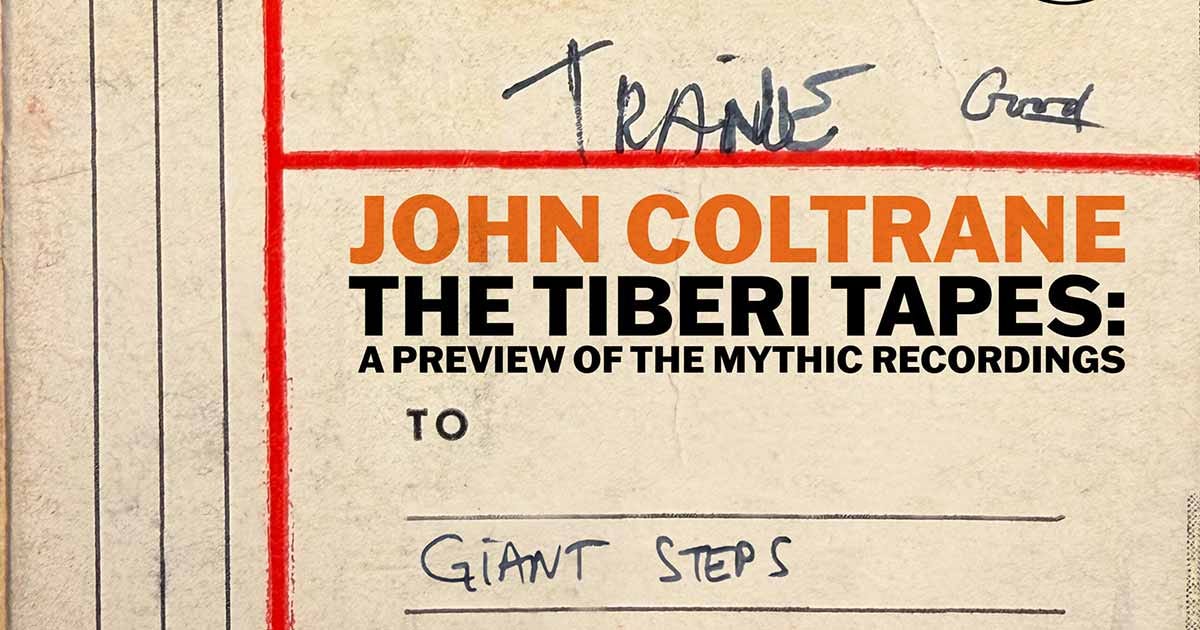
Woven through the entire Coltrane 100 celebration is the release of the Tiberi Tapes, one of the most significant archival discoveries in jazz history. These are private recordings made by musician Frank Tiberi between 1961 and 1965, capturing Coltrane in clubs in New York and Philadelphia during the period when his classic quartet, with pianist McCoy Tyner, bassist Jimmy Garrison, and drummer Elvin Jones, was doing some of the most transformative playing in jazz history. The tapes were made informally, on equipment that was not professional studio gear, and they carry the particular quality that informal documentation always does: the spontaneity of something captured because someone understood, in the moment, that what was happening was too important to let pass unrecorded. Read The Improv Cafe’ Substack!
Detroit Makes the Free Festival Even Bigger and More Focused
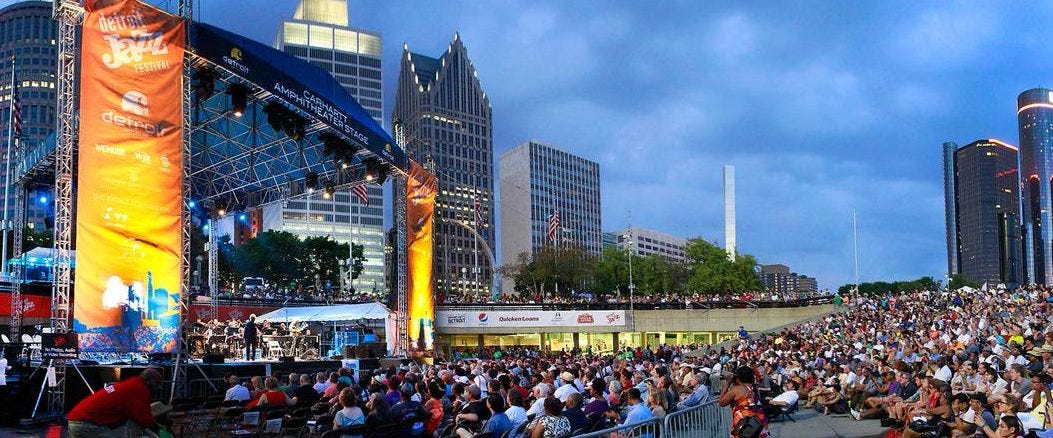
The Detroit Jazz Festival, the world’s largest free jazz festival, just announced its full lineup and a significant structural change for its 47th edition, running September 4 through 7, 2026, over Labor Day weekend at Hart Plaza in downtown Detroit. The lineup is outstanding. But the operational news is equally significant for anyone attending.
For the first time, all three of the festival’s main outdoor stages, the Carhartt Amphitheater Stage, the Pyramid Stage, and the Absopure Waterfront Stage, are being fully consolidated inside Hart Plaza. Previously, stages were spread across a wider footprint that required more walking and created logistical friction for audiences trying to catch multiple performances. The new layout places everything in one connected, walkable space, making it genuinely easier to move between sets, discover artists you hadn’t planned to see, and experience the festival as one continuous event rather than three separate areas with competing priorities. Artistic Director Chris Collins framed it directly: “At its core, jazz is about connection, and bringing the festival fully into Hart Plaza helps us deepen that connection.” Read The Improv Cafe’ Substack!
New Releases That Every Serious Jazz Listener Should Know
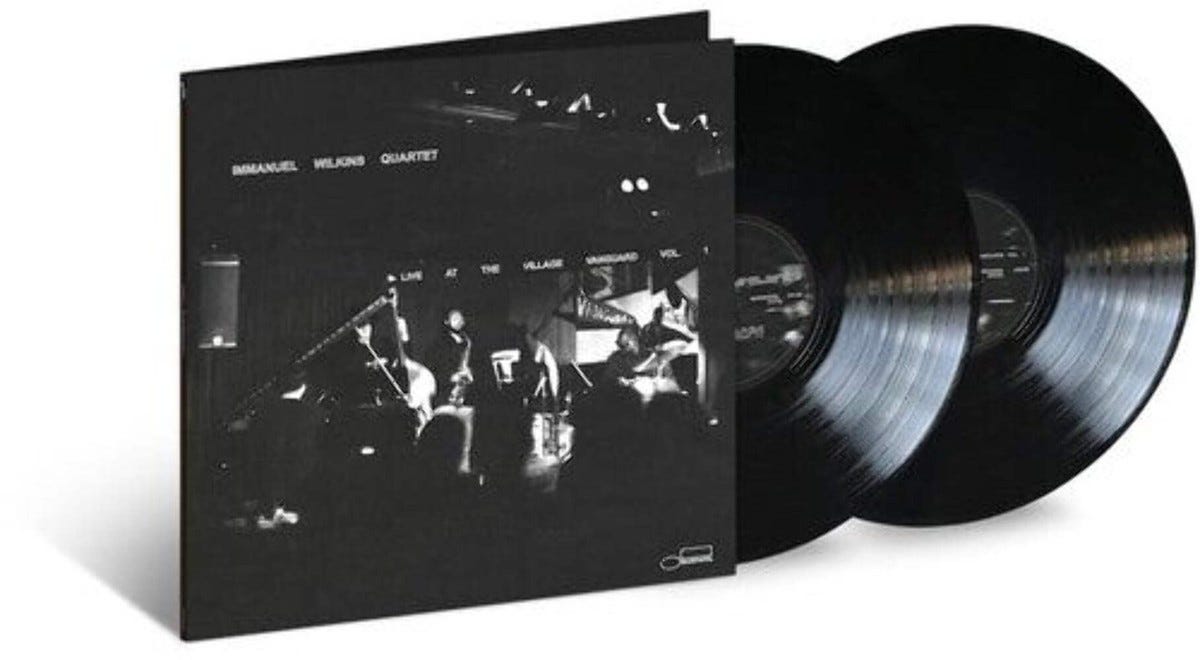
Immanuel Wilkins: Live at the Village Vanguard, Volumes 1, 2, and 3. This is the most important live jazz release of 2026 so far, and it isn’t particularly close. The Grammy-nominated alto saxophonist recorded his first-ever live album at the Village Vanguard in 2025 with his quartet: pianist Micah Thomas, bassist Ryoma Takenaga, and drummer Kweku Sumbry. Blue Note released Volume 1 on March 20, Volume 2 digitally on April 17, and Volume 3 on May 15, spreading the full document across three installments that together constitute what Jazzwise described as a significant entry in the tradition of seminal live recordings made within those same walls. Read The Improv Cafe’ Substack!
Gabrielle Cavassa, “Diavola,” Blue Note Records. Best known as a touring vocalist alongside Joshua Redman, Cavassa has now launched her solo recording career with a debut album on Blue Note, and the early response has been significant. Her voice carries the kind of specificity and emotional directness that separates jazz vocalists who are genuinely extending the tradition from those who are simply singing jazz songs well. “Diavola” is an album worth your time. Read The Improv Cafe’ Substack!
Montclair Says Something Important About What Free Jazz Can Be
The Montclair Jazz Festival staged its Soundcheck concert series this month with Joel Ross and Good Vibes headlining a free outdoor tribute dedicated to Chicago’s historic jazz legacy. Ross, the vibraphonist who has been quietly building one of the most compelling bodies of work in contemporary jazz for the past several years, is exactly the kind of artist that a well-run festival presents not because the name is a guaranteed ticket seller but because the music is serious and worth an audience’s attention. Free outdoor jazz in a New Jersey city that has committed to its summer music series is one of the most underappreciated live music experiences in the region, and Joel Ross headlining it is not a minor event. Read The Improv Cafe’ Substack!
Maui Comes Back — and Brings Something Larger Than a Concert
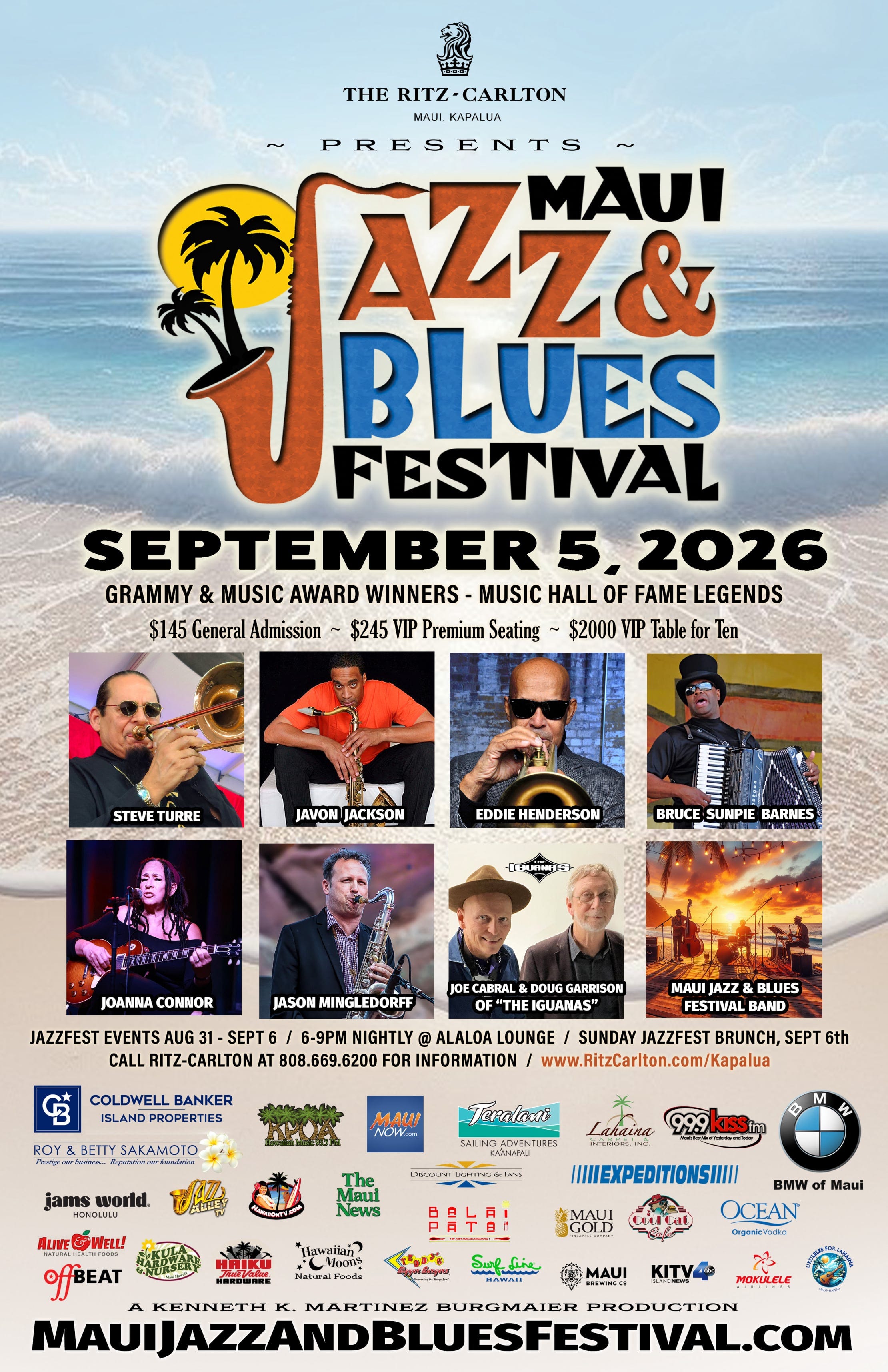
The Maui Jazz and Blues Festival is returning to the Ritz-Carlton in Kapalua after the Lahaina wildfires upended the community and the cultural calendar that had made Maui a genuine music destination. The festival’s decision to donate hundreds of free tickets to wildfire survivors is not a marketing decision. It’s a statement about what live music festivals are actually for: not just entertainment delivery systems, but community institutions that belong to the communities they come from. When a place has suffered the way Lahaina did, the return of something as seemingly simple as a jazz festival outdoors with the Pacific visible from the stage carries weight that is difficult to articulate and easy to feel. Maui is back. The music is back. That matters. Read The Improv Cafe’ Substack!
This Is What We Broadcast. This Is Why We Do It.
Coltrane bought that house on North 33rd Street in 1952 and spent years working in the Philadelphia jazz community while he transitioned from a reliable sideman into one of the most original musical voices the world had produced. That transition happened, at least partly, because Philadelphia gave him a community, a set of peers, and a creative environment that pushed him. The city shaped the sound. The sound changed everything. And now, in 2026, the city is finally giving that story the full public celebration it has always deserved.
At The Improv Café, we broadcast the music that Coltrane and his contemporaries made live. Every track on this station came from a stage, a club, a university concert hall, an outdoor festival. The Tiberi Tapes being released this fall are exactly the kind of document we celebrate. Live recordings made in real rooms by musicians playing without the safety of a controlled studio environment. The music as it actually was, not a reconstruction of what it might have sounded like. This fall, Philadelphia and Detroit and Montclair and Maui are all saying something true about live music: it’s not optional, it’s not a supplement to the recorded version, and it’s not nostalgia. It’s the form. It’s where everything that matters about jazz happens first. Tune in to The Improv Café and hear it broadcast, every night, exactly as it was played.
The Improv Café — Live Jazz. Live Big Band. Live Swing. All live. Every song. Every night. Read The Improv Cafe’ Substack!