Thanks-Cover-2

Rochester International Jazz Festival Sets Its 24th Edition for June 2027, and Early-Bird Club Passes Are Already Moving

The Improv Cafe’ · Live Jazz, Big Band & Swing News
Passes On Sale
Jazz Wire
★ Rochester International Jazz Festival · 24th Edition · June 18 to 26, 2027★ Early-bird Club Passes on sale now★ 3-Day Pass $214.33 · 5-Day Pass $298.71★ Early-bird pricing ends December 31★ Up to 160 sets · 10 Club Pass venues★ 211,000+ fans in 2026 ★ Rochester International Jazz Festival · 24th Edition · June 18 to 26, 2027★ Early-bird Club Passes on sale now★ 3-Day Pass $214.33 · 5-Day Pass $298.71★ Early-bird pricing ends December 31★ Up to 160 sets · 10 Club Pass venues★ 211,000+ fans in 2026
24

Feature · Festivals · Rochester, New York

Rochester International Jazz Festival Sets Its 24th Edition for June 2027, and Early-Bird Club Passes Are Already Moving

Nine days, ten walkable club venues, and as many as 160 sets on a single pass. Here is everything jazz fans need to know about one of the largest jazz festivals in North America, and why the smartest move is to buy before the year runs out.

Countdown to Jazz StreetJune 18, 2027
—Days
—Hours
—Minutes
—Seconds

Winter has not even settled over western New York, but one of the most anticipated summer traditions in American jazz is already open for business. The Rochester International Jazz Festival will return for its 24th edition from June 18 through June 26, 2027, once again transforming downtown Rochester into a nine-day, nonstop celebration of live music. On October 30, 2026, the festival opened sales for its early-bird Club Passes, the multi-day tickets that serve as the backbone of the entire experience, and the discounted pricing runs only through December 31. For seasoned festivalgoers, that date has become a familiar deadline, because the Club Pass is the key that unlocks the festival’s deepest and most rewarding layer of music.

The announcement comes on the heels of a record setting summer. The 23rd edition, held in June 2026, drew more than 211,000 attendees over its nine days, featuring headliners that ranged from soul royalty Gladys Knight and trumpet star Chris Botti to Trombone Shorty and Orleans Avenue, blues guitar great Robert Cray, and, in a lineup that thrilled big band devotees, the legendary Count Basie Orchestra. With momentum like that, the 2027 festival arrives with expectations running high, and the early pass sale is the first real signal that the countdown to Jazz Street has begun.

From 15,000 Fans to More Than 211,000

The Rochester International Jazz Festival was founded in 2002 by producers John Nugent and Marc Iacona, and its growth over the following two decades is one of the great success stories in American live music. In its first year the festival welcomed roughly 15,000 attendees. Today it draws more than fourteen times that number, ranking as the largest jazz festival in New York State and one of the largest anywhere in the United States. Organizers estimate that the festival has generated well over $220 million in regional economic impact across its history, filling hotels, restaurants, and shops throughout Rochester’s East End cultural district every June.

Numbers alone do not explain the festival’s appeal. What makes Rochester special is its format, which organizers describe as European in style. Rather than staging a handful of large concerts, the festival packs its downtown footprint with clubs, recital halls, theatres, and outdoor stages, all within easy walking distance of one another. Gibbs Street becomes Jazz Street, lined with crowds, food, and street performers, and audiences are free to drift from room to room over the course of an evening, catching three or four completely different shows in a single night. In a typical year, the festival presents well over 1,500 musicians from around the world across more than 280 performances, and a substantial share of the programming, often more than one hundred shows and events, is completely free and open to the public.

Rochester’s genius is its format: a walkable downtown packed with intimate rooms, where one evening can hold three or four entirely different musical worlds.

How the Club Pass Works

At the heart of that experience is the Club Pass Series, and understanding it is the single most important step in planning a festival trip. A Club Pass grants entry to the festival’s general admission club performances across ten official Club Pass venues, giving holders access to as many as 160 sets over the course of the festival. These are the intimate, hour long performances where many fans discover their next favorite artist, and they represent the festival’s widest window onto the international jazz scene, with musicians traveling to Rochester from across North America, Europe, Latin America, and Asia.

The pass is designed for flexibility. Buyers do not need to select their dates or performances in advance, which means a festivalgoer can decide each afternoon which rooms to visit based on the schedule, word of mouth, or simple curiosity. The festival offers two versions of the pass. The 3-Day Club Pass is valid for any three days of the festival, and the 5-Day Club Pass is valid for any five days, making it easy to build a long weekend or a nearly full week of music around personal schedules and travel plans.

Save $20.58
3-Day Club Pass
$214.33Early-bird price
Rises to $234.91 on January 1, 2027 · Valid any three festival days
Save $20.58
5-Day Club Pass
$298.71Early-bird price
Rises to $319.29 on January 1, 2027 · Valid any five festival days

Early-bird pricing is in effect from October 30 through December 31, 2026. During that window, the 3-Day Club Pass sells for $214.33 and the 5-Day Club Pass for $298.71. On January 1, 2027, those prices rise to $234.91 and $319.29 respectively. The math makes a strong case for acting early, particularly for the 5-Day option, which works out to roughly sixty dollars per day for access to a seemingly endless menu of performances. For frequent festivalgoers, an early-bird pass also makes an ideal holiday gift for the jazz lover in the family, arriving just in time for the season and unlocking a summer full of music.

Ten Rooms, One Walkable Downtown

The ten Club Pass venues span an impressive range of settings, from historic concert halls with near perfect acoustics to lively clubs and theatres where the energy builds late into the night. The crown jewels are the two performance spaces at the world renowned Eastman School of Music. Kilbourn Hall, an elegant and intimate room revered by musicians for its sound, is one of the most beloved venues in the entire festival, and Hatch Recital Hall offers a modern, acoustically refined setting that brings listeners close to the music.

The Club Pass Venues10 Rooms · Walkable
1
Kilbourn HallEastman School of Music
2
Hatch Recital HallEastman School of Music
3
Max of Eastman PlaceClub setting
4
The Theater at Innovation SquareTheatre
5
Montage Music HallClub setting
6
The DukeClub setting
7
Temple Building TheaterTheatre
8
Inn on BroadwayClub setting
9
The Little TheatreHistoric cinema & arts house
+
Full venue listSee the visitor guide

Beyond the Eastman halls, the Club Pass circuit includes Max of Eastman Place, the Theater at Innovation Square, Montage Music Hall, The Duke, the Temple Building Theater, the Inn on Broadway, and The Little Theatre, the much loved Rochester arts house that has anchored the city’s cultural life for generations. Each room has its own personality, and part of the fun of the festival is learning which spaces suit which kinds of music, whether that means a solo pianist in a hushed recital hall or a fiery Latin jazz ensemble in a packed club. The Inn on Broadway also plays host to the festival’s late night jam sessions on several evenings, while the long running jam sessions at the Hyatt Regency Rochester give musicians and fans a place to keep the music going well after the scheduled sets end.

No Pass? You Can Still Get In

For those who prefer to sample the festival without committing to a multi-day pass, Club Pass shows can also be attended on an individual basis. Admission at the door is cash only and costs $30 at most venues and $35 at Kilbourn Hall, with entry offered on a first come, first served basis. There is an important caveat. The most popular sets, which typically run about sixty minutes, frequently reach capacity, and pass holders enjoy a meaningful advantage when demand is high. Anyone with their heart set on a particular performance would be wise to arrive early or, better yet, secure a pass in advance.

The festival’s free programming remains another excellent entry point. Outdoor stages and street performances fill downtown throughout the nine days, and in recent years the free lineup has included major acts that would command significant ticket prices anywhere else. Combined with the Club Pass Series and the festival’s ticketed headliner concerts, which are announced separately, the result is a festival that offers something for every budget and every level of jazz enthusiasm.

Jazz in Rochester All Year Long

The festival has also found new ways to keep audiences engaged between Junes. This fall it launched the RIJF Innovation Jazz Series, a seven concert run presented one Thursday each month from October 2026 through May 2027 at the Theater at Innovation Square, a familiar festival venue on Chestnut Street. The series extends the festival’s intimate club experience into the fall, winter, and spring, and it gives Rochester audiences a reason to keep their jazz calendars full long before the 24th edition opens. The festival’s connection to the Eastman School also runs deeper than shared venues, as proceeds from the festival help fund a jazz scholarship program for Eastman students, an investment in the next generation of players who may one day headline the very stages they once watched from the audience.

Planning the Trip

The 2027 lineup has not yet been announced, and as in past years the festival is expected to reveal its headliners and Club Pass artists in the months ahead. That is precisely what makes the early-bird window so appealing. Fans who know the festival understand that the depth of the Club Pass Series almost guarantees a rewarding experience regardless of which names appear on the bill, and buying before December 31 locks in the lowest price of the cycle. Visitors traveling from out of town should also plan lodging early, since downtown hotels fill quickly during festival week. The Rochester Jazz visitor guide offers detailed information on venue accessibility, travel, and nearby accommodations, and full pass details are available on the festival’s Club Pass page.

For twenty four years, Rochester has made a compelling argument that the best way to experience jazz is up close, in real rooms, surrounded by people who love the music as much as you do. The festival has grown enormously since its first edition, but its essential promise has never changed: walk downtown on a June evening, follow the sound of a horn through an open door, and discover something unforgettable. With early-bird passes now on sale, the only real question is how many days of that you want to claim.
The Improv Cafe’ brings you live jazz, live big band, and live swing every week. Hear the magic of the great jazz rooms on Live at the Blue Note and Live at the Village Vanguard, swing into Friday nights with Swing with the Big Bands, and join our newsletter for the latest jazz, big band, and swing news.
Earshot

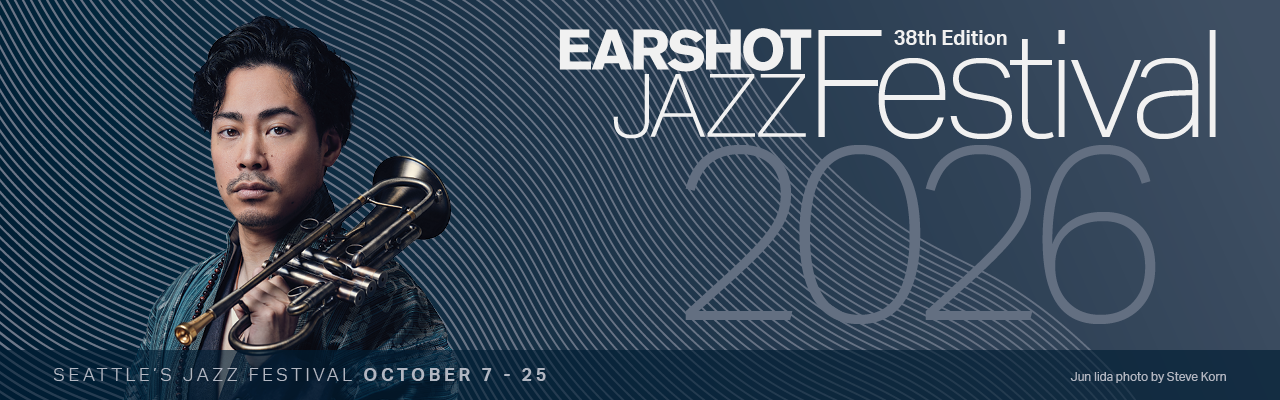
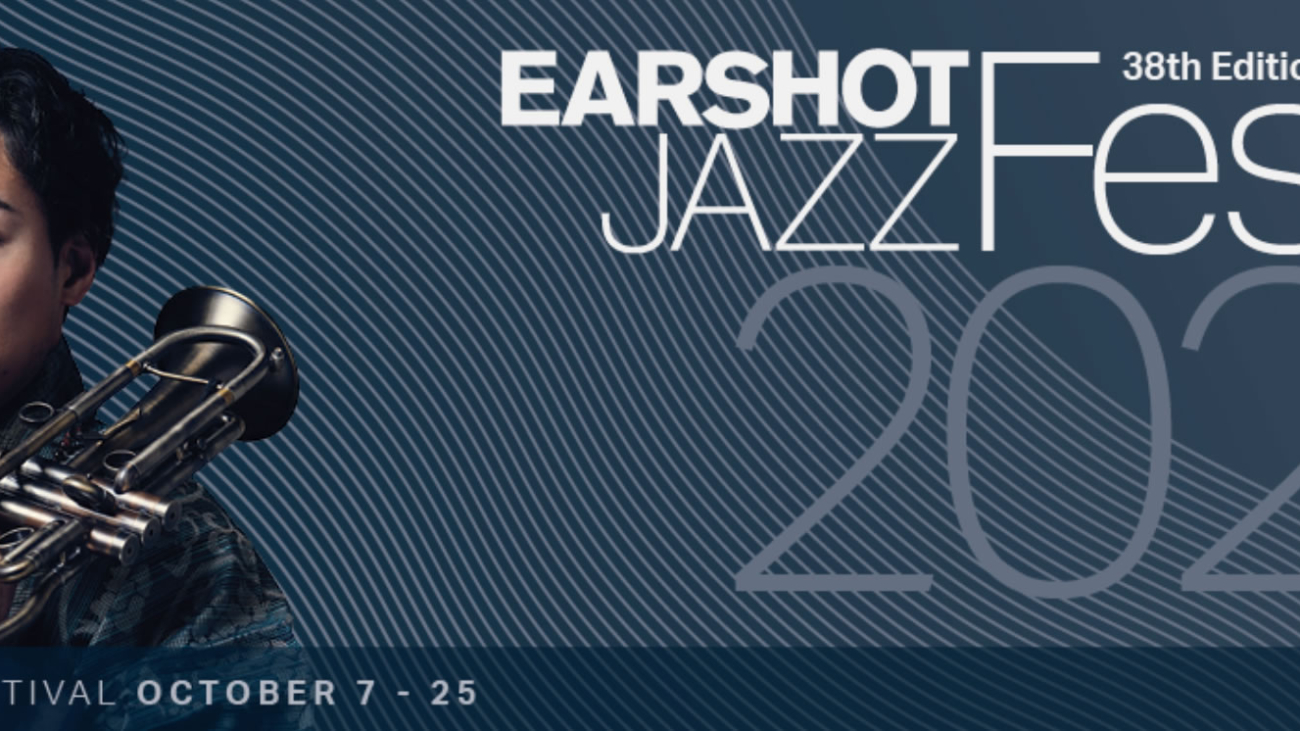
Seattle’s Earshot Jazz Festival Turns 38 With a Centennial Salute to Coltrane and Miles, and Zaccai Curtis Brings Cubop Back to Life

The Improv Cafe’ · Live Jazz, Big Band & Swing News
Festival Report
Jazz Wire
★ 38th Earshot Jazz Festival · Seattle · Oct 1 to Oct 25★ Coltrane & Miles at 100★ Zaccai Curtis · Cubop Lives! · Langston Hughes PAI★ Julian Lage Quartet · Moore Theatre★ Dianne Reeves★ Gary Bartz NTU Troop★ Myra Melford’s Splash★ Sasha Berliner · Warren Wolf · Christian Sands ★ 38th Earshot Jazz Festival · Seattle · Oct 1 to Oct 25★ Coltrane & Miles at 100★ Zaccai Curtis · Cubop Lives! · Langston Hughes PAI★ Julian Lage Quartet · Moore Theatre★ Dianne Reeves★ Gary Bartz NTU Troop★ Myra Melford’s Splash★ Sasha Berliner · Warren Wolf · Christian Sands
100

Feature · Festivals · Seattle

Seattle’s Earshot Jazz Festival Turns 38 With a Centennial Salute to Coltrane and Miles, and Zaccai Curtis Brings Cubop Back to Life

For more than three weeks, the Pacific Northwest’s premier jazz gathering filled over a dozen venues with Grammy winners, living legends, and the brightest new voices in the music, while honoring two giants born a century ago.

38thAnnual Edition
100Years of Coltrane & Miles
30+Shows
12+Seattle Venues

Every autumn, as the rain returns to Puget Sound and the evenings grow long, Seattle turns its attention to jazz. This year the ritual carried extra weight. The 38th annual Earshot Jazz Festival ran from October 1 through October 25, 2026, spreading more than thirty shows across more than a dozen venues around the city, from grand downtown theatres to intimate community stages. Its organizing theme was as ambitious as any in the festival’s long history, a celebration of the centennials of John Coltrane and Miles Davis, two musicians born in 1926 whose work did not simply change jazz but redrew its borders several times over. Around that centerpiece, the programmers assembled a lineup that stretched from devoted modern traditionalists to fearless avant garde explorers, a range that reflected both the restless spirit of the two honorees and the eclectic ear that has long defined Seattle’s jazz community.

Among the many highlights, one evening stood out as a vivid example of what Earshot does best. On October 15, Grammy winning pianist and composer Zaccai Curtis brought his acclaimed project Cubop Lives! to the Langston Hughes Performing Arts Institute, reviving a joyous, rhythmically electric chapter of jazz history that too few listeners know by name. It was a reminder that the story of this music has always been one of collaboration, migration, and cultural exchange, and that some of its most thrilling sounds were born when musicians from different traditions found common ground on the bandstand.

A Festival Built by and for Seattle

To understand why Earshot matters, it helps to understand where it came from. The festival is presented by Earshot Jazz, the Seattle nonprofit that has championed the region’s jazz scene since the mid 1980s. What began as an effort by local advocates to document the city’s working musicians grew into a live concert series, and by 1989 that series had become a full festival. The earliest editions leaned heavily on homegrown talent, and that commitment to local artists has never wavered, even as the festival grew into an event that national touring stars now treat as an essential stop on their autumn calendars. The organization frames its mission around honoring jazz as a vital Black American art form, and that perspective shapes not only who takes the stage but how the music’s history is told.

Unlike festivals that compress everything into a single packed weekend in a field or a park, Earshot unfolds over weeks, and it does so inside the city itself. Audiences move from neighborhood to neighborhood, from historic theatres to arts institutes to clubs, and the festival becomes part of the rhythm of daily life in Seattle. That format allows for something rare: the chance to hear a towering headliner one night and a promising young bandleader the next, and to follow the threads that connect them. It also extends beyond city limits, with a long running partnership with the Bainbridge Island Museum of Art bringing concerts and programming across the water as part of the larger festival season.

Coltrane and Miles at One Hundred

Few anniversaries in jazz carry the symbolic weight of this one. John Coltrane and Miles Davis were born just months apart in 1926, and for a brief, legendary stretch in the late 1950s they stood side by side in the same band, helping to create recordings that remain foundational to anyone who loves this music. Their paths then diverged in thrilling ways. Davis pursued constant reinvention, moving through cool jazz, modal exploration, and the electric fusion experiments that reshaped popular music, always surrounding himself with young players who would go on to become stars in their own right. Coltrane pushed in a different direction, toward ever deeper spiritual and harmonic exploration, transforming the saxophone into a vehicle for something close to prayer.

Throughout 2026, concert halls and festivals around the world have marked the centennial, and Earshot’s approach was distinctly its own. Rather than staging a series of museum style recreations, the festival wove the influence of both men throughout its programming, inviting artists to engage with the legacy rather than simply reproduce it. That philosophy suited the honorees perfectly. Neither Coltrane nor Miles ever looked backward for long, and a festival that honors them by spotlighting living innovators is arguably the truest tribute possible.

Neither Coltrane nor Miles ever looked backward for long, and a festival that honors them by spotlighting living innovators is arguably the truest tribute possible.

Zaccai Curtis and the Living Spirit of Cubop

If any performance captured the festival’s blend of history and vitality, it was Zaccai Curtis and Cubop Lives! at the Langston Hughes Performing Arts Institute, the historic cultural anchor in Seattle’s Central District. Curtis, a native of the Hartford, Connecticut area who has long been based in New York, won the 2025 Grammy Award for Best Latin Jazz Album for the project, a recognition that brought fresh attention to a style that had largely slipped out of the mainstream conversation.

Cubop was born in New York City in the 1940s, at a moment when Cuban and Puerto Rican musicians who had settled in the city began working side by side with Black American jazz players. The result fused the sophisticated harmonies and breakneck improvisation of bebop with the layered, syncopated rhythms of Afro-Cuban music. The term itself is a contraction of Cuban and bebop, and it was used to describe the groundbreaking sound of Machito and his Afro-Cubans, among the first ensembles to marry jazz with Afro-Cuban rhythms in a sustained way. Dizzy Gillespie embraced the fusion, Charlie Parker recorded in that setting, and figures like Tito Puente carried its energy into the dance halls. For a time it was the sound of the future. Then, as styles evolved, Cubop was absorbed into the broader currents of Latin jazz and mambo, and its specific identity faded.

Curtis set out to change that. His goal with Cubop Lives! was to make a period piece that still sounded utterly contemporary, offering a new perspective on an older style he felt had not been explored as fully as it deserved. The album draws on a remarkable range of composers, including Thelonious Monk, Dizzy Gillespie, Charlie Parker, Kenny Dorham, Kenny Drew, Ray Bryant, Hilton Ruiz, Noro Morales, and even Scott Joplin, alongside a pair of Curtis originals. Each arrangement reimagines its source material from the ground up. Even the title carries a sly bit of history, echoing the famous rallying cry that followed Charlie Parker’s death, a phrase that also inspired a celebrated composition by Jackie McLean, the saxophonist whose name is attached to the jazz program where Curtis teaches at the University of Hartford.

The band that brings this music to life is built for propulsion. Curtis anchors the ensemble at the piano alongside his brother, bassist Luques Curtis, a longtime musical partner since their days coming up together in Hartford, with a battery of three percussionists and a flutist adding color and fire. The effect is music that rewards close listening and practically demands that audiences get up and move. Curtis has spoken about how the rhythmic depth of Cubop energizes people and gets them dancing, which is exactly as it should be, since this music was born in the ballrooms of New York.

Curtis arrives at this moment with a deep résumé. He was named a Rising Star in the DownBeat Critics Poll in 2020, he leads his own groups including the Zaccai Curtis Quintet and Sonido Solar, and he is in demand as a composer and arranger for other artists. His sideman credits include work with Chief Xian aTunde Adjuah, Donald Harrison, and Santana, an unusually broad span that helps explain the versatility he brings to every setting. He is also a dedicated educator, and his newest album, Sonoluminescence, released in 2026, shows that his creative restlessness extends well beyond a single project.

Cubop was the sound of the future in 1940s New York. Zaccai Curtis has proven that it still is.

The Headliners: Julian Lage and Dianne Reeves

The same night that Curtis took the stage at Langston Hughes, guitarist Julian Lage led his quartet at the Moore Theatre downtown, giving Seattle audiences one of the more difficult choices of the festival. Lage, a former child prodigy who has matured into one of the most admired guitarists in contemporary music, brought a band of formidable improvisers: keyboardist John Medeski, bassist Jorge Roeder, and drummer Kenny Wollesen. Lage’s playing draws on jazz, folk, and Americana with equal fluency, and his long anticipated return to Seattle with this particular lineup ranked among the most talked about bookings of the autumn.

Vocalist Dianne Reeves, one of the most decorated jazz singers of her generation, brought her extraordinary range and warmth to the festival as well. Reeves has long been celebrated for a voice that moves effortlessly between jazz standards, Brazilian song, R&B, and soaring original material, and for an improvisational command that places her firmly in the lineage of the great jazz vocalists. In a year devoted to two instrumental titans, her presence was a powerful reminder of the central role singers have always played in carrying this music forward.

Masters, Ensembles, and a Mingus Celebration

Saxophonist Gary Bartz, a two-time Grammy winner whose career connects directly to the era the festival celebrated, appeared with his NTU Troop. Bartz played in Miles Davis’s band during the trumpeter’s electric period at the dawn of the 1970s, and his own music draws deeply on the traditions of Davis, McCoy Tyner, and Charles Mingus. Having a musician who actually stood on the bandstand with Miles take part in a centennial celebration gave the festival a living link to history that no tribute act could replicate.

The programming also made room for adventurous collaborations. Pianist Myra Melford, a fixture of the creative music world, introduced Splash, a new trio that continued her decades long exploration of the space where composition and free improvisation meet. And in a nod to another giant of the music, a dedicated Charles Mingus tribute brought Seattle’s own saxophone firebrand Skerik together with members of the Seattle Jazz Orchestra, celebrating the composer whose fierce, joyful, and politically charged music remains as urgent as ever.

The Next Generation Takes the Stage

A festival is only as strong as its commitment to the future, and Earshot’s 2026 lineup made a convincing case for the health of the music. Vibraphonist Sasha Berliner, one of the most exciting young voices on her instrument, brought her blend of modern jazz, electronic textures, and fluid improvisation, while fellow vibraphonist Warren Wolf offered a complementary perspective rooted in hard driving straight ahead tradition. Pianist Christian Sands, a protégé of the late Billy Taylor and a former longtime member of Christian McBride’s ensembles, showcased the dazzling technique and deep sense of swing that have made him one of the leading pianists of his generation. Contemporary jazz artist Sidney Hauser rounded out a slate of emerging talent that suggested the music’s next chapters are in very capable hands.

Woven throughout were the regional artists who give Earshot its character, from rising local bandleaders to the veteran musicians who have sustained the Seattle scene for decades. The festival’s enduring balance of national headliners and homegrown talent is precisely what distinguishes it from events that rely solely on touring stars, and it is why musicians and fans alike speak of Earshot with genuine affection.

Festival SpotlightEarshot 2026
Oct1 to 25
38th Annual Earshot Jazz FestivalMore than a dozen venues across Seattle
Festival
ThuOct 15
Zaccai Curtis: Cubop Lives!Langston Hughes Performing Arts Institute · Central District
Grammy Winner
ThuOct 15
Julian Lage Quartet with John Medeski, Jorge Roeder & Kenny WollesenMoore Theatre · Downtown Seattle
Headliner
Fest2026
Gary Bartz NTU Troop · Dianne ReevesLiving legends of the music
Masters
Fest2026
Myra Melford’s Splash · Mingus Tribute with SkerikCollaborations and special ensembles
Special
Fest2026
Sasha Berliner · Warren Wolf · Christian Sands · Sidney HauserThe new generation
Rising Stars

Why Earshot Matters

In an era when so much music is consumed alone through earbuds, a festival like Earshot makes the case for jazz as a shared, communal experience. The music was born in dance halls, clubs, and neighborhood gathering places, and it has always thrived on the energy that passes between musicians and listeners in real time. By spreading its concerts across the city and devoting weeks rather than days to the music, Earshot invites Seattle to live with jazz, to wander into an unfamiliar venue, to take a chance on an artist they have never heard, and to discover the connections that run from 1940s New York to the present day.

This year’s edition did all of that while paying tribute to two men whose births a century ago forever changed the course of American music. The fitting irony is that both Coltrane and Miles would likely have been most interested not in the tributes but in the young players, the bold collaborations, and the rediscovered traditions like Cubop that made the 2026 festival so vital. Their legacy is not a set of recordings frozen in time. It is a challenge to keep searching, to keep listening, and to keep the music moving. By that measure, the 38th Earshot Jazz Festival honored them beautifully.

For those already counting the days until next autumn, the organization presents concerts and programming throughout the year, and the latest schedules are available through the Earshot Jazz website. And for fans who want to explore more of Zaccai Curtis’s work, his official website is the place to follow his performances and recordings.

The Improv Cafe’ brings you live jazz, live big band, and live swing every week. Hear the magic of the great jazz rooms on Live at the Blue Note and Live at the Village Vanguard, swing into Friday nights with Swing with the Big Bands, and join our newsletter for the latest jazz, big band, and swing news.
maxresdefault (6)

The Story of Swing: Fly Me to the Moon Takes a Century of Big Band Glory on Tour, and Tonight the Swing Comes to You

The Improv Cafe’ · Live Jazz · Live Big Band · Live Swing
On Air Tonight 9 PM
Swing Wire
★ Tonight · Swing with the Big Bands · 9 PM to 2 AM★ The Story of Swing: Fly Me to the Moon on tour now★ Nov 15 · Clacton-on-Sea · West Cliff Theatre★ Nov 26 · Aberdeen · Music Hall★ Nov 27 · Langholm · The Buccleuch Centre★ Jan 29, 2027 · Lytham · Lowther Pavilion★ Feb 27, 2027 · Eastbourne · Royal Hippodrome ★ Tonight · Swing with the Big Bands · 9 PM to 2 AM★ The Story of Swing: Fly Me to the Moon on tour now★ Nov 15 · Clacton-on-Sea · West Cliff Theatre★ Nov 26 · Aberdeen · Music Hall★ Nov 27 · Langholm · The Buccleuch Centre★ Jan 29, 2027 · Lytham · Lowther Pavilion★ Feb 27, 2027 · Eastbourne · Royal Hippodrome

Big Band & Swing News · Feature

The Story of Swing: Fly Me to the Moon Takes a Century of Big Band Glory on Tour, and Tonight the Swing Comes to You

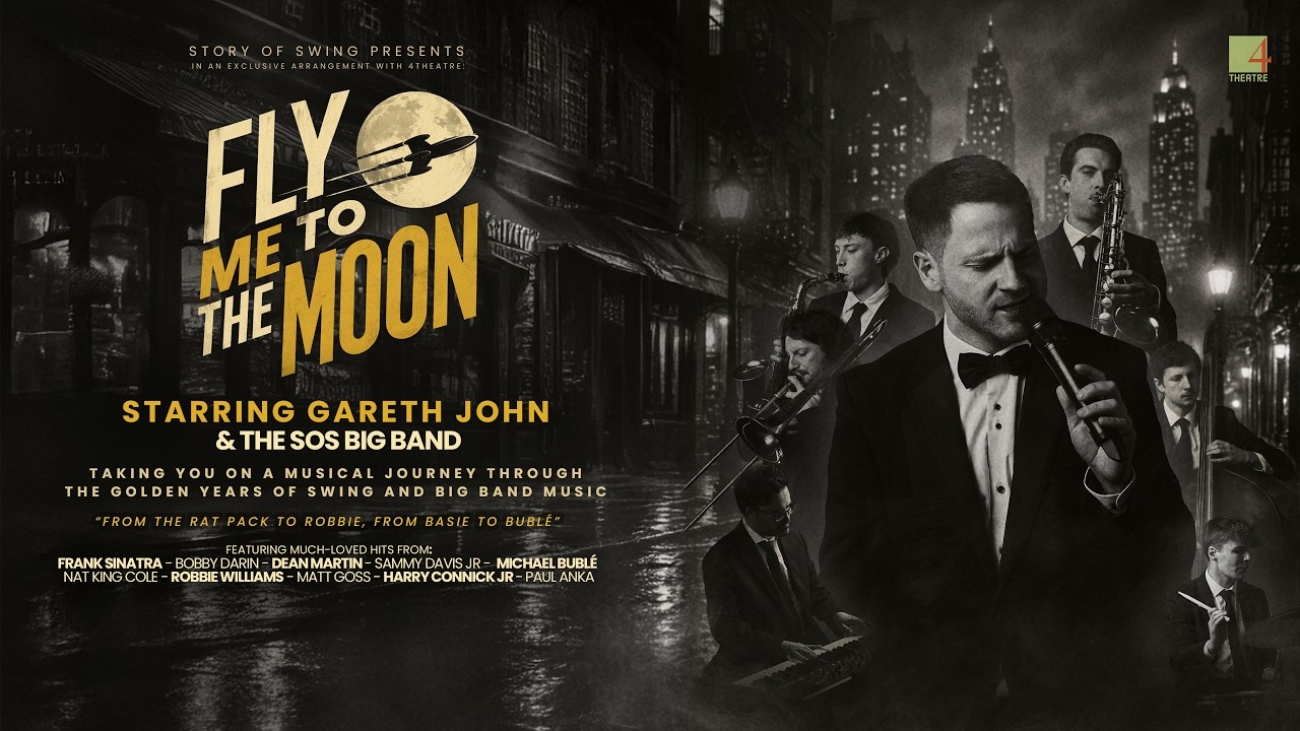
Gareth John and the SOS Big Band trace one hundred years of swing, from Basie and Ellington to Sinatra and Bublé, while The Improv Cafe’ fires up a five hour edition of Swing with the Big Bands to kick off the Halloween weekend.

ON AIR

Tonight on The Improv Cafe’

Swing with the Big Bands: legendary live performances from the greatest big bands in history

Friday9 PM to 2 AMEastern

Few forms of music have proven as durable, as joyous, or as stubbornly impossible to retire as swing. It filled the dance halls of the Depression, carried a generation through the Second World War, reinvented itself in the smoky lounges of Las Vegas, and then, just when critics had written its obituary, came roaring back on the voices of a new wave of crooners who sold records by the millions. That entire arc now unfolds in a single evening in The Story of Swing: Fly Me to the Moon, the touring big band production created and led by award winning vocalist and trumpet player Gareth John alongside the full force of the SOS Big Band. And for listeners who want that same thrill tonight, without a plane ticket or a theatre seat, The Improv Cafe’ has the answer. Our Friday night showcase, Swing with the Big Bands, goes on the air at 9 PM and swings straight through until 2 AM.

The two make a natural pairing. One is a stage production that tells the story of swing in chronological order, era by era, with a full horn section bringing every decade back to life. The other is five uninterrupted hours of legendary live big band performances, the kind of recordings that capture what these orchestras sounded like when the lights were low, the dance floor was packed, and the band was playing for the room rather than the microphone. Taken together, they offer a reminder of why this music has never really left us, and why audiences of every age keep finding their way back to it.

Tonight on The Improv Cafe’: Swing with the Big Bands

Friday nights at The Improv Cafe’ belong to the big bands. Swing with the Big Bands is built around a simple idea, that the greatest orchestras in history were at their very best in front of a live audience, and that those performances deserve to be heard the way they were meant to be heard. Every week the program digs into legendary live recordings from the top big band artists of every era, from the ballroom titans who invented the sound to the modern ensembles who keep it burning bright. The invitation is just as simple. Turn it up, roll back the rug, and dance, bop, and swing right along with the band.

Tonight’s edition arrives on the eve of Halloween, which makes it the perfect soundtrack for a costume party, a late night drive, or simply a quiet evening at home with the lights down and the volume up. It is also an ideal companion to the story told in this feature, since the very names that anchor Gareth John’s stage production, Count Basie, Duke Ellington, Glenn Miller, and the great crooners who followed them, are the same names that built the big band tradition our program celebrates every Friday. Swing with the Big Bands airs as part of The Improv Cafe’ lineup on the Sunset Radio Network, alongside our other signature programs, including Singing with Swing, Live at the Blue Note, and Live at the Village Vanguard.

Five hours of legendary live big band performances, from the ballroom titans who invented the sound to the modern bands who keep it burning. Turn it up and swing.

A Live Musical Documentary Told in Brass

What separates The Story of Swing from a conventional tribute concert is its structure. Rather than stringing together a set list of favorites, Gareth John has shaped the evening as a living timeline, a musical documentary that moves chronologically through roughly a century of swing. The audience begins in the 1920s and 1930s, when the genre was taking shape in dance halls and ballrooms, and travels forward decade by decade until the final numbers land squarely in the twenty first century. Each era is presented not as a museum piece but as a vital, breathing sound, delivered with the weight and punch that only a full brass and rhythm section can provide.

That commitment to authenticity is central to the show’s appeal, and it is the same principle that drives our own programming. Swing was never meant to be heard through thin backing tracks or reduced combos. Its power came from the interplay of trumpets, trombones, and saxophones stacked against a driving rhythm section, from the call and response between sections, and from the moment a soloist stood up and the whole room leaned in. The SOS Big Band is built to recreate exactly that experience, with full arrangements that honor the scale and ambition of the original charts. The result is an evening that feels less like a nostalgia act and more like a time machine with a horn section.

The production runs a little over two hours with an interval, giving the band the room it needs to give each chapter of the story its due. Audiences in several cities have also been treated to special guests, including the close harmony vocal trio The Vixens, whose polished three part blend nods to the sister acts that once shared bandstands with the great orchestras of the swing era.

The Golden Era: Basie, Ellington, and Miller

The opening movement of the evening is devoted to the foundations, the instrumental works and orchestrations that defined the golden age of the big band. Here the spotlight falls on three towering bandleaders whose names remain synonymous with the genre. Duke Ellington brought sophistication and a composer’s imagination to the dance band, writing for the specific voices of his musicians and elevating popular music into something that could stand alongside any concert work. Glenn Miller gave the swing era its most recognizable sound, a smooth, reed heavy blend that became the soundtrack of a nation at war and remains instantly identifiable nearly a century later.

And then there is Count Basie, whose band practically defined what it meant to swing. Basie’s orchestra was famous for its relaxed, propulsive groove, for the economy of its leader’s piano, and for riffs that could drive a dance floor into a frenzy without ever seeming to break a sweat. Born in Red Bank, New Jersey, in 1904, Basie rose from a small town piano player to the leader of one of the most celebrated orchestras in the history of American music. His band’s live performances remain some of the most electrifying recordings the genre ever produced, and they are exactly the kind of music that makes a Friday night on Swing with the Big Bands come alive.

The Crooners Who Defined Cool

From the ballroom, the story moves to the lounge. The second chapter of the production turns to the mid century vocal giants who took the big band sound and made it the backdrop for some of the most charismatic performances in popular music. This is the era of the Rat Pack, of tuxedos loosened at the collar, of songs delivered with a wink and a perfectly timed pause. The show’s detailed vocal arrangements honor the defining recordings of Frank Sinatra, Dean Martin, Sammy Davis Jr., and Bobby Darin, four artists who between them set a standard for swagger and musicianship that every crooner since has been measured against.

Dean Martin brought an effortless, almost lazy charm that made difficult singing sound easy. Sammy Davis Jr. was perhaps the most complete entertainer of his generation, a singer, dancer, actor, and musician whose energy on stage was nothing short of electric. Bobby Darin, ambitious and restless, proved that a rock and roll era star could step in front of a big band and command it with complete authority. And at the center of it all stood Sinatra, the Hoboken born singer whose phrasing, timing, and emotional honesty transformed popular song into an art form. Fans who love this chapter of the story will find a natural home in our sister program, Singing with Swing, which shines the spotlight on the great vocalists of the big band tradition.

The Song That Gives the Show Its Name

The title of this edition of the production is no accident. “Fly Me to the Moon” became one of Sinatra’s signature recordings, and its most celebrated version is a perfect summary of everything that makes swing irresistible. In 1964, Sinatra recorded the song with Count Basie and his orchestra, with a sparkling arrangement by a young Quincy Jones, and the result became one of the definitive swing recordings of the twentieth century. It brought together the era’s greatest singer and one of its greatest bands, and it captured the moment when the crooner tradition and the big band tradition met at their absolute peak.

Within a few years, the song had become forever linked with the Apollo missions and America’s journey to the actual moon, giving it a place in the popular imagination that few songs ever achieve. When Gareth John chose “Fly Me to the Moon” as the banner for this production, he selected a piece of music that sits at the crossroads of every chapter his show explores: the swing of the ballroom, the cool of the crooner, and the enduring appeal that continues to draw modern artists back to the same timeless songbook.

“Fly Me to the Moon” marks the moment the great crooner and the great big band met at their absolute peak, and it still sounds like the future.

The Modern Torchbearers

The final chapter of the evening answers a question that once seemed unthinkable: what happened to swing after its golden age faded? The answer, as the production makes clear, is that it never truly went away. A new generation of artists kept the big band format alive, introduced it to audiences who had never set foot in a ballroom, and in several cases sold millions of records doing it. The latter portion of the show celebrates these modern torchbearers, including Michael Bublé, Harry Connick Jr., and Robbie Williams, along with Matt Goss and Paul Anka.

Harry Connick Jr. helped spark the revival in the late 1980s, when his work on the soundtrack of When Harry Met Sally reminded a generation of listeners how intoxicating a swinging arrangement could be. Robbie Williams, already one of Britain’s biggest pop stars, stunned fans when he turned to swing standards at the height of his fame and found a vast new audience in the process. Paul Anka, a teen idol turned elder statesman, famously reimagined contemporary rock songs as big band swing numbers. Matt Goss, who first found fame as a pop star, reinvented himself as a crooner and built a long running residency in Las Vegas, the spiritual home of the lounge singer. And Michael Bublé became the defining crooner of the modern era, filling arenas around the world with a sound that would have felt perfectly at home on a 1950s bandstand. By ending the evening with these artists, the production makes a compelling argument that swing is not a relic but a living tradition, one that continues to evolve and win new devotees.

The Man at the Microphone

At the center of the production is Gareth John himself, a performer whose dual gifts as a vocalist and a trumpet player make him unusually well suited to tell this particular story. Swing has always belonged to the horn players as much as to the singers, and an artist who can step away from the microphone and deliver a trumpet solo with genuine authority brings a credibility that few frontmen can match. John’s career has included sharing stages with a long list of household names, among them The Beautiful South and The Specials, experience that has sharpened both his musicianship and his instincts as an entertainer.

Those who have seen the show consistently point to his showmanship and his easy rapport with an audience as the qualities that lift the evening above the ordinary. He performs with visible passion for the genre, and that enthusiasm is contagious. Venue staff along the tour route have described it as a production that audiences talk about long after the final bow, and several theatres have welcomed it back for return engagements, a strong signal in a touring circuit where only the most reliable crowd pleasers earn repeat bookings.

Where the Tour Goes Next

The current autumn and winter run continues across the United Kingdom through the end of 2026 and into early 2027, with stops ranging from the Essex coast to the Scottish Borders. Tickets at most venues fall in the range of roughly thirty pounds, making it one of the more accessible big band evenings on the touring circuit. Upcoming engagements announced at the time of publication include the following dates.

Upcoming EngagementsAutumn & Winter Run
SunNov 15
West Cliff TheatreClacton-on-Sea, Essex · 7:30 pm
On Sale
ThuNov 26
Music HallAberdeen, Scotland
On Sale
FriNov 27
The Buccleuch CentreLangholm, Dumfries & Galloway · 7:30 pm
On Sale
FriJan 29
Lowther PavilionLytham St Annes, Lancashire · 2027 · 7:30 pm
2027
SatFeb 27
Royal HippodromeEastbourne, East Sussex · 2027 · 7:30 pm
2027

Touring schedules are subject to change, and additional dates are added regularly as theatres confirm their seasons. The most current schedule, ticketing links, and production news are available on the official Story of Swing website, which serves as the hub for everything related to the production.

Why Swing Still Matters

There is a reason swing refuses to fade. It is music built on joy, on the pleasure of a group of musicians locking into a groove together and inviting everyone in the room to move. It rewards both casual listeners, who simply want to tap their feet to songs they love, and serious music fans, who can marvel at the craftsmanship of the arrangements and the precision of a well drilled horn section. A production like The Story of Swing succeeds because it honors both audiences at once, offering an evening of irresistible entertainment that also happens to be a genuine education in one of the great art forms of the last hundred years.

That same spirit is what The Improv Cafe’ is all about. Live jazz, live big band, and live swing are not just genres to us, they are a living conversation between musicians and the people who love to hear them play. Whether you catch Gareth John and the SOS Big Band on a winter trip abroad, follow the tour from afar, or simply settle in tonight for five hours of the greatest big bands ever captured on tape, the message is the same. A century after swing first set the world dancing, the music still knows exactly how to make a room come alive. Tonight, that room is yours.

The Improv Cafe’ brings you live jazz, live big band, and live swing every week. Tune in to Swing with the Big Bands tonight from 9 PM to 2 AM, catch the latest from our jazz, big band and swing news desk, and join our newsletter so you never miss a broadcast.
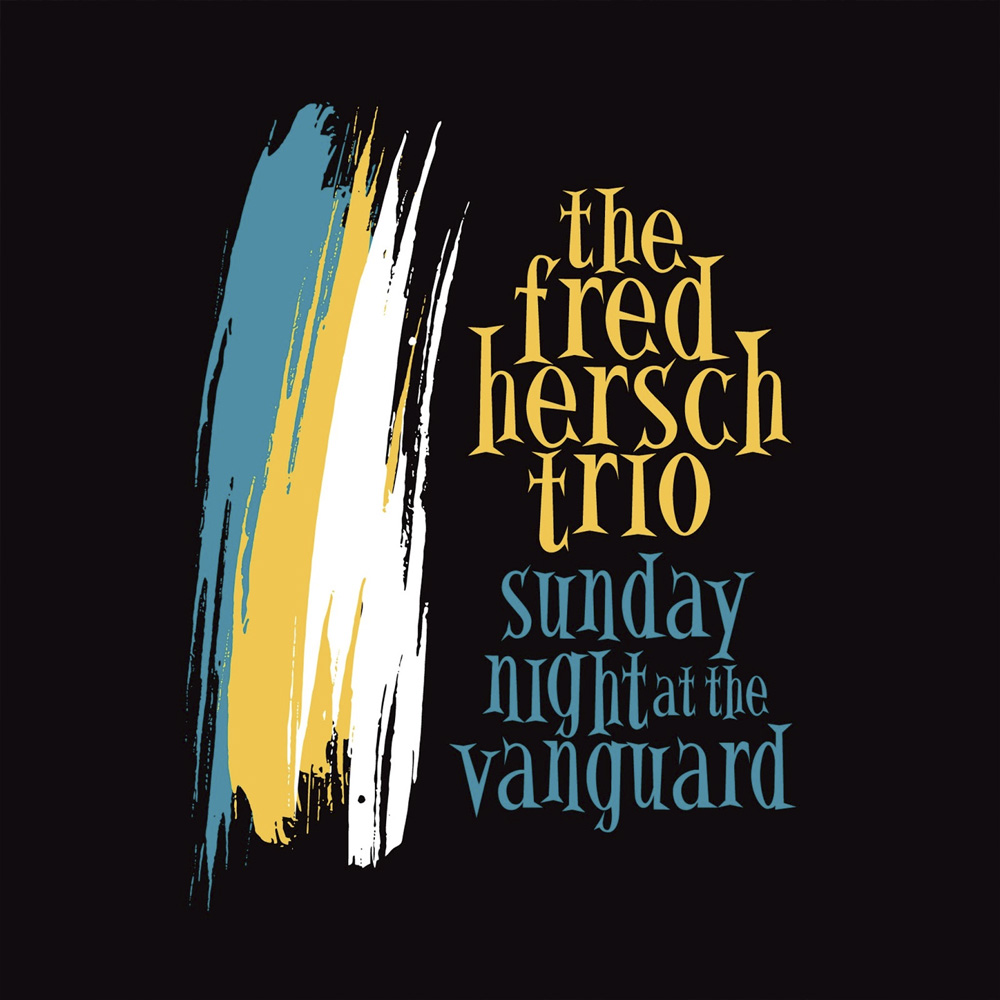
sunday-night-at-the-vanguard

The Village Vanguard Fall Schedule:Fred Hersch This Week, Aaron Parks Next, and a November Packed with Legends

Village Vanguard Fall 2026 | The Improv Café
images (8)

Pete Cater’s Big Band Is Playing PizzaExpress Live on November 1 — His Final London Show for the Foreseeable Future

Pete Cater Big Band 50th Anniversary | The Improv Café
b28546b248d109f25d8d8982a28446da2ce9d0b2-2400x1350

Cricket Meets Live Jazz in Japan: The 9th Annual Embassy Cup Brings Taro Koyama to the Outfield

Embassy Cup Jazz & Cricket — Sano, Japan 2026 | The Improv Café
856074682_1105581439119102_2933659893826892542_n

The Newport Jazz Festival Benefit Auction Is Live — and Every Bid Supports Music Education and Artist Relief

Newport Jazz Festival Benefit Auction 2026 | The Improv Café
sfx360197

Dee Dee Bridgewater Is Touring Australia — Sydney Is Done, Perth Is Next, and Melbourne Has Been Canceled

Dee Dee Bridgewater Australia Tour 2026 | The Improv Café
728528157_1541992674384223_5676638717922813816_n

The Inaugural Durham Jazz Festival Opens Tomorrow Night — and Ronnie Scott’s All Stars Are Already Sold Out

Durham Jazz Festival 2026 | The Improv Café
2026Festival_Announcement_1280x400

Earshot Jazz Festival Is in Its Final Days — and the Coltrane and Miles Tributes Are at Their Peak

Earshot Jazz Festival 2026 | The Improv Café