The story of swing music has always been about movement. It is music that moved audiences onto dance floors, moved orchestras across the country, moved generations of musicians toward greater artistic achievement, and ultimately helped shape the cultural identity of America itself. Nearly a century after the height of the Swing Era, that spirit of movement remains alive, not only through live performances and archival releases, but through ambitious new efforts to preserve, celebrate, and reimagine the legacy of jazz and big band music for future generations.
For listeners of The Improv Cafe’, where live Jazz, live Big Band, and live Swing recordings remain the foundation of every broadcast, the current wave of developments surrounding swing culture offers an exciting glimpse into both the past and the future. Across museums, performance venues, archival projects, and historic jazz clubs, a renewed focus on preserving America’s musical heritage is helping ensure that the sounds of the Swing Era continue inspiring audiences for decades to come.
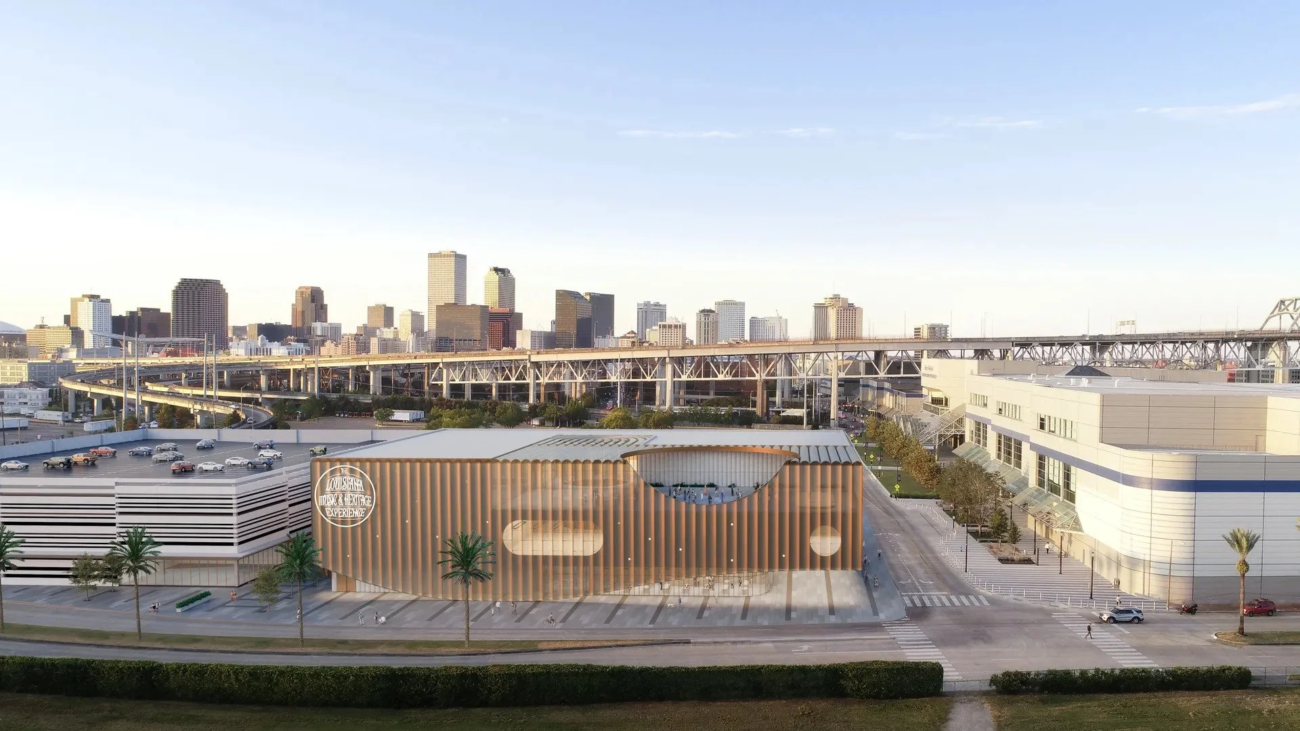
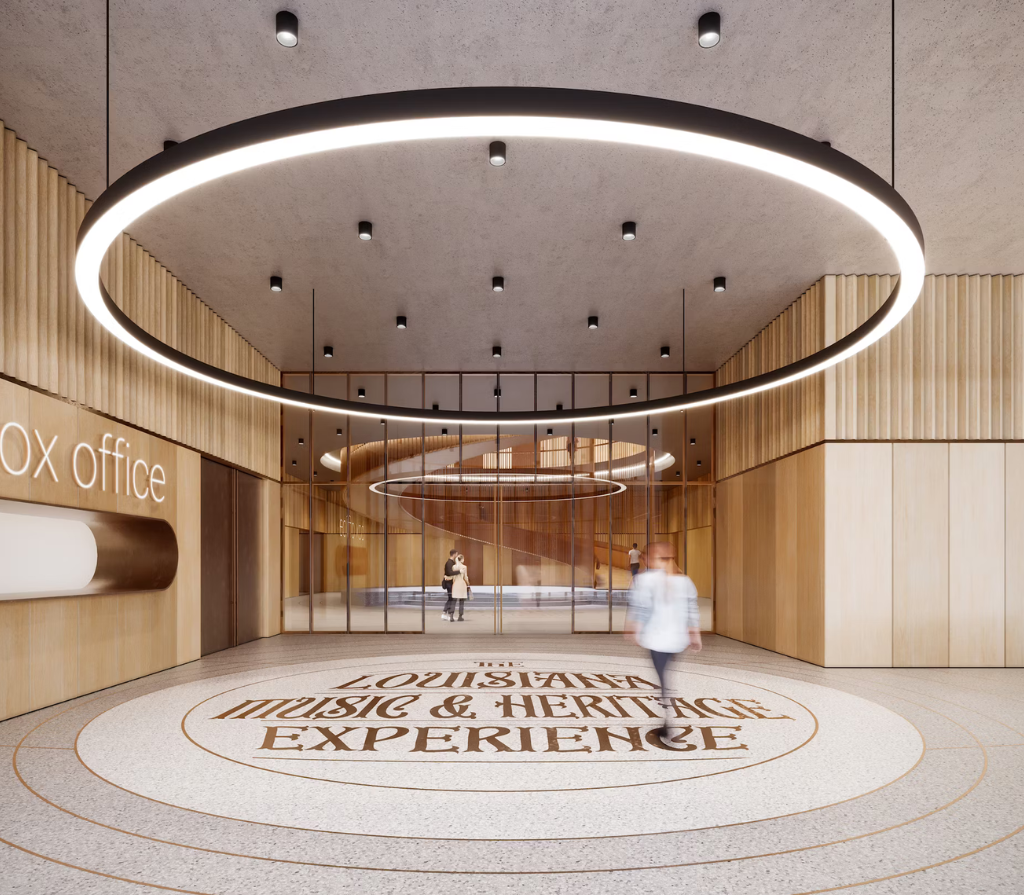
One of the most ambitious projects currently taking shape is the Louisiana Music & Heritage Experience, an expansive cultural destination designed to become a major center for music education, preservation, and immersive storytelling. With plans for a massive 120,000-square-foot facility in New Orleans, the project aims to trace the evolution of Louisiana’s extraordinary contributions to American music, from the earliest rhythms of Congo Square through the development of jazz, swing, rhythm and blues, and countless other genres that followed.
The significance of the project extends far beyond a traditional museum experience.
At a time when many cultural institutions are exploring ways to engage younger audiences, the Louisiana Music & Heritage Experience is embracing technology as a tool for preserving history rather than replacing it. Among the most talked-about aspects of the project is the development of interactive digital exhibits designed to help visitors experience the stories and performances of legendary jazz and swing musicians in entirely new ways.
These so-called “Icon Holograms” represent an ambitious effort to bridge generations through technology. Using historical footage, digital modeling, advanced projection systems, and immersive exhibit design, the project seeks to create educational experiences that allow visitors to better understand the artistry and impact of musicians whose performances helped define the twentieth century.
For swing enthusiasts, the concept is particularly compelling because so much of the music’s history predates modern recording and video technologies. While thousands of recordings survive, many legendary performances were never fully documented. Interactive exhibits offer an opportunity to provide historical context and deeper understanding of the musicians, venues, and cultural forces that shaped the development of big band music.
The museum’s vision extends beyond preservation alone. Plans call for educational classrooms, performance spaces, themed presentations, and exhibits designed to showcase the connections between early jazz traditions and the music that followed. By combining historical scholarship with immersive experiences, the project hopes to introduce new audiences to the artists and innovations that helped transform American culture.
While institutions focus on preserving history, live performers continue keeping the tradition alive every night.
One of the strongest examples can currently be found at New York’s legendary Birdland Jazz Club, where the High Society New Orleans Jazz Band continues its acclaimed residency performances. Week after week, audiences are treated to the sounds of traditional jazz, early swing, and classic New Orleans music performed by musicians deeply committed to the roots of the genre.
Residencies such as these remain vital to the health of jazz culture. They create opportunities for artists to develop their sound over multiple performances while allowing audiences to experience the music in an intimate setting. Unlike large festivals or one-night appearances, extended engagements foster a deeper connection between musicians and listeners, recreating the atmosphere that helped jazz flourish throughout much of its history.
The continued popularity of the High Society New Orleans Jazz Band demonstrates that audiences remain hungry for authentic interpretations of classic styles. The band’s performances capture the spirit of early jazz while reminding listeners that great music never truly becomes outdated. The rhythms, improvisation, and ensemble interplay that defined the early decades of jazz remain just as engaging today as they were generations ago.
Elsewhere, regional venues continue supporting musicians dedicated to preserving and advancing swing traditions.
Performers such as Charlie Halloran & the Tropicales, Swingin’ with John Saavedra, and the New Orleans Catahoulas represent a growing community of artists who understand that swing music thrives through performance. Their appearances in intimate clubs and music halls reinforce an essential truth: the best way to preserve jazz history is to continue playing it.
These performances matter because swing music was never intended to exist solely within archives or museums. It was created for audiences. It was built for dance floors. It was designed to bring people together through rhythm, melody, and shared experience.
That connection between past and present is also being strengthened through new archival projects.
The June 2026 issue of The Syncopated Times shines a spotlight on a newly highlighted historical compilation known as the Canary Retrospective, bringing renewed attention to important recordings from the swing era. Releases such as these serve as valuable reminders that jazz history remains an ongoing process of discovery. Collectors, historians, archivists, and musicians continue uncovering recordings that deepen our understanding of the genre and the artists who shaped it.
For fans of big band music, these projects provide opportunities to revisit forgotten performances, hear rare arrangements, and gain new appreciation for the extraordinary musicianship that defined the era. Every restored recording adds another piece to the larger story of how swing became one of the most influential musical movements in American history.
Perhaps that enduring influence explains why interest in swing culture continues growing.
In an age dominated by digital consumption and fragmented entertainment experiences, swing offers something increasingly rare: participation. It invites listeners to dance. It encourages social interaction. It celebrates musicianship, elegance, and community. Whether experienced in a ballroom, a jazz club, a museum exhibit, or through a live radio broadcast, the music retains an infectious energy that transcends generations.
That energy takes center stage tonight on The Improv Cafe’.
Tonight’s edition of Swing with the Big Bands transforms Friday evening into a celebration of the greatest live big band performances ever recorded. More than a radio show, it is a weekly dance party dedicated to the artists and orchestras that helped define an era. Listeners will hear legendary live performances from the top big band artists throughout history, featuring soaring brass sections, unforgettable arrangements, and the kind of rhythmic drive that made swing music a cultural phenomenon.
Whether you’re dancing around the room, hosting friends, or simply enjoying an evening of extraordinary music, Swing with the Big Bands delivers the excitement, elegance, and joy that have made big band music endure for generations. Every broadcast serves as a reminder that the Swing Era was never simply a moment in history. It was a movement built on musicianship, creativity, and connection.
As museums invest in preserving the legacy of jazz and swing, as musicians continue performing classic repertoire for modern audiences, and as historians uncover new recordings that enrich our understanding of the genre, one thing becomes increasingly clear.
The story of swing music is still being written.
Its history continues to be discovered.
Its traditions continue to be celebrated.
And every Friday night on The Improv Cafe’, its spirit continues to swing as strongly as ever.