
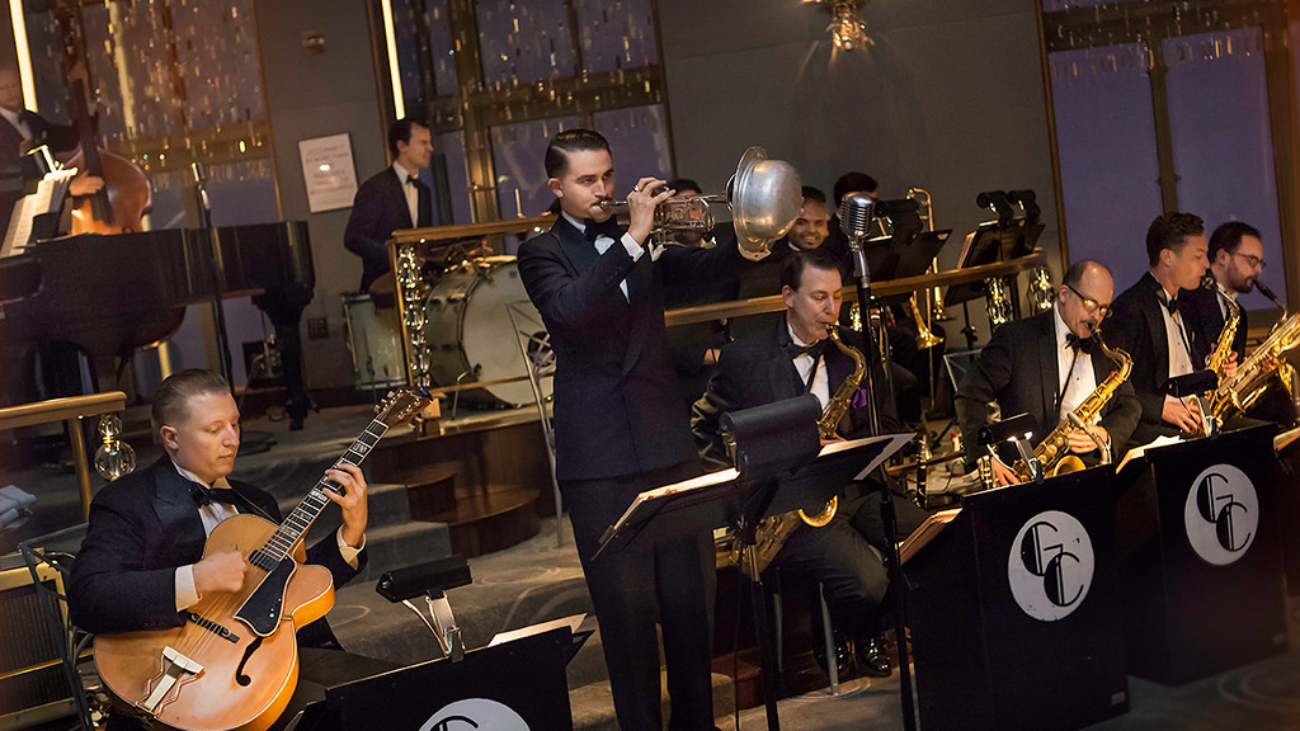
For decades, critics have periodically declared big band music a relic of another era. They have predicted that the economics of touring with large ensembles, changing audience tastes, and the rise of digital music would eventually push the tradition into history. Yet every few years the music proves those predictions wrong. In 2026, the evidence is becoming impossible to ignore. Big band jazz is not simply surviving—it is evolving, expanding, and finding new audiences around the world.
From ambitious new recordings and international festival appearances to educational initiatives and local concert series, large jazz ensembles are experiencing a creative resurgence that is helping preserve one of the most important musical traditions ever developed. While the names and faces may change from generation to generation, the power of twenty musicians sharing a stage and creating a wall of sound remains as compelling as ever.

The current moment reflects something larger than nostalgia. Today’s big band artists are not merely recreating the sounds of the past. They are using the format as a platform for new compositions, contemporary arrangements, and ambitious musical experimentation that would be impossible within smaller groups. The result is a vibrant scene that honors tradition while simultaneously pushing the genre forward.
One of the most anticipated releases on the horizon arrives this summer with the announcement of a major new live recording from acclaimed composer and arranger Ayn Inserto. Scheduled for release in August, the project captures a live performance with the internationally respected WDR Big Band in Cologne and features an expansive new commissioned suite written specifically for celebrated trumpeter Sean Jones.
The significance of projects like this extends far beyond a single album release. Large-scale contemporary compositions require immense collaboration, rehearsal, and musical precision. They demonstrate that big bands continue to function as living creative laboratories where composers can explore complex ideas on a grand scale. Rather than relying solely on established standards, modern writers are expanding the repertoire and ensuring that the format remains artistically relevant.
The international big band community also recently marked another milestone with the launch of the first digital edition of Big Band Magazine. Dedicated exclusively to large ensemble jazz, the publication provides a central hub for recordings, arranging techniques, industry developments, educational opportunities, and artist profiles.
The arrival of a publication devoted entirely to big band music signals something important about the health of the genre. Specialized media outlets typically emerge when communities become active enough to support dedicated coverage. The magazine’s debut reflects growing interest among musicians, educators, students, arrangers, and audiences seeking deeper engagement with the evolving world of large ensemble jazz.
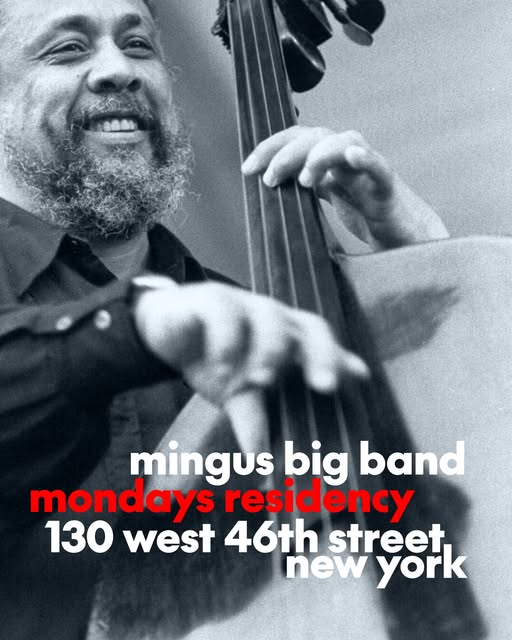
Live performance remains the heartbeat of the movement, and few groups embody that better than the legendary Mingus Big Band. Continuing the legacy of Charles Mingus while introducing the music to new generations, the ensemble has launched its latest residency series, bringing weekly performances to audiences throughout the summer.
Residencies play an increasingly important role in sustaining jazz culture. They provide musicians with opportunities to develop material over time, allow audiences to experience the music regularly, and help create community around live performance. In an era dominated by streaming platforms and digital consumption, recurring live events remind listeners that jazz remains fundamentally a shared experience between artists and audiences.
Across the broader festival circuit, large ensembles continue attracting significant attention. International Jazz Day celebrations showcased powerful performances by university and professional big bands, while major festivals increasingly include large orchestral jazz projects alongside traditional small-group performances. These appearances expose new audiences to the unique excitement that only a full jazz orchestra can deliver.
Unlike many forms of contemporary entertainment, big band music requires genuine collaboration on a remarkable scale. Every section must function as part of a larger whole. Trumpets, trombones, saxophones, rhythm sections, featured soloists, arrangers, and conductors all contribute to a musical ecosystem where success depends on collective excellence. In a cultural landscape often focused on individual achievement, the big band remains a powerful example of teamwork, discipline, and shared artistic purpose.
The resurgence is particularly noticeable at the local and regional levels, where community bands, educational programs, and independent ensembles continue introducing audiences to the format. Throughout the summer, listeners across the Philadelphia and South Jersey region will have opportunities to experience large ensemble performances firsthand.
Outdoor concerts celebrating America’s 250th anniversary will bring the sounds of full jazz orchestras into public spaces, creating opportunities for audiences who may never have attended a traditional jazz club performance. These community events help bridge generations, introducing younger listeners to a style of music that continues influencing countless genres more than a century after its origins.
Meanwhile, regional artists continue proving that big band music remains adaptable and accessible. Performances blending traditional swing influences with soul, blues, funk, and contemporary jazz elements demonstrate the genre’s ability to evolve without losing its identity. The result is music that feels simultaneously timeless and current.
The educational impact of the big band movement should not be overlooked. School programs, university ensembles, youth orchestras, and community workshops continue producing the next generation of musicians, composers, and arrangers. For countless students, participation in a big band serves as an introduction not only to jazz but also to discipline, teamwork, listening skills, and creative expression.
These educational pathways are essential for the future of the art form. Every established professional musician once sat in a rehearsal room learning how to blend with a section, interpret an arrangement, and contribute to a larger ensemble. Today’s students become tomorrow’s composers, educators, performers, and advocates.
The continued growth of big band culture also speaks to a broader truth about live music itself. Audiences increasingly seek experiences that cannot be replicated through algorithms or playlists. There is something uniquely powerful about hearing a full brass section erupt in harmony, watching a featured soloist improvise in real time, or feeling the collective energy of a large ensemble performing together.
At Sustainable Action Now, conversations about sustainability often focus on environmental stewardship, community resilience, and protecting resources for future generations. Cultural preservation deserves a place within that discussion as well. Music traditions, artistic institutions, educational programs, and creative communities all represent forms of cultural sustainability that enrich society and connect generations.
The ongoing revival of big band jazz demonstrates what happens when communities choose to invest in artistic traditions rather than abandon them. Through recordings, live performances, education, and innovation, musicians around the world are ensuring that this remarkable art form remains vibrant and relevant.
As new albums arrive, summer festivals fill their schedules, and audiences gather to experience the power of live large-ensemble performance, one thing becomes increasingly clear. The big band was never fading away. It was simply preparing for its next chapter.
And judging by the momentum building across the global jazz landscape, that chapter may prove to be one of its most exciting yet.