For jazz lovers, there are certain days that feel larger than the calendar itself. Days when the world’s stages seem to come alive simultaneously, when legendary festivals throw open their gates, when new recordings arrive from some of the music’s most visionary artists, and when the international jazz community collectively turns its attention toward the celebration of live performance.
Today, June 25, 2026, is one of those days.
Across North America and beyond, the global jazz landscape is experiencing one of its most exciting moments of the year. Some of the world’s most prestigious festivals are officially underway, internationally acclaimed artists are unveiling ambitious new projects, collectors are anticipating major archival releases, and jazz publications continue documenting an art form that remains every bit as vibrant, adventurous, and inspiring as ever.
For The Improv Cafe’, where live Jazz, live Big Band, and live Swing performances are the heartbeat of every broadcast, today’s convergence of events perfectly illustrates why jazz continues to thrive across generations and around the globe.
The epicenter of today’s celebration begins in Canada.
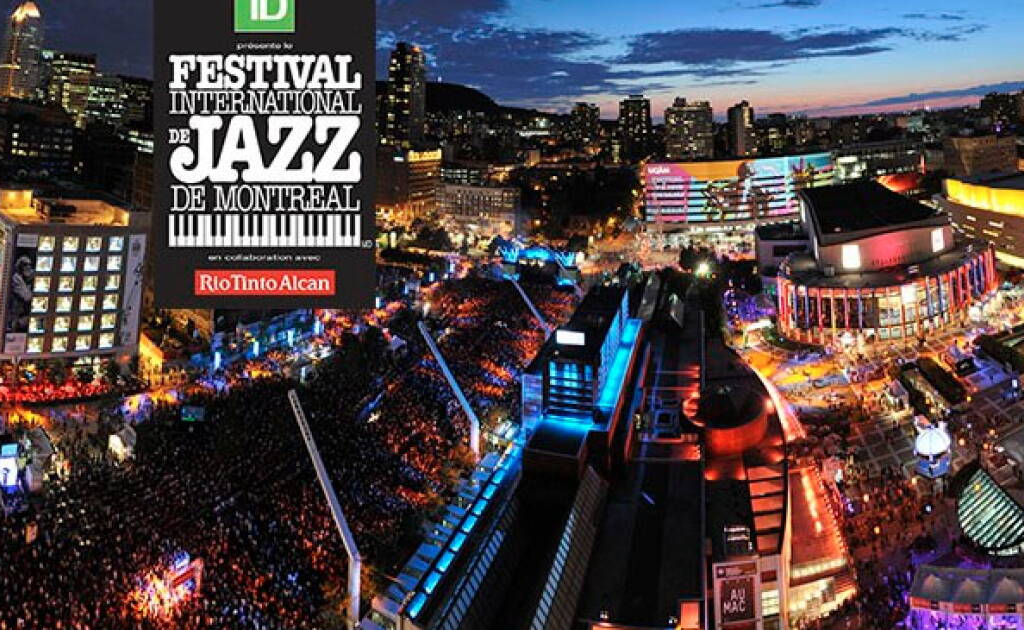
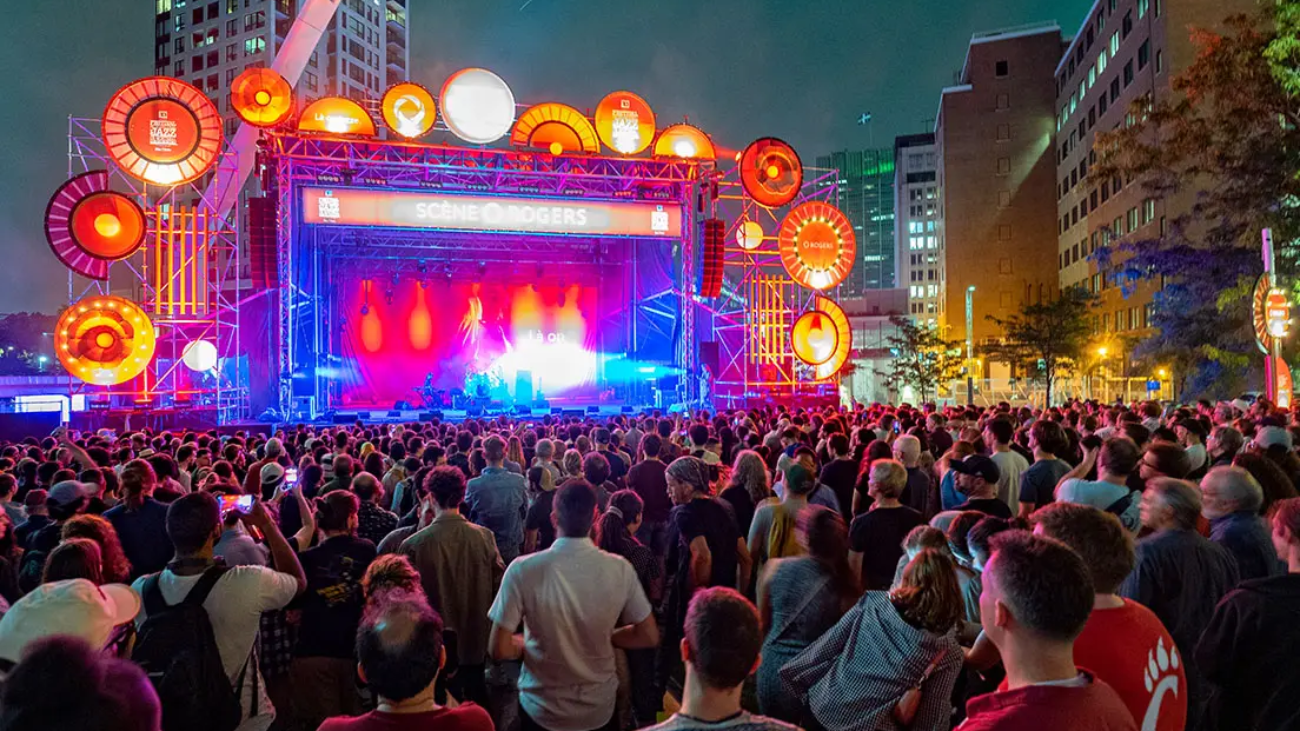
The Festival International de Jazz de Montréal officially launches its 46th edition today, once again transforming Montréal into the live jazz capital of the world. Widely recognized as the largest jazz festival on the planet, the annual event has become far more than a music festival. It is a citywide cultural celebration that brings together internationally renowned artists, emerging performers, educators, composers, improvisers, and audiences from every corner of the globe.
Throughout the Quartier des Spectacles, stages large and small will host thousands of musicians over the coming days. Massive outdoor concerts will attract enormous crowds under the summer sky, while intimate theaters, clubs, and concert halls present performances that showcase every imaginable style of jazz. Traditional swing, bebop, avant-garde improvisation, Latin jazz, vocal jazz, fusion, soul, funk, orchestral collaborations, and experimental projects all coexist within a single festival environment.
That diversity has become one of Montréal’s defining strengths. Rather than presenting jazz as a museum piece, the festival celebrates it as a constantly evolving art form capable of embracing new ideas while honoring its remarkable history.
South of the Canadian border, another internationally respected event continues building momentum.
The Rochester International Jazz Festival moves into its seventh day with one of the week’s most anticipated performances as trumpeter Chris Botti takes the stage at Kodak Hall. Long recognized for combining extraordinary technical ability with crossover appeal, Botti has spent decades introducing new audiences to contemporary jazz while maintaining deep respect for the traditions that shaped his career.
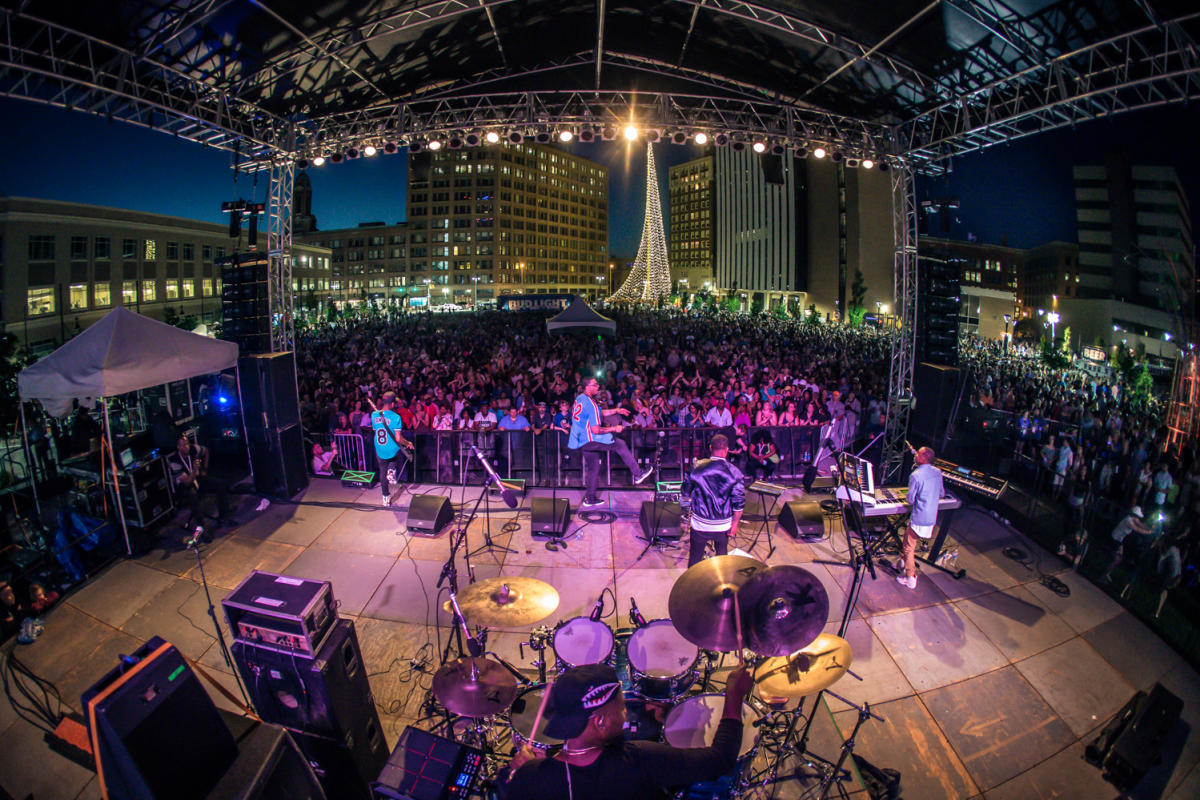
Rochester’s continued success demonstrates how jazz festivals have become destination events in their own right. Visitors travel from across the country and around the world to experience lineups that combine legendary performers with rising stars, creating an atmosphere where discovery becomes just as important as nostalgia.
Meanwhile, New York City continues serving as one of jazz’s great cultural capitals through the annual Blue Note Jazz Festival.
Now entering its final week, the month-long celebration continues filling legendary venues with extraordinary performances that reflect the remarkable breadth of modern jazz. Performances stretch from the intimate setting of the historic Blue Note Jazz Club in Greenwich Village to larger stages throughout Manhattan, bringing together improvisers, vocalists, soul artists, funk innovators, and international performers who continue expanding jazz’s creative boundaries.
Few festivals demonstrate the modern evolution of jazz more effectively than Blue Note. Rather than limiting itself to traditional programming, the festival embraces artists whose work intersects with rhythm and blues, world music, gospel, hip-hop, electronic music, and contemporary soul. The result is a festival that remains rooted in jazz while fully embracing the genre’s ongoing evolution.
While audiences gather in concert halls and festival grounds, today’s jazz conversation also extends into the recording studio.
Few artists have commanded more attention recently than Jon Batiste.
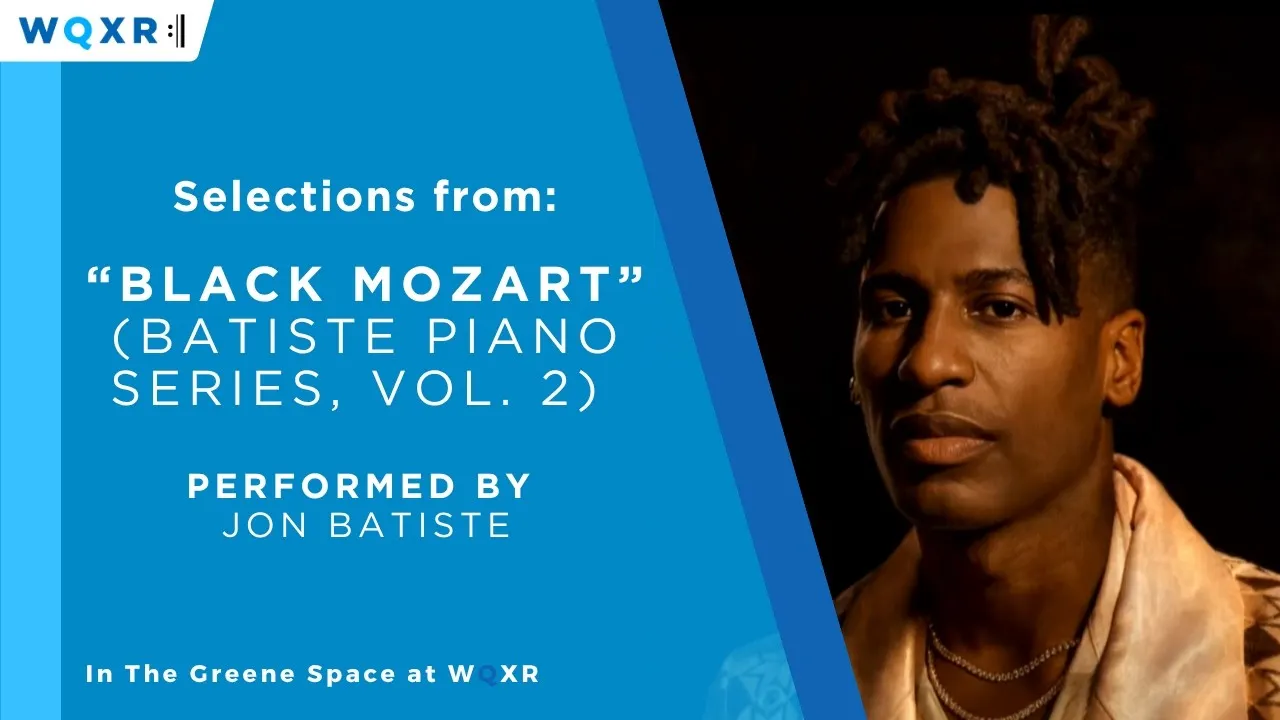
The celebrated pianist, composer, bandleader, and multi-instrumentalist continues attracting worldwide acclaim following the release of Black Mozart, a deeply personal piano-centered project that places his extraordinary musicianship at the forefront. Long admired for his ability to bridge classical music, jazz, gospel, soul, blues, and contemporary composition, Batiste once again demonstrates that creative curiosity remains one of jazz’s greatest strengths.
His latest work reinforces an idea that has defined the careers of jazz’s greatest innovators: artistic growth never truly stops.
Another major creative statement arrives from one of today’s most compelling saxophonists.
Six-time Grammy nominee Lakecia Benjamin continues making headlines with the release of We Dream, an ambitious recording that pushes contemporary jazz into exciting new territory. Combining cinematic orchestration, fearless improvisation, and remarkable collaborations with Terence Blanchard, Chris Potter, and Hiromi, the project showcases an artist operating at the height of her creative powers.
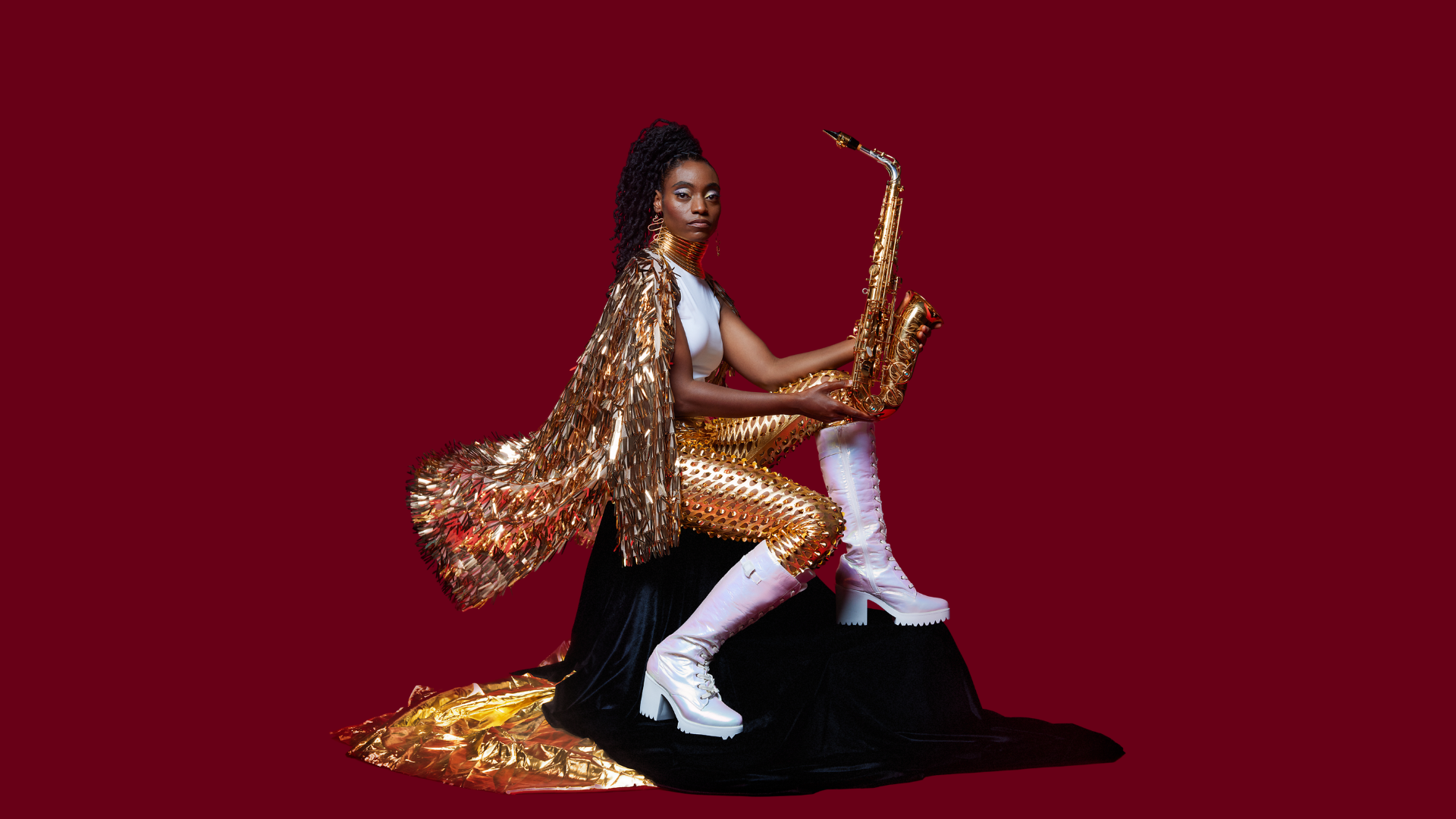
Benjamin has become one of the defining voices of modern jazz by refusing to recognize artificial stylistic boundaries. Her work embraces straight-ahead jazz, funk, soul, hip-hop, spiritual jazz, and contemporary composition without ever losing its identity. The result is music that feels adventurous while remaining deeply connected to jazz’s improvisational traditions.
Collectors and historians also have reason to celebrate this week.
Tomorrow brings the arrival of a remarkable archival release from Culture Factory USA, pairing rare live performances by the Steve Grossman Quartet alongside the Michel Petrucciani Quartet. Releases of this nature occupy a special place within jazz culture because they preserve moments that might otherwise have remained inaccessible to future generations.
Live recordings have always represented the purest expression of jazz.
Unlike carefully constructed studio sessions, live performances capture spontaneous interaction, creative risk, audience energy, and the subtle conversations that unfold between musicians during improvisation. Every recovered performance expands the historical record while reminding listeners that jazz reaches its highest form in front of an audience.
The conversation surrounding jazz extends well beyond concerts and recordings.
The latest issue of Jazzwise continues documenting the remarkable evolution of the genre through an extensive feature examining guitarist Pat Metheny. Few musicians have demonstrated greater consistency over multiple decades than Metheny, whose work has continually balanced technical brilliance with emotional accessibility.
His ongoing touring innovations, creative collaborations, and evolving approach to performance illustrate why jazz remains one of the world’s most intellectually adventurous musical forms. Rather than repeating established formulas, artists such as Metheny continue searching for new sounds, new technologies, and new methods of connecting with audiences.
That willingness to innovate has become increasingly important as digital technology reshapes how listeners experience live music.
Streaming platforms, concert archives, on-demand performances, and high-definition broadcasts have expanded access to jazz in unprecedented ways. While nothing can replace the experience of hearing live music inside a club or concert hall, these technologies allow audiences around the world to discover artists, performances, and festivals that might otherwise remain beyond their reach.
Rather than replacing live performance, these platforms have become valuable gateways that encourage new listeners to explore jazz more deeply.
Taken together, today’s developments reveal an international jazz community operating with remarkable confidence and creative momentum.
The international jazz community has reached one of its most vibrant moments of the year as the arrival of late June brings the simultaneous launch of many of the world’s most prestigious festivals, a wave of important new recordings, and renewed attention to some of the genre’s most influential artists. Rather than existing as isolated events, these developments collectively demonstrate the remarkable health of live jazz on a global scale. From Montréal to Manhattan, from legendary concert halls to intimate clubs, audiences are gathering to experience music that continues evolving while remaining deeply connected to the improvisational traditions that have defined jazz for more than a century. For listeners of The Improv Cafe’, where every broadcast celebrates live Jazz, live Big Band, and live Swing performances, this extraordinary convergence of activity serves as a reminder that jazz remains one of the world’s most dynamic art forms, thriving through performance, collaboration, and the irreplaceable chemistry between musicians and audiences.