There are summers that simply add another chapter to jazz history, and then there are summers that feel as though the entire global jazz community has collectively decided to accelerate forward at once. The summer of 2026 is quickly proving to be one of those rare moments. Across North America and Europe, legendary festivals are unveiling ambitious lineups, historic venues are presenting extraordinary residencies, newly recovered archival recordings are reshaping conversations about jazz history, and a new generation of artists is stepping confidently onto the world’s biggest stages.
For listeners of The Improv Cafe’, where live Jazz, live Big Band, and live Swing performances remain at the center of everything we do, the current landscape offers a powerful reminder that jazz continues to thrive not because it stands still, but because it never stops evolving.
Perhaps no event better symbolizes that spirit of evolution than the Newport Jazz Festival. Entering its seventy-second edition, Newport remains one of the most respected names in music, a festival whose history stretches back to the very foundations of modern jazz culture. This year marks the beginning of a significant new era as acclaimed drummer, composer, and producer Nate Smith assumes the role of Artistic Director.
The appointment signals more than a leadership transition. It represents a commitment to preserving Newport’s rich heritage while embracing the future of the music. The 2026 lineup reflects that philosophy perfectly. Legendary artists share billing with contemporary innovators, while genre boundaries continue dissolving in favor of artistic excellence. Performers such as Herbie Hancock, Jon Batiste, Robert Glasper, Thundercat, and Vulfpeck represent vastly different musical perspectives, yet all embody the creative spirit that has always defined jazz at its best.
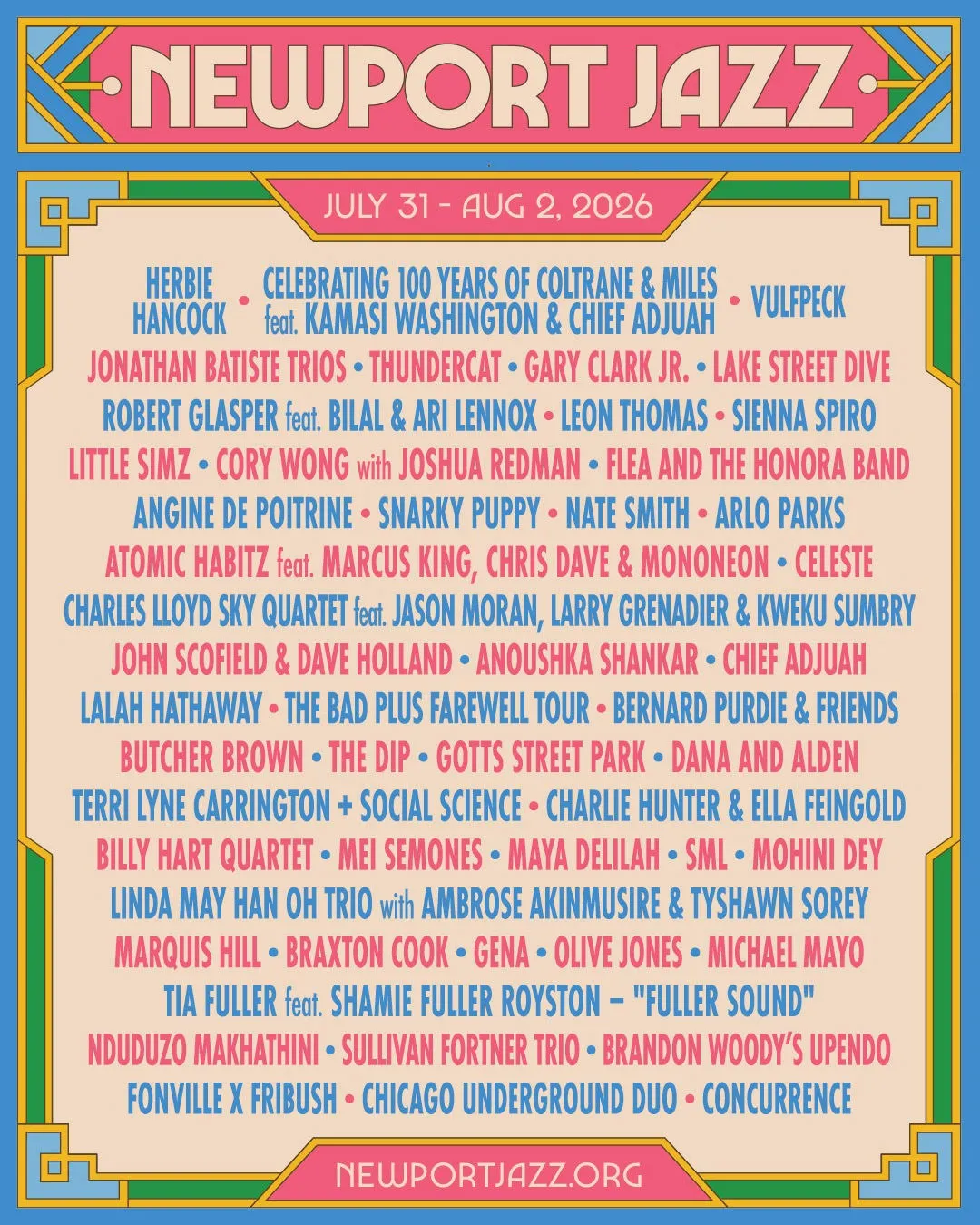
At the center of Newport’s programming this year is a celebration that extends well beyond Rhode Island. The upcoming centennial anniversaries of Miles Davis and John Coltrane are inspiring major performances throughout the jazz world, and Newport’s tribute promises to be among the most significant. Curated by Kamasi Washington and Chief Adjuah, the event brings together artists from multiple generations to honor two musicians whose influence remains impossible to measure fully. Davis and Coltrane continue shaping everything from straight-ahead jazz and fusion to hip-hop, contemporary classical composition, and experimental improvisation. Their centennials are not simply commemorations of the past; they are celebrations of ideas that continue driving music forward.
While Newport looks ahead through its centennial tributes, Montreal is simultaneously reminding audiences why it remains one of the most important jazz destinations on the planet.
The Festival International de Jazz de Montréal returns for its forty-sixth edition with a lineup that once again transforms an entire city into a living celebration of music. For ten days, Montreal becomes the global center of jazz culture, attracting artists and audiences from around the world. The festival’s unique ability to blend free outdoor performances, intimate club shows, educational programming, and headline events has made it one of the most influential cultural gatherings anywhere.
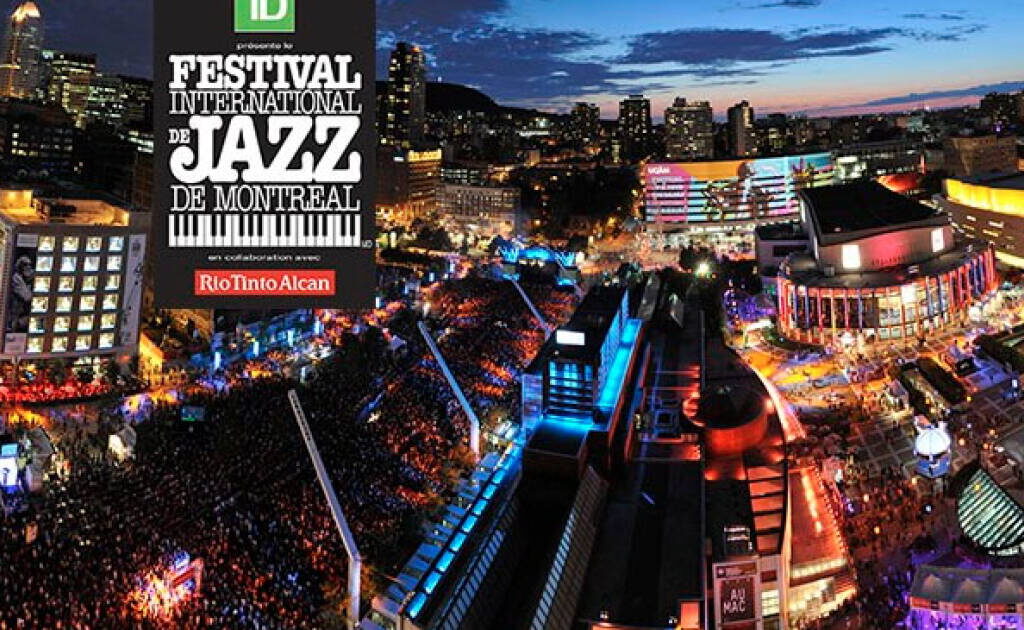
This year’s additions only strengthen that reputation. Kamasi Washington and MonoNeon bring their distinct creative voices to a lineup already packed with major talent. Diana Krall, Lionel Richie, Earth, Wind & Fire, and St. Vincent further demonstrate the festival’s commitment to showcasing music that exists at the intersection of jazz, soul, pop, improvisation, and artistic exploration.
Yet one of Montreal’s most anticipated events may not involve a live performance at all.
The festival’s educational division will host a world-exclusive presentation of newly recovered John Coltrane recordings known as The Tiberi Tapes. In a year already defined by centennial celebrations, the opportunity to hear previously unreleased Coltrane material offers jazz enthusiasts something increasingly rare: the chance to experience new discoveries from one of the most important artists in the history of the genre. Such moments remind listeners that jazz history remains alive, constantly revealing new stories and perspectives decades after the original performances occurred.
Across the Atlantic, another iconic institution is preparing for a milestone of its own.
The Montreux Jazz Festival reaches its sixtieth anniversary this summer, reaffirming its position as one of Europe’s premier cultural events. Situated along the shores of Lake Geneva, Montreux has spent decades building a reputation that extends far beyond jazz. Its stages have welcomed legends from virtually every corner of the musical world, creating a legacy unlike any other festival.
This year’s anniversary celebration carries added significance because performances are returning to the Auditorium Stravinski following extensive renovations. The venue has hosted countless historic concerts, and its reopening represents an important moment for artists and audiences alike. The anniversary lineup reflects the festival’s uniquely expansive vision, pairing jazz masters such as Marcus Miller, Gregory Porter, Charles Lloyd, and Billy Cobham with globally recognized artists from outside the traditional jazz sphere.
That willingness to embrace artistic diversity has become a defining characteristic of modern jazz festivals. Today’s audiences no longer see strict genre boundaries as barriers. Instead, they seek authenticity, musicianship, and creativity wherever they can find it.
That same philosophy can be found at the center of the rapidly expanding Blue Note Jazz Festival.
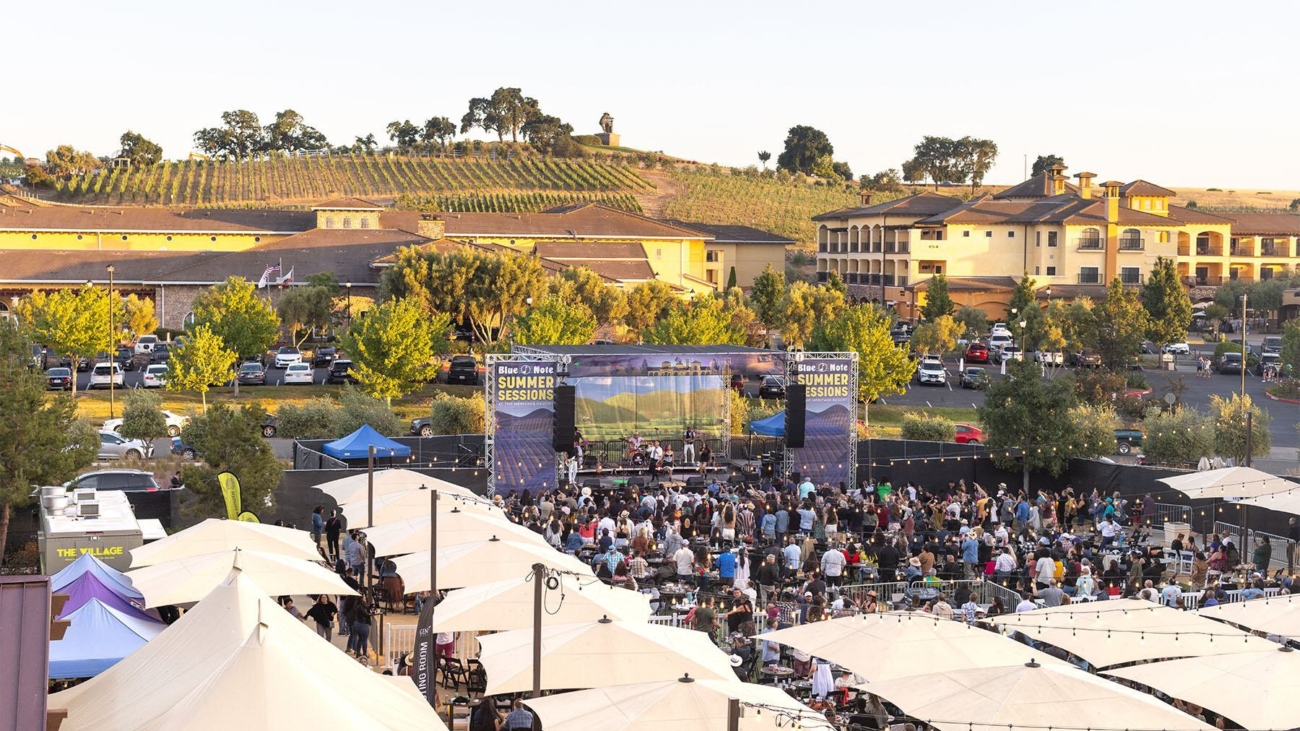
What began as a New York institution has evolved into one of the most influential jazz brands in the world. The 2026 Blue Note Jazz Festival continues its month-long celebration across New York City while simultaneously expanding its reach through major events on the West Coast.
The New York schedule remains a showcase of artistic excellence. Brian Blade and The Fellowship Band continue their reputation for transcendent live performances, while the legendary vocal ensemble Take 6 demonstrates why they remain one of the most respected groups in contemporary music. Throughout the month, festival audiences will encounter a remarkable range of performers, each contributing to the broader story of jazz’s continuing evolution.
Meanwhile, the Blue Note Jazz Festival at the Hollywood Bowl highlights the growing national footprint of the organization. Artists such as Wyclef Jean, Robert Glasper, Terrace Martin, Yussef Dayes, Patti LaBelle, Gregory Porter, and Samara Joy illustrate how contemporary jazz festivals are increasingly serving as meeting points between multiple musical traditions.
Perhaps the most intriguing development within the Blue Note universe is occurring in Los Angeles itself.
Following its successful launch, Blue Note Los Angeles continues attracting high-profile artists through a programming strategy that blends jazz culture with broader contemporary music. Upcoming appearances by Jill Scott, Lizzo, and Nick Jonas demonstrate the venue’s willingness to think beyond traditional expectations while maintaining the intimacy that has always defined the Blue Note experience.
While festivals continue expanding and new venues emerge, one institution remains a constant symbol of jazz tradition.
Deep beneath the streets of Greenwich Village, the Village Vanguard continues doing what it has done for generations: presenting extraordinary music in one of the most revered rooms in the world.
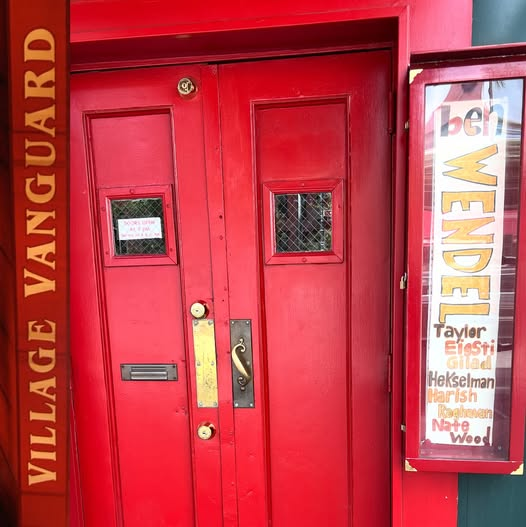
The Vanguard’s summer calendar is a reminder of why the venue remains sacred ground for musicians and fans alike. Pianists Renee Rosnes and Fred Hersch, drummer Johnathan Blake, and saxophonist James Brandon Lewis all headline extended residencies, allowing audiences to experience artists over multiple nights rather than single performances. This format has always been central to jazz culture, providing musicians the freedom to develop ideas and audiences the opportunity to witness artistic growth in real time.
No discussion of the Village Vanguard would be complete without acknowledging the Vanguard Jazz Orchestra. Every Monday night, the ensemble continues a tradition that has endured for more than sixty years. Few recurring events in music possess such historical significance. The orchestra’s weekly performances stand as a living connection between generations of musicians, preserving the spirit of big band jazz while continually introducing it to new audiences.
The Vanguard’s influence extends far beyond its famous basement stage. Earlier this year, the club received international attention through a major cultural profile examining its role in advancing artistic freedom, social progress, and cultural exchange throughout its history. The recognition reinforced what jazz fans have known for decades: the Village Vanguard is more than a venue. It is an institution.
Taken together, the developments unfolding across Newport, Montreal, Montreux, Blue Note, and the Village Vanguard reveal a global jazz community operating with remarkable confidence and momentum. Festivals are expanding. Historic venues are thriving. New artistic leaders are emerging. Long-forgotten recordings are resurfacing. Major anniversaries are inspiring reflection while simultaneously pointing toward the future.
Most importantly, audiences continue showing up.
That fact alone may be the most encouraging sign of all. In an era increasingly dominated by digital distractions and shortened attention spans, listeners continue seeking the unique experience that only live jazz can provide. They continue filling concert halls, clubs, outdoor festivals, and theaters. They continue supporting artists committed to creativity, improvisation, and artistic risk.
For The Improv Cafe’, that enduring commitment to live performance remains at the center of everything we celebrate. Whether the music is coming from Newport’s festival grounds, Montreal’s bustling streets, Montreux’s lakeside stages, the intimate rooms of Blue Note, or the legendary basement of the Village Vanguard, the message remains the same.
Live jazz is not merely preserving its past.
It is actively creating its future.
And this summer, the entire world is listening.