Every summer brings its own rhythm to the jazz world. The clubs become busier, outdoor stages come alive, festivals expand across city blocks and waterfronts, and audiences emerge eager to reconnect with live music after months spent indoors. Yet some summers feel larger than others. Some seasons arrive carrying a particular momentum that signals not simply another year of performances but a broader cultural moment where jazz once again demonstrates its enduring relevance and remarkable ability to evolve.
The summer of 2026 is shaping up to be one of those moments.
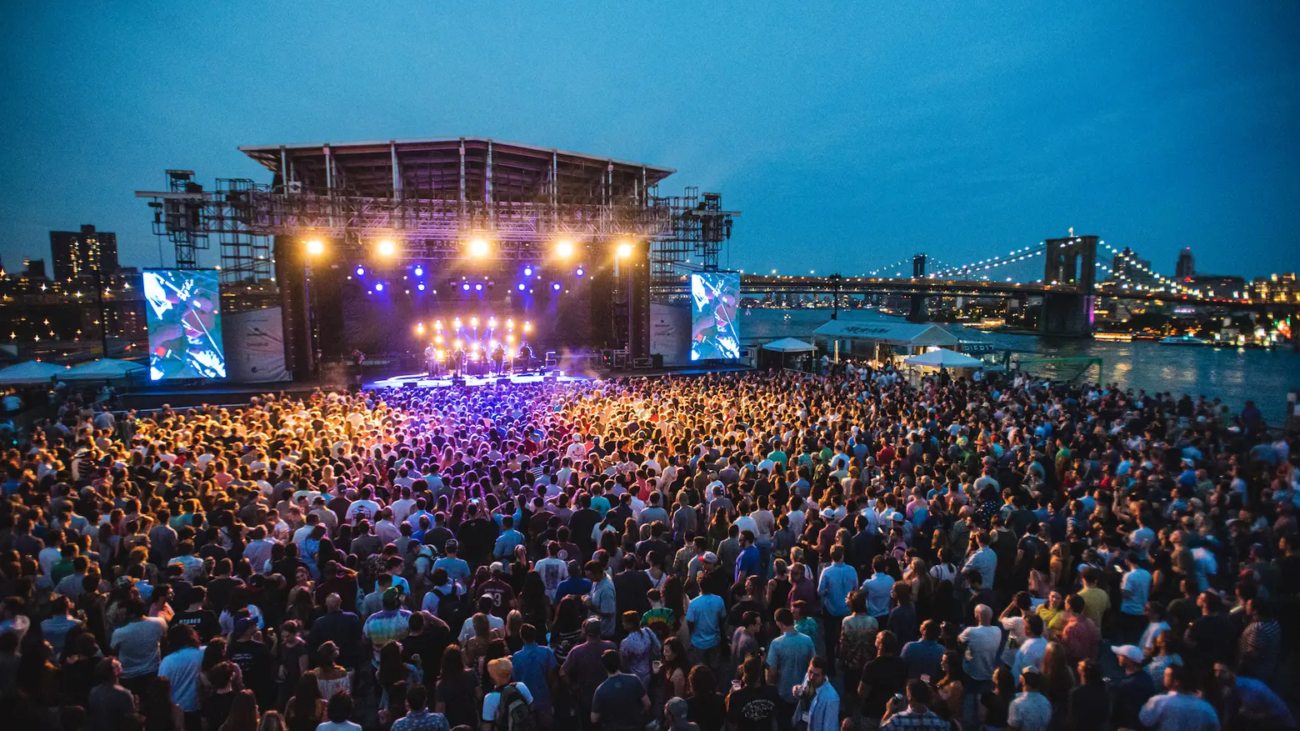
Across major international festivals, legendary radio broadcasts, celebrated recording projects, community concert series, waterfront stages, intimate supper clubs, and regional music venues, live jazz is enjoying an extraordinary period of visibility. Established masters continue pushing artistic boundaries while younger performers bring fresh perspectives to the genre. Outdoor festivals are attracting larger audiences, local concert series are expanding their programming, and listeners are increasingly seeking the authenticity that only live performance can provide.
For The Improv Cafe’, the radio station devoted entirely to live Jazz, live Big Band, and live Swing, these developments represent everything that makes the genre special. Jazz has always thrived through human interaction, spontaneous creativity, and the energy generated when musicians and audiences share the same space. It is a music built on conversation rather than perfection, exploration rather than repetition, and community rather than isolation.
That spirit is visible throughout this year’s live jazz landscape.
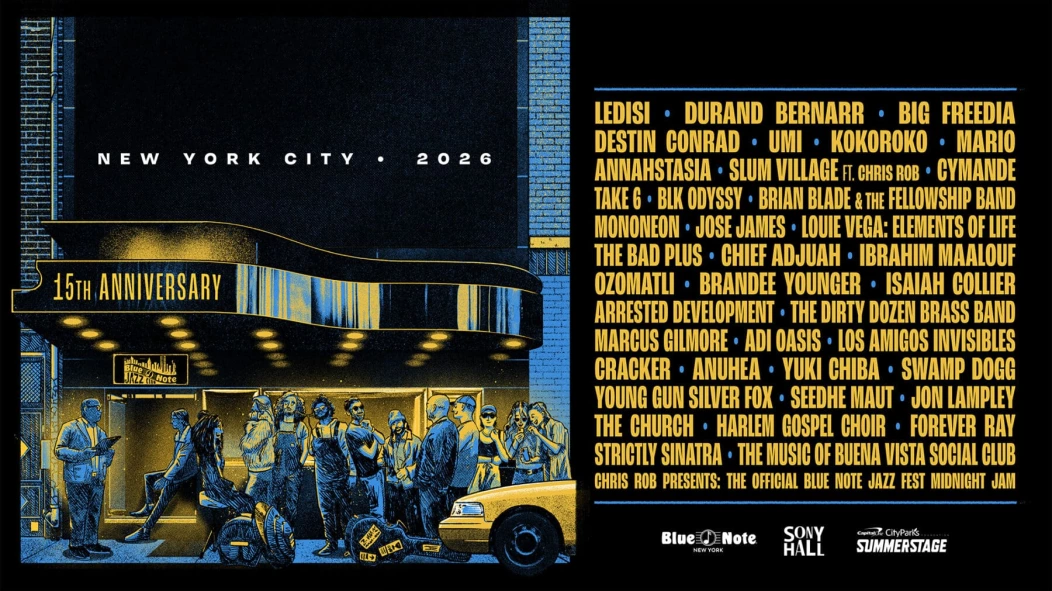
One of the most anticipated events of the season continues to be the annual Blue Note Jazz Festival, a celebration that has grown into one of the premier showcases for contemporary jazz, soul, brass music, improvisation, and cross-genre collaboration. The festival has become a defining event on the national calendar by consistently presenting artists who represent both the rich history of jazz and its continually evolving future.
This year’s programming once again demonstrates that commitment.
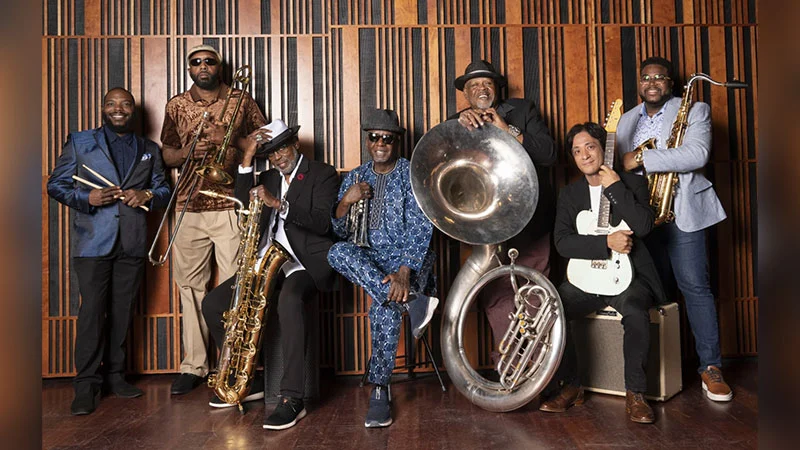
Among the standout performances is a special multi-night engagement by the legendary Dirty Dozen Brass Band. Few ensembles have done more to expand public awareness of New Orleans brass traditions while simultaneously modernizing them for contemporary audiences. For decades, the group has blended jazz, funk, R&B, soul, and traditional brass band influences into a sound that remains uniquely their own. Their performances have become celebrations of rhythm, culture, and musical heritage, demonstrating the remarkable adaptability of jazz-rooted traditions.
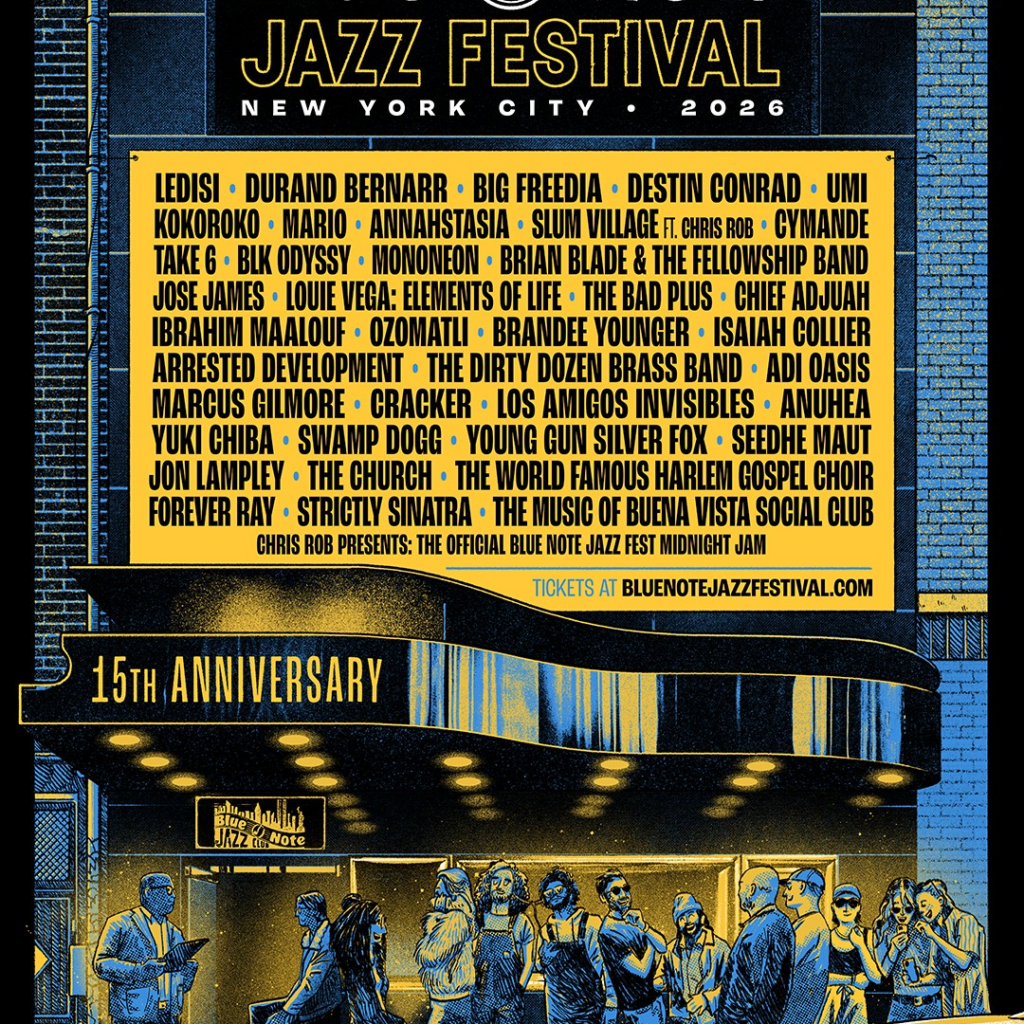
The festival schedule also includes appearances from powerhouse vocalist Ledisi and acclaimed drummer Brian Blade with The Fellowship Band, artists who represent two distinct but equally compelling perspectives on modern jazz performance. Ledisi’s remarkable vocal range and emotional depth continue earning her recognition across multiple musical genres, while Blade remains one of the most respected drummers and bandleaders working today. Together, their appearances reinforce the festival’s reputation for presenting performances that combine artistic excellence with broad audience appeal.
While festival stages continue drawing attention, the recording world is also generating significant excitement through the arrival of major new releases from artists who continue shaping the future of the music.
Among the most discussed projects of the year is pianist Helen Sung’s ambitious new album Oracles. Widely praised for its sophisticated compositional approach and remarkable rhythmic complexity, the recording serves as both a celebration of jazz history and a statement about the genre’s future possibilities.
What makes the project particularly compelling is its ability to honor legendary figures while remaining entirely contemporary. The album incorporates tributes to towering figures such as Wayne Shorter, Ron Carter, and Clark Terry, yet it avoids becoming merely retrospective. Instead, Sung uses those influences as creative foundations for her own artistic voice, producing music that feels simultaneously respectful of tradition and boldly forward-looking.
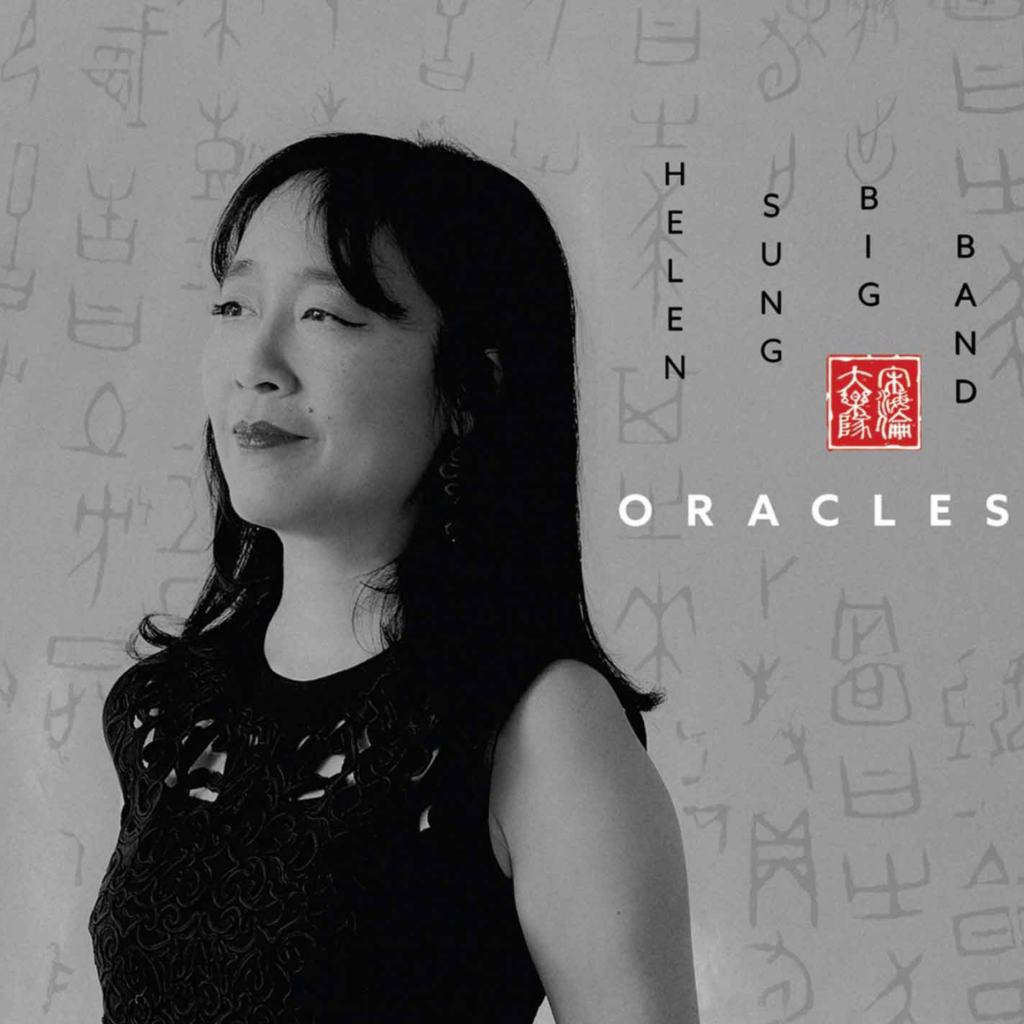
The album’s intricate rhythmic structures and imaginative arrangements have sparked widespread discussion among musicians and critics alike, reinforcing Sung’s reputation as one of the most inventive pianists working in modern jazz. Projects like Oracles remind listeners that jazz remains an endlessly expandable art form, capable of honoring its past while constantly generating new ideas.
The same spirit of innovation can be found in the work of saxophonist Immanuel Wilkins, whose recent live performances continue generating enthusiasm throughout the jazz community.
Wilkins has emerged as one of the defining voices of his generation, combining technical mastery with a fearless commitment to emotional expression. His recent appearance on NPR’s jazz programming platforms has introduced wider audiences to the intensity and sophistication of his music, highlighting a catalog that blends contemporary influences with deep respect for jazz’s improvisational traditions.
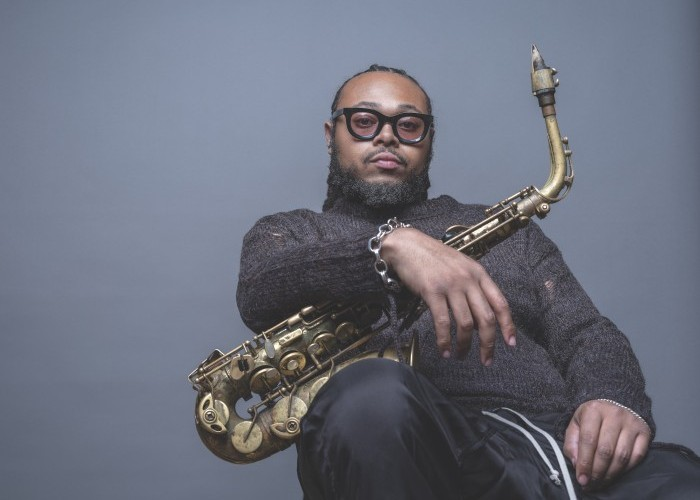
What distinguishes Wilkins is not merely his extraordinary musicianship but his ability to communicate urgency and purpose through every performance. His live work demonstrates how younger artists are continuing to expand the language of jazz without abandoning the core principles that have always defined the music. The result is a sound that feels both contemporary and timeless, innovative yet deeply connected to the traditions that inspired it.
As important as national headlines and international festivals may be, jazz has always drawn much of its strength from local communities and regional performance spaces.
That reality becomes especially clear during the summer months, when parks, waterfronts, outdoor amphitheaters, and neighborhood gathering places transform into live music destinations.
One of the season’s most anticipated regional events arrives with the Sunset Jazz Series at Wiggins Waterfront Park. Set against one of the area’s most scenic backdrops, the series continues building a reputation for bringing nationally recognized talent to audiences seeking high-quality outdoor entertainment.
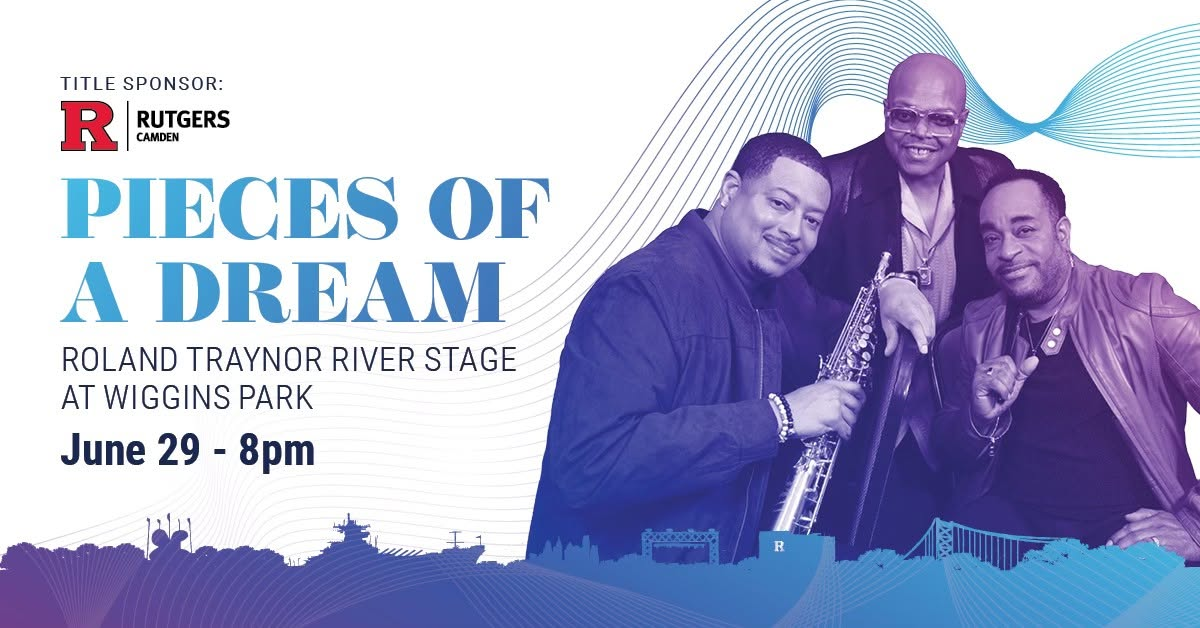
This year’s highlight performance features Pieces of a Dream, one of the most enduring and respected ensembles in contemporary jazz. Known for their energetic blend of jazz, funk, R&B, and sophisticated grooves, the group has maintained a loyal following for decades while continuing to attract new listeners through their dynamic live performances.
The band’s appearance promises to deliver exactly the kind of open-air summer experience that has become synonymous with great jazz festivals: exceptional musicianship, vibrant audience energy, and music designed to bring communities together.
Father’s Day weekend will also provide jazz enthusiasts with an opportunity to enjoy a more intimate performance experience.
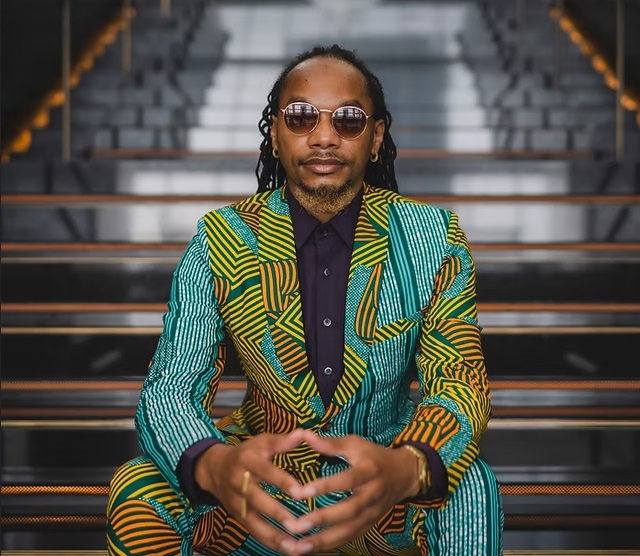
The V. Shayne Frederick Trio is preparing a special family-friendly appearance that combines elegant musicianship with the welcoming atmosphere that has long defined great jazz gatherings. Frederick’s talents as both a pianist and vocalist allow him to move effortlessly between standards, contemporary material, and audience favorites, creating performances that feel both sophisticated and accessible.
Events like these demonstrate an often-overlooked truth about jazz. While the genre can certainly thrive in concert halls and major festivals, it remains equally powerful in smaller settings where audiences can experience the music up close and connect directly with performers.
Regional venues are also playing a vital role in sustaining year-round jazz culture.
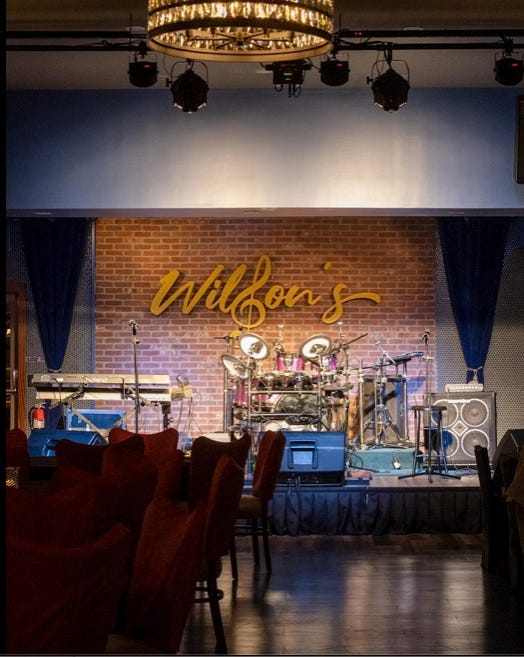
Wilson’s Restaurant & Live Music Lounge continues strengthening its reputation as an important destination for live entertainment, hosting an impressive lineup that bridges jazz, R&B, soul, and contemporary adult music. Upcoming appearances by Christopher Williams and smooth jazz icon Walter Beasley highlight the venue’s commitment to presenting artists who have built lasting connections with audiences over multiple decades.
Beasley, in particular, remains one of the most recognizable and respected names in contemporary jazz saxophone. His ability to combine technical sophistication with melodic accessibility has made him a favorite among jazz audiences worldwide. Performances of this caliber help reinforce the importance of regional venues in supporting live music ecosystems beyond major metropolitan markets.
Taken together, these festivals, concerts, recordings, and performances reveal a jazz community operating with tremendous vitality. The genre continues evolving while remaining rooted in the principles that have sustained it for generations. Artists are finding new ways to communicate, audiences are discovering new voices, and communities are embracing opportunities to experience music together.
For The Improv Cafe’, that vitality is reflected every day through the station’s commitment to showcasing live Jazz, live Big Band, and live Swing performances from around the world. Every broadcast serves as a reminder that the true power of jazz lies not simply in composition or technical skill but in the spontaneous moments that occur when musicians gather to create something unique.
As summer unfolds and stages come alive across the country and around the globe, the message becomes increasingly clear. Live jazz is not simply preserving a tradition. It is actively shaping the future of music.
And for listeners who believe that great performances are meant to be experienced in the moment, there has rarely been a better season to tune in.