images (19)

The Improv Café: Where Every Note Is Live and the Summer of Swing Has Never Sounded This Good

Tonight on The Improv Café — Swing with the Big Bands Is On the Air

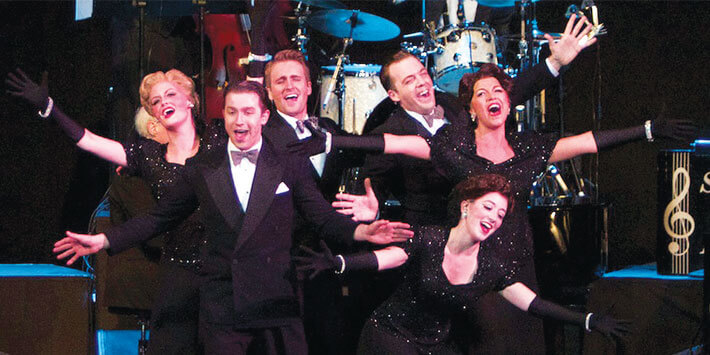
There is a moment that every true jazz lover knows. It happens somewhere between the first downbeat and the moment the horns lock in and the rhythm section finds its groove. The room shifts. The air changes. Something electric and undeniable takes over — and no matter where you are, no matter what you were doing before you pressed play, you are suddenly there. In the room. In the music. In the moment. That is exactly what The Improv Café Radio Station delivers, without exception, every single time you tune in — because every track broadcast on this station is the live version, and tonight, that experience reaches its most joyful and swinging height with the return of Swing with the Big Bands, our signature Friday night radio show.

This is not background music. This is not a playlist algorithm selecting familiar titles to fill your evening. This is a commitment — a deep, unwavering, broadcast-level commitment — to the most powerful thing live jazz has ever offered: the truth of what happened in the room when the musicians were playing. Tonight, that truth comes in the form of legendary big band performances, captured live, broadcast with full fidelity, and designed to make you do the one thing great swing music has always demanded. Move. Dance. Feel it. Let it in.

So tune in. Bop. Swing. Let these performances do what only live jazz can do — reach through your speakers, grab you by the rhythm, and carry you somewhere remarkable.

The Only Station That Only Plays Live

Before we go further, it is worth stating plainly what makes The Improv Café unlike anything else in radio: this station exists on a single, non-negotiable principle. Every song played is the live version. Not a studio approximation. Not a polished, overdubbed, carefully constructed recording engineered for sonic cleanliness. Every track — every saxophone run, every trumpet break, every bass groove and brushed snare — comes from a live performance. A real room. A real audience. A real moment in time that was captured and preserved so that you could experience it as close as possible to the way the people in the venue did when it happened.

Live Jazz. Live Big Band. Live Swing. Vocal Jazz performed live. That is the programming. That is the format. That is The Improv Café.

In a media world overrun with algorithms, artificial enhancement, and perfectly sculpted audio designed to satisfy the widest possible demographic with the least possible risk, The Improv Café takes the opposite approach. It goes deeper. It goes realer. It trusts the listener enough to give them the thing itself — not the sanitized version, not the commercially friendly edit, but the genuine, spontaneous, irreplaceable live performance, in all its stunning and sometimes breathtaking unpredictability.

You hear the room. You hear the audience react when a soloist does something unexpected. You hear the tension that builds in the bars before a climactic horn section explodes. You hear musicians talking to one another through their instruments in real time, making decisions on the fly, taking risks, and landing somewhere extraordinary. You cannot manufacture that in a studio. You cannot reproduce it with technology. It happens live, or it does not happen at all — and on The Improv Café, it happens every time you tune in.

This is why the station matters. This is why it is not just another jazz radio station. It is the only all-live jazz radio station, and it has built an audience of listeners who understand exactly what that means and why it is the only way to experience this music.

Tonight: Swing with the Big Bands — Friday Night’s Essential Radio Experience

If you are looking for the perfect way to spend a Friday evening — whether you are cooking, entertaining, dancing in your living room, or simply letting great music fill your space — tonight’s Swing with the Big Bands radio show on The Improv Café is where you want to be. This is the program that has become the heartbeat of Friday nights on the station, and it earns that distinction every single week with programming rooted in the most exhilarating live big band recordings ever captured on tape.

The show draws from the full, magnificent sweep of big band history — the soaring orchestral arrangements of the 1930s and 40s when swing was America’s popular music and every ballroom from Harlem to Hollywood was packed with dancers; the bebop-infused evolution of the 1950s when large ensembles began pushing into more complex harmonic territory; the jazz orchestra traditions that carried the sound through decades of change; and the contemporary big bands that continue to perform, tour, and record today, keeping this magnificent American art form vital, relevant, and impossible to ignore.

You will hear the titanic charts of Count Basie, where rhythm is everything and the whole thing swings from the very first note. You will hear the precision and romance of Glenn Miller, the adventurous harmonic sophistication of Duke Ellington, the thunderous drum showmanship of Gene Krupa, the silky clarinet mastery of Benny Goodman, the fiery trumpet of Harry James, and the gorgeous trombone ballads of Tommy Dorsey. These are the architects. These are the people who built the language of big band jazz and taught the world what it meant for an orchestra to truly swing.

And tonight, their music plays live. The way it was always meant to be heard.

So dance. Move. Bop along. Let the horns carry you. Let the rhythm section push you. Let the full power of a twenty-piece orchestra performing at peak live energy remind you why this music has endured for nearly a century and why it still has the power to stop a room and start a dance floor. Tune in tonight on The Improv Café, and let the Swing with the Big Bands show deliver the Friday night your ears have been waiting for.

Summer 2026 and the Big Band World Is Alive

It would be easy to frame what is happening across the big band and swing world right now as a revival. That word gets used frequently, as if the music had gone somewhere and is now returning. But here is the more accurate and more exciting truth: big band jazz and live swing never went away. They continued. They evolved. They found new audiences while maintaining the devotion of dedicated fans who never stopped showing up to hear the music live. What is happening in summer 2026 is not a revival so much as an eruption — a moment when the scale of what was always there becomes visible to a much wider audience, and the full, glorious weight of this American musical tradition announces itself with force and conviction.

From major anniversary tours to outdoor ballroom concerts, from massive multi-day festivals to intimate jazz club residencies, from the Hudson River waterfront in Manhattan to the rolling hills of upstate New York to the Midwest festival circuit — the summer of 2026 is overflowing with big band, swing, and live jazz, and The Improv Café is here to document, celebrate, and soundtrack every moment of it.

Swingtime Big Band Marks Fifty Years of Making America Dance

There are ensembles that perform and ensembles that endure. The Swingtime Big Band, led by artistic director and saxophonist Steve Shaiman, is firmly in the second category. This summer, the 20-piece band is celebrating its 50th anniversary of performing for concert audiences and ballroom dancers alike, a milestone that represents not just longevity but an unbroken commitment to a musical tradition that Shaiman has made his life’s work.

Hailed by the New York Times as musicians who make the sounds of the pre-rock era rock, and recognized by the Big Band Hall of Fame as Ambassadors of Big Band Music, Swingtime has earned every superlative it has received. The ensemble specializes in what it does better than almost anyone working today: historically precise, authentically arranged live recreations of the great swing era orchestras. When Swingtime plays a Count Basie chart, it sounds like Count Basie. When it plays Glenn Miller, you hear Glenn Miller’s America. When it plays Duke Ellington, the elegance and complexity of that singular musical mind come through with full clarity.

What makes a Swingtime Big Band performance something more than mere recreation is Shaiman himself. Between numbers, he shares the historical context of each piece — who wrote it, what it meant, how it fit into the arc of jazz history — turning a concert into something closer to an education. Audiences leave knowing more than they arrived with, and they leave having danced, because Swingtime’s live sound makes dancing not just an option but an inevitability. The band features vocalists who inhabit the classic big band vocal tradition with authenticity and joy, bringing the sounds of Ella Fitzgerald, Peggy Lee, Frank Sinatra, Dean Martin, and Nat King Cole to life alongside the soaring horn charts.

The 50th anniversary touring schedule for summer 2026 includes outdoor ballroom events where the full twenty-piece ensemble brings authentic swing to audiences who may be experiencing this music live for the first time. For many of them, it will be one of the most unexpectedly moving nights of their year. That is what Swingtime does. It opens a door into something timeless and invites everyone through.

The Compaq Big Band and the America 250 Celebration

The nation’s 250th birthday is being celebrated across the country in 2026 with events of every scale and style, and the big band world is contributing to that celebration in a way that feels entirely appropriate — because the golden era of the American big band and the mid-20th century flowering of American culture are inseparable parts of the same story.

The 19-piece Compaq Big Band has secured one of the most anticipated headline slots of the holiday season: a free outdoor concert on July 3rd — a celebration billed as the “4thEve” — at the Hopkinton Center for the Arts in Massachusetts. The event brings together a full professional orchestra and features vocalist Julia Danielle, winner of the prestigious 2022 Ella Fitzgerald Competition. That combination — the full, powerful sound of a 19-piece big band in an outdoor summer setting, paired with a vocalist of Danielle’s caliber and pedigree — promises a concert that will draw audiences from across the region and send them home having experienced exactly what a live big band in full flight can do.

Free, outdoor, and set against the backdrop of a national birthday celebration, this concert is a reminder that big band jazz has always been a democratic music. It was born in dance halls and ballrooms that were open to everyone. It was broadcast on radio into living rooms across America. It belonged to the people who danced to it, and in Hopkinton on the eve of Independence Day, it will belong to them again.


Rochester International Jazz Festival: A Nine-Day Immersion in Everything Live Jazz Offers

The Rochester International Jazz Festival — now in its 23rd edition, running from June 19 through June 27, 2026 — is one of the most impressive jazz events in North America, and this year’s edition demonstrates exactly why. Over nine days, more than 1,750 artists perform across 19 indoor and outdoor venues in downtown Rochester, New York, in a European-style festival format that allows dedicated listeners to experience multiple performances every single night across a walkable circuit of world-class spaces.

The scale is staggering: more than 300 shows, over 110 of which are completely free. Headliners at Kodak Hall at Eastman Theatre this year include Grammy-winning trumpeter Chris Botti, the legendary “Empress of Soul” Gladys Knight, and — directly in the spirit of everything The Improv Café represents — the Legendary Count Basie Orchestra, performing on the final night of the festival with the full power and precision that has defined that institution for decades.

One of the festival’s defining features is its 25-year partnership with the Eastman School of Music at the University of Rochester, one of the most respected music conservatories in the world. That partnership means that woven throughout 300 shows and across every corner of the festival’s massive programming grid are performances from Eastman students, alumni, and faculty — from the Joey Stempien Big Band featuring current students to faculty-led ensembles that showcase the depth of jazz education being pursued at the highest level. Free jazz workshops run daily during the festival at the Eastman School itself, hosted by working professionals performing at the event, offering music students of all ages direct access to some of the most knowledgeable jazz musicians currently working.

This is what a thriving jazz ecosystem looks like. Not a single event or a single venue, but an entire city given over for nine days to the full spectrum of the art form — from world-famous headliners to collegiate talent to late-night jam sessions where anything can happen and often does. The Rochester International Jazz Festival is jazz in full bloom, and it is happening right now.

The Midwest Gypsy Swing Fest and the Living Spirit of Django

While the big band tradition draws from the orchestral roots of American swing, another deeply significant branch of the live swing world draws from a different but equally compelling tradition: the Gypsy jazz pioneered by Django Reinhardt and Stéphane Grappelli in the cafés and concert halls of 1930s Europe. That tradition is alive, well, and gathering for an exceptional two-day celebration this September.

The Midwest Gypsy Swing Fest, scheduled for September 11 and 12, 2026, has released its full performance roster, and it is a remarkable lineup. The Gonzalo Bergara Trio brings the Argentinian guitarist’s extraordinary technique and deep musical personality to the Midwest stage — Bergara is among the most respected voices in contemporary Gypsy jazz, capable of playing with breathtaking speed and equally breathtaking sensitivity. The Hot Club of Baltimore, co-founded by Michael Joseph Harris, brings the full spirit of the Hot Club tradition — rhythm guitars driving in a propulsive cascade beneath a singing lead — to a performance that will remind audiences why this particular sound, once heard, is impossible to forget. The Harmonious Wail Quartet rounds out a lineup that spans the full reach of the genre, from its Parisian roots to its contemporary American expressions.

Gypsy swing is a live music tradition in perhaps the most essential sense: it grew up in places where people gathered to hear musicians play in real time, without amplification, in close proximity to the audience. The energy of a great Gypsy jazz performance is inseparable from the physical experience of being in the room, and the Midwest Gypsy Swing Fest honors that tradition by bringing it out of the headphones and into the communal space of shared live music. September 11 and 12 in the Midwest — mark the calendar.

The Lindy Hop Is Back and It Is Bringing the Whole Ballroom with It

No conversation about live big band and swing in 2026 is complete without acknowledging the extraordinary resurgence of Lindy Hop — the American vernacular jazz dance that was born in Harlem in the late 1920s and reached its cultural peak in the ballrooms of the 1930s and 40s, where it was inseparable from the big bands that provided its soundtrack. That dance form never fully disappeared, but what is happening with it now, in 2026, is something more than maintenance. It is a full-scale renaissance.

The evidence is everywhere. On May 23rd of this year, the flight deck and hangar of the Intrepid Sea, Air & Space Museum in Manhattan was transformed into one of the most spectacular swing dance events in recent memory for the Battle of the Big Bands, a collaboration between the Intrepid Museum and Prohibition Productions. Two of the finest big bands in the country went head-to-head on a massive stage set against a 3,200-square-foot wooden dance floor — on a World War II aircraft carrier commissioned in 1943, at the literal height of the Swing Era. The event celebrated America’s 250th anniversary in a way that felt historically resonant rather than nostalgic, because the music and the dancing were happening right now, alive and real, on a ship that carries the same era in its bones. Lindy hop competitions, a vintage fashion parade curated by a fashion historian, and a free beginner swing dance lesson ensured that the event was as welcoming to newcomers as it was rewarding for veterans.

That energy is flowing directly into Western & Swing Week 2026 at the Ashokan Center in upstate New York, where a legendary staff lineup is converging for one of the most beloved live-orchestra swing dance camps in the country. This year’s Lindy Hop faculty brings together a genuinely exceptional team: Nathan Bugh and Erin Morris, two of the most respected and electrifying dancers currently working in the swing world, joined by Emily Vanston and Brian Lawton. Together, they will offer a full curriculum of Lindy Hop instruction spanning every level — technique, improvisation, choreography, solo jazz, and the history that gives the movement its meaning. The camp runs with live music throughout, connecting dancers to the sound in the way that Lindy Hop was always designed to be experienced.

And the broader community is responding. Vintage dance societies are seeing enrollment increases. Social dance nights in cities across the country are drawing new participants who want to connect with something physical, communal, and rooted in real music rather than a screen. The Lindy Hop revival, if we must call it that, is being driven not by nostalgia but by the same thing that has always driven jazz and swing: the irreplaceable joy of people moving together to live music in real time.

Why Live Jazz Is the Only Jazz Worth Broadcasting

There is a broader conversation happening in the music world right now — one that The Improv Café has been having since its founding — about authenticity, about what listeners actually want, and about why the live performance experience continues to matter in an era when virtually any recorded music is available on demand at any moment.

The answer, when you listen to what audiences are doing and what the global jazz community is producing, is becoming clearer. Listeners are gravitating toward recordings that capture the unpredictability and energy of actual performance. Labels and artists are increasingly prioritizing releases made in concert halls, jazz clubs, and festival stages rather than isolating tracks in studio perfection. The impulse behind that shift is the same impulse behind a dancer showing up to a live band rather than a DJ: the understanding that something essential is present in live performance that cannot be manufactured or approximated.

The Improv Café was built on that understanding. No studio recordings. No overdubs. No synthetic enhancement. Every song played on this station comes from a stage, a club, a festival, a ballroom — from the moment when musicians were together in a room, making something happen in real time. The audience reactions you hear are real. The spontaneous extended solos are real. The moments when a musician does something unexpected and the rest of the band responds in kind — those are real, and they are among the most exciting things that live music produces.

This format — all live, all the time — positions The Improv Café not simply as a radio station but as a living archive of some of the greatest moments in jazz, big band, swing, and vocal jazz history, broadcast continuously so that listeners can encounter these performances and experience them the way they were meant to be experienced: as events, as occasions, as music that was happening somewhere and is now happening here.

The Radio Shows That Define the Experience

The Improv Café’s programming is built around a set of signature shows that collectively cover the full landscape of live jazz and swing.

Swing with the Big Bands — Fridays — is the show at the center of tonight’s celebration, and its purpose is exactly what the name promises: an immersive Friday night journey through the greatest live big band performances ever recorded. From the stomp and propulsion of Kansas City swing to the sophisticated elegance of the New York orchestra tradition, from the vocal showcases of the classic era to the instrumental fireworks of the greatest ensemble jazz ever assembled, this show puts the full power of the big band experience in your home, your car, your headphones, wherever you are. It is the reason Friday nights on The Improv Café feel like an occasion rather than background listening.

Singing with Swing — Sundays — shifts the focus to the vocal jazz tradition, spotlighting the extraordinary singers who made the voice into the ultimate jazz instrument. This is where the great ballad tradition lives, where the storytelling power of the jazz standard comes into its own, where the Sunday evening hour becomes something contemplative and beautiful.

Live at the Village Vanguard — airing on Tuesdays and Wednesdays — is an invitation to spend several hours inside one of the most significant jazz rooms ever to exist. The Village Vanguard in New York City’s Greenwich Village has been the site of more important jazz recordings than any other venue in history. The ceiling is low. The room is intimate. The acoustics are extraordinary. And on The Improv Café, listeners get multi-hour immersions into that legacy, hearing the performances that defined careers and shaped the history of the music.

Live at the Blue Note brings a different kind of energy — the Blue Note clubs around the world have hosted an astonishing range of talent across decades, and this show draws from that rich deep well to deliver another category of live jazz excellence. Together, these shows create a programming landscape that covers the full depth and breadth of what live jazz, big band, swing, and vocal performance have produced over the better part of a century.

The Broader World Is Catching Up to What The Improv Café Has Always Known

Across the globe, the conversation about live music and authentic performance is intensifying, and the conclusions being reached everywhere confirm what this station has been built on. Large ensemble jazz has found institutional support in European radio orchestras and conservatories at a level that is sustaining the infrastructure for big band performance more robustly than at any point in recent decades. Festival-centered touring is becoming the primary vehicle through which jazz reaches new audiences, and those festivals are attracting record attendance. Artists from every corner of the genre are prioritizing their live recorded output over their studio work, recognizing that the live album captures something that studio sessions cannot touch.

In Spain, ensembles are revisiting early jazz with period accuracy and modern energy. In the UK and on international showcase circuits, swing era frameworks are being used as foundational language for contemporary improvisation. Across the United States, the Lindy Hop revival is connecting new generations of dancers to the music that made the form possible in the first place — and drawing those dancers to live performances, to festivals, to events aboard aircraft carriers and at mountain retreat centers and in city ballrooms, because the dance only fully comes alive when the band is in the room.

All of this points toward The Improv Café not as an artifact of an earlier radio era, but as a station precisely in tune with where both artists and audiences are moving in 2026. The future of jazz — its broadcast future, its recorded future, its live performance future — is being built around the same thing this station was built around from the beginning: the irreplaceable power of a live performance captured and shared so that more people can hear what happened in that room.

Tune In Tonight. Be Here. Be Present. Let the Music Be Live.

The summer is in full swing — in every sense of the phrase. The Swingtime Big Band is celebrating 50 years of making audiences dance at outdoor ballrooms across the Northeast. The Compaq Big Band is bringing a 19-piece orchestra to a free July 4th Eve concert in Massachusetts, with one of the finest young vocalists in jazz leading the front line. The Rochester International Jazz Festival has transformed downtown Rochester into nine days of world-class jazz across 19 venues. The Midwest Gypsy Swing Fest is assembling an extraordinary roster for its September dates. Lindy Hop is filling dance floors from the flight deck of the Intrepid to the mountains of upstate New York.

And through all of it, The Improv Café Radio Station is here. Broadcasting live. Playing the real thing. Connecting listeners to the music as it actually happened, in the rooms where it happened, with the energy and spontaneity that only live performance can produce.

Tonight, that means Swing with the Big Bands. Legendary performances. The full roar of a great orchestra. The groove that makes everything else secondary. The sound that has been making people move since before any of us were born and will still be doing it long after the last note of this Friday night fades.

Turn it up. Find the beat. Let The Improv Café take you somewhere the algorithms can’t.

This is live jazz radio. The only kind worth listening to.

The Improv Café — Live Jazz. Live Big Band. Live Swing. All live. All the time. Every single song.

PasseportFest2

The Improv Cafe’ Celebrates a Historic Day for Live Jazz as the World’s Greatest Festivals, Landmark Recordings, and Global Artists Converge to Launch the Summer of 2026

For jazz lovers, there are certain days that feel larger than the calendar itself. Days when the world’s stages seem to come alive simultaneously, when legendary festivals throw open their gates, when new recordings arrive from some of the music’s most visionary artists, and when the international jazz community collectively turns its attention toward the celebration of live performance.

Today, June 25, 2026, is one of those days.

Across North America and beyond, the global jazz landscape is experiencing one of its most exciting moments of the year. Some of the world’s most prestigious festivals are officially underway, internationally acclaimed artists are unveiling ambitious new projects, collectors are anticipating major archival releases, and jazz publications continue documenting an art form that remains every bit as vibrant, adventurous, and inspiring as ever.

For The Improv Cafe’, where live Jazz, live Big Band, and live Swing performances are the heartbeat of every broadcast, today’s convergence of events perfectly illustrates why jazz continues to thrive across generations and around the globe.

The epicenter of today’s celebration begins in Canada.

The Festival International de Jazz de Montréal officially launches its 46th edition today, once again transforming Montréal into the live jazz capital of the world. Widely recognized as the largest jazz festival on the planet, the annual event has become far more than a music festival. It is a citywide cultural celebration that brings together internationally renowned artists, emerging performers, educators, composers, improvisers, and audiences from every corner of the globe.

Throughout the Quartier des Spectacles, stages large and small will host thousands of musicians over the coming days. Massive outdoor concerts will attract enormous crowds under the summer sky, while intimate theaters, clubs, and concert halls present performances that showcase every imaginable style of jazz. Traditional swing, bebop, avant-garde improvisation, Latin jazz, vocal jazz, fusion, soul, funk, orchestral collaborations, and experimental projects all coexist within a single festival environment.

That diversity has become one of Montréal’s defining strengths. Rather than presenting jazz as a museum piece, the festival celebrates it as a constantly evolving art form capable of embracing new ideas while honoring its remarkable history.

South of the Canadian border, another internationally respected event continues building momentum.

The Rochester International Jazz Festival moves into its seventh day with one of the week’s most anticipated performances as trumpeter Chris Botti takes the stage at Kodak Hall. Long recognized for combining extraordinary technical ability with crossover appeal, Botti has spent decades introducing new audiences to contemporary jazz while maintaining deep respect for the traditions that shaped his career.

Rochester’s continued success demonstrates how jazz festivals have become destination events in their own right. Visitors travel from across the country and around the world to experience lineups that combine legendary performers with rising stars, creating an atmosphere where discovery becomes just as important as nostalgia.

Meanwhile, New York City continues serving as one of jazz’s great cultural capitals through the annual Blue Note Jazz Festival.

Now entering its final week, the month-long celebration continues filling legendary venues with extraordinary performances that reflect the remarkable breadth of modern jazz. Performances stretch from the intimate setting of the historic Blue Note Jazz Club in Greenwich Village to larger stages throughout Manhattan, bringing together improvisers, vocalists, soul artists, funk innovators, and international performers who continue expanding jazz’s creative boundaries.

Few festivals demonstrate the modern evolution of jazz more effectively than Blue Note. Rather than limiting itself to traditional programming, the festival embraces artists whose work intersects with rhythm and blues, world music, gospel, hip-hop, electronic music, and contemporary soul. The result is a festival that remains rooted in jazz while fully embracing the genre’s ongoing evolution.

While audiences gather in concert halls and festival grounds, today’s jazz conversation also extends into the recording studio.

Few artists have commanded more attention recently than Jon Batiste.

The celebrated pianist, composer, bandleader, and multi-instrumentalist continues attracting worldwide acclaim following the release of Black Mozart, a deeply personal piano-centered project that places his extraordinary musicianship at the forefront. Long admired for his ability to bridge classical music, jazz, gospel, soul, blues, and contemporary composition, Batiste once again demonstrates that creative curiosity remains one of jazz’s greatest strengths.

His latest work reinforces an idea that has defined the careers of jazz’s greatest innovators: artistic growth never truly stops.

Another major creative statement arrives from one of today’s most compelling saxophonists.

Six-time Grammy nominee Lakecia Benjamin continues making headlines with the release of We Dream, an ambitious recording that pushes contemporary jazz into exciting new territory. Combining cinematic orchestration, fearless improvisation, and remarkable collaborations with Terence Blanchard, Chris Potter, and Hiromi, the project showcases an artist operating at the height of her creative powers.

Benjamin has become one of the defining voices of modern jazz by refusing to recognize artificial stylistic boundaries. Her work embraces straight-ahead jazz, funk, soul, hip-hop, spiritual jazz, and contemporary composition without ever losing its identity. The result is music that feels adventurous while remaining deeply connected to jazz’s improvisational traditions.

Collectors and historians also have reason to celebrate this week.

Tomorrow brings the arrival of a remarkable archival release from Culture Factory USA, pairing rare live performances by the Steve Grossman Quartet alongside the Michel Petrucciani Quartet. Releases of this nature occupy a special place within jazz culture because they preserve moments that might otherwise have remained inaccessible to future generations.

Live recordings have always represented the purest expression of jazz.

Unlike carefully constructed studio sessions, live performances capture spontaneous interaction, creative risk, audience energy, and the subtle conversations that unfold between musicians during improvisation. Every recovered performance expands the historical record while reminding listeners that jazz reaches its highest form in front of an audience.

The conversation surrounding jazz extends well beyond concerts and recordings.

The latest issue of Jazzwise continues documenting the remarkable evolution of the genre through an extensive feature examining guitarist Pat Metheny. Few musicians have demonstrated greater consistency over multiple decades than Metheny, whose work has continually balanced technical brilliance with emotional accessibility.

His ongoing touring innovations, creative collaborations, and evolving approach to performance illustrate why jazz remains one of the world’s most intellectually adventurous musical forms. Rather than repeating established formulas, artists such as Metheny continue searching for new sounds, new technologies, and new methods of connecting with audiences.

That willingness to innovate has become increasingly important as digital technology reshapes how listeners experience live music.

Streaming platforms, concert archives, on-demand performances, and high-definition broadcasts have expanded access to jazz in unprecedented ways. While nothing can replace the experience of hearing live music inside a club or concert hall, these technologies allow audiences around the world to discover artists, performances, and festivals that might otherwise remain beyond their reach.

Rather than replacing live performance, these platforms have become valuable gateways that encourage new listeners to explore jazz more deeply.

Taken together, today’s developments reveal an international jazz community operating with remarkable confidence and creative momentum.

The international jazz community has reached one of its most vibrant moments of the year as the arrival of late June brings the simultaneous launch of many of the world’s most prestigious festivals, a wave of important new recordings, and renewed attention to some of the genre’s most influential artists. Rather than existing as isolated events, these developments collectively demonstrate the remarkable health of live jazz on a global scale. From Montréal to Manhattan, from legendary concert halls to intimate clubs, audiences are gathering to experience music that continues evolving while remaining deeply connected to the improvisational traditions that have defined jazz for more than a century. For listeners of The Improv Cafe’, where every broadcast celebrates live Jazz, live Big Band, and live Swing performances, this extraordinary convergence of activity serves as a reminder that jazz remains one of the world’s most dynamic art forms, thriving through performance, collaboration, and the irreplaceable chemistry between musicians and audiences.

6ab1c1a0643b8fa0e6e251568ff3

The Big Band Revival Is Real: How Large Jazz Ensembles Are Driving a New Era of Live Music, Education, and Cultural Preservation

For decades, critics have periodically declared big band music a relic of another era. They have predicted that the economics of touring with large ensembles, changing audience tastes, and the rise of digital music would eventually push the tradition into history. Yet every few years the music proves those predictions wrong. In 2026, the evidence is becoming impossible to ignore. Big band jazz is not simply surviving—it is evolving, expanding, and finding new audiences around the world.

From ambitious new recordings and international festival appearances to educational initiatives and local concert series, large jazz ensembles are experiencing a creative resurgence that is helping preserve one of the most important musical traditions ever developed. While the names and faces may change from generation to generation, the power of twenty musicians sharing a stage and creating a wall of sound remains as compelling as ever.

The current moment reflects something larger than nostalgia. Today’s big band artists are not merely recreating the sounds of the past. They are using the format as a platform for new compositions, contemporary arrangements, and ambitious musical experimentation that would be impossible within smaller groups. The result is a vibrant scene that honors tradition while simultaneously pushing the genre forward.

One of the most anticipated releases on the horizon arrives this summer with the announcement of a major new live recording from acclaimed composer and arranger Ayn Inserto. Scheduled for release in August, the project captures a live performance with the internationally respected WDR Big Band in Cologne and features an expansive new commissioned suite written specifically for celebrated trumpeter Sean Jones.

The significance of projects like this extends far beyond a single album release. Large-scale contemporary compositions require immense collaboration, rehearsal, and musical precision. They demonstrate that big bands continue to function as living creative laboratories where composers can explore complex ideas on a grand scale. Rather than relying solely on established standards, modern writers are expanding the repertoire and ensuring that the format remains artistically relevant.

The international big band community also recently marked another milestone with the launch of the first digital edition of Big Band Magazine. Dedicated exclusively to large ensemble jazz, the publication provides a central hub for recordings, arranging techniques, industry developments, educational opportunities, and artist profiles.

The arrival of a publication devoted entirely to big band music signals something important about the health of the genre. Specialized media outlets typically emerge when communities become active enough to support dedicated coverage. The magazine’s debut reflects growing interest among musicians, educators, students, arrangers, and audiences seeking deeper engagement with the evolving world of large ensemble jazz.

Live performance remains the heartbeat of the movement, and few groups embody that better than the legendary Mingus Big Band. Continuing the legacy of Charles Mingus while introducing the music to new generations, the ensemble has launched its latest residency series, bringing weekly performances to audiences throughout the summer.

Residencies play an increasingly important role in sustaining jazz culture. They provide musicians with opportunities to develop material over time, allow audiences to experience the music regularly, and help create community around live performance. In an era dominated by streaming platforms and digital consumption, recurring live events remind listeners that jazz remains fundamentally a shared experience between artists and audiences.

Across the broader festival circuit, large ensembles continue attracting significant attention. International Jazz Day celebrations showcased powerful performances by university and professional big bands, while major festivals increasingly include large orchestral jazz projects alongside traditional small-group performances. These appearances expose new audiences to the unique excitement that only a full jazz orchestra can deliver.

Unlike many forms of contemporary entertainment, big band music requires genuine collaboration on a remarkable scale. Every section must function as part of a larger whole. Trumpets, trombones, saxophones, rhythm sections, featured soloists, arrangers, and conductors all contribute to a musical ecosystem where success depends on collective excellence. In a cultural landscape often focused on individual achievement, the big band remains a powerful example of teamwork, discipline, and shared artistic purpose.

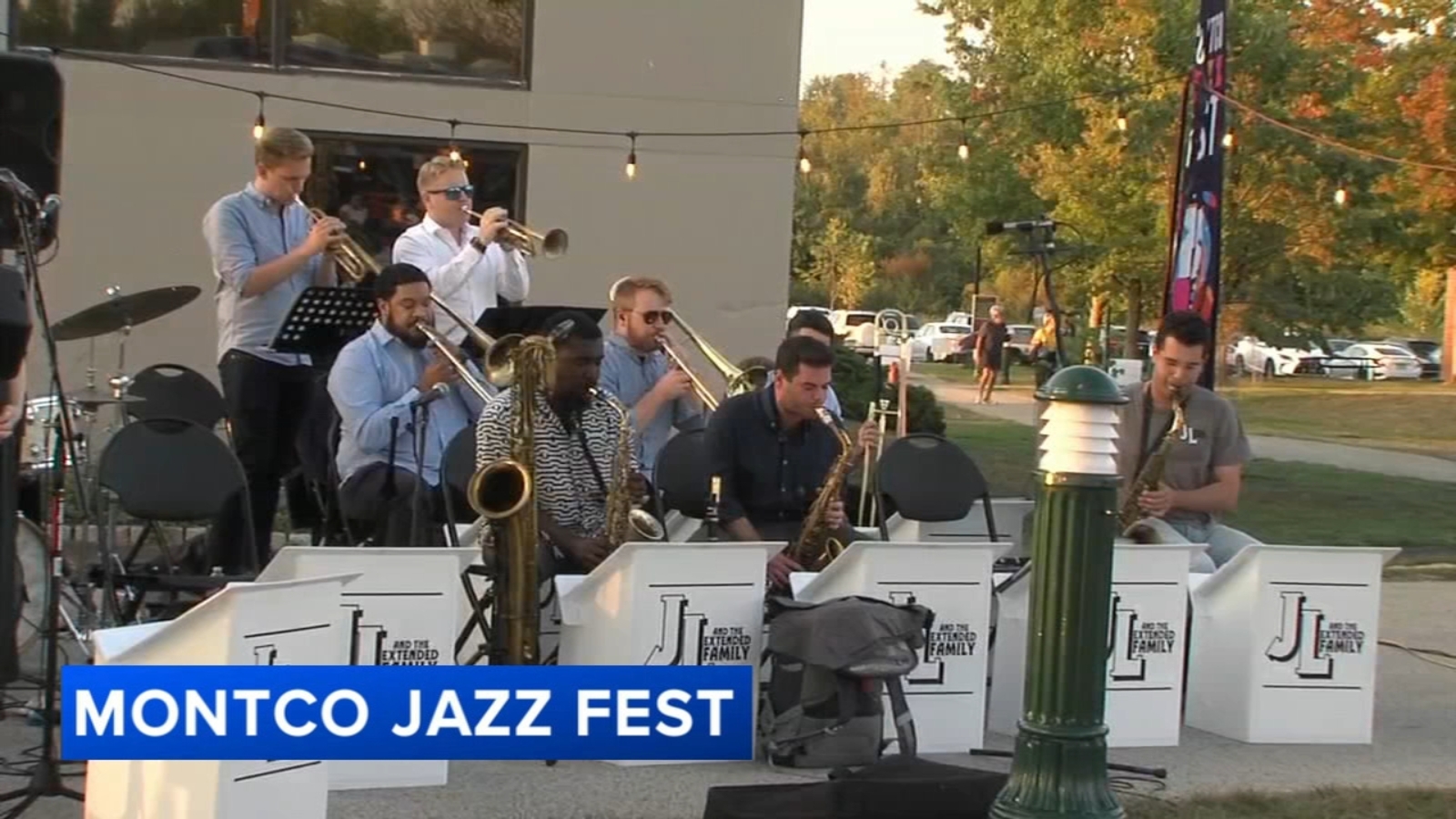
The resurgence is particularly noticeable at the local and regional levels, where community bands, educational programs, and independent ensembles continue introducing audiences to the format. Throughout the summer, listeners across the Philadelphia and South Jersey region will have opportunities to experience large ensemble performances firsthand.

Outdoor concerts celebrating America’s 250th anniversary will bring the sounds of full jazz orchestras into public spaces, creating opportunities for audiences who may never have attended a traditional jazz club performance. These community events help bridge generations, introducing younger listeners to a style of music that continues influencing countless genres more than a century after its origins.

Meanwhile, regional artists continue proving that big band music remains adaptable and accessible. Performances blending traditional swing influences with soul, blues, funk, and contemporary jazz elements demonstrate the genre’s ability to evolve without losing its identity. The result is music that feels simultaneously timeless and current.

The educational impact of the big band movement should not be overlooked. School programs, university ensembles, youth orchestras, and community workshops continue producing the next generation of musicians, composers, and arrangers. For countless students, participation in a big band serves as an introduction not only to jazz but also to discipline, teamwork, listening skills, and creative expression.

These educational pathways are essential for the future of the art form. Every established professional musician once sat in a rehearsal room learning how to blend with a section, interpret an arrangement, and contribute to a larger ensemble. Today’s students become tomorrow’s composers, educators, performers, and advocates.

The continued growth of big band culture also speaks to a broader truth about live music itself. Audiences increasingly seek experiences that cannot be replicated through algorithms or playlists. There is something uniquely powerful about hearing a full brass section erupt in harmony, watching a featured soloist improvise in real time, or feeling the collective energy of a large ensemble performing together.

At Sustainable Action Now, conversations about sustainability often focus on environmental stewardship, community resilience, and protecting resources for future generations. Cultural preservation deserves a place within that discussion as well. Music traditions, artistic institutions, educational programs, and creative communities all represent forms of cultural sustainability that enrich society and connect generations.

The ongoing revival of big band jazz demonstrates what happens when communities choose to invest in artistic traditions rather than abandon them. Through recordings, live performances, education, and innovation, musicians around the world are ensuring that this remarkable art form remains vibrant and relevant.

As new albums arrive, summer festivals fill their schedules, and audiences gather to experience the power of live large-ensemble performance, one thing becomes increasingly clear. The big band was never fading away. It was simply preparing for its next chapter.

And judging by the momentum building across the global jazz landscape, that chapter may prove to be one of its most exciting yet.

LMHEwideoutsiderendering-ezgif.com-webp-to-jpg-converter

The Improv Cafe’ Explores the Future of Swing Music as Historic Preservation, Live Performance, and Emerging Technology Converge to Celebrate America’s Great Big Band Legacy

xxl_tmr-campaign-gallery-carousel-bluenote-concert-stage

Summer as Newport, Montreal, Montreux, Blue Note, and the Village Vanguard Showcase the Future of Live Music

There are summers that simply add another chapter to jazz history, and then there are summers that feel as though the entire global jazz community has collectively decided to accelerate forward at once. The summer of 2026 is quickly proving to be one of those rare moments. Across North America and Europe, legendary festivals are unveiling ambitious lineups, historic venues are presenting extraordinary residencies, newly recovered archival recordings are reshaping conversations about jazz history, and a new generation of artists is stepping confidently onto the world’s biggest stages.

For listeners of The Improv Cafe’, where live Jazz, live Big Band, and live Swing performances remain at the center of everything we do, the current landscape offers a powerful reminder that jazz continues to thrive not because it stands still, but because it never stops evolving.

Perhaps no event better symbolizes that spirit of evolution than the Newport Jazz Festival. Entering its seventy-second edition, Newport remains one of the most respected names in music, a festival whose history stretches back to the very foundations of modern jazz culture. This year marks the beginning of a significant new era as acclaimed drummer, composer, and producer Nate Smith assumes the role of Artistic Director.

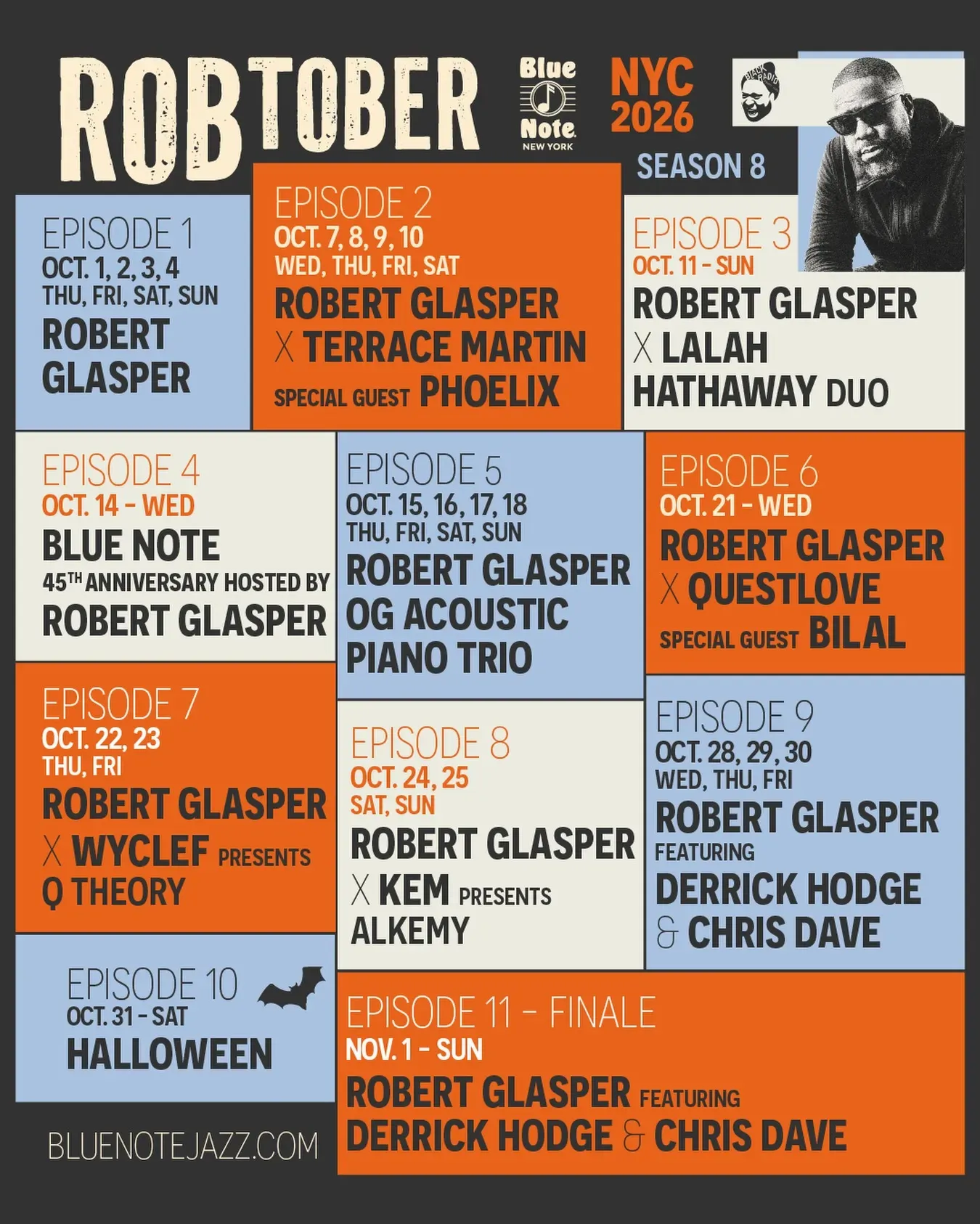
The appointment signals more than a leadership transition. It represents a commitment to preserving Newport’s rich heritage while embracing the future of the music. The 2026 lineup reflects that philosophy perfectly. Legendary artists share billing with contemporary innovators, while genre boundaries continue dissolving in favor of artistic excellence. Performers such as Herbie Hancock, Jon Batiste, Robert Glasper, Thundercat, and Vulfpeck represent vastly different musical perspectives, yet all embody the creative spirit that has always defined jazz at its best.

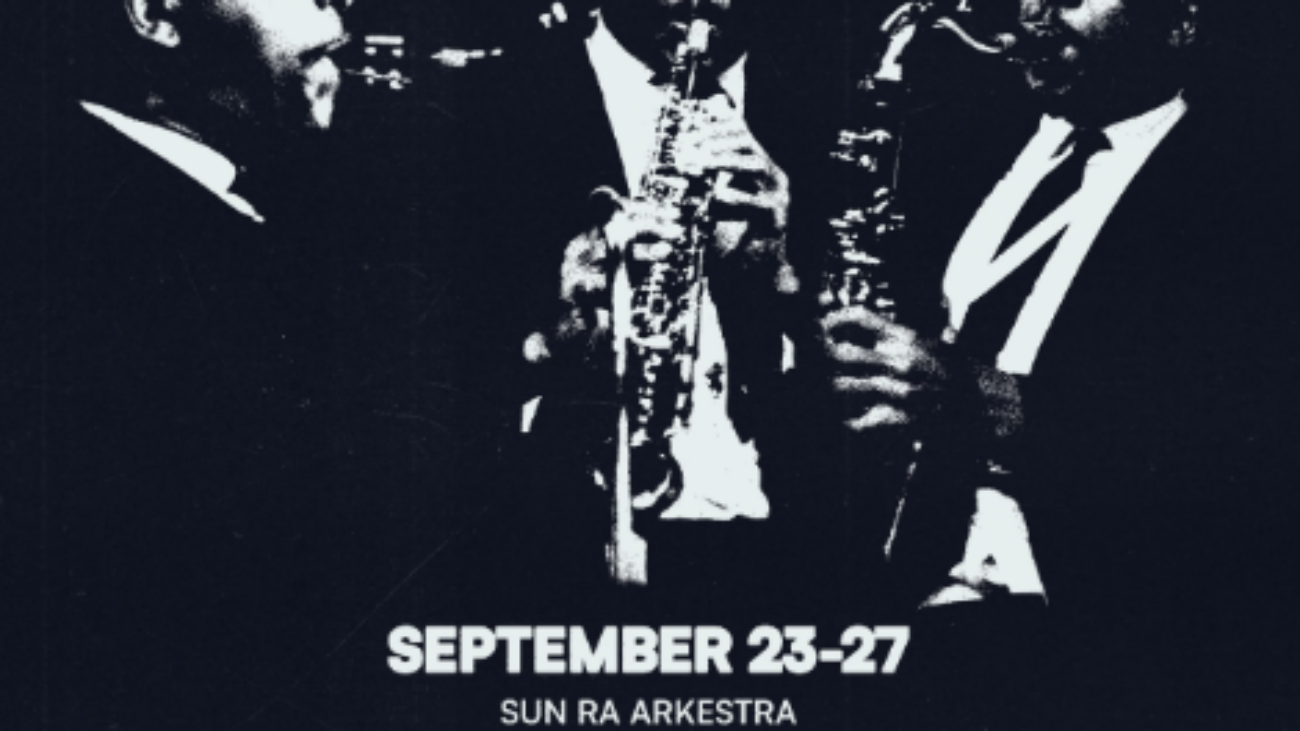
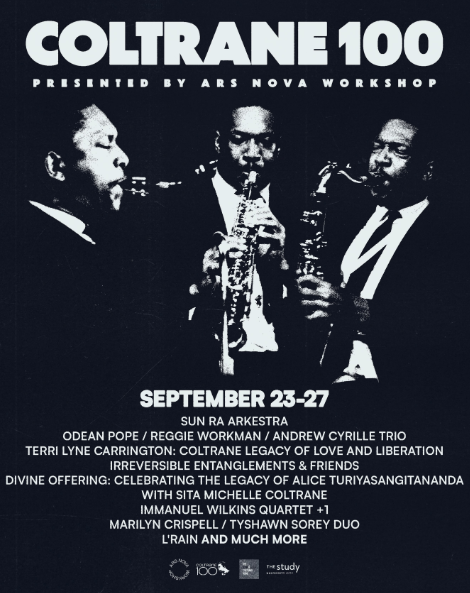
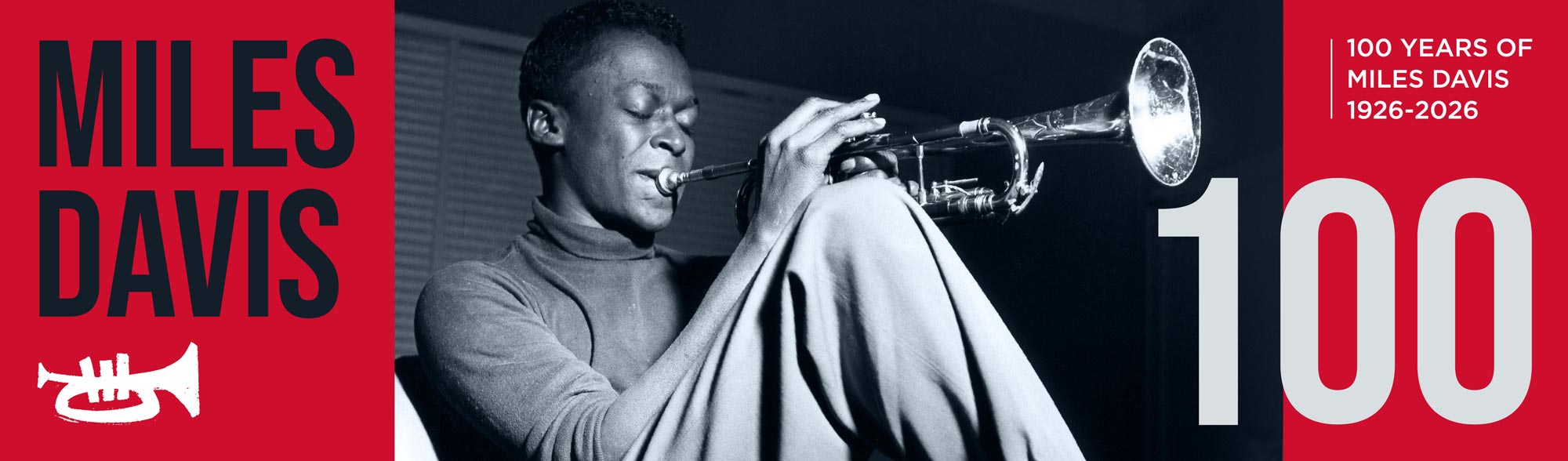
At the center of Newport’s programming this year is a celebration that extends well beyond Rhode Island. The upcoming centennial anniversaries of Miles Davis and John Coltrane are inspiring major performances throughout the jazz world, and Newport’s tribute promises to be among the most significant. Curated by Kamasi Washington and Chief Adjuah, the event brings together artists from multiple generations to honor two musicians whose influence remains impossible to measure fully. Davis and Coltrane continue shaping everything from straight-ahead jazz and fusion to hip-hop, contemporary classical composition, and experimental improvisation. Their centennials are not simply commemorations of the past; they are celebrations of ideas that continue driving music forward.

While Newport looks ahead through its centennial tributes, Montreal is simultaneously reminding audiences why it remains one of the most important jazz destinations on the planet.

The Festival International de Jazz de Montréal returns for its forty-sixth edition with a lineup that once again transforms an entire city into a living celebration of music. For ten days, Montreal becomes the global center of jazz culture, attracting artists and audiences from around the world. The festival’s unique ability to blend free outdoor performances, intimate club shows, educational programming, and headline events has made it one of the most influential cultural gatherings anywhere.

This year’s additions only strengthen that reputation. Kamasi Washington and MonoNeon bring their distinct creative voices to a lineup already packed with major talent. Diana Krall, Lionel Richie, Earth, Wind & Fire, and St. Vincent further demonstrate the festival’s commitment to showcasing music that exists at the intersection of jazz, soul, pop, improvisation, and artistic exploration.

Yet one of Montreal’s most anticipated events may not involve a live performance at all.

The festival’s educational division will host a world-exclusive presentation of newly recovered John Coltrane recordings known as The Tiberi Tapes. In a year already defined by centennial celebrations, the opportunity to hear previously unreleased Coltrane material offers jazz enthusiasts something increasingly rare: the chance to experience new discoveries from one of the most important artists in the history of the genre. Such moments remind listeners that jazz history remains alive, constantly revealing new stories and perspectives decades after the original performances occurred.

Across the Atlantic, another iconic institution is preparing for a milestone of its own.

The Montreux Jazz Festival reaches its sixtieth anniversary this summer, reaffirming its position as one of Europe’s premier cultural events. Situated along the shores of Lake Geneva, Montreux has spent decades building a reputation that extends far beyond jazz. Its stages have welcomed legends from virtually every corner of the musical world, creating a legacy unlike any other festival.

This year’s anniversary celebration carries added significance because performances are returning to the Auditorium Stravinski following extensive renovations. The venue has hosted countless historic concerts, and its reopening represents an important moment for artists and audiences alike. The anniversary lineup reflects the festival’s uniquely expansive vision, pairing jazz masters such as Marcus Miller, Gregory Porter, Charles Lloyd, and Billy Cobham with globally recognized artists from outside the traditional jazz sphere.

That willingness to embrace artistic diversity has become a defining characteristic of modern jazz festivals. Today’s audiences no longer see strict genre boundaries as barriers. Instead, they seek authenticity, musicianship, and creativity wherever they can find it.

That same philosophy can be found at the center of the rapidly expanding Blue Note Jazz Festival.

What began as a New York institution has evolved into one of the most influential jazz brands in the world. The 2026 Blue Note Jazz Festival continues its month-long celebration across New York City while simultaneously expanding its reach through major events on the West Coast.

The New York schedule remains a showcase of artistic excellence. Brian Blade and The Fellowship Band continue their reputation for transcendent live performances, while the legendary vocal ensemble Take 6 demonstrates why they remain one of the most respected groups in contemporary music. Throughout the month, festival audiences will encounter a remarkable range of performers, each contributing to the broader story of jazz’s continuing evolution.

Meanwhile, the Blue Note Jazz Festival at the Hollywood Bowl highlights the growing national footprint of the organization. Artists such as Wyclef Jean, Robert Glasper, Terrace Martin, Yussef Dayes, Patti LaBelle, Gregory Porter, and Samara Joy illustrate how contemporary jazz festivals are increasingly serving as meeting points between multiple musical traditions.

Perhaps the most intriguing development within the Blue Note universe is occurring in Los Angeles itself.

Following its successful launch, Blue Note Los Angeles continues attracting high-profile artists through a programming strategy that blends jazz culture with broader contemporary music. Upcoming appearances by Jill Scott, Lizzo, and Nick Jonas demonstrate the venue’s willingness to think beyond traditional expectations while maintaining the intimacy that has always defined the Blue Note experience.

While festivals continue expanding and new venues emerge, one institution remains a constant symbol of jazz tradition.

Deep beneath the streets of Greenwich Village, the Village Vanguard continues doing what it has done for generations: presenting extraordinary music in one of the most revered rooms in the world.

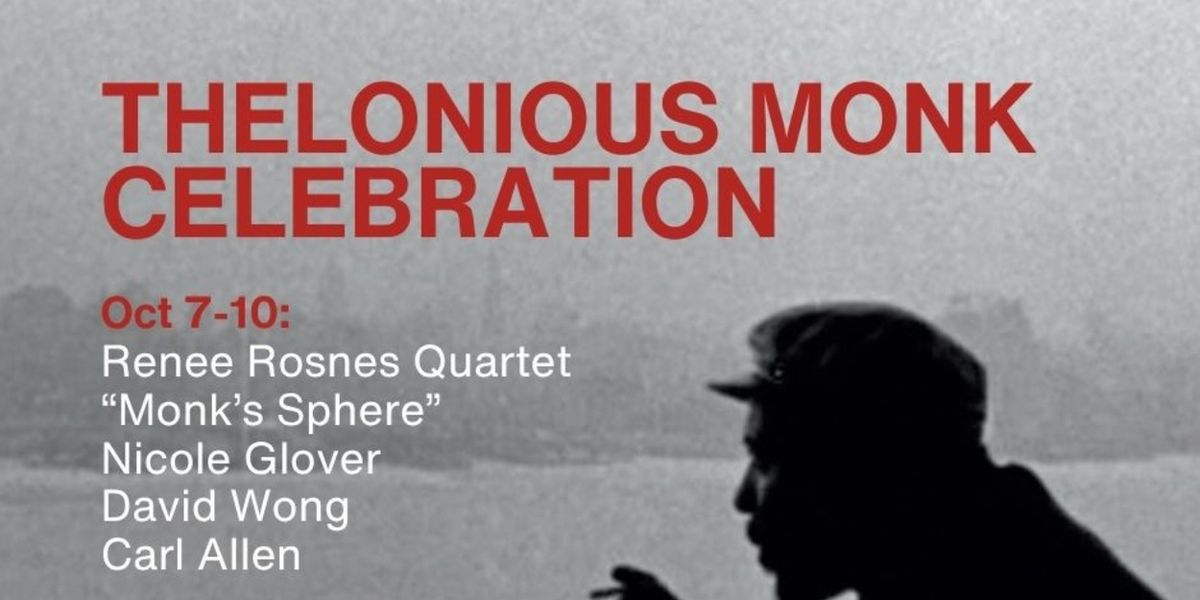
The Vanguard’s summer calendar is a reminder of why the venue remains sacred ground for musicians and fans alike. Pianists Renee Rosnes and Fred Hersch, drummer Johnathan Blake, and saxophonist James Brandon Lewis all headline extended residencies, allowing audiences to experience artists over multiple nights rather than single performances. This format has always been central to jazz culture, providing musicians the freedom to develop ideas and audiences the opportunity to witness artistic growth in real time.

No discussion of the Village Vanguard would be complete without acknowledging the Vanguard Jazz Orchestra. Every Monday night, the ensemble continues a tradition that has endured for more than sixty years. Few recurring events in music possess such historical significance. The orchestra’s weekly performances stand as a living connection between generations of musicians, preserving the spirit of big band jazz while continually introducing it to new audiences.

The Vanguard’s influence extends far beyond its famous basement stage. Earlier this year, the club received international attention through a major cultural profile examining its role in advancing artistic freedom, social progress, and cultural exchange throughout its history. The recognition reinforced what jazz fans have known for decades: the Village Vanguard is more than a venue. It is an institution.

Taken together, the developments unfolding across Newport, Montreal, Montreux, Blue Note, and the Village Vanguard reveal a global jazz community operating with remarkable confidence and momentum. Festivals are expanding. Historic venues are thriving. New artistic leaders are emerging. Long-forgotten recordings are resurfacing. Major anniversaries are inspiring reflection while simultaneously pointing toward the future.

Most importantly, audiences continue showing up.

That fact alone may be the most encouraging sign of all. In an era increasingly dominated by digital distractions and shortened attention spans, listeners continue seeking the unique experience that only live jazz can provide. They continue filling concert halls, clubs, outdoor festivals, and theaters. They continue supporting artists committed to creativity, improvisation, and artistic risk.

For The Improv Cafe’, that enduring commitment to live performance remains at the center of everything we celebrate. Whether the music is coming from Newport’s festival grounds, Montreal’s bustling streets, Montreux’s lakeside stages, the intimate rooms of Blue Note, or the legendary basement of the Village Vanguard, the message remains the same.

Live jazz is not merely preserving its past.

It is actively creating its future.

And this summer, the entire world is listening.

The-Rooftop-at-Pier-17-concert

The Improv Cafe’ Celebrates the Summer Surge of Live Jazz as Festivals, Landmark Performances, New Releases, and Community Concert Series Fuel a New Season of Musical Discovery

Every summer brings its own rhythm to the jazz world. The clubs become busier, outdoor stages come alive, festivals expand across city blocks and waterfronts, and audiences emerge eager to reconnect with live music after months spent indoors. Yet some summers feel larger than others. Some seasons arrive carrying a particular momentum that signals not simply another year of performances but a broader cultural moment where jazz once again demonstrates its enduring relevance and remarkable ability to evolve.

The summer of 2026 is shaping up to be one of those moments.

Across major international festivals, legendary radio broadcasts, celebrated recording projects, community concert series, waterfront stages, intimate supper clubs, and regional music venues, live jazz is enjoying an extraordinary period of visibility. Established masters continue pushing artistic boundaries while younger performers bring fresh perspectives to the genre. Outdoor festivals are attracting larger audiences, local concert series are expanding their programming, and listeners are increasingly seeking the authenticity that only live performance can provide.

For The Improv Cafe’, the radio station devoted entirely to live Jazz, live Big Band, and live Swing, these developments represent everything that makes the genre special. Jazz has always thrived through human interaction, spontaneous creativity, and the energy generated when musicians and audiences share the same space. It is a music built on conversation rather than perfection, exploration rather than repetition, and community rather than isolation.

That spirit is visible throughout this year’s live jazz landscape.

One of the most anticipated events of the season continues to be the annual Blue Note Jazz Festival, a celebration that has grown into one of the premier showcases for contemporary jazz, soul, brass music, improvisation, and cross-genre collaboration. The festival has become a defining event on the national calendar by consistently presenting artists who represent both the rich history of jazz and its continually evolving future.

This year’s programming once again demonstrates that commitment.

Among the standout performances is a special multi-night engagement by the legendary Dirty Dozen Brass Band. Few ensembles have done more to expand public awareness of New Orleans brass traditions while simultaneously modernizing them for contemporary audiences. For decades, the group has blended jazz, funk, R&B, soul, and traditional brass band influences into a sound that remains uniquely their own. Their performances have become celebrations of rhythm, culture, and musical heritage, demonstrating the remarkable adaptability of jazz-rooted traditions.

The festival schedule also includes appearances from powerhouse vocalist Ledisi and acclaimed drummer Brian Blade with The Fellowship Band, artists who represent two distinct but equally compelling perspectives on modern jazz performance. Ledisi’s remarkable vocal range and emotional depth continue earning her recognition across multiple musical genres, while Blade remains one of the most respected drummers and bandleaders working today. Together, their appearances reinforce the festival’s reputation for presenting performances that combine artistic excellence with broad audience appeal.

While festival stages continue drawing attention, the recording world is also generating significant excitement through the arrival of major new releases from artists who continue shaping the future of the music.

Among the most discussed projects of the year is pianist Helen Sung’s ambitious new album Oracles. Widely praised for its sophisticated compositional approach and remarkable rhythmic complexity, the recording serves as both a celebration of jazz history and a statement about the genre’s future possibilities.

What makes the project particularly compelling is its ability to honor legendary figures while remaining entirely contemporary. The album incorporates tributes to towering figures such as Wayne Shorter, Ron Carter, and Clark Terry, yet it avoids becoming merely retrospective. Instead, Sung uses those influences as creative foundations for her own artistic voice, producing music that feels simultaneously respectful of tradition and boldly forward-looking.

The album’s intricate rhythmic structures and imaginative arrangements have sparked widespread discussion among musicians and critics alike, reinforcing Sung’s reputation as one of the most inventive pianists working in modern jazz. Projects like Oracles remind listeners that jazz remains an endlessly expandable art form, capable of honoring its past while constantly generating new ideas.

The same spirit of innovation can be found in the work of saxophonist Immanuel Wilkins, whose recent live performances continue generating enthusiasm throughout the jazz community.

Wilkins has emerged as one of the defining voices of his generation, combining technical mastery with a fearless commitment to emotional expression. His recent appearance on NPR’s jazz programming platforms has introduced wider audiences to the intensity and sophistication of his music, highlighting a catalog that blends contemporary influences with deep respect for jazz’s improvisational traditions.

What distinguishes Wilkins is not merely his extraordinary musicianship but his ability to communicate urgency and purpose through every performance. His live work demonstrates how younger artists are continuing to expand the language of jazz without abandoning the core principles that have always defined the music. The result is a sound that feels both contemporary and timeless, innovative yet deeply connected to the traditions that inspired it.

As important as national headlines and international festivals may be, jazz has always drawn much of its strength from local communities and regional performance spaces.

That reality becomes especially clear during the summer months, when parks, waterfronts, outdoor amphitheaters, and neighborhood gathering places transform into live music destinations.

One of the season’s most anticipated regional events arrives with the Sunset Jazz Series at Wiggins Waterfront Park. Set against one of the area’s most scenic backdrops, the series continues building a reputation for bringing nationally recognized talent to audiences seeking high-quality outdoor entertainment.

This year’s highlight performance features Pieces of a Dream, one of the most enduring and respected ensembles in contemporary jazz. Known for their energetic blend of jazz, funk, R&B, and sophisticated grooves, the group has maintained a loyal following for decades while continuing to attract new listeners through their dynamic live performances.

The band’s appearance promises to deliver exactly the kind of open-air summer experience that has become synonymous with great jazz festivals: exceptional musicianship, vibrant audience energy, and music designed to bring communities together.

Father’s Day weekend will also provide jazz enthusiasts with an opportunity to enjoy a more intimate performance experience.

The V. Shayne Frederick Trio is preparing a special family-friendly appearance that combines elegant musicianship with the welcoming atmosphere that has long defined great jazz gatherings. Frederick’s talents as both a pianist and vocalist allow him to move effortlessly between standards, contemporary material, and audience favorites, creating performances that feel both sophisticated and accessible.

Events like these demonstrate an often-overlooked truth about jazz. While the genre can certainly thrive in concert halls and major festivals, it remains equally powerful in smaller settings where audiences can experience the music up close and connect directly with performers.

Regional venues are also playing a vital role in sustaining year-round jazz culture.

Wilson’s Restaurant & Live Music Lounge continues strengthening its reputation as an important destination for live entertainment, hosting an impressive lineup that bridges jazz, R&B, soul, and contemporary adult music. Upcoming appearances by Christopher Williams and smooth jazz icon Walter Beasley highlight the venue’s commitment to presenting artists who have built lasting connections with audiences over multiple decades.

Beasley, in particular, remains one of the most recognizable and respected names in contemporary jazz saxophone. His ability to combine technical sophistication with melodic accessibility has made him a favorite among jazz audiences worldwide. Performances of this caliber help reinforce the importance of regional venues in supporting live music ecosystems beyond major metropolitan markets.

Taken together, these festivals, concerts, recordings, and performances reveal a jazz community operating with tremendous vitality. The genre continues evolving while remaining rooted in the principles that have sustained it for generations. Artists are finding new ways to communicate, audiences are discovering new voices, and communities are embracing opportunities to experience music together.

For The Improv Cafe’, that vitality is reflected every day through the station’s commitment to showcasing live Jazz, live Big Band, and live Swing performances from around the world. Every broadcast serves as a reminder that the true power of jazz lies not simply in composition or technical skill but in the spontaneous moments that occur when musicians gather to create something unique.

As summer unfolds and stages come alive across the country and around the globe, the message becomes increasingly clear. Live jazz is not simply preserving a tradition. It is actively shaping the future of music.

And for listeners who believe that great performances are meant to be experienced in the moment, there has rarely been a better season to tune in.

download

The Improv Cafe’ Celebrates a Global Summer of Live Jazz as Legendary Festivals, Historic Concert Films, and International Performances Showcase the Art Form at Its Highest Level

There are moments when the international jazz community appears to move in perfect synchronization, with artists, festivals, clubs, orchestras, educators, and audiences collectively contributing to a larger story unfolding across continents. The summer of 2026 is proving to be one of those moments. From the streets of Montréal to the concert halls of Europe, from innovative orchestral premieres in the United States to destination festivals overlooking the Caribbean, live jazz is enjoying an extraordinary period of visibility, artistic ambition, and global reach.

For listeners of The Improv Cafe’, a radio station dedicated exclusively to live Jazz, live Big Band, and live Swing performances, this resurgence serves as a powerful reminder that jazz continues to thrive where it has always been strongest: on stage, in front of audiences, in real time. While studio recordings remain important historical documents, the heart of jazz has always been found in live performance. It is where improvisation becomes conversation, where compositions evolve beyond their original form, and where musicians discover new possibilities in familiar material.

That spirit is evident throughout the international festival calendar this summer, beginning with one of the most important annual gatherings in the entire jazz world.

The Festival International de Jazz de Montréal once again prepares to transform an entire city into a celebration of music, creativity, and cultural exchange. Entering its 46th year, the legendary event remains one of the largest and most influential jazz festivals on the planet. For ten days, Montréal’s Quartier des Spectacles becomes a living showcase for the global jazz community, featuring an extraordinary combination of intimate indoor performances, major theater productions, emerging artists, internationally renowned headliners, and hundreds of free outdoor concerts that bring music directly into the streets.

What makes Montréal particularly significant is its ability to unite every corner of the jazz spectrum. Traditionalists, avant-garde innovators, big band leaders, vocalists, fusion artists, and contemporary improvisers all share the same citywide stage. The result is an environment where jazz feels less like a genre and more like an ecosystem. Visitors arrive expecting performances and leave immersed in a cultural experience that demonstrates the remarkable diversity of modern jazz.

The festival also highlights one of the genre’s greatest strengths: accessibility. By presenting hundreds of free performances alongside major ticketed events, Montréal continues proving that world-class jazz can be both artistically ambitious and publicly accessible. It is a model that many festivals around the world continue to study and emulate.

Meanwhile, another significant development is bringing one of jazz’s most enduring legacies into the digital age.

The worldwide streaming release of Unlimited Miles: Live From Blue Note Tokyo represents a fascinating intersection between tradition and innovation. Captured at one of the world’s most respected jazz venues, the concert film offers a bold contemporary interpretation of the music of Miles Davis, one of the most influential figures in the history of modern music.

Rather than treating Davis’ catalog as museum material, the production embraces the spirit of reinvention that defined his entire career. Under the direction of acclaimed pianist, composer, and arranger John Beasley, familiar themes become launch points for fresh exploration, reflecting the same restless creative energy that made Davis a transformative force throughout multiple decades of jazz history.

The setting itself adds further significance. Blue Note Tokyo has become one of the premier destinations for live jazz internationally, attracting elite performers from around the world while cultivating one of the most dedicated jazz audiences anywhere. The release allows global audiences to experience the energy of that room while reaffirming the continuing relevance of live jazz performance in an increasingly digital world.

Across the Atlantic, another cornerstone of the international jazz calendar continues preparing for a remarkable summer season.

Jazz in Marciac, nestled within the picturesque countryside of southwestern France, has long occupied a unique position among the world’s great festivals. Unlike urban festivals that spread across sprawling city centers, Marciac offers a more intimate atmosphere where audiences gather within a charming rural setting while enjoying performances from some of the most celebrated artists in music.

The festival’s 47th edition continues that tradition with a lineup that reflects the breadth and sophistication of contemporary jazz. Artists such as Herbie Hancock, Melody Gardot, Gregory Porter, and Robert Plant represent distinct musical traditions, yet all share a commitment to artistic excellence and live performance. The festival’s combination of masterclasses, educational programming, and evening concerts creates an environment where audiences can deepen their appreciation for the music while witnessing extraordinary performances under the summer sky.

The inclusion of artists whose careers extend beyond conventional jazz boundaries also reflects an important reality about modern audiences. Today’s listeners increasingly embrace musical exploration, moving comfortably between jazz, blues, soul, folk, and contemporary improvisation. Festivals like Marciac recognize that artistic quality, rather than rigid genre definitions, is what ultimately draws audiences together.

That same philosophy can be found within Europe’s thriving club scene.

While major festivals often capture headlines, jazz clubs remain the lifeblood of the music. They provide the intimate settings where musicians experiment, develop new material, and build direct relationships with audiences. Throughout the United Kingdom, critics and programmers continue highlighting a new generation of performers making significant contributions to the live jazz landscape.

Vocalist Becca Wilkins continues attracting attention through performances that blend technical sophistication with contemporary interpretation, while trumpeter Grifton Forbes-Amos prepares for a highly anticipated residency at London’s historic Vortex Jazz Club. Venues like the Vortex have played an essential role in sustaining adventurous jazz performance for decades, providing a platform where innovation remains not only welcome but expected.

These club environments preserve an essential element of jazz culture. Long before major festivals and international broadcasts, jazz flourished in intimate rooms where musicians could take risks, stretch compositions, and interact directly with listeners. That tradition remains as vital today as it was generations ago.

Back in the United States, the summer festival season continues showcasing the enduring popularity of live jazz across diverse audiences and regions.

The Elmhurst June Jazz Festival celebrates its 30th anniversary this year with an appearance by one of the most beloved interpreters of the Great American Songbook, John Pizzarelli. His performance alongside the Elmhurst University Jazz Band promises to explore the rich tradition of American popular music while highlighting the enduring influence of jazz guitar, vocal interpretation, and sophisticated ensemble performance.

Pizzarelli’s ability to bridge generations of listeners has made him one of the genre’s most effective ambassadors. Whether performing classic standards, bossa nova repertoire, or contemporary interpretations, his work demonstrates how timeless compositions continue finding new life through live performance.

At the same time, the boundaries of jazz continue expanding through ambitious new compositional works.

Pulitzer Prize-winning composer Tyshawn Sorey has emerged as one of the most important artistic voices of his generation, consistently challenging assumptions about the relationship between jazz, classical music, improvisation, and contemporary composition. His new concerto, For Marilyn Crispell, represents another significant step in that ongoing exploration.

Featuring acclaimed pianist Aaron Diehl, the work illustrates the increasingly fluid relationship between orchestral and jazz traditions. Rather than treating the two disciplines as separate artistic worlds, Sorey’s music embraces their shared possibilities, creating expansive forms that invite both structure and spontaneity. The concerto’s arrival in major concert halls reflects a broader trend toward recognizing jazz composition as a central component of contemporary concert music.

Farther south, another corner of the jazz world is preparing for a very different kind of gathering.

The Cancun Jazz Festival has finalized its highly anticipated fall lineup, once again transforming a luxury destination into a hub for contemporary jazz performance. The event’s combination of resort hospitality and world-class musicianship continues attracting audiences from around the globe.

Artists including Boney James, Keiko Matsui, Lalah Hathaway, Richard Elliot, and Marcus Miller represent some of the most accomplished performers in contemporary jazz and soul. Their inclusion reflects the continuing popularity of sophisticated melodic jazz, fusion, and crossover styles that connect deeply with audiences while maintaining strong ties to improvisational traditions.

The festival’s success also illustrates how jazz continues adapting to changing audience expectations. Modern listeners increasingly seek experiences that combine travel, culture, community, and live music. Destination festivals have responded by creating environments where performance becomes part of a larger lifestyle experience while maintaining a commitment to artistic excellence.

Taken together, these developments reveal a remarkably healthy global jazz ecosystem. International festivals are thriving. Historic clubs remain cultural anchors. New compositions are expanding artistic possibilities. Legacy artists continue inspiring audiences. Emerging performers are earning well-deserved recognition. Educational programs remain active. Streaming technology is introducing live performances to new audiences around the world.

Most importantly, the music itself remains vibrant.

For The Improv Cafe’, that vitality is reflected every day through the station’s commitment to broadcasting live Jazz, live Big Band, and live Swing performances. Each recording serves as a reminder that jazz is ultimately about human interaction, creative spontaneity, and shared experience. It is music that comes alive in the moment, evolving with every performance and finding new meaning through every audience.

As summer unfolds across continents and cultures, the world’s stages continue proving that live jazz is not merely surviving. It is thriving. From Montréal to Tokyo, from Marciac to London, from Chicago to Cancun, the music remains one of the most powerful and enduring artistic languages ever created.

And for those who appreciate the magic of live performance, there has rarely been a better time to listen.

736373969223_1024x1024

The Improv Cafe’ Celebrates the Historic Unearthing of Thelonious Monk’s Legendary 1967 Paris Performances as a Monumental Live Jazz Archive Finally Emerges From the Shadows

There are rare moments in jazz history when an archival discovery transcends the excitement of a standard reissue and instead becomes a genuine cultural event. The unveiling of previously unheard live recordings from a legendary improviser does not simply add another title to the catalog. It expands the historical record itself. It reshapes understanding. It allows listeners to step directly into vanished rooms and experience the unpredictable electricity of artists operating in real time at the height of their creative powers.

That is precisely why the release of Monk Live in Paris, 1967: Volume One has immediately become one of the most important live jazz developments of the year.

For The Improv Cafe’ — the station devoted entirely to broadcasting live Jazz, live Big Band, and live Swing performances — few discoveries could align more perfectly with the station’s mission than the recovery of a pristine 1967 concert featuring Thelonious Monk and his legendary working quartet in full improvisational flight. This is not merely another archival release designed to capitalize on nostalgia. It is a deeply significant restoration of living jazz history captured during one of the most creatively important periods in modern improvisational music.

The impact of the discovery reverberates far beyond collectors and historians.

In many ways, the release represents everything that makes live jazz recordings irreplaceable. Studio sessions can document composition, structure, and arrangement with extraordinary clarity, but live recordings reveal something entirely different. They expose risk. They capture communication between musicians in real time. They preserve audience energy, spontaneous detours, emotional tension, and the evolving architecture of improvisation itself.

That is where jazz truly lives.

And nowhere is that truth more apparent than in the newly recovered Paris recordings from Monk’s extraordinary late-1960s quartet featuring Charlie Rouse, Larry Gales, and Ben Riley.

By 1967, this ensemble had evolved into one of the most deeply synchronized working groups in modern jazz. The musicians understood Monk’s famously angular harmonic language instinctively. They navigated his sudden rhythmic pivots, unexpected pauses, percussive chord attacks, and asymmetrical melodic structures with remarkable fluidity. Years of performance experience had transformed the quartet into a living conversational organism capable of moving between elegance, abstraction, humor, tension, and explosive swing momentum without warning.

That chemistry now becomes fully audible again through the recovered recordings from the historic concert at Salle Pleyel.

The venue itself carries enormous symbolic weight within jazz history. Salle Pleyel stood for decades as one of Europe’s most prestigious concert halls, hosting classical giants alongside groundbreaking jazz performers who increasingly found deeply appreciative audiences across the continent during the postwar years. By the late 1960s, Paris had become one of jazz’s most important international centers, offering American improvisers an environment where experimental artistry was often embraced with greater seriousness than it sometimes received back home.

Monk’s performances in Europe during this period therefore occupy a uniquely important place in jazz history.

He was no longer merely an influential innovator fighting for recognition. By 1967, Monk had become a towering cultural figure whose compositions had permanently altered the harmonic vocabulary of modern jazz. Yet even at the height of that acclaim, his live performances retained a sense of unpredictability and danger. Monk never approached the piano conventionally. His improvisations could feel simultaneously mathematical and chaotic, delicate and aggressive, playful and deeply philosophical.

That complexity explains why these recovered recordings feel so significant.

Critics and historians are already describing the release as one of the most valuable live jazz archival discoveries in recent memory, praising both the restored sound quality and the astonishing immediacy of the performances themselves. More importantly, the release offers listeners a remarkably vivid portrait of late-1960s post-bop evolution captured in real time by one of the genre’s defining architects.

The release also carries profound emotional significance because of the story behind its recovery.

The project marks the first official estate-authorized release drawn from a massive archive reportedly containing hundreds of hours of recovered Thelonious Monk recordings. The archive was assembled through the determined efforts of Monk’s son, T.S. Monk, who engaged directly with collectors preserving long-circulating bootleg tapes and private recordings hidden within jazz collector circles for decades.

That detail matters enormously.

Jazz history has often survived through fragile preservation networks operating outside traditional institutional systems. Enthusiasts, collectors, engineers, broadcasters, and fans quietly protected live recordings long before the industry fully recognized their historical value. Many legendary performances survived only because someone carried a tape recorder into a club, stored a radio broadcast, or preserved an unofficial pressing that otherwise might have disappeared forever.

The recovery of Monk’s Paris recordings reflects that larger preservation tradition.

For live jazz radio stations like The Improv Cafe’, the significance runs even deeper because the station’s entire identity is built around the preservation and celebration of live performance culture. Every broadcast reinforces the idea that jazz reaches its highest form through improvisation unfolding spontaneously in front of audiences. Live recordings preserve the emotional unpredictability that defines the genre itself.

That philosophy is increasingly important in the modern streaming era.

Today’s digital music landscape often encourages compressed attention spans, shortened song structures, and playlist-friendly uniformity. Jazz, particularly live jazz, resists those limitations entirely. A Monk performance may stretch unexpectedly into silence before erupting into rhythmic complexity. A solo may wander deliberately away from the melody before resolving into brilliance several minutes later. The pleasure comes not from predictability but from discovery.

The newly unearthed Paris recordings embody exactly that spirit.

Listeners can hear the quartet operating with fearless confidence, moving through Monk’s compositions with extraordinary elasticity and intuition. Charlie Rouse’s tenor saxophone work remains especially vital to the group’s chemistry. Unlike many saxophonists who struggled adapting to Monk’s unusual harmonic structures, Rouse developed an almost conversational relationship with Monk’s phrasing. His solos flow naturally through the pianist’s fragmented rhythmic architecture while maintaining warmth, sophistication, and melodic clarity.

Meanwhile, Larry Gales and Ben Riley provide the rhythmic foundation that allows Monk’s angular ideas to breathe without collapsing into abstraction. Their interplay demonstrates why great jazz rhythm sections are not passive accompaniment but active collaborators shaping the emotional direction of every performance.

That level of interaction can only truly emerge through live performance.

It is one reason archival discoveries like Monk Live in Paris, 1967: Volume One resonate so deeply with jazz audiences. They allow listeners to experience improvisation as living dialogue rather than fixed composition. Every moment feels unstable in the best possible sense. The musicians are listening, reacting, challenging one another, and collectively constructing something ephemeral that exists only inside that performance.

That ephemerality has always been central to jazz’s emotional power.

Unlike classical composition, where the score represents permanence, jazz thrives on variation. The same standard can evolve completely differently from night to night. Tempos shift. Rhythms stretch. Solos mutate. Entire emotional atmospheres transform depending on the room, the audience, the acoustics, and the musicians’ instincts at that exact moment in time.

The Improv Cafe’ continues building its identity around that exact principle.

By exclusively programming live Jazz, live Big Band, and live Swing recordings, the station preserves the unpredictability that makes improvised music so culturally essential. The listener is not simply consuming polished product. They are entering historical moments. They are hearing musicians think in real time. They are experiencing the emotional architecture of live performance itself.

The release of Monk Live in Paris, 1967: Volume One therefore feels like a perfect reflection of everything The Improv Cafe’ represents.

It reconnects modern audiences with one of jazz’s most fearless innovators at a moment when his quartet had reached astonishing creative maturity. It reinforces the enduring importance of archival preservation. It demonstrates the emotional immediacy of live improvisation decades after the original performance occurred. And perhaps most importantly, it reminds listeners that jazz history is still alive, still evolving, and still capable of revealing entirely new treasures hidden inside forgotten tapes, distant archives, and recovered performances.

For longtime jazz devotees, the release offers a priceless opportunity to revisit Monk’s brilliance through newly restored clarity. For younger audiences discovering him for the first time, it serves as a powerful entry point into the boundless possibilities of live improvisational music.

And for The Improv Cafe’, it represents yet another reminder that the greatest moments in jazz were never static museum pieces. They were living conversations unfolding onstage in real time, filled with risk, surprise, humor, tension, elegance, and invention.

Thanks to this remarkable archival recovery, one of those conversations is finally being heard again.

INTREPID+2026++graphic

The Improv Cafe’ Celebrates the Return of America’s Great Swing Tradition as Massive Big Band Spectacles Bring Live Jazz Culture Roaring Back to Life at the Legendary Intrepid Museum’s “Battle of the Big Bands” Event

There is something unmistakably electric about the sound of a live big band swinging at full velocity. The brass punches through the room like a celebration. The rhythm section drives forward with unstoppable momentum. Saxophones swirl around the melody while dancers glide across crowded floors beneath glowing lights. Long before digital playlists, algorithmic radio, or streaming culture existed, big band music created communal experiences that transformed entire cities into dance halls and turned live performance into one of America’s defining cultural exports.

Now, that spirit is roaring back with remarkable force.

Across major cities, historic venues, jazz festivals, and immersive swing events, audiences are rediscovering the excitement of live Jazz, live Big Band, and live Swing in ways that feel larger, more ambitious, and more culturally relevant than they have in years. For The Improv Cafe’ — the station dedicated entirely to broadcasting live Jazz, live Big Band, and live Swing performances — this renewed energy represents far more than a passing revival. It signals the continued expansion of an audience hungry for authenticity, musicianship, history, elegance, rhythm, and the irreplaceable electricity that only live performance can create.

At the center of this growing movement stands one of the most ambitious swing-era celebrations anywhere in America this year: the spectacular “Battle of the Big Bands” aboard the legendary Intrepid Museum in New York City. Set against sweeping nighttime views of the Manhattan skyline and the Hudson River, this extraordinary Memorial Day weekend event transforms the historic aircraft carrier into a giant open-air ballroom dedicated entirely to the golden age of swing.

The scale of the production alone is staggering.

More than 75 performers are scheduled to participate in a massive immersive celebration of 1940s big band culture, complete with a gigantic wooden dance floor stretching across the ship’s steel flight deck. Production crews install an enormous 3,200-to-4,000 square-foot dance surface directly onto the carrier itself, creating one of the most visually unique live swing environments in the country. Beneath the lights of New York Harbor, thousands of dancers, jazz fans, musicians, vintage enthusiasts, and first-time attendees gather not merely for a concert, but for a complete transportation into the sound and style of another era.

This is precisely the kind of event that demonstrates why live swing music continues gaining momentum in the modern entertainment landscape.

People increasingly crave experiences that feel immersive, physical, emotional, and genuinely human. Big band swing culture delivers all of that simultaneously. Unlike passive entertainment formats built around scrolling and fragmented attention spans, swing demands participation. It encourages movement. It invites interaction. It transforms listeners into dancers and audiences into communities.

The Intrepid celebration captures that philosophy perfectly.

The core of the evening revolves around a genuine musical showdown between two elite New York swing orchestras: the Eyal Vilner Big Band and the Danny Jonokuchi Big Band. Each ensemble performs its own explosive standalone set from a massive 45-foot stage positioned directly on the flight deck. The arrangements are designed to capture the full dynamic range of classic swing orchestration, from soaring brass sections and elegant vocal moments to hard-driving rhythm passages engineered for Lindy Hop dancers and vintage swing enthusiasts alike.

Then comes the climax.

For the final performance of the evening, both orchestras crowd onto the same stage simultaneously, creating an enormous combined ensemble performing specially commissioned arrangements written specifically for the event. The concept revives the classic “battle of the bands” tradition that once defined major swing-era ballrooms throughout the United States, when legendary orchestras would challenge one another through musicianship, improvisation, energy, and audience response.

It is impossible to overstate how important events like this are for preserving and advancing live jazz culture.

Big band music was never meant to exist solely as archival history. It was designed for rooms filled with people. Designed for movement. Designed for energy. Designed for shared experiences unfolding in real time. The modern resurgence of large-scale swing programming proves that audiences still deeply connect with that atmosphere when given the opportunity to experience it authentically.

For The Improv Cafe’, these developments align perfectly with the station’s core identity.

In an increasingly homogenized audio landscape dominated by compressed playlists and repetitive algorithm-driven programming, The Improv Cafe’ continues standing apart by focusing entirely on live performance recordings. That distinction matters enormously. Live Jazz, live Big Band, and live Swing recordings preserve the spontaneity, imperfections, audience reactions, extended improvisations, and dynamic interplay that studio recordings often smooth away.

Every live performance tells a different story.

One night a trumpet solo stretches unexpectedly into emotional brilliance. Another night the rhythm section catches fire and pushes an arrangement into entirely new territory. Sometimes the crowd itself becomes part of the recording, reacting in real time as the music builds. Those are the moments that define jazz history, and they are exactly the moments stations like The Improv Cafe’ preserve and celebrate daily.

The Intrepid event embraces that same spirit of living musical history.

Beyond the headline performances, the evening functions as a full-scale festival celebrating the broader ecosystem of swing culture itself. Guests are encouraged to arrive dressed in elaborate 1940s-inspired fashion or vintage military attire, transforming the aircraft carrier into a moving visual tribute to wartime-era American nightlife. A formal vintage fashion parade and contest judged by fashion historians adds another immersive layer to the experience, while barbershop quartets, pinup performers, and secondary live stages positioned throughout the ship ensure that music continues nonstop across the entire venue.

Meanwhile, swing dance culture remains central to the evening’s identity.

Free beginner swing dance lessons allow newcomers to immediately participate rather than observe from a distance. Elite Lindy Hop showcases demonstrate the athleticism, precision, and joy that made swing dancing a worldwide phenomenon. Dance competitions offering cash prizes encourage both casual and advanced dancers to fully embrace the atmosphere. Every detail of the event is constructed to create total immersion into the live swing experience.

That immersive philosophy reflects why swing continues finding new audiences decades after its commercial peak.

At its core, swing music remains profoundly joyful. The rhythms are built for movement. The arrangements pulse with optimism and momentum. Even during difficult historical periods, big band music represented celebration, escape, elegance, and connection. Modern audiences continue responding to those emotional qualities, especially during periods when people increasingly seek real-world experiences capable of cutting through digital isolation.

That growing appetite for authentic live culture is becoming increasingly visible throughout the jazz world.

Large-scale jazz festivals continue expanding internationally. Younger musicians are rediscovering classic orchestration techniques while blending them with contemporary influences. Vintage dance communities are growing again in major metropolitan areas. Jazz clubs are attracting younger demographics eager for live improvisation and sophisticated musical environments. Swing culture itself is no longer being viewed simply as retro nostalgia. Instead, it is being reintroduced as timeless entertainment capable of thriving within modern cultural life.

The Improv Cafe’ occupies a uniquely important position within that movement.

By dedicating itself exclusively to live recordings, the station acts as both a preservation archive and a discovery platform. Longtime jazz listeners can reconnect with legendary performances from the swing era while newer audiences encounter the raw excitement of live orchestral jazz for the first time. The station bridges generations through performance rather than trend-chasing, allowing the music itself to remain central.

That mission becomes especially important on nights like tonight.

Listeners tuning into The Improv Cafe’s beloved “Swing with the Big Bands” radio show are stepping directly into the living heartbeat of swing culture. Friday nights become celebrations of rhythm, movement, brass, elegance, and live performance history as legendary big band recordings fill the airwaves with timeless energy. The show captures everything that makes live swing music endure across generations: explosive horn sections, infectious grooves, unforgettable vocal performances, improvisational firepower, and the irresistible momentum that transforms any room into a dance floor.

For listeners searching for a true musical escape, “Swing with the Big Bands” delivers exactly that experience.

The program serves as both entertainment and cultural transportation, pulling audiences into an era when orchestras ruled dance halls and live musicianship stood at the center of nightlife itself. Yet despite the historical roots, the energy never feels trapped in the past. Great swing remains startlingly alive. The recordings breathe. The solos sparkle. The arrangements surge with movement and excitement.

That vitality explains why big band music continues thriving nearly a century after its original rise.

The greatest swing orchestras were never simply background music. They were engines of social connection. Entire generations learned how to dance, socialize, celebrate, and fall in love while surrounded by live big band music. That emotional imprint never disappeared from American culture. It merely waited for audiences to rediscover it.

Now, between major immersive events like the Intrepid’s “Battle of the Big Bands,” expanding live jazz festivals, growing dance communities, and stations like The Improv Cafe’ dedicating themselves fully to authentic live performance broadcasting, the resurgence of swing culture feels stronger and more substantial than it has in decades.

And perhaps most importantly, it feels genuine.

This is not manufactured nostalgia packaged for temporary trends. It is the rediscovery of a uniquely American musical tradition that still possesses enormous emotional power when experienced live. The sound of brass sections echoing beneath city skylines. The rhythm of dancers moving across wooden floors. The thrill of improvisation unfolding in real time. The elegance of orchestras commanding massive stages with precision and joy.

That world is alive again.

And every night on The Improv Cafe’, listeners are invited directly into it.

maxresdefault (6)

The Improv Cafe’ Expands the Modern Live Jazz Conversation as Centennial Celebrations, Global Festivals, and Landmark Performances Reignite the Future of Live Music

There are moments in the history of jazz when the music seems to collectively inhale before launching into another creative era. The current global explosion surrounding live jazz performance feels exactly like one of those moments. Across international festivals, historic centennial celebrations, major artist collaborations, and rapidly expanding crossover audiences, jazz is once again positioning itself at the center of live cultural conversation. For a station like The Improv Cafe’ — built entirely around the energy, spontaneity, and electricity of live Jazz, live Big Band, and live Swing — the timing could not be more significant.

What is unfolding right now is larger than nostalgia. Larger than a genre revival. Larger than festival season itself. Jazz is experiencing a full-scale live performance renaissance powered by generational rediscovery, new audiences, adventurous programming, and a renewed hunger for authentic musicianship in an era increasingly dominated by artificiality and disposable digital culture. The world is rediscovering what jazz audiences have always understood: nothing replaces the feeling of live improvisation unfolding in real time.

That momentum is accelerating into a historic period driven heavily by the upcoming centennial celebrations honoring two of the most transformative figures in music history: Miles Davis and John Coltrane. Their approaching 100th birthdays are not simply commemorative milestones. They are becoming global cultural anchors for festivals, tributes, educational programming, archival projects, and live reinterpretations that are helping redefine jazz for an entirely new generation of listeners.

For The Improv Cafe’, this is precisely the kind of moment the station was built to amplify.

The station’s commitment to exclusively broadcasting live Jazz, live Big Band, and live Swing recordings positions it uniquely within a modern media landscape where authenticity has become increasingly rare. While algorithmic playlists continue flattening music discovery into interchangeable mood-based consumption, live jazz remains defiantly human. It thrives on imperfection, risk, spontaneity, and communication between musicians and audiences. Every solo evolves differently. Every arrangement shifts with the room. Every performance becomes a singular historical document that can never be replicated.

That philosophy now aligns directly with what major international festivals are embracing in 2026.

One of the most important developments in live jazz programming this year has been the launch of the inaugural Santa Monica International Jazz Festival, an ambitious new multi-venue event curated by legendary four-time Grammy-winning bassist Stanley Clarke. The arrival of a new large-scale jazz festival in Southern California signals more than expansion. It represents institutional confidence that live jazz audiences are growing substantially enough to support entirely new destination events.

The Santa Monica festival immediately distinguished itself through ambitious artistic programming rather than safe nostalgia booking. Instead of treating jazz history as a museum exhibit, the event embraced jazz as a living, evolving art form capable of stretching across generations and styles. That balance between legacy and innovation culminated in a historic open-air finale headlined by double 2026 Grammy winner Kamasi Washington alongside a major tribute project honoring Miles Davis led by Davis’ nephew, Vince Wilburn Jr..

The symbolism surrounding that performance mattered enormously. Kamasi Washington has become one of the defining bridge figures between traditional jazz audiences and younger listeners raised on hip-hop, soul, cinematic composition, and experimental improvisation. His rise represents one of the clearest indicators that jazz is once again entering mainstream cultural relevance without sacrificing artistic complexity. Pairing Washington with a Miles Davis tribute led by a direct family and creative connection to Davis himself created a rare fusion of lineage and future-facing experimentation.

That combination reflects exactly why live jazz remains endlessly renewable.

Miles Davis spent his career refusing creative stagnation. Every major period of his catalog represented reinvention: bebop, cool jazz, modal jazz, electric fusion, orchestral experimentation, funk hybrids, and abstract improvisational structures. The current festival circuit appears to be embracing that same restless spirit. Instead of limiting jazz programming to preservation alone, organizers are increasingly encouraging reinterpretation, crossover collaboration, and boundary expansion.

The implications for live radio programming are massive.

For stations like The Improv Cafe’, the modern jazz resurgence opens extraordinary opportunities to reconnect audiences with the depth and scale of live performance archives while simultaneously introducing newer live artists who are reshaping the genre in real time. The appeal of live jazz radio lies in its unpredictability. A station devoted entirely to live recordings transforms listening into discovery rather than passive consumption. A 14-minute improvisational detour becomes part of the attraction. Extended solos become storytelling devices. Audience reactions become part of the composition itself.

That authenticity is becoming increasingly valuable to listeners exhausted by hyper-processed modern production.

The growing momentum surrounding international jazz festivals reinforces that shift. Few events illustrate jazz’s enduring global power more effectively than the legendary Montreal International Jazz Festival, widely recognized as the largest jazz festival in the world. The festival’s 46th anniversary programming demonstrates how jazz institutions are modernizing without abandoning their roots.

Veteran jazz journalist Justin Cober-Lake recently confirmed details surrounding SiriusXM’s live remote broadcasts from the Montreal event, further highlighting how major broadcast platforms are reinvesting in live jazz coverage. This matters because radio and live jazz have always shared a deeply intertwined history. From the swing era through bebop and beyond, radio once served as the primary engine for jazz discovery and cultural expansion.

In many ways, stations like The Improv Cafe’ are helping restore that tradition for the streaming generation.

The Montreal programming slate itself reflects jazz’s growing stylistic breadth. Live audience interviews featuring the Joshua Redman Group sit alongside major main-stage performances from internationally celebrated artists like Diana Krall and Marcus Miller. The diversity of those bookings demonstrates the increasingly expansive definition of contemporary jazz audiences. Traditional acoustic improvisation, vocal jazz sophistication, fusion experimentation, cinematic composition, and crossover orchestration now coexist comfortably inside the same festival ecosystem.

This broader inclusivity is helping jazz attract younger audiences without diluting its artistic integrity.

Meanwhile, another significant development arrived with the unveiling of the inaugural L.A. Jazz Festival lineup. The new Los Angeles-based event immediately generated attention by locking in crossover superstars including John Legend and Janelle Monáe alongside established jazz artists.

Traditionalists may debate crossover booking strategies, but the broader implications are difficult to ignore. Festivals increasingly recognize that jazz’s survival depends not on isolation but expansion. Bringing mainstream audiences into jazz-centered environments creates opportunities for discovery. A fan arriving for John Legend may encounter avant-garde improvisation for the first time. A Janelle Monáe listener may unexpectedly connect with big band arrangements, modal structures, or live swing orchestration.

This is how musical ecosystems evolve.

The crossover strategy also reflects jazz’s historical reality. Jazz has never truly existed in isolation. It has always absorbed, reshaped, and influenced surrounding genres. Swing transformed pop culture. Bebop revolutionized harmonic thinking. Fusion collided with rock and funk. Modern jazz continues intersecting with hip-hop, electronic composition, orchestral scoring, spoken word performance, and cinematic production.

The Improv Cafe’ sits directly inside that living continuum.

By centering live recordings rather than polished studio perfection, the station preserves the raw connective tissue that links every era of jazz history together. Whether listeners encounter a blistering big band performance from the swing era, a smoky late-night club recording from the hard bop years, or a modern spiritual jazz improvisation stretching beyond traditional structure, the common denominator remains human spontaneity.

That human element may ultimately explain why live jazz is resurging so forcefully right now.

Audiences increasingly crave experiences that feel irreplaceable. Live jazz delivers exactly that. No two performances unfold identically. No solo can be fully recreated. No room responds the same way twice. In an age dominated by cloned content and repetitive digital formatting, improvisation itself becomes radical.

The upcoming Miles Davis and John Coltrane centennials only intensify that relevance. Both artists spent their careers dismantling limitations. Both challenged audiences to move beyond comfort. Both transformed improvisation into philosophical expression. Their influence now stretches far beyond jazz itself into rock, hip-hop, classical composition, film scoring, and experimental sound design.

Modern festivals understand this. Younger artists understand this. And increasingly, audiences understand this.

That is why the global live jazz ecosystem feels so energized entering this new era. The music is no longer being framed simply as heritage programming. It is being positioned once again as progressive art capable of shaping future cultural conversations. Major festivals are investing accordingly. Broadcasters are adapting accordingly. Artists are experimenting accordingly.

For The Improv Cafe’, the mission becomes even more essential within that environment.

A station dedicated exclusively to live Jazz, live Big Band, and live Swing is not simply preserving musical history. It is preserving the living architecture of improvisation itself. Every broadcast becomes part performance archive, part educational experience, and part emotional time machine connecting generations of listeners through shared sonic discovery.

As international festivals expand, centennial celebrations intensify, and younger audiences continue gravitating toward authentic live performance culture, The Improv Cafe’ stands positioned at the center of one of the most exciting live jazz eras in decades.

And if the current momentum is any indication, the next century of jazz may be just beginning.